Haplogroup I2a1a1b1a1

– 5 min read


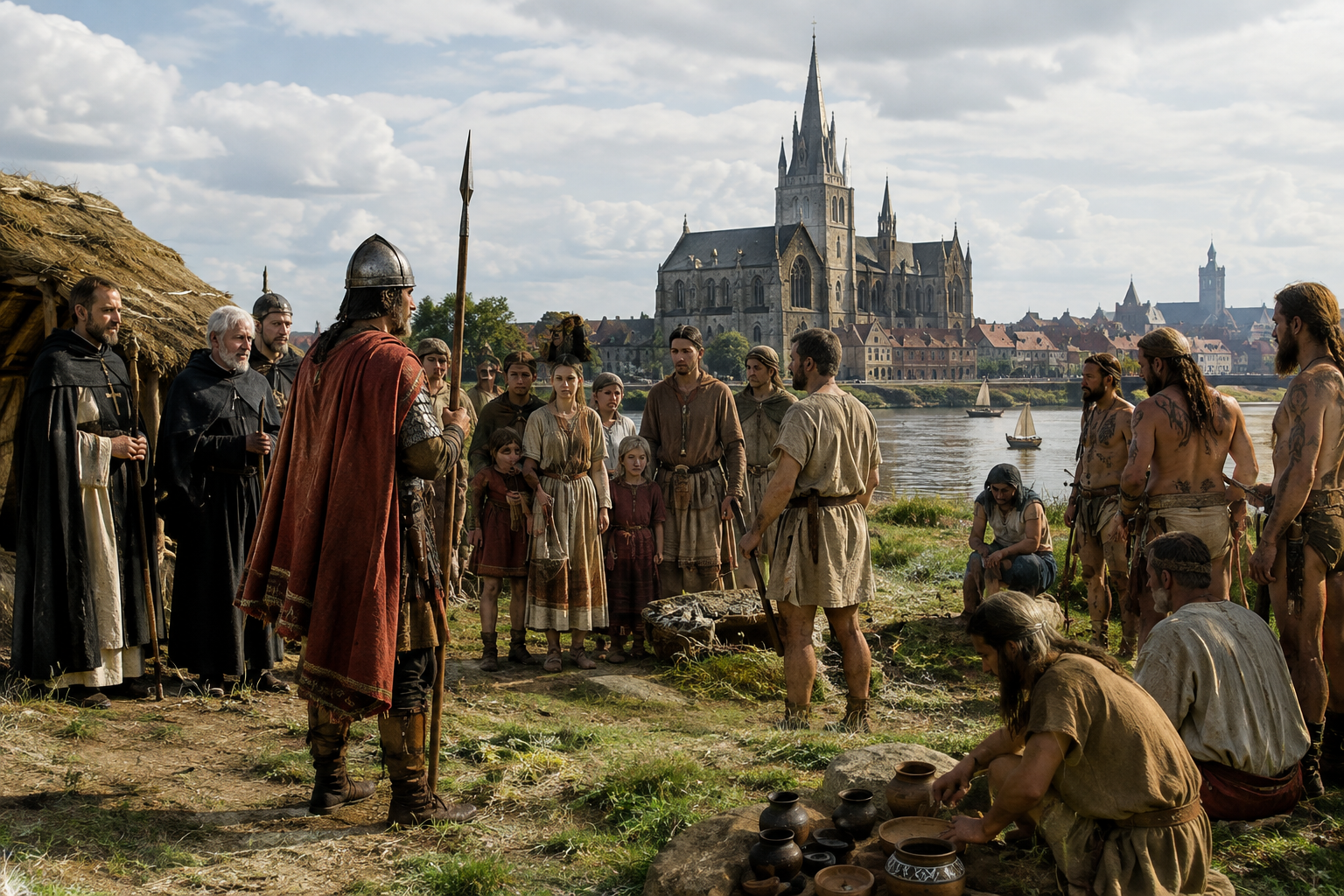
At Zerniki Gorne in southern Poland, a cluster of Late Bronze Age burials has turned up the same paternal signal again and again. Among the men identified there are poz667, poz675, poz649, poz651, poz662, poz665, poz684, poz745, poz746, poz747, poz748, and poz658, dating broadly from the mid-2nd millennium BC into the 13th century BC. For anyone carrying Y-DNA haplogroup I2a1a1b1a1, that concentration is the striking thing: not a lone outlier, but a repeated presence in one archaeological landscape.
That matters because Y-DNA follows one direct paternal line only. It does not describe a whole population or a person's complete ancestry. But when the same branch appears across several male burials at one Bronze Age site, and also shows up in other places centuries later, it gives us something much more valuable than myth: a documented thread of paternal continuity and movement across parts of Europe.
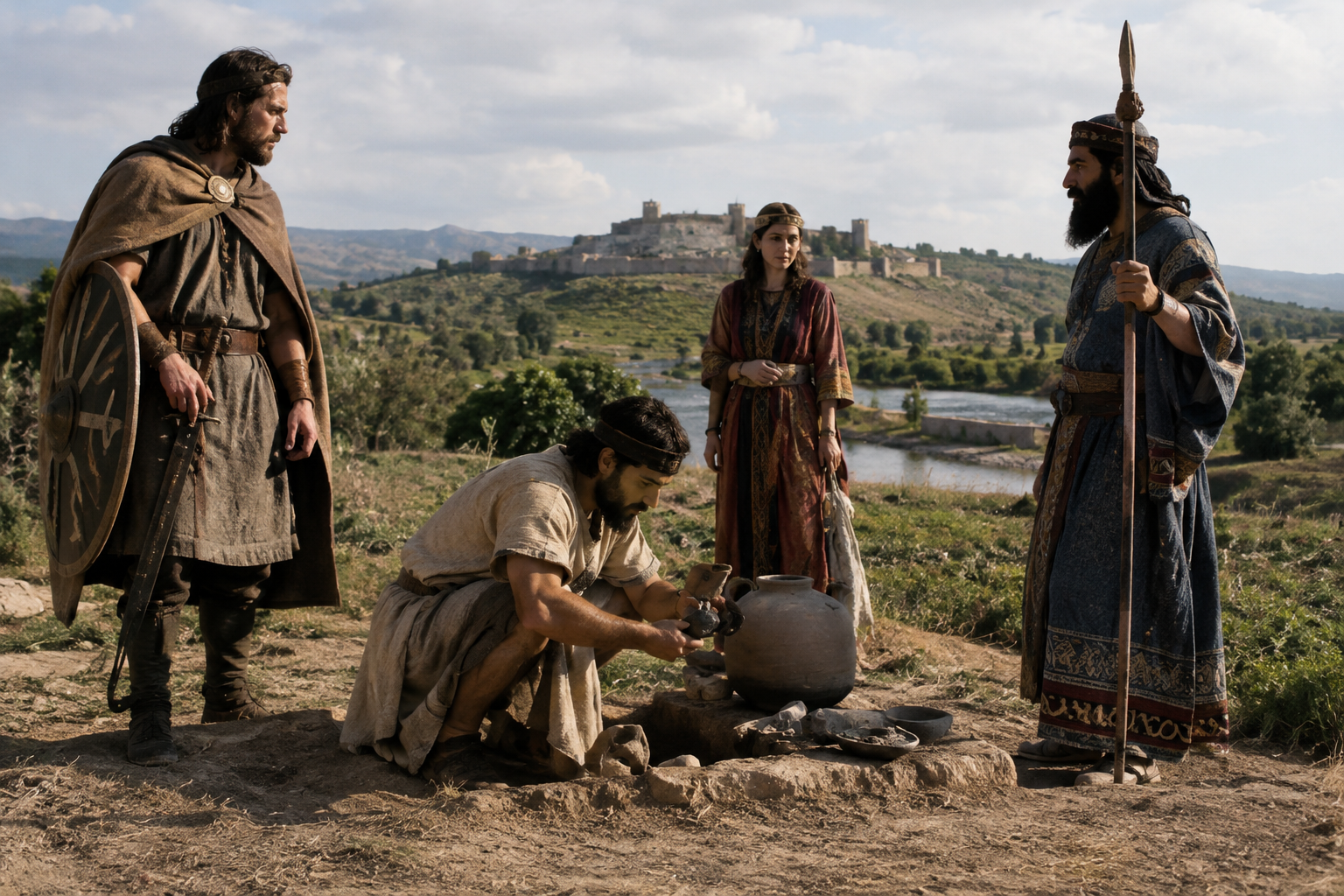
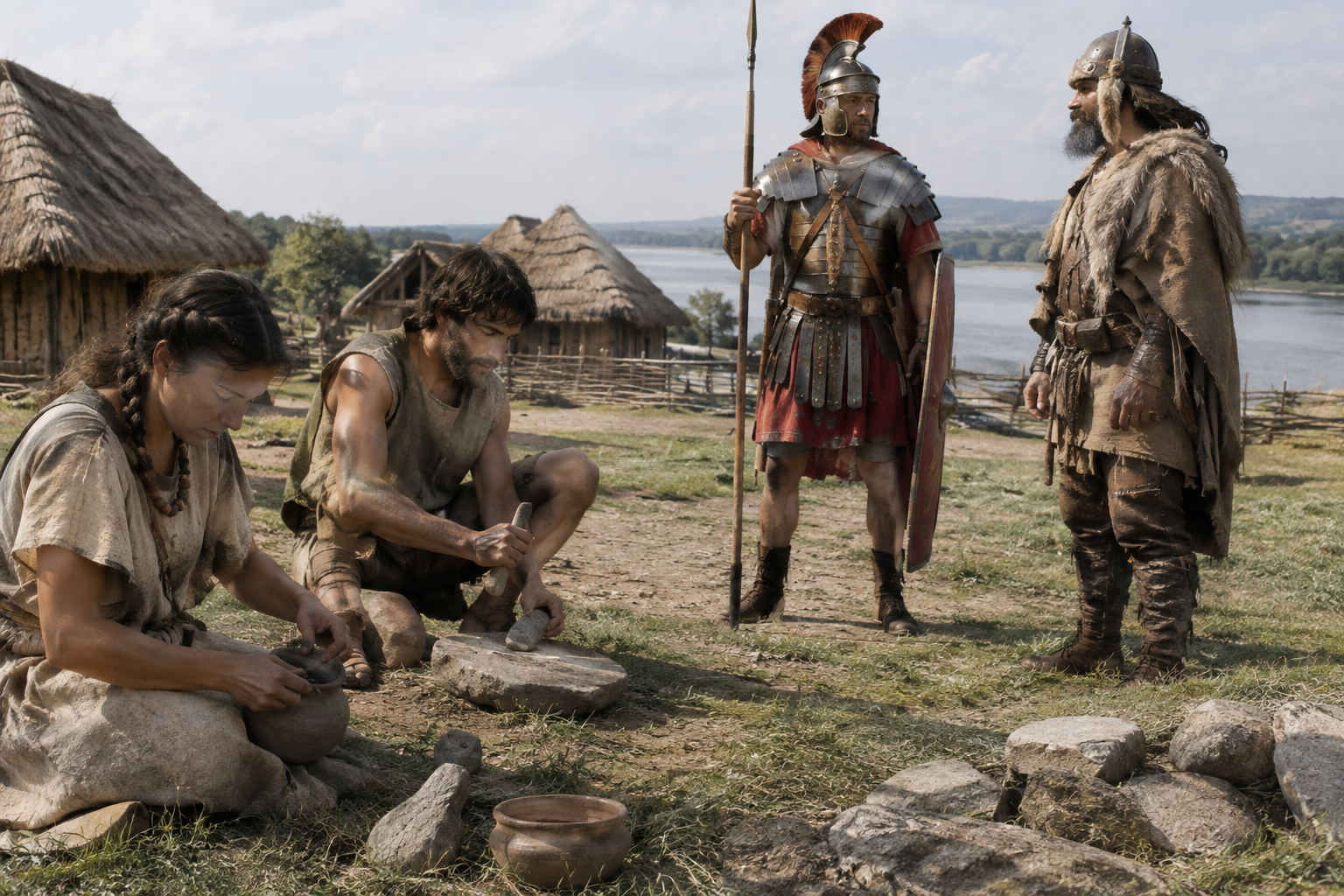
The Zerniki Gorne group is the clearest anchor for this haplogroup in the material here. The dates attached to these samples span roughly 1510 BC to 1250 BC, which places them in the Late Bronze Age world of east-central Europe. That was a period of changing burial customs, shifting regional networks, and communities tied into wider systems of exchange stretching across the continent.
What is especially interesting is not simply that one man at Zerniki Gorne carried a lineage associated here with I2a1a1b1a1, but that many did. Even with all the usual caution about exact subclade resolution, the pattern strongly suggests that one paternal line, or a cluster of closely related paternal lines within the wider I2 framework, had become well established in this local population. Archaeology often shows us pots, graves, and dates; ancient DNA adds the possibility that some of the men buried there shared deeper paternal ancestry across generations.
A study of collective burials and chronology in this region helps place these 2nd-millennium BC communities in their proper archaeological setting rather than treating them as isolated genetic datapoints. The broader chronological framework from research on east-central European Bronze Age burials is useful here, because it reminds us that these were real cemetery landscapes shaped over time, not just labels on a spreadsheet.
Late Bronze Age Central Europe
Zerniki Gorne is not alone. Other Bronze Age samples associated with this haplogroup appear across southern and northern Poland: poz543 from Koszyce around 1264 BC, poz758 from Strzyzow around 1900 BC, poz507 from Bocheniec around 1750 BC, poz715 from Pielgrzymowice around 1375 BC, and poz693, poz694, and poz700 from Gustorzyn around 1500 BC. Taken together, they widen the map considerably.
One should be careful with the labels attached to some of these entries. Terms such as "Germanic tribe" in a Bronze Age setting can be misleading if read too literally, because language, ethnicity, and Y-DNA are not the same thing, and historically named Germanic peoples belong to much later textual worlds. Still, the distribution is revealing. It places this paternal branch, or close parent-line equivalents, in several Bronze Age communities across what is now Poland, from the Carpathian forelands to Pomerania.
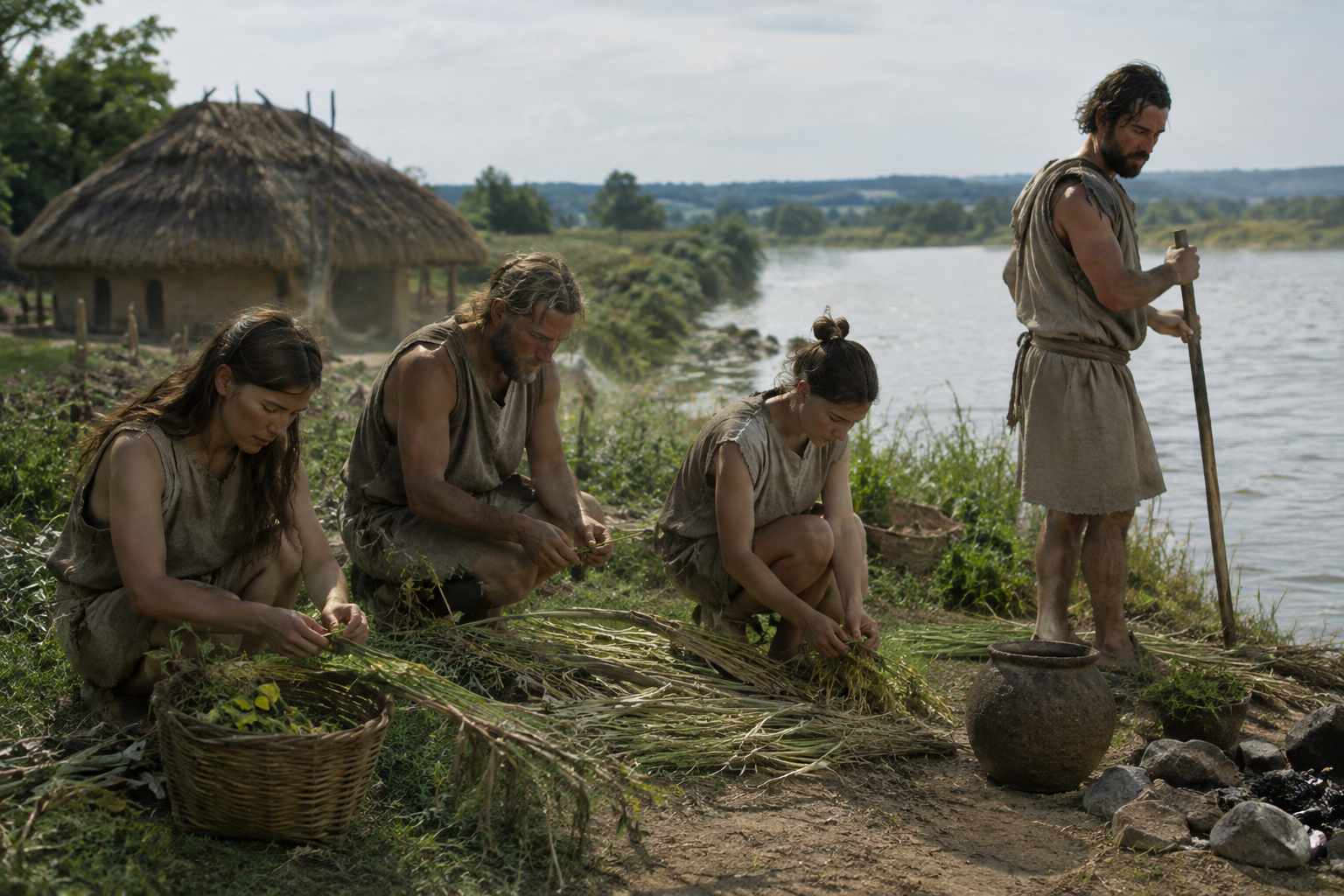
That is a very different sort of story from a royal pedigree or a single heroic ancestor. It looks more like durable local male descent lines within farming and burial communities of Bronze Age central Europe. In that sense, I2a1a1b1a1 appears here less as an exotic arrival and more as part of the lived demographic fabric of the region.
Life and Mobility in Bronze Age Europe
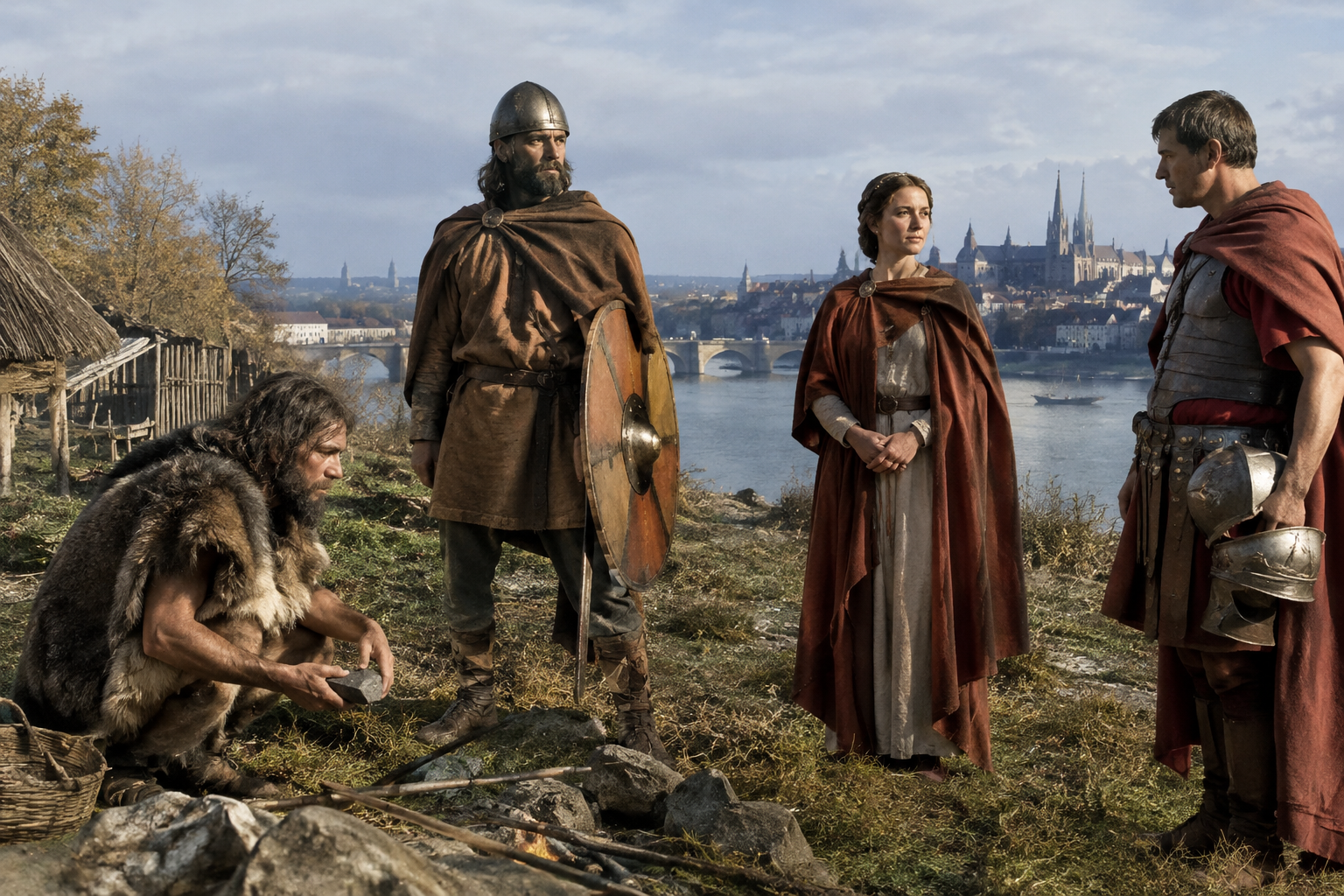
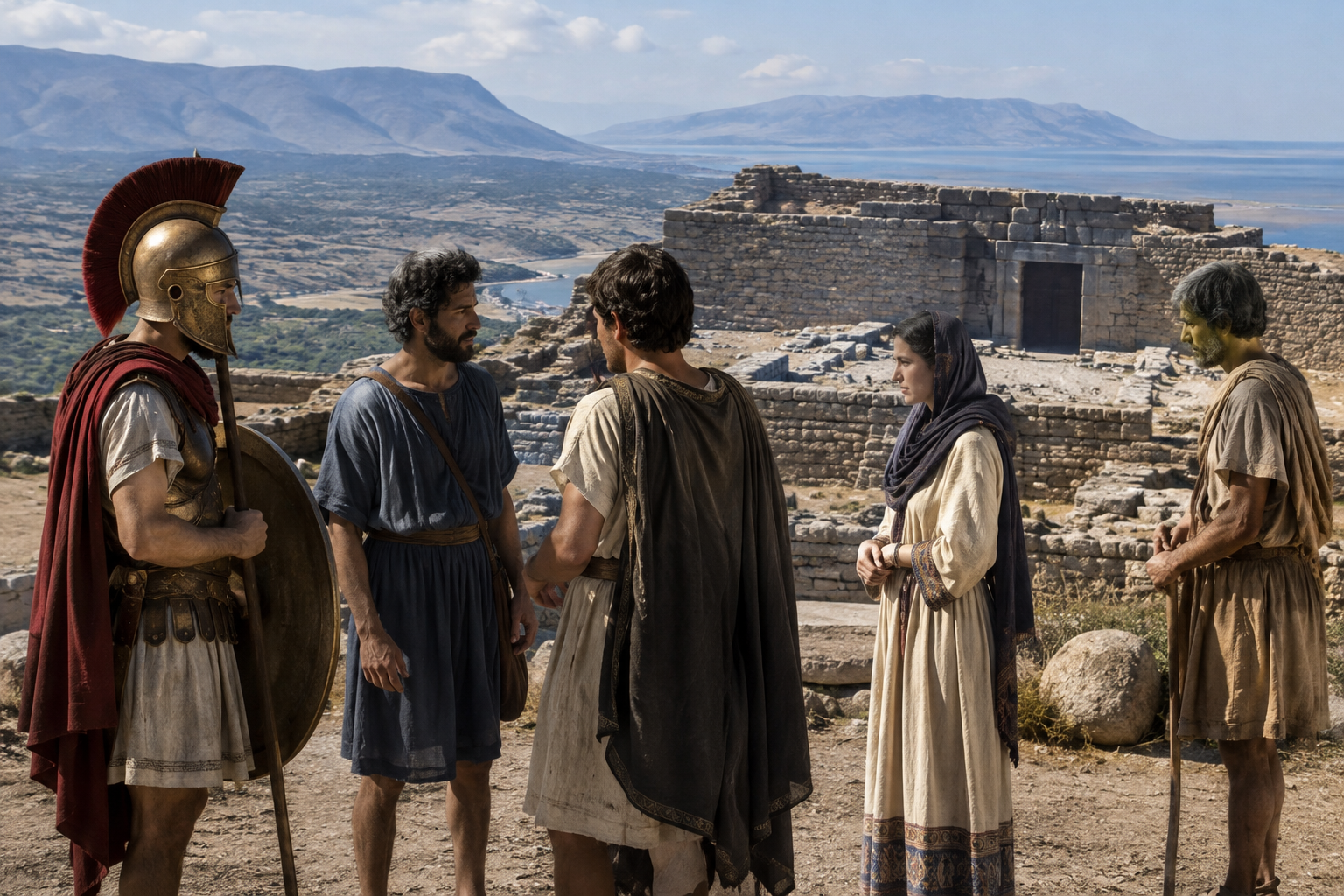
Then the map jumps. Sample I10949 comes from Himera in Sicily and is dated to around 480 BC, the time of the First Sicilian War. The description identifies him as an ancient mercenary, which immediately changes the historical setting. We are no longer in a Bronze Age cemetery of inland Poland, but in the intensely connected Mediterranean world of Greek colonies, armies, and hired fighters.
This does not mean a simple straight-line migration from Zerniki Gorne to Sicily, and it would be absurd to claim one. What it does show is that a paternal line associated here with I2a1a1b1a1 had, by the early classical period, turned up in a military context far to the south. Mercenaries are important in ancient history precisely because they embody mobility. They carry family histories from elsewhere into battlefields and burial grounds where written sources often flatten them into a generic category.
The wider genetic picture of Mediterranean islands and military mobility has been transformed by recent ancient-DNA work. Research on ancient populations in and around Italy and its islands, including a study of ancient Italian island genomics, has made it easier to understand Sicily not as a sealed world but as a place where many ancestral streams met. I10949 fits that broader historical reality rather well.
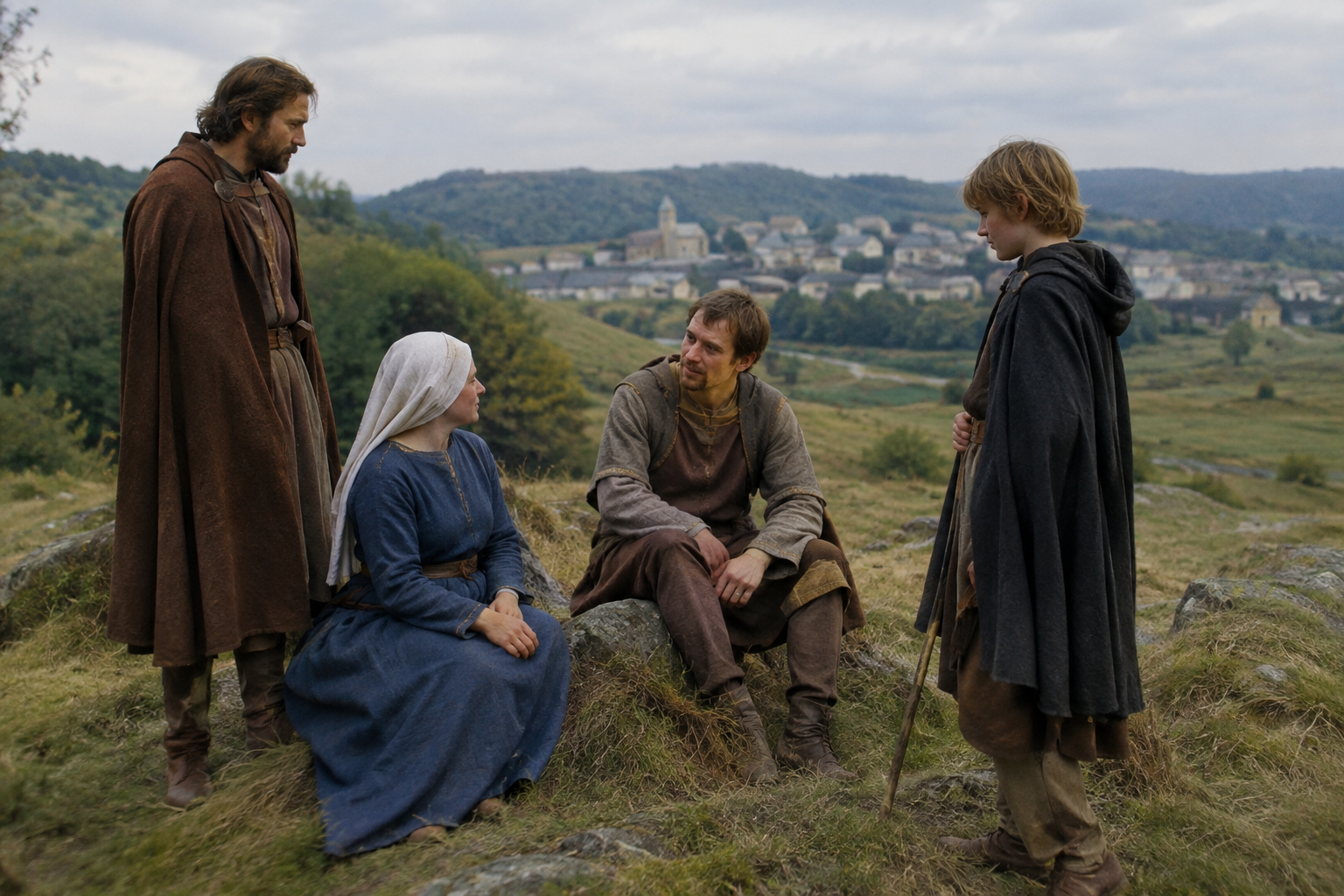
The later evidence is modest in number but intriguing in context. GRO002, dated to about AD 885, comes from Groningen in the Netherlands, in the Carolingian era. That places this paternal line in the North Sea world of the early Middle Ages, a landscape of trade, ecclesiastical power, local lordship, and repeated contact across the coasts and river mouths of northwestern Europe.
Later still, three individuals from St. Rombouts in Belgium, STR248D, STR248C, and STR248, are dated around AD 1192. A trio of medieval samples at one site does not automatically mean a single family group, still less a dynasty. But it does show that this lineage, already visible in Bronze Age central Europe and in one classical Mediterranean context, also formed part of the male population in a high medieval urban or church-centered setting in the Low Countries.
That is a rather good reminder that paternal lineages survive not only in dramatic episodes of migration but in ordinary settlement history. Markets, parishes, workshops, households, and town cemeteries are where many Y-chromosome histories quietly continue.
Lower Rhine-Meuse Deep Ancestry
The evidence here does not support a neat origin legend, and that is part of its interest. I2a1a1b1a1 is a very specific branch name, but the archaeological pattern supplied for it is broad in time and surprisingly practical in character: many Bronze Age males in Poland, one mobile soldier in Sicily, one Carolingian-era man in Groningen, and several late medieval individuals in Belgium.
In other words, this is not a haplogroup story built around a single famous house. It is a story about persistence. The strongest signal lies in Bronze Age east-central Europe, where repeated male samples suggest that the lineage was embedded in local communities for centuries. Later appearances in the Low Countries and Mediterranean military life show how such a paternal branch could remain recognisable while the historical worlds around it changed completely.
For a present-day tester, that is the sensible takeaway. If your direct paternal line falls under I2a1a1b1a1, these ancient matches point most clearly toward a long European history with especially strong Bronze Age visibility in what is now Poland, followed by appearances in medieval northwestern Europe and at least one classical Mediterranean case of long-distance mobility.
Comments