Haplogroup G2a3b1a2

– 5 min read


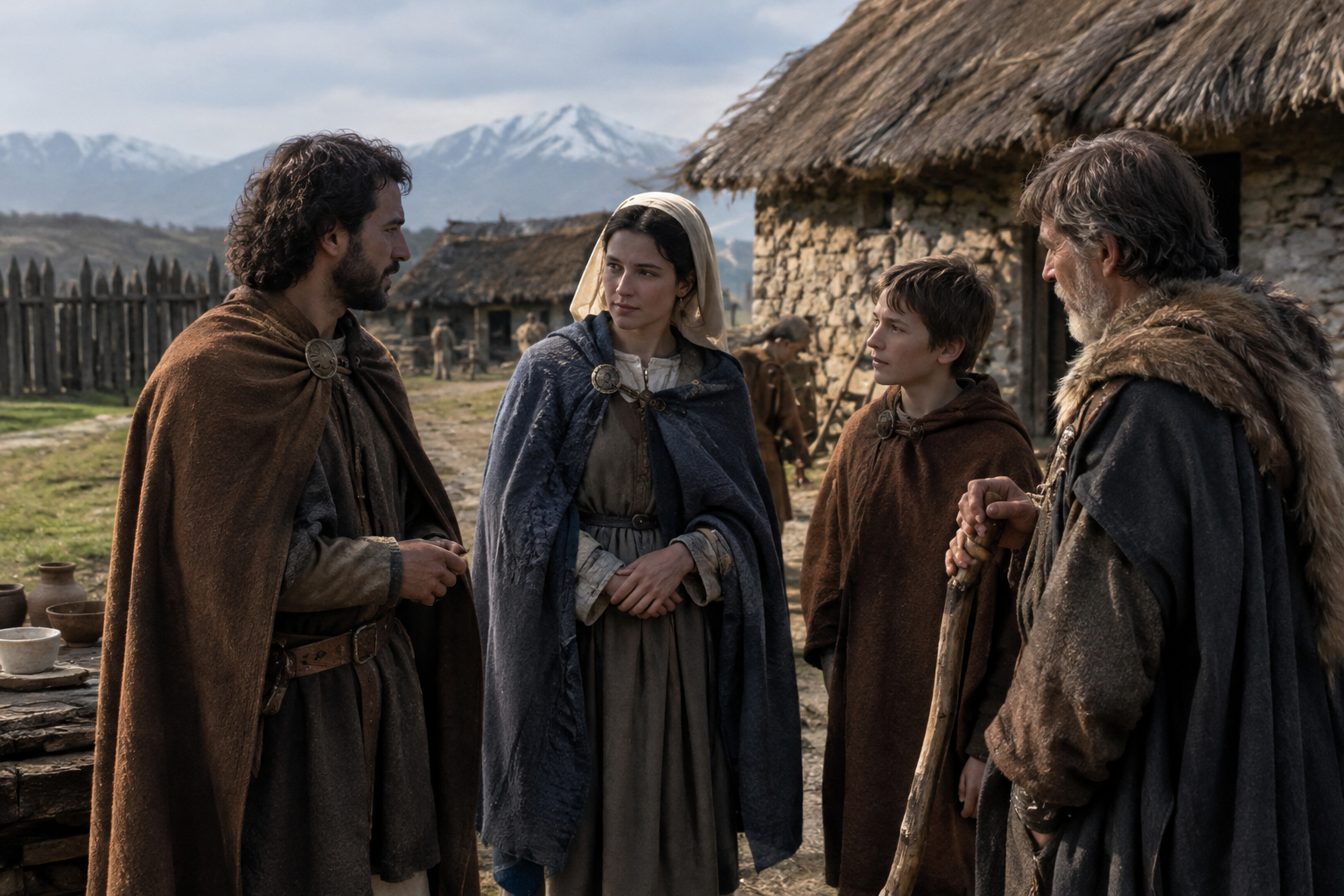
At Collegno, just outside Turin in northern Italy, a cluster of sixth-century burials has become one of the clearest windows into the unsettled world after the fall of the Western Roman Empire. Among the men buried there, several samples associated with Y-DNA haplogroup G2a3b1a2 stand out: COL_136, COL_136b, COL_136x, COL_126, and COL_126b, all dated here to around AD 580 and described as Lombard-era individuals from Collegno.
That matters because G2a is an old and important branch in European prehistory, often discussed in connection with early farming populations, but a specific subclade such as G2a3b1a2 is a much narrower paternal line. Y-DNA follows one direct male line only, so it does not define a person's whole ancestry, identity, or language. What these Collegno burials offer is something more interesting than a simple label: they show a paternal lineage turning up in an early medieval community formed in a period of migration, military settlement, and local mixing in post-Roman Italy.
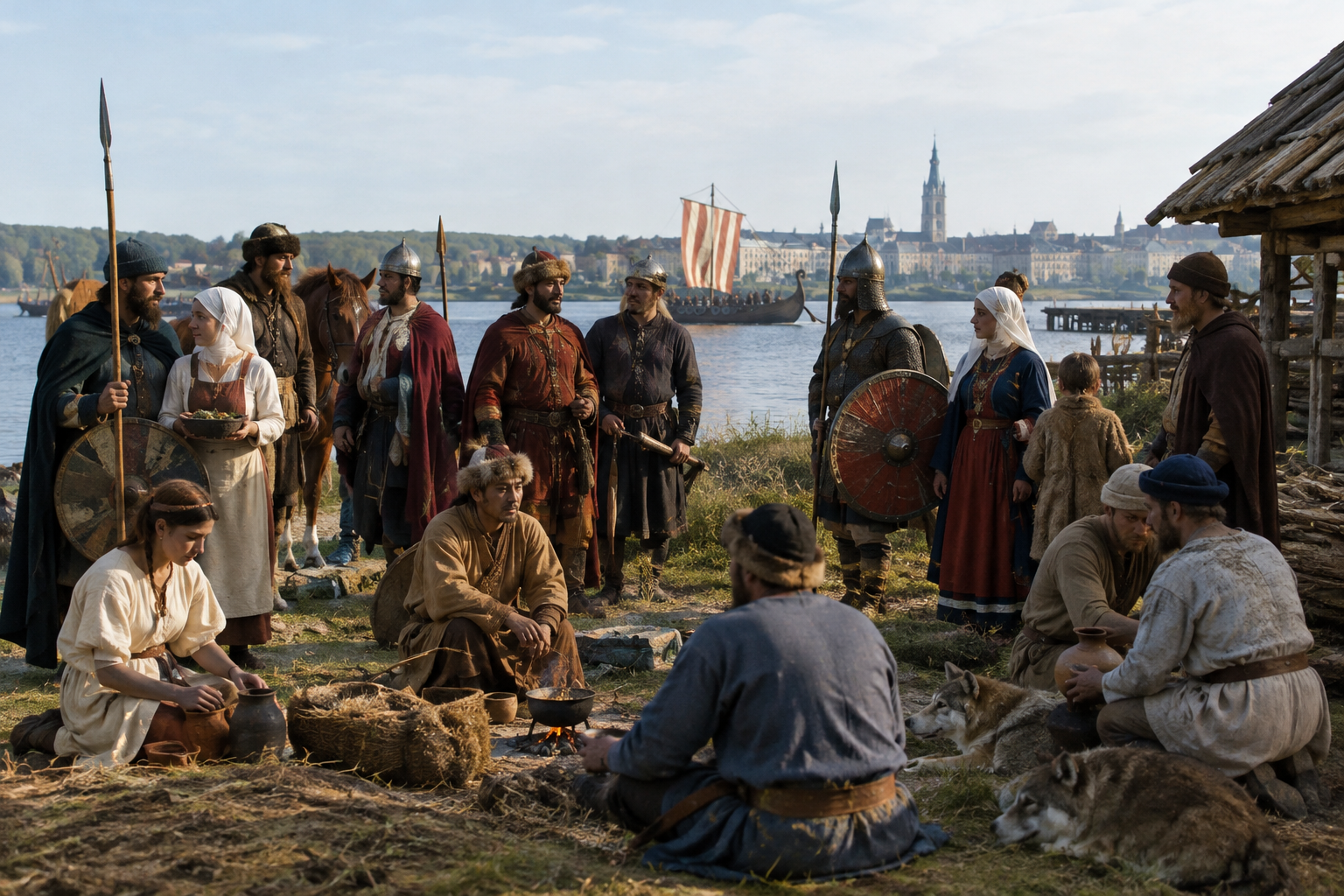
By the later sixth century, northern Italy was a frontier of new political realities. The Lombards had entered Italy in AD 568, and within a generation communities such as Collegno were living through profound change: Roman provincial habits persisted, but power, landholding, and military organization were being reshaped.
The Collegno cemetery has become well known because it captures this mixed environment at ground level. Rather than giving us a neat ethnic snapshot, the site points to a community in which different backgrounds were present together. The men associated here with G2a3b1a2 belong to that world: not to a mythic tribe in the abstract, but to a real burial population in northern Italy during the Lombard era.
An ancient DNA study examining these burials and their broader setting in early medieval Europe helped bring this site into focus for historians and geneticists alike. For readers who want the research context behind Collegno and comparable Migration Period communities, see this study.
The Collegno evidence here is unusual because the same burial context includes multiple labels linked to two individuals: COL_136, COL_136b, COL_136x, and COL_126, COL_126b. That does not automatically mean five different men. In ancient DNA work, variant suffixes can reflect separate extractions, libraries, or analytical treatments rather than wholly separate persons. The important point is not to inflate the count, but to note the repeated association of this paternal branch within the same site and period.
That repetition gives the Collegno cluster more weight than a lone isolated sample. It suggests that G2a3b1a2 was present in at least part of this early medieval male community in northern Italy. But caution matters: repeated detection at one cemetery is not proof of a ruling dynasty, a single large kin group, or a dominant regional lineage. Archaeology rarely gives us such simple answers.
Still, the pattern is enough to make Collegno a valuable anchor point for this haplogroup. Instead of floating free as a bare technical label, G2a3b1a2 is attached here to a documented historical setting: the reorganization of Italy after Roman rule, when burial grounds record both continuity and change.
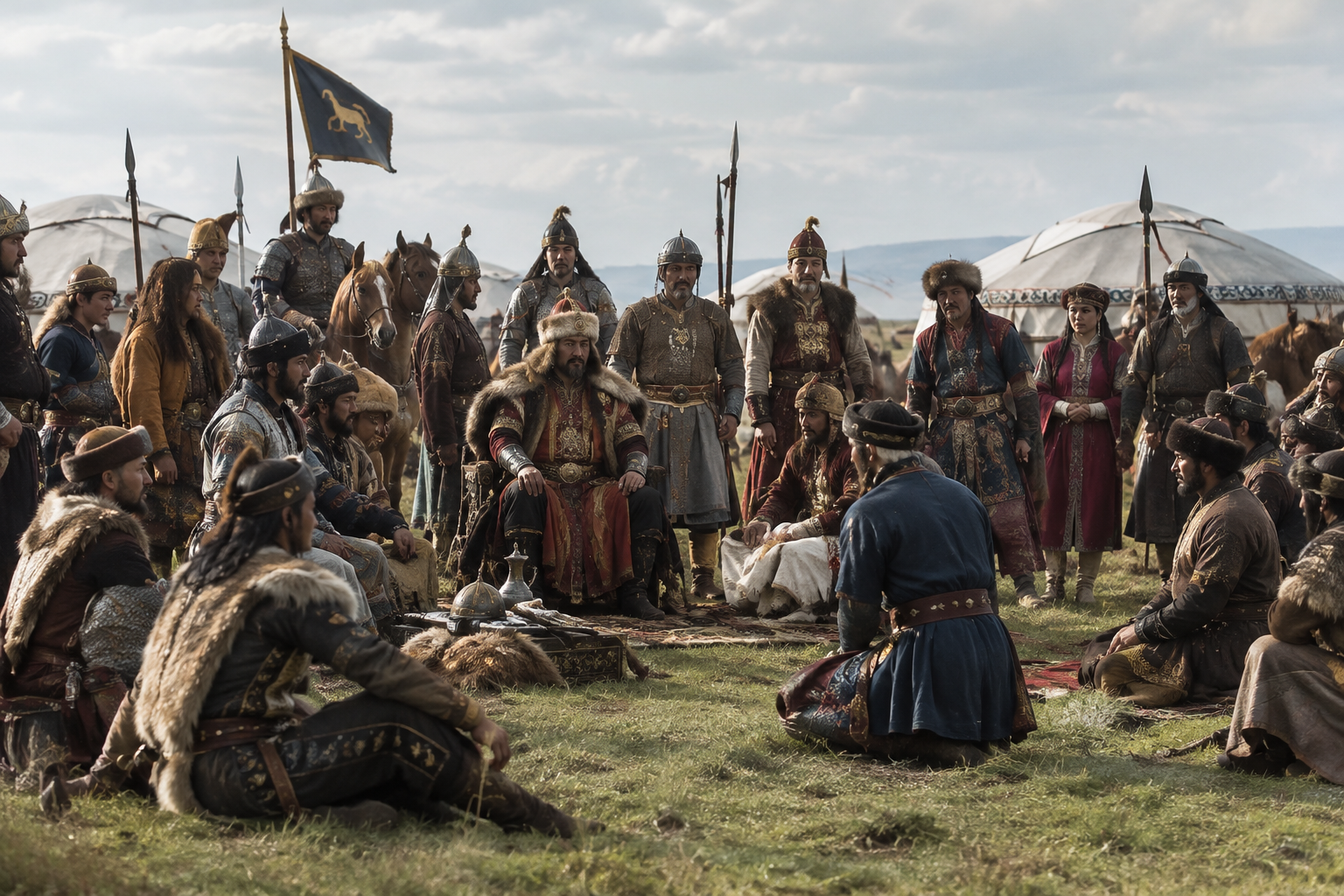
There is an old temptation in early medieval studies to match graves directly to peoples named in texts: Lombards, Goths, Romans, Franks, as if each cemetery came with a tidy ethnic caption. Ancient DNA has been steadily dismantling that habit. Sites of this period often reveal communities with varied ancestry profiles, local recruitment, and social identities that cannot be reduced to one biological origin.
That is exactly why the Collegno G2a3b1a2 cluster is so useful. G2a lineages have deep roots in Europe and western Asia, and some branches are especially famous from Neolithic farmer contexts. But finding a narrower G2a branch in Lombard-era Italy does not mean these men were simply relics of Neolithic farmers somehow untouched by later history. It means that an old paternal lineage was still present, still being transmitted, and now appears inside an early medieval community shaped by migration and political upheaval.
In other words, the cemetery reminds us that migration-period societies were not built from blank slates. New polities moved into landscapes already full of long-established families, local survivors, incoming soldiers, dependants, and marriages across cultural lines. A Y-chromosome lineage can persist through all of that.
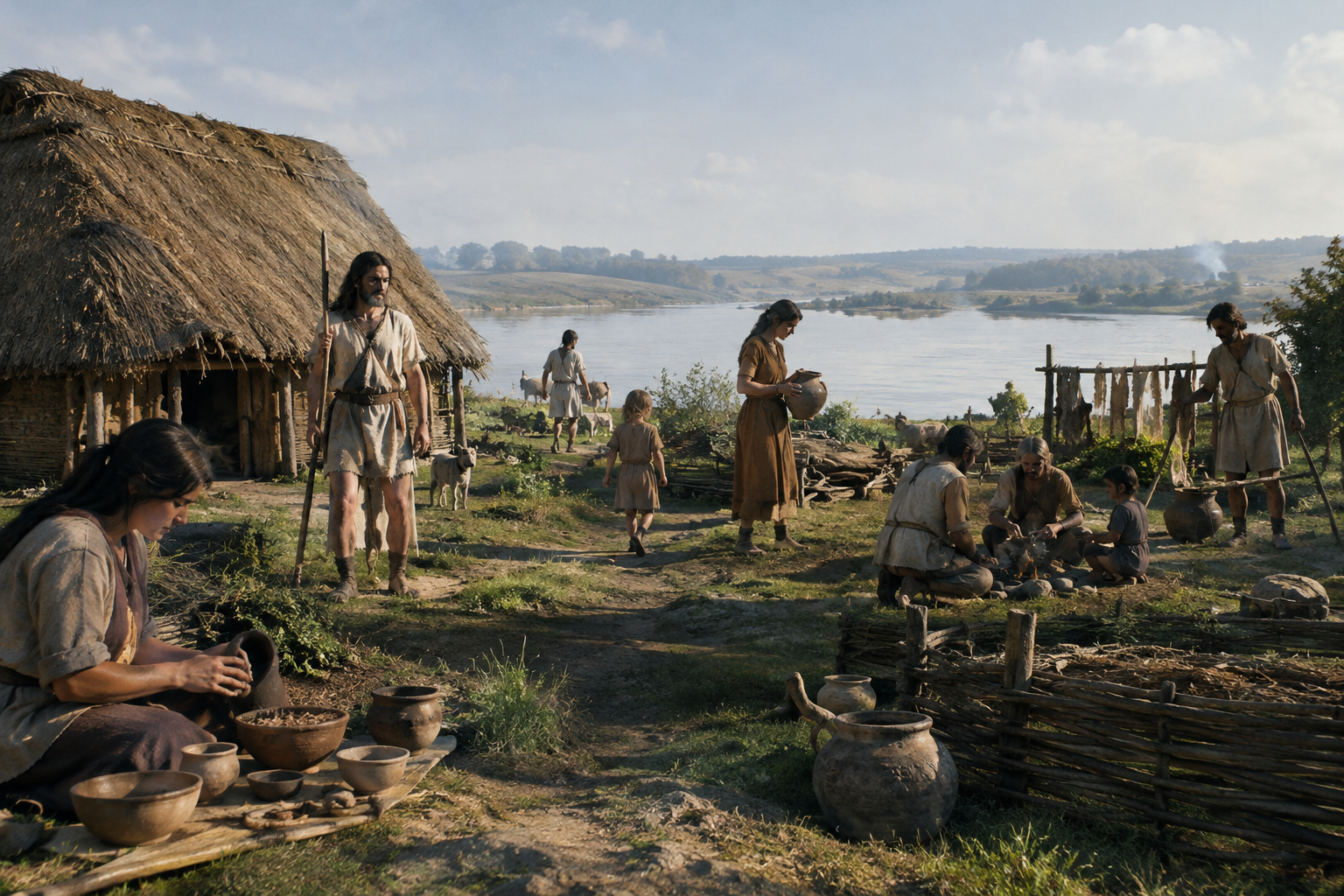
The broader haplogroup G2a has a distinguished prehistoric history. It appears again and again in Neolithic Europe, especially among early farming groups moving west from Anatolia and the Balkans. That wider background matters because it explains why G2a lineages attract so much attention: they are among the classic paternal markers of the first agricultural expansions into Europe.
But one must not smudge the branches together. G2a3b1a2 is not identical to every earlier G2a lineage found in Neolithic graves. Without a securely documented sequence of intermediate evidence, no responsible historian can draw a straight line from a sixth-century man at Collegno to a specific early farmer buried thousands of years earlier. What can be said is more modest and more historical: this branch belongs to a paternal family tree whose deeper roots lie in that older G2a world, yet by AD 580 it was part of a thoroughly early medieval story.
That broader prehistoric background also helps explain why Italy matters. The peninsula was never just a corridor between north and south. It was a zone of settlement, resettlement, empire, and regional survival. From the Neolithic onward, and then through Roman and post-Roman centuries, paternal lines were preserved, lost, reintroduced, and reshaped in ways that only archaeology and genetics together can begin to trace.
Collegno is especially valuable because northern Italy in the sixth century sat at a crossroads. Armies and retinues moved through it; imperial administration had fractured; local populations remained in place; and new elites sought to establish themselves. A lineage such as G2a3b1a2 appearing here is therefore historically richer than a dot on a distribution map. It belongs to a cemetery formed in a contact zone between Roman inheritance and Lombard rule.
That makes the site relevant beyond Italy itself. Similar debates run through studies of post-Roman Europe from Iberia to the Danube: how much continuity survived, how much movement occurred, and how communities negotiated identity on the ground. Collegno does not solve those questions by itself, but it does provide a concrete case in which paternal diversity can be discussed within an actual excavated population rather than through modern surname lore or nationalist legend.
For comparison with another early medieval community showing varied origins in a western European burial site, see this MyTrueAncestry article on diverse origins at a 7th-century Madrid burial site.
For someone researching G2a3b1a2 today, the most solid point from the evidence here is not a grand claim about kings or tribes. It is the presence of this paternal branch in Lombard-era Collegno, around AD 580, in a cemetery that speaks to the mixed and practical realities of life in post-Roman northern Italy. This is a lineage with deeper roots in the wider G2a family, but one that remained part of Europe's human landscape well into the early Middle Ages.
That is often how paternal history really works: not as a single dramatic migration, but as survival through changing worlds.
Comments