Clan Rose
– 3 min read


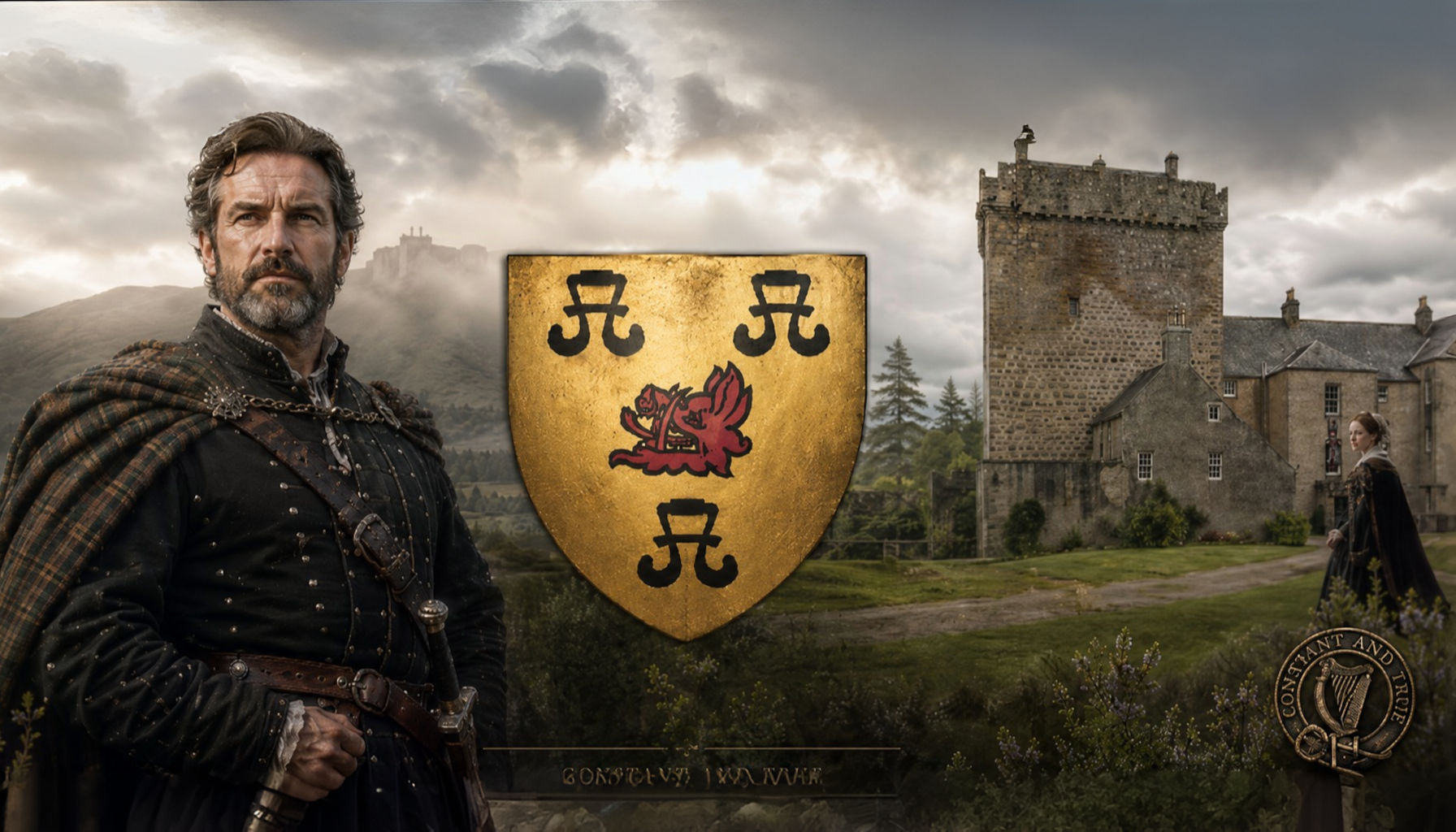
Clan Rose was one of the old landed families of northern Scotland, rooted for centuries in Nairnshire and most closely identified with Kilravock Castle near Nairn. In historical terms, the Roses fit a very recognisable Scottish pattern: a family built not simply by bloodline alone, but by landholding, local authority, marriage alliances, public service, heraldry, and the careful preservation of memory across generations. Their primary linked haplogroup in this context is R1b1a1b1a1a2c1a2, a lineage widely associated with parts of Atlantic and northwestern European population history. Haplogroups linked with Rose heritage here: R1b1a1b1a1a2c1a2.
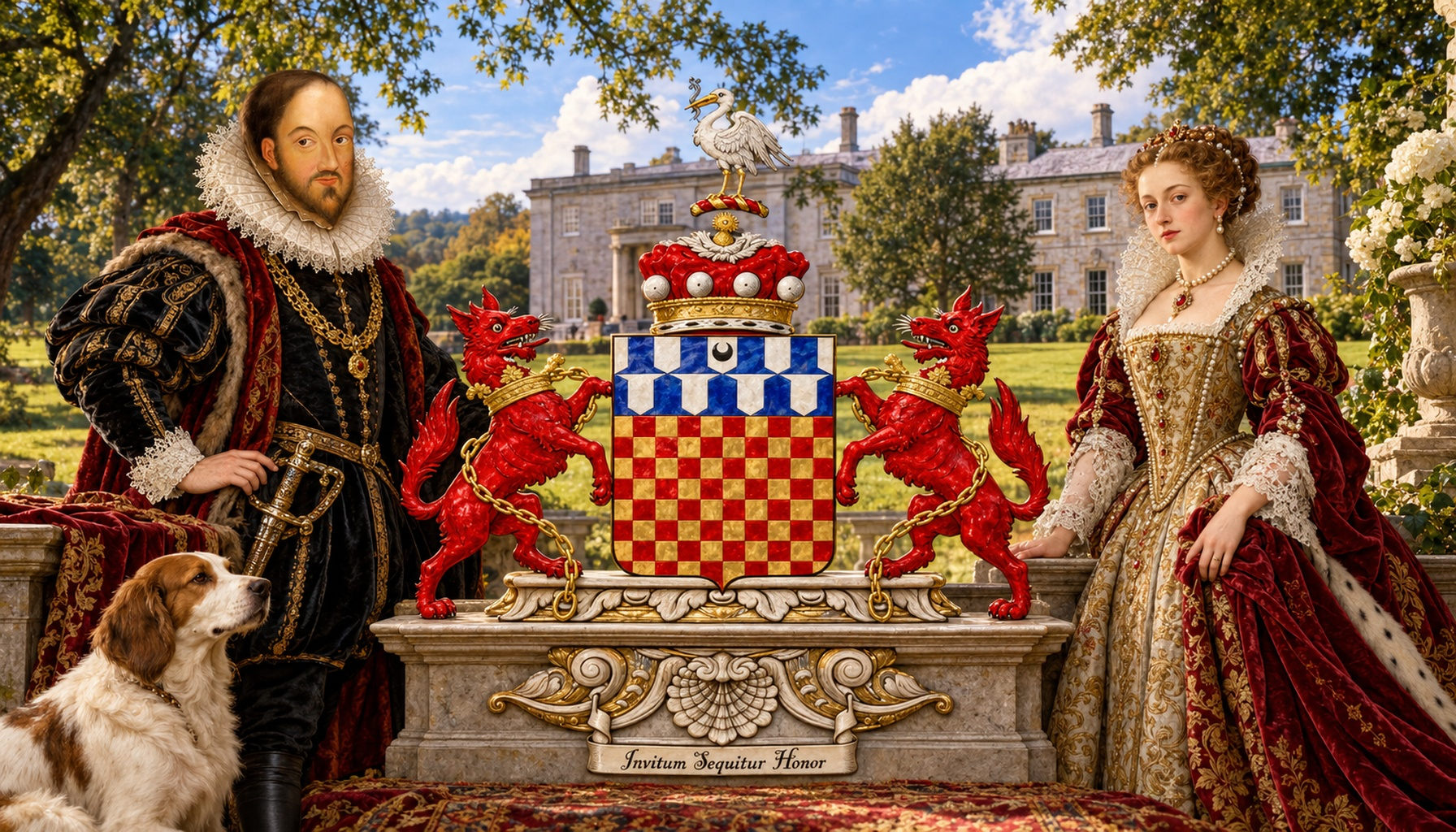
The family emerged from the medieval world of lordship and territorial consolidation in the north of Scotland, where continuity of land mattered enormously. The surname is usually connected with the old Rose or Ros naming tradition, and by the late 13th century we can place the family securely in the documentary record with figures such as Hugo de Ros in 1290. From there, the Roses became a durable local power, not a clan of theatrical turbulence so much as one of remarkable steadiness. That, in its way, is just as Scottish and just as impressive: generation after generation maintaining their seat, serving in public life, carrying heraldic identity forward, and embedding clan memory in a specific landscape.
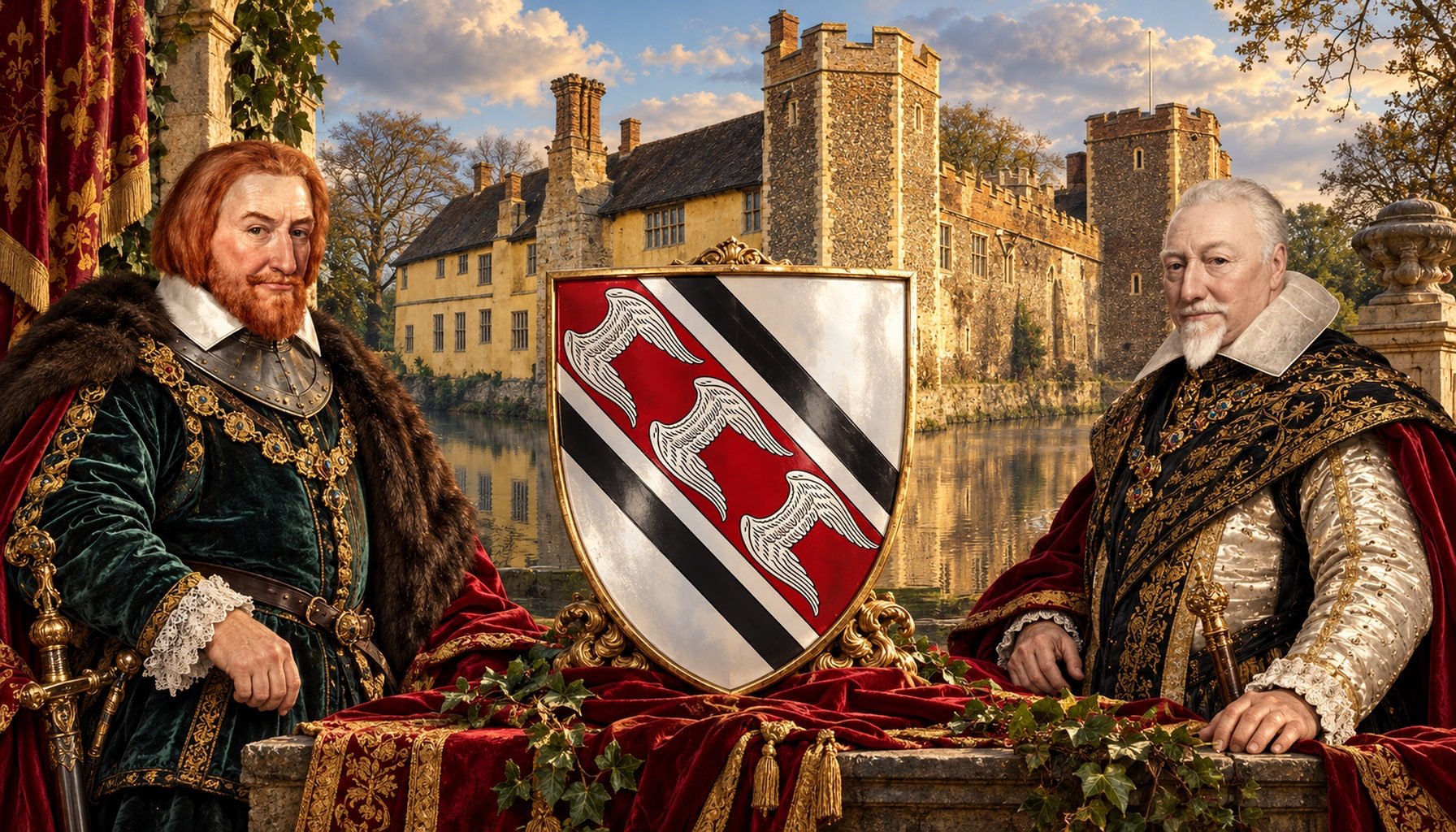
Kilravock Castle is the great location anchor of Clan Rose, and really the key to understanding their heritage. Situated near Nairn, east of Inverness, it has been the ancestral seat of the chiefs of Clan Rose for many centuries. The core tower dates to the 15th century, with later additions showing how a defensive medieval tower house could gradually become a lived-in family residence without losing its historic character. It stands in the lower Highlands, close to routes linking Moray, Nairnshire, Inverness, and the wider north, which helps explain why the family could combine local rootedness with broader Scottish significance. Kilravock is not just a castle in the romantic postcard sense; it is an unusually vivid example of territorial continuity, where architecture, estate identity, genealogy, and clan tradition all meet in one place. It is also known as a historic house that can still be visited, which gives Clan Rose a rare and tangible continuity: not merely a remembered seat, but one that still allows people to encounter the family story on the ground.
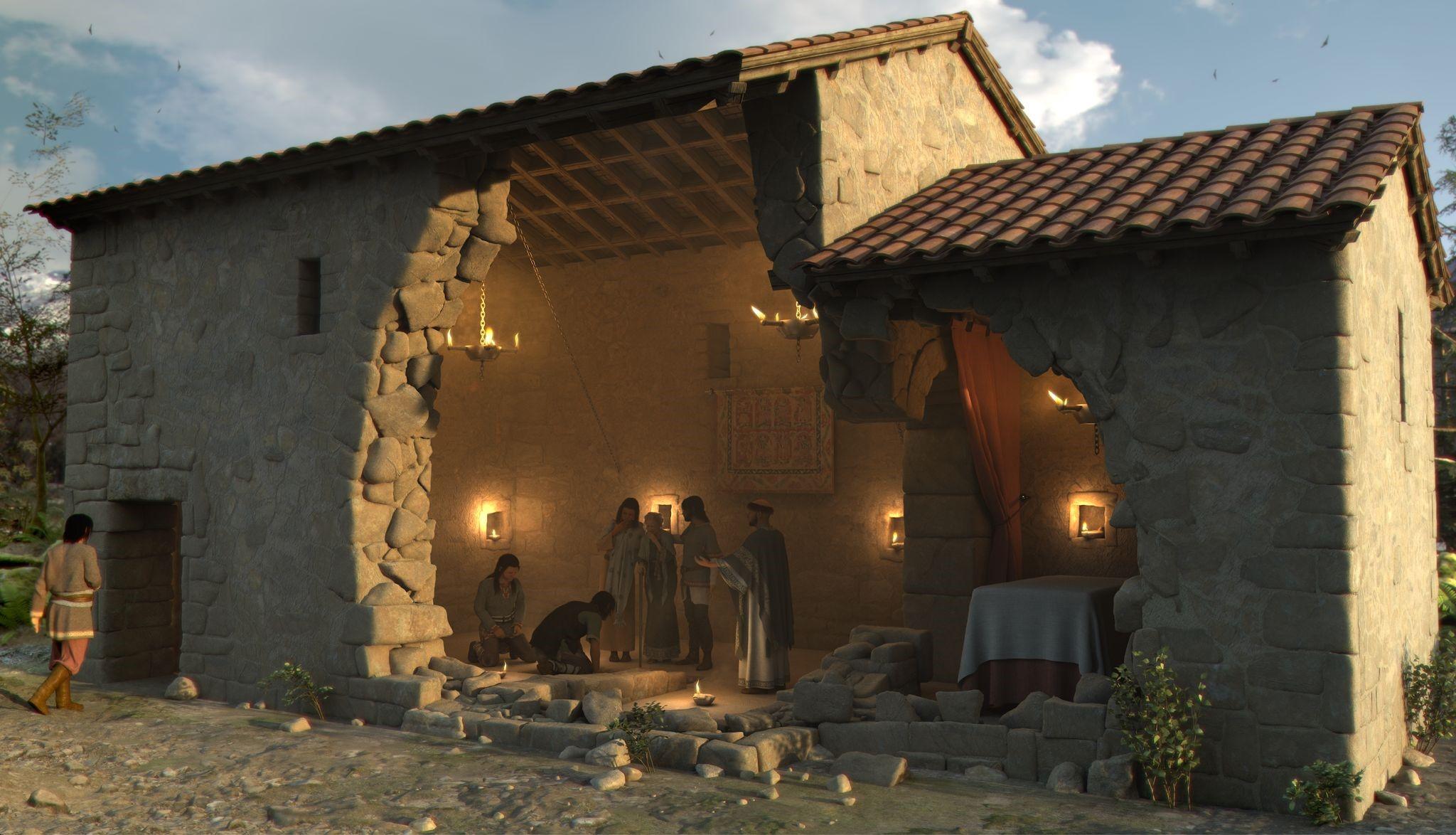
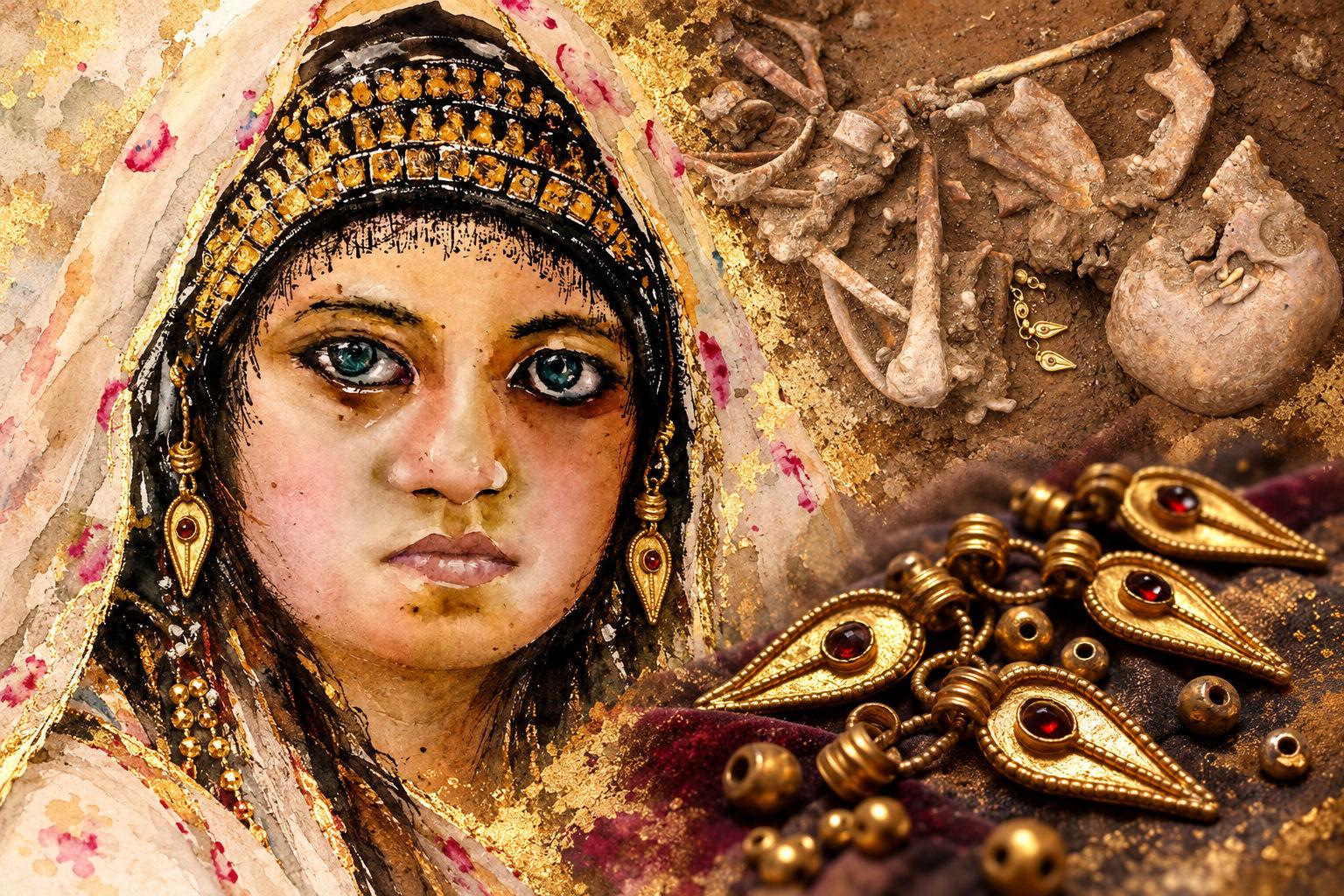
The primary Rose-linked haplogroup here, R1b1a1b1a1a2c1a2, belongs to a deep population story spread across Britain and parts of western and northern Europe. Related or linked ancient DNA samples include a striking range of individuals from Iron Age, Roman, Pictish, medieval, and earlier contexts: Celtic Durotriges burials from Duropolis at Winterborne Kingston such as WBK12, WBK20, WBK29, WBK41, WBK05, WBK30, WBK43, WBK06, WBK08, WBK18 and WBK191; Roman Era Cambridge Vicars Farm VIC016; Dark Ages and Medieval Las Gobas in northern Spain including ldo039, ldo052 and ldo242; Gallic and Roman world examples such as Verona Seminario Vescovile 3214s and 3214, Zadar I26776, and Conimbriga R10488; northern British and Scottish examples such as Bronze Age Orkney KD061, Pict Era Knowe of Skea KD004 series, Mine Howe CGG018915 and CGG018915x, Covesea Caves Moray I2859x, Applecross I3566 and I3567, Broxmouth I16504 and I2695, and West Lothian I27384 and I27385. There are also many linked Brittonic and Iron Age samples across England and Wales, from Kent, Wiltshire, Oxfordshire, Somerset, Yorkshire, Cornwall, Hampshire, Bedfordshire and beyond. None of this proves direct descent from any one ancient individual, and it should not be presented that way. But it does place the Rose haplogroup within a long, well-attested genetic landscape connected to Bronze Age Britain, Iron Age Celtic communities, northern Scottish populations, and the wider movements of peoples across Britain and Europe over many centuries.
If you want to see how your own DNA may connect with historic clans, ancient populations, and archaeological cultures linked to lineages like R1b1a1b1a1a2c1a2, upload your DNA to MyTrueAncestry and explore the past in a way that is personal, readable, and grounded in real ancient evidence.
Comments