Clan Roche
– 2 min read



Clan Roche was one of the great Anglo-Norman families to put down roots in Ireland, especially in Munster, and in time to become thoroughly part of the Irish historical landscape. The name comes from de la Roche, or de Rupe, meaning "of the rock", and points back to a Norman-French origin before the family became established in Ireland in the wake of the medieval settlement. In historical terms, the Roches are a classic example of the Norman-Irish pattern: newcomers who arrived with conquest and colonisation, took land, built castles, served in war, developed lordship, and then gradually blended into the political and cultural life of Ireland while still preserving the memory of their Norman inheritance. The primary family haplogroup linked here is E1b1b1a1a1c1b1.
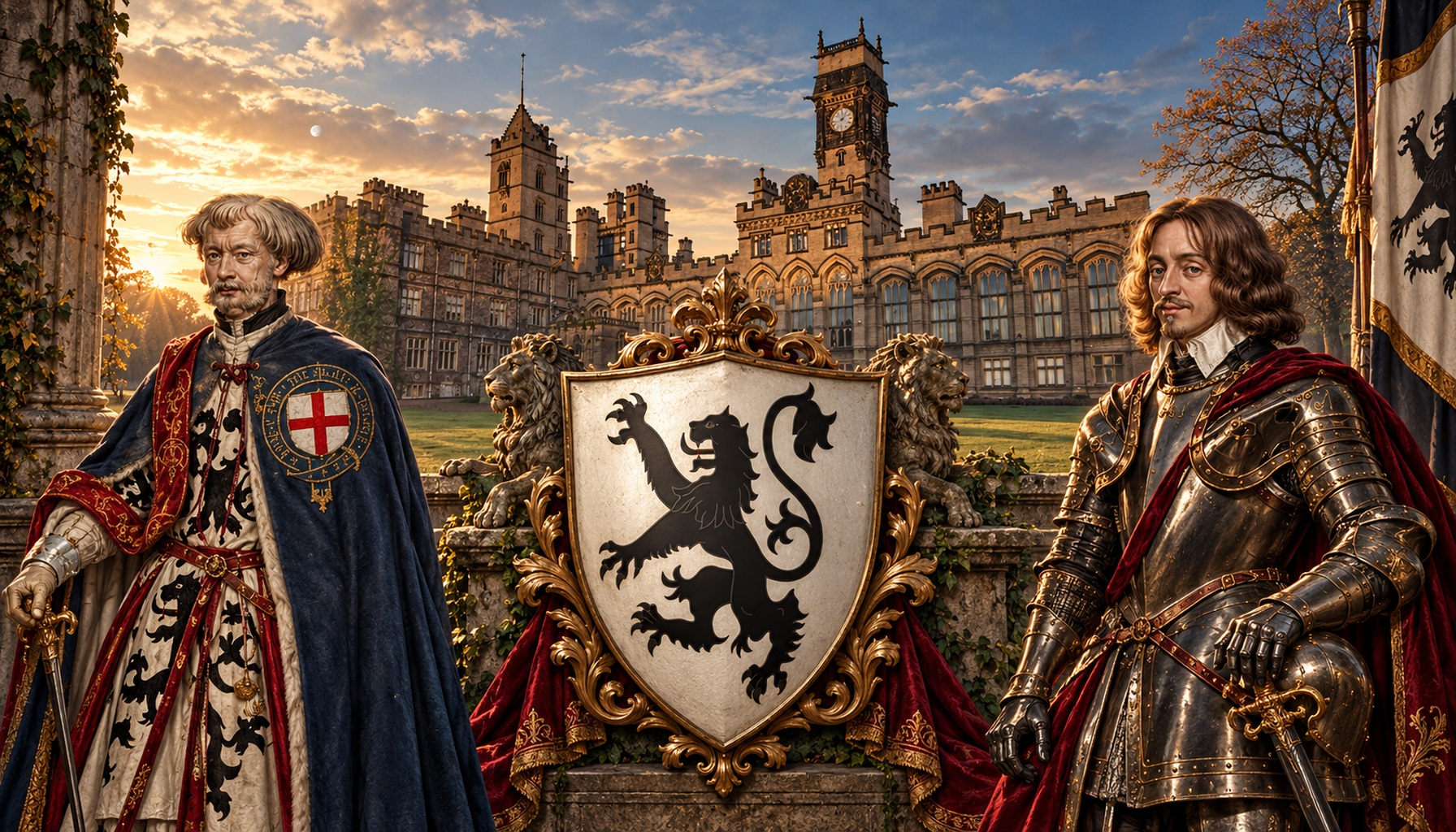
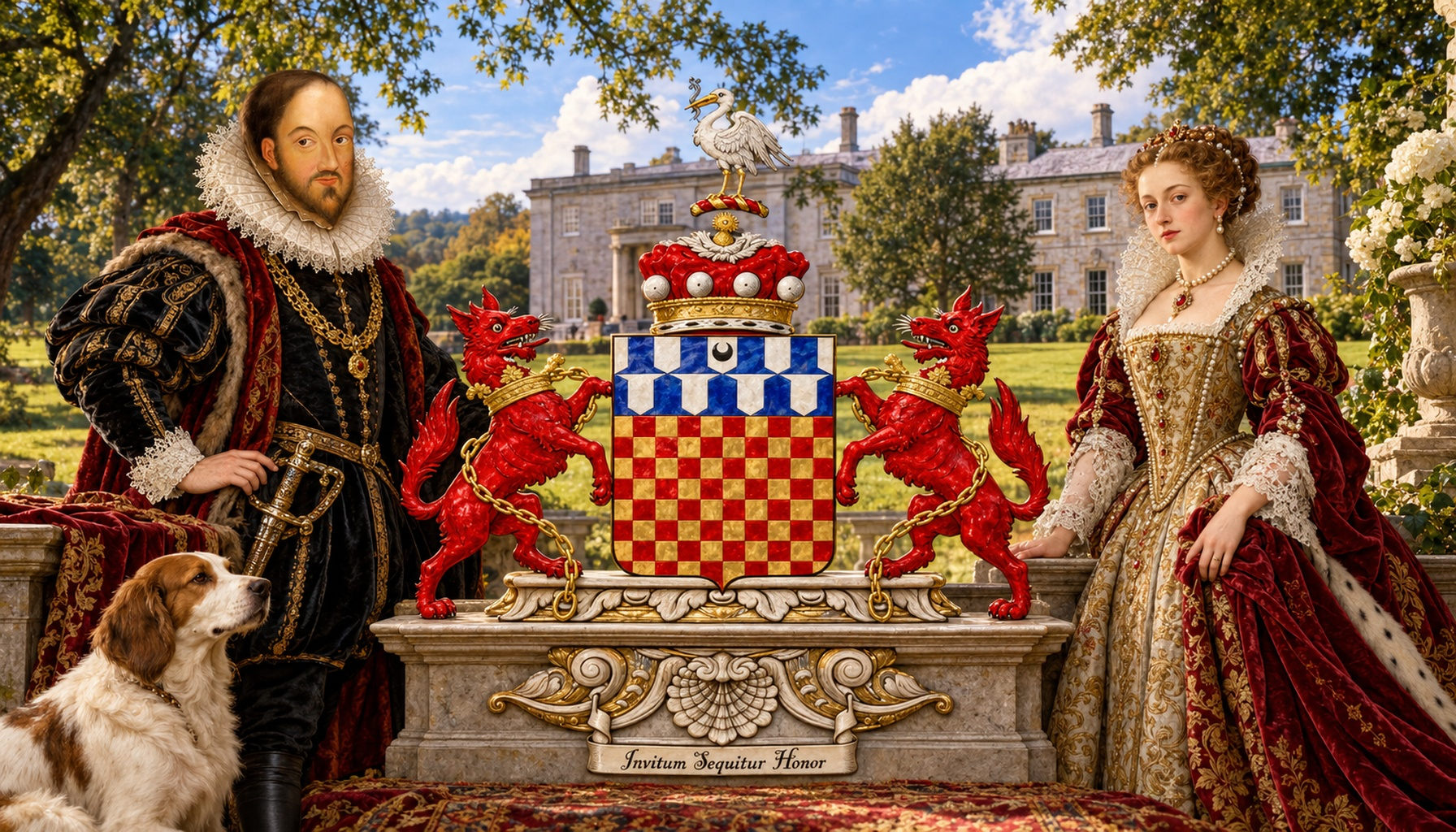
The family story in Ireland is tied to landholding, military power, and regional authority, particularly in Munster and around Fermoy in County Cork. Early figures such as Adam de Rupe, recorded in 1200, belong to that first era when Anglo-Norman families were turning grants, service, and fortification into long-term local power. Centuries later, David Roche, 1st Viscount Roche of Fermoy, created in 1635, shows how enduring that family presence had become. This is what makes Roche history so revealing: it is not just a tale of foreign arrival, but of adaptation, survival, and continuity across generations, where feudal lordship, Gaelic custom, heraldic identity, and local Irish allegiance all became entangled in the life of one lineage.
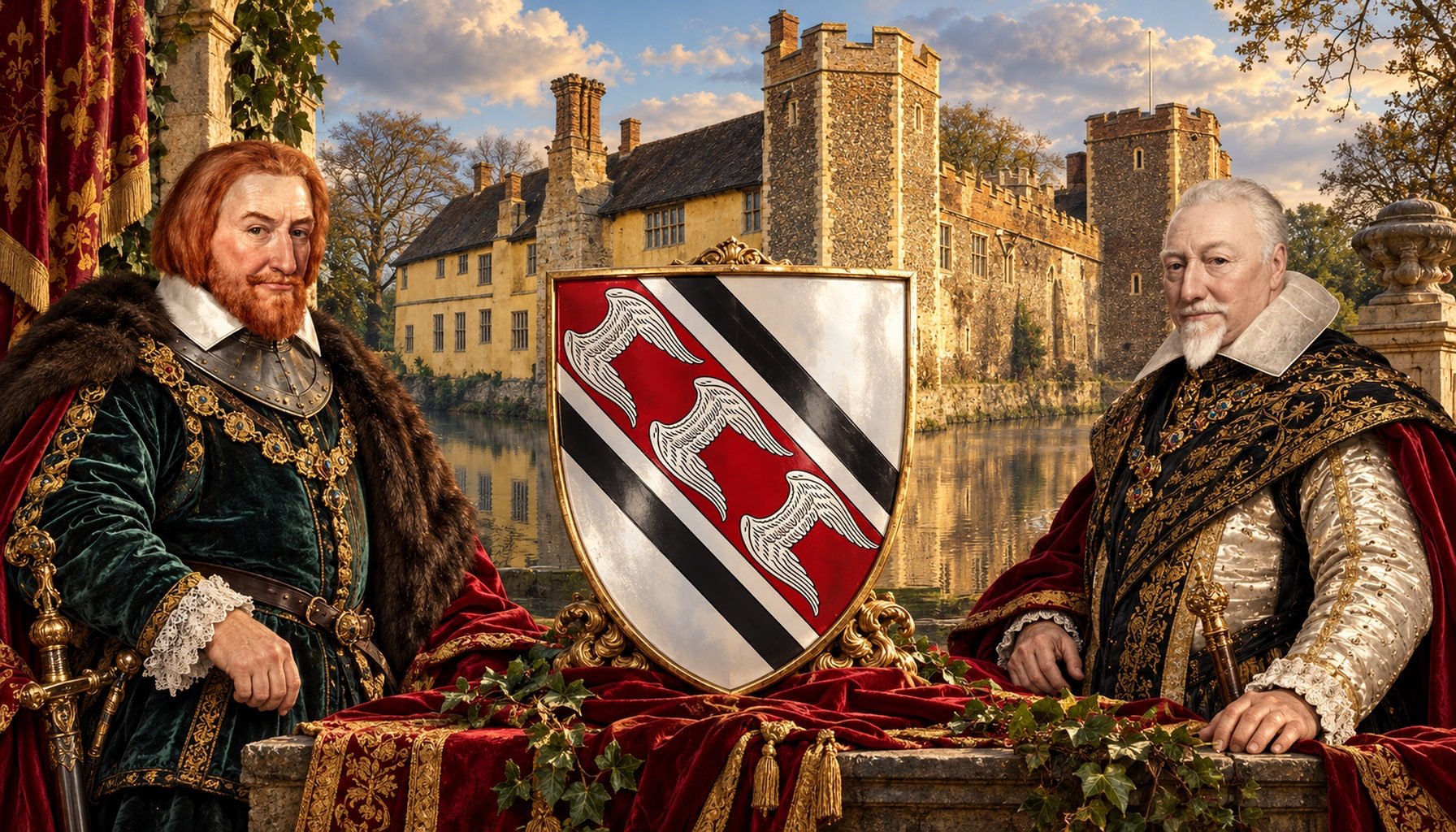
A key location anchor for Clan Roche is Blackwater Castle at Castletownroche in County Cork, on the River Blackwater. The site is associated with the Roche family and stands in a landscape that tells the larger story of Norman settlement in Munster: strategic river control, fortified residence, and the visible projection of lordship into the countryside. The present building incorporates later work, but the site itself has deep medieval roots and was long connected with the Roches of Fermoy. Like so many Irish castles, it is not simply a romantic ruin but a place where politics, defence, family ambition, and regional control came together in stone. Blackwater Castle is also known today as a historic house and venue, and it can still be visited in at least some form through events and public-facing activities, which gives modern visitors a rare chance to stand in a place still echoing with the layered history of the Roche name.
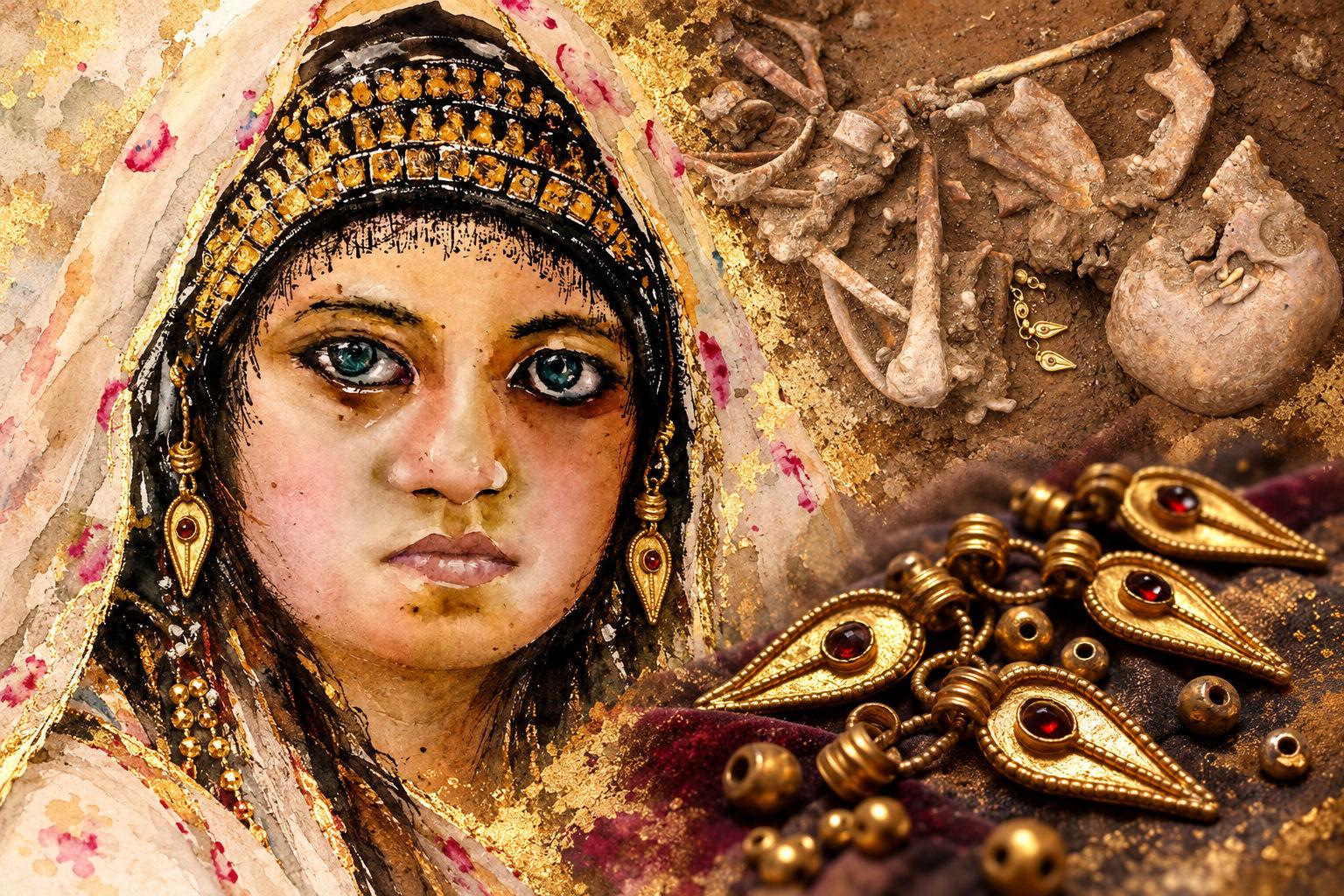
From a DNA perspective, the Roche haplogroup tag used here is E1b1b1a1a1c1b1. That does not mean we can simply draw a straight line from medieval Munster back to any one ancient individual, and it is important not to overclaim. But related or linked ancient samples carrying this broader line help place the haplogroup in a much wider human story. These include Phoenician-period Achzib, Coastal Israel, Acre sample I11794; several individuals from Kulubnarti in Makurian and Early Makurian Nubia, including I19015, I19138, I6336, I6252, I18514, I18610, and I18612; and Carthago Outlier, Roman Empire, sample R113. These linked samples show that this paternal lineage appears across a striking geographical range, from the eastern Mediterranean to North Africa and Nubia, reminding us that haplogroups track deep population history rather than surnames alone. In other words, the Roche story sits within both a very local Irish history and a much older, much broader human one.
If you carry the Roche surname, have Roche family roots, or are simply curious about how your own ancestry connects with deep history, you can upload your DNA to MyTrueAncestry and explore ancient samples, historical context, and genetic links in more detail. It is a fascinating way to place family history against the long backdrop of the past.
Comments