Clan Phelan
– 3 min read


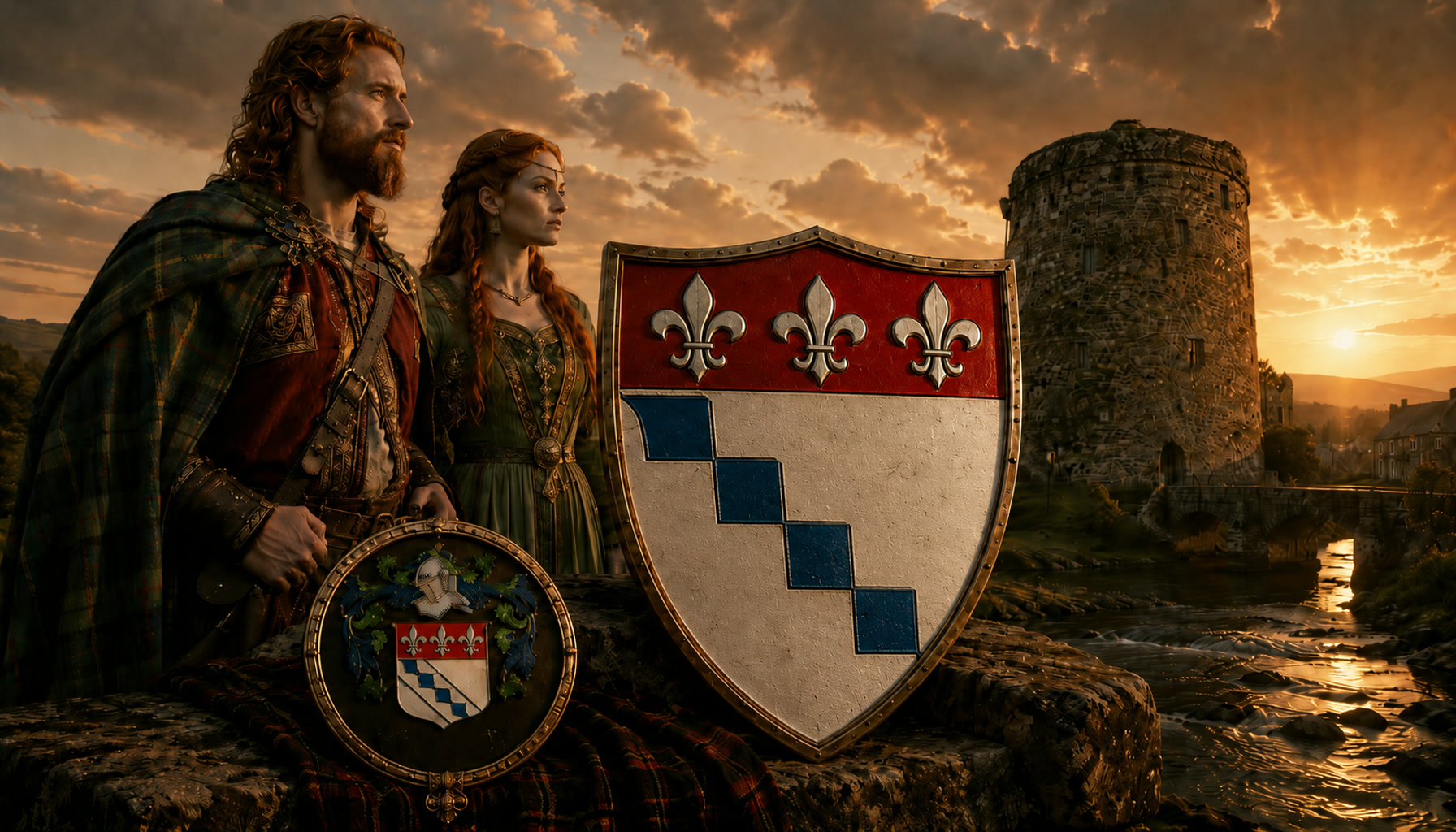
Clan Phelan was an Irish surname family of Gaelic origin, rooted in the older form O Faolain, a name commonly understood as carrying the sense of wolf or wolf-like descent. In the old Irish naming world, that mattered. A surname was not just a label; it was a public claim about kinship, remembered ancestry, and belonging to a landscape. The Phelans emerged from that Gaelic system of families, territories, and local loyalties that shaped medieval Ireland, and the name endured through conquest, anglicization, migration, and all the other historical pressures that so often tried to flatten Irish identity. The primary haplogroup linked here is R1b1a1b1a1a2c1a1b, a branch associated with wider Atlantic and western European paternal histories, and one that sits comfortably within the deep genetic story of Ireland and its neighboring regions.
Historically, the Phelan name is especially associated with the south-east of Ireland, above all County Kilkenny and the wider Leinster sphere, where Gaelic families operated within a world of lordships, church lands, fortified houses, marriage alliances, and stubborn local memory. The wolf symbolism attached to O Faolain is exactly the sort of thing that survives because it speaks to how families wished to be seen: resilient, independent, hard to uproot. A named figure such as Donogh Roe Phelan, recorded in 1350, reminds us that this is not just misty surname lore but a family visible in the medieval record. Clan Phelan, then, stands as a good example of the Irish surname tradition at work: ancestry made public, place turned into identity, and identity carried across generations.
One of the most evocative location anchors for the Phelan story is Foulksrath Castle in County Kilkenny, near Jenkinstown, a tower house landscape that still carries the feel of late medieval Ireland in stone. The castle is generally dated to the 15th century and is associated with the Purcell family, one of those Old English lineages that became deeply woven into the fabric of Kilkenny. That matters because Kilkenny was never a neat little box of one identity only; it was a region where Gaelic Irish, Hiberno-Norman, clerical, and local landed traditions all overlapped and competed. Foulksrath Castle, with its fortified domestic character, belongs to that world of defended residences, local authority, and regional status. It later had a varied afterlife and is well known today as a preserved historic site that has operated as accommodation, so yes, it can still be visited in a practical sense. For anyone tracing Phelan heritage, it offers something more valuable than a postcard ruin: a real architectural window into the social world in which families such as the Phelans lived, negotiated power, and preserved memory.
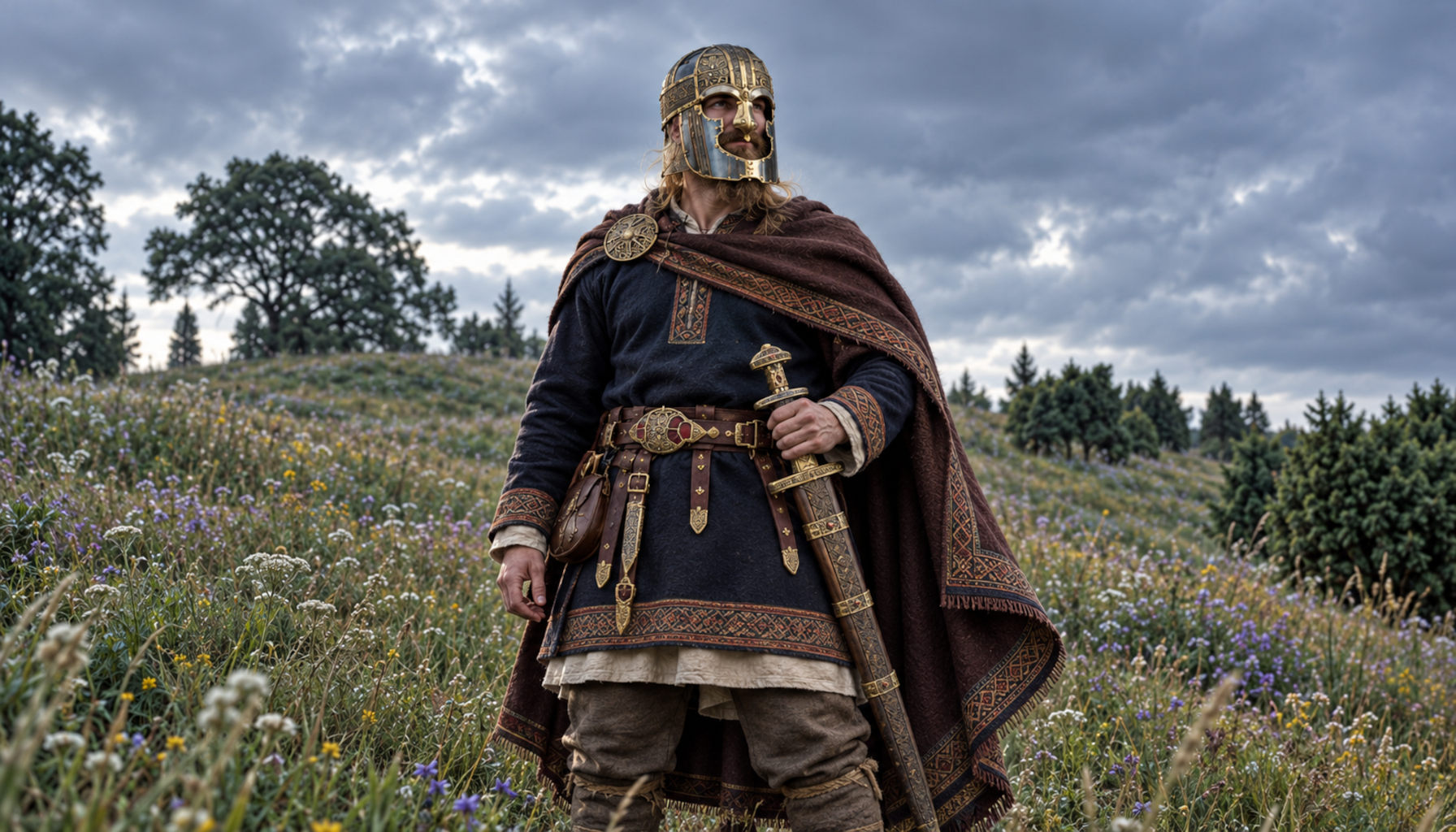
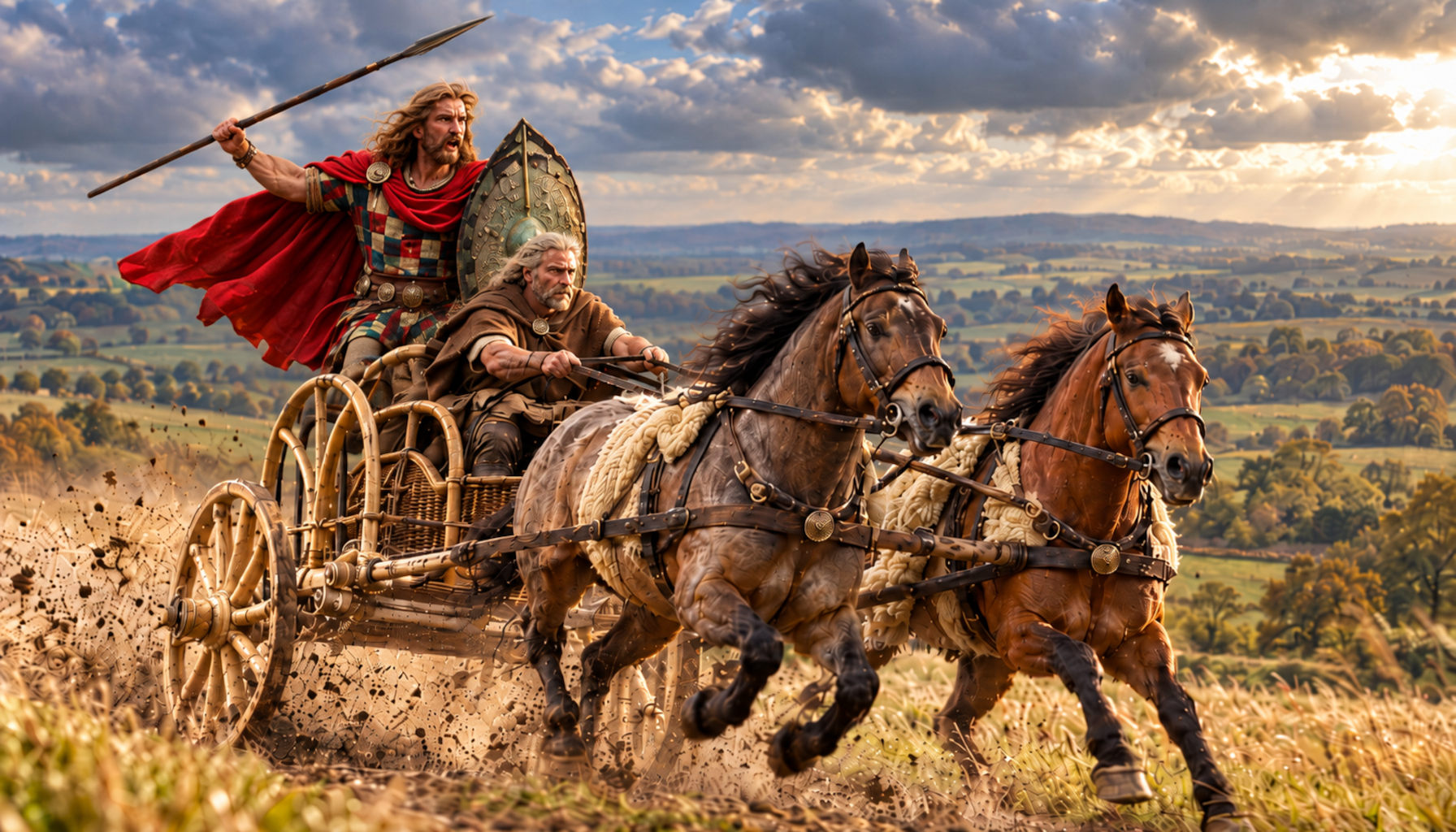
The haplogroup tag R1b1a1b1a1a2c1a1b links Clan Phelan into a broad and very old western European genetic horizon rather than to one neatly provable single medieval ancestor. That distinction is important. We should not claim direct descent from ancient samples without evidence. What we can say is that related or linked samples under this branch appear across a striking range of archaeological settings: Iron Age and Romano-British Britain, including many Celtic Durotriges individuals from Duropolis at Winterborne Kingston such as WBK12, WBK20, WBK29, WBK41, WBK05, WBK30, WBK43, WBK06, WBK08, WBK18 and WBK191; medieval and Dark Age northern Spain at Las Gobas, including ldo039, ldo052 and ldo242; Gallic and Belgic contexts such as Verona Seminario Vescovile, Bucy-le-Long and Parancot; and later medieval and early medieval contexts from Ireland, Britain, Belgium, Germany, Hungary, Croatia, Portugal, and beyond. A few especially relevant western and insular examples include Medieval Ireland Kilteasheen samples KIL025, KIL015 and KIL012, Iron Age Wales sample I5440, Pict-era Orkney samples CGG018915 and CGG018915x, Late Bronze Age Moray sample I2859x, and Bell Beaker and Bronze Age Britain samples such as I4950 and I2565. In plain English: the Phelan genetic story sits inside a deep Atlantic-world tapestry of Bronze Age, Iron Age, Celtic, post-Roman, and medieval populations, the very long human backdrop against which Irish clan identities later formed.
Explore ancient DNA and Celtic origins
If you carry the Phelan name, or suspect O Faolain roots somewhere in your family tree, this is exactly the sort of heritage that rewards both historical and genetic exploration. The records give you place, memory, and figures such as Donogh Roe Phelan; the DNA context adds the deeper prehistoric and early medieval background. Upload your DNA to MyTrueAncestry to see whether you match Clan Phelan or any related ancient DNA samples from Ireland, Britain, and the wider Celtic and Atlantic world.
Comments