Clan OLeary
– 3 min read


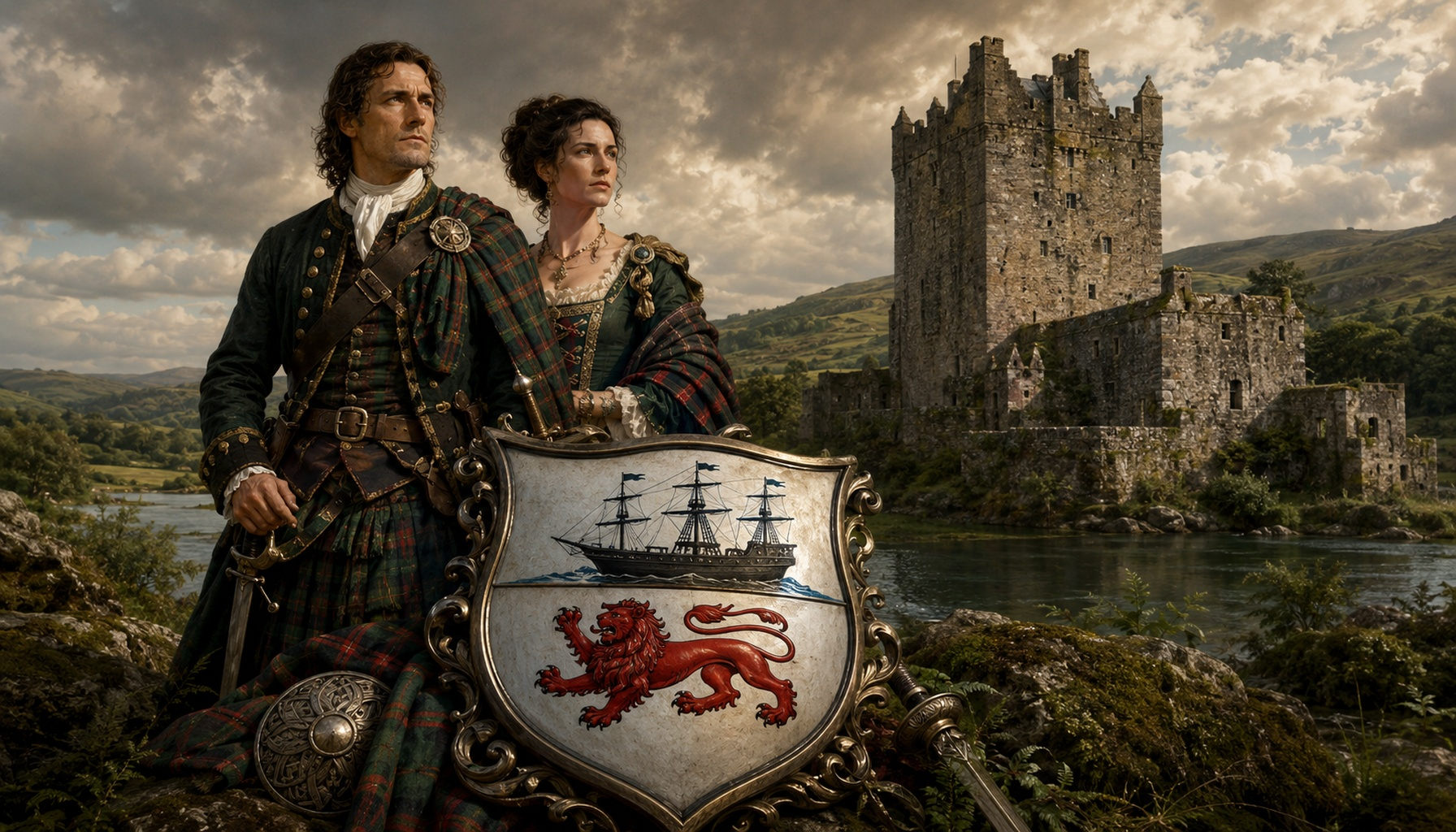
The OLeary family was a Gaelic Irish clan of Munster, descended from the older Irish name O Laoghaire, and remembered above all as a family rooted in the south-west of Ireland. In the long history of Irish kinship, a surname like OLeary was never just a label. It signalled descent, allegiance, territory, and the claim to belong to a known ancestral line. In genetic terms, the primary family haplogroup linked here is R1b1a1b1a1a2c1a3a2a1a2a1, a branch that sits comfortably within the wider story of Atlantic and Celtic western Europe.
Historically, the OLearys belonged to the Gaelic world of lordship, cattle, tribute, and local power, especially in the landscape of Munster and most particularly County Cork. Their name survived the sort of battering that Irish history handed out repeatedly: conquest, political upheaval, anglicization, confiscation, migration, and the slow pressure to adapt. Yet the surname endured, which is rather the point with Gaelic family names. They preserve memory. They keep alive the sense that a family came from somewhere specific, belonged to a regional order, and carried its identity through changing centuries. Tradition also links the wider ancestral story to figures such as Lugaid Mac Con, dated here to 173-203, a reminder of how Irish families often understood themselves through deep genealogical and semi-legendary time as much as through modern record keeping.
Read more about Clan MacCarthy
A useful location anchor for the family is Carrignacurra Castle in County Cork, a tower house associated with the OLearys and standing near the old territories that shaped their story. This is the kind of place that makes Irish clan history feel properly tangible: not an abstract pedigree, but stone walls in a worked landscape of fields, routes, woods, and river valleys. Carrignacurra is described as a late medieval fortified residence, built for a world in which local families needed both status and defence. Like many Irish tower houses, it combined domestic life with watchfulness, and it speaks to that very Gaelic and later Gaelic-Irish experience of holding ground in uncertain times. The castle survives in ruin, and the site is known and documented well enough that it can still be visited from the surrounding area, though visitors should sensibly treat it as a historic ruin rather than a fully serviced monument.
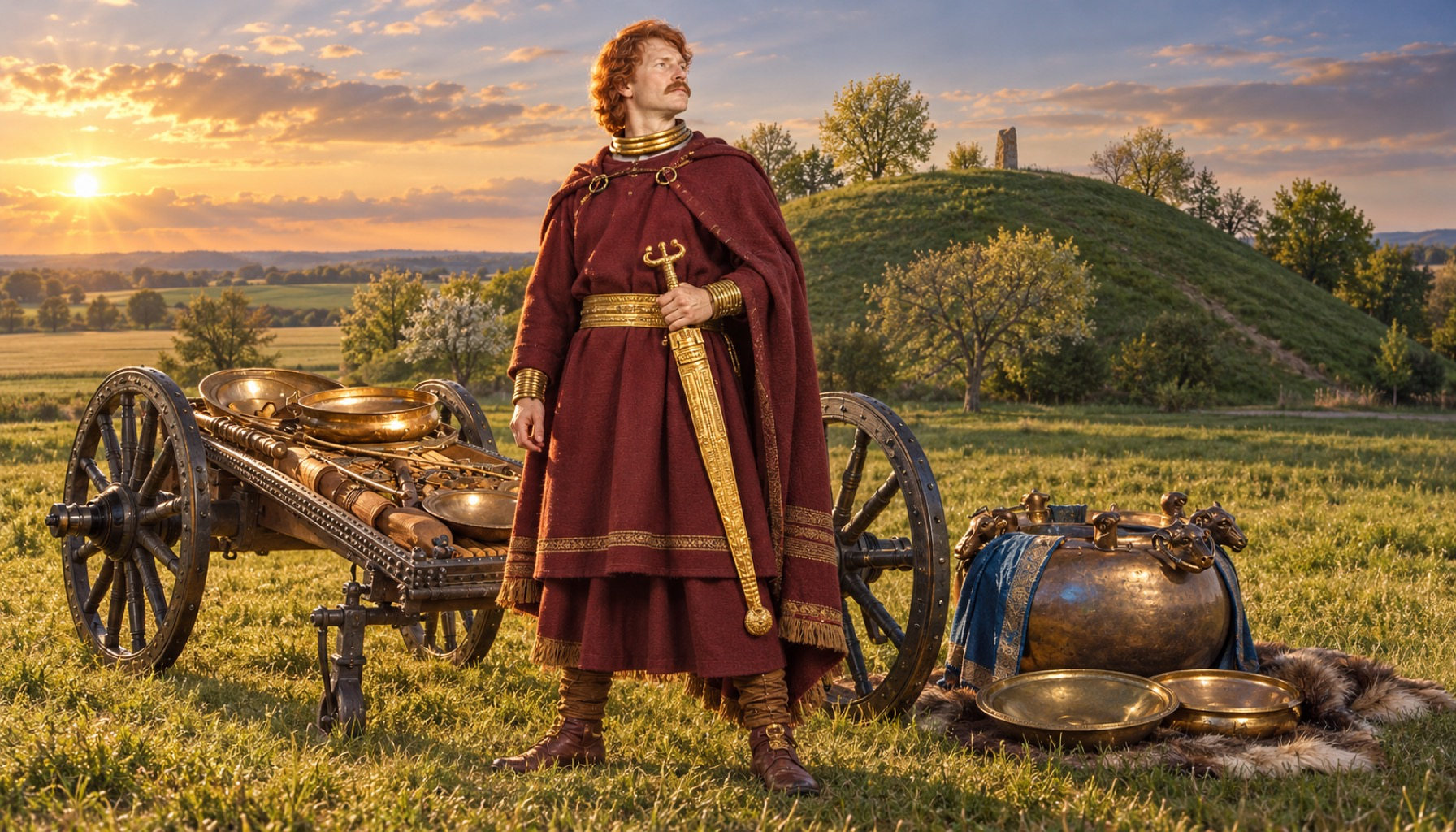
From an ancient DNA perspective, the haplogroup R1b1a1b1a1a2c1a3a2a1a2a1 links the OLeary story to a much wider patchwork of related ancient individuals across Britain and Europe. These are not claims of direct descent from named archaeological samples, but they are useful genetic signposts. Related or linked examples include several Celtic Durotriges individuals from Duropolis at Winterborne Kingston in England, such as WBK12, WBK20, WBK29, WBK41, WBK05, WBK30, WBK43, WBK06, WBK08, WBK18, and WBK191, alongside samples like Iron Age Worlebury Somerset England (I11991), Iron Age Hillfort Battlesbury Bowl England (I21309), Post Roman Era Worth Matravers Dorset England (I11580), Bell Beaker Wiltshire Upavon England (I4950), Bronze Age Amesbury Down Wiltshire England (I2417), Bronze Age Trumpington Meadows Cambridge England (I3256), Bronze Age Bedfordshire England (I7576 and I7577), Bronze Age Boatbridge Quarry South Lanarkshire Scotland (I5473), Celt Hinxton Iron Age (HI2), Early Bronze Age England Thames (I5377), Scotland Late Bronze Age (I2859), and Ireland Copper Age (Rathlin2B). Beyond the islands, linked examples also appear in places such as Imperial Roman Era Zadar Croatia (I26776), Late Roman Conimbriga Portugal (R10488), Late Roman Klosterneuburg Lower Austria (R10656), Early Medieval Belgium Sint-Truiden Groenmarkt (ST2025), Medieval Belgium Outsider Sint-Truiden Onze-Lieve-Vrouwekerk (ST1308), Gallic France Parancot (CGG023699), Merovingian Alt-Inden in Germany (IND013), Bronze Age Orkney Links of Noltland (KD061), and Bronze Age Calabria Grotta della Monaca Sant Agata di Esaro (GMO015). Taken together, they place this OLeary-linked haplogroup in a deep and mobile European story that stretches from Bronze Age networks to Iron Age Celtic communities and into Roman and medieval worlds.
Read more about Clan Ui Eidersceoil
If you carry the OLeary name, or suspect Munster Irish roots, uploading your DNA can be a fascinating way to explore whether you match this family story or related ancient DNA samples connected to haplogroup R1b1a1b1a1a2c1a3a2a1a2a1. It is one thing to read about Gaelic surnames surviving the centuries; it is another to test where your own line may fit into that larger human map of kinship, migration, and memory.

Comments