Clan McGrath
– 3 min read


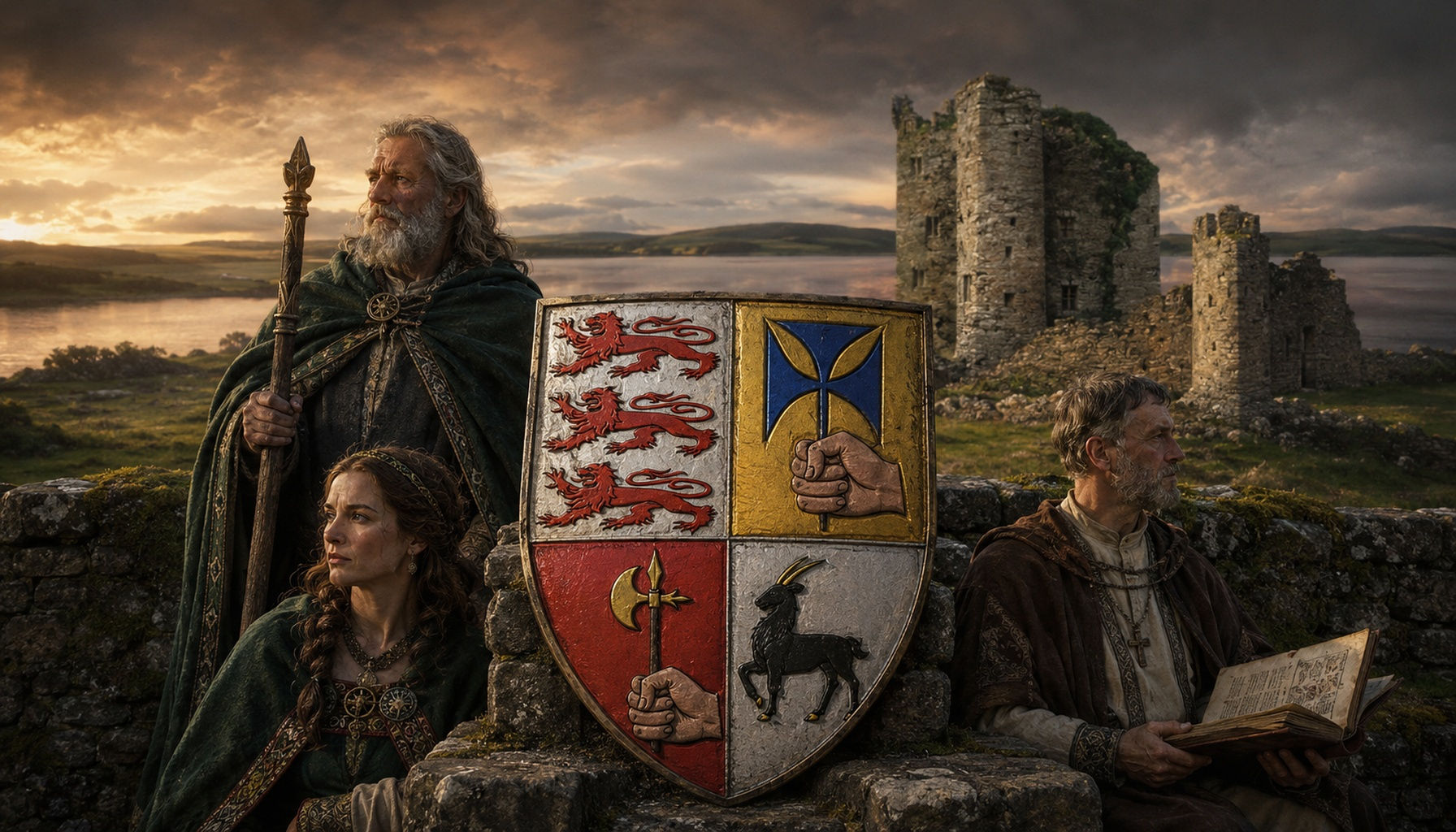
Clan McGrath, or Clann McGrath, was a Gaelic Irish family rooted in the world of hereditary learning, church service, and regional lordship, especially in Munster and later in places such as County Waterford, County Tipperary, and beyond. In the older Irish pattern, a family was not simply a surname on paper but a living network of kin, land, memory, and professional duty. The McGraths belong very much to that tradition: a clan associated with descent, faith, scholarship, and the long survival of Gaelic identity through turbulent centuries. Primary family haplogroup: R1b1a1b1a1a2c1a1a1a1a1a1a2.
Historically, the McGraths appear in a society where poets, clerics, judges, and advisors mattered enormously. Gaelic Ireland was not a world run only by warriors. It also relied on learned families who preserved genealogies, managed religious life, interpreted law, and carried cultural authority from one generation to the next. That is the richer backdrop for the McGraths. Early names linked with the wider family tradition include Echthighern Mac Cennetig (?-950) and Craith (970), figures that hint at very early roots in the Irish record, while Archbishop Miler McGrath (1523-1622) stands out as one of the most famous later members of the name, a churchman whose career unfolded in the complicated religious and political world of Tudor and early Stuart Ireland. If the McGraths seem to turn up in both Gaelic and church history, that is because the two were deeply intertwined.
One especially vivid location anchor for the clan is McGrath Castle, remembered in clan tradition and tied to the historic footprint of the family in the south of Ireland. The castle, as presented by Clan McGrath sources, stands as a reminder that Gaelic families expressed their status not only through names in annals and church office, but through fortified residences embedded in their local landscape. Like many Irish tower houses and castles, it belongs to that late medieval and early modern world of defended homes, kinship territories, and shifting alliances. Such places were never just military structures; they were family headquarters, symbols of continuity, and physical statements that a lineage belonged there. McGrath Castle can still be visited in the sense that the site survives as part of the historical landscape, and for anyone tracing McGrath heritage, it offers something invaluable: a real place where the story stops being abstract and becomes stone, setting, and memory.
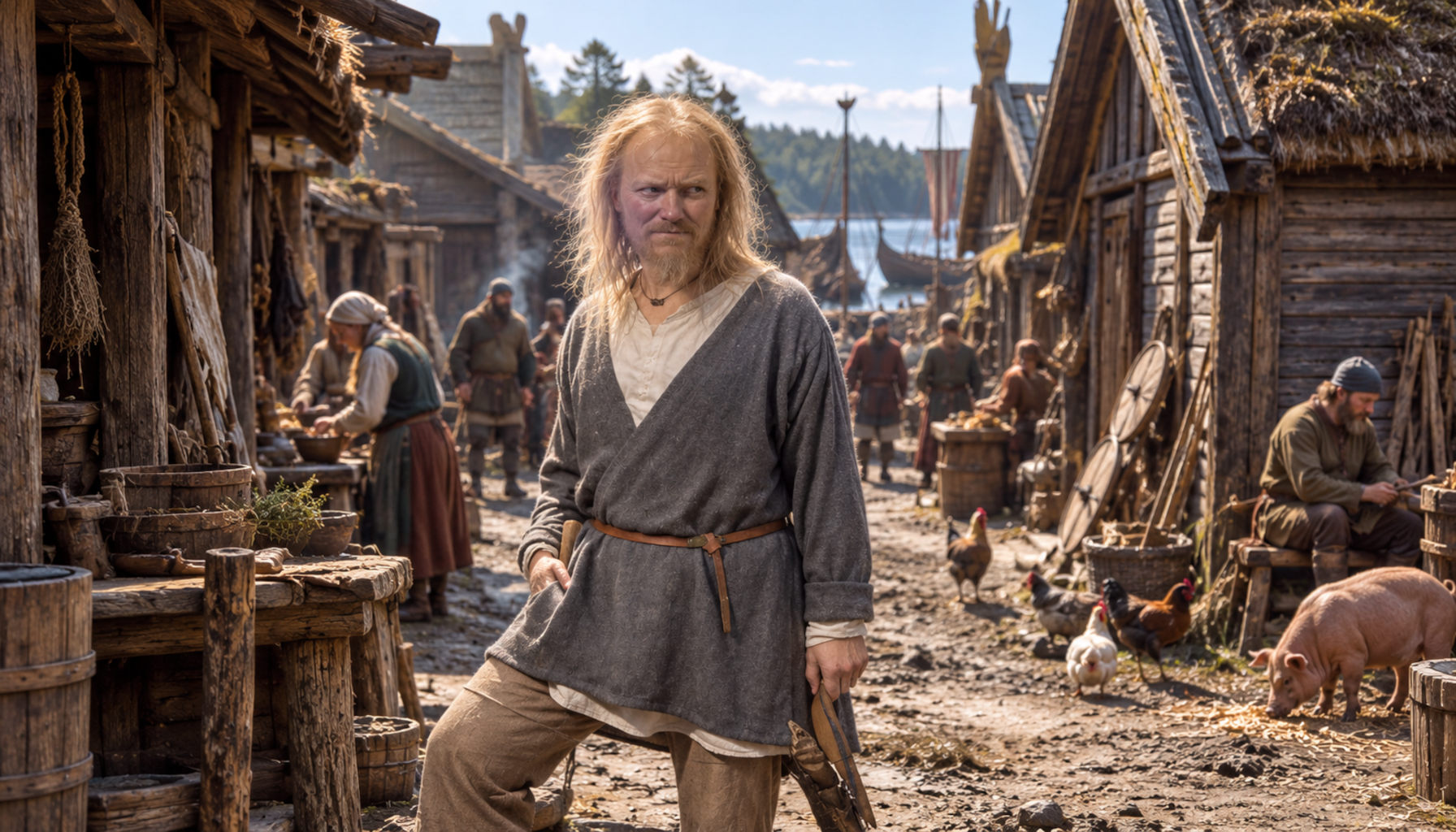
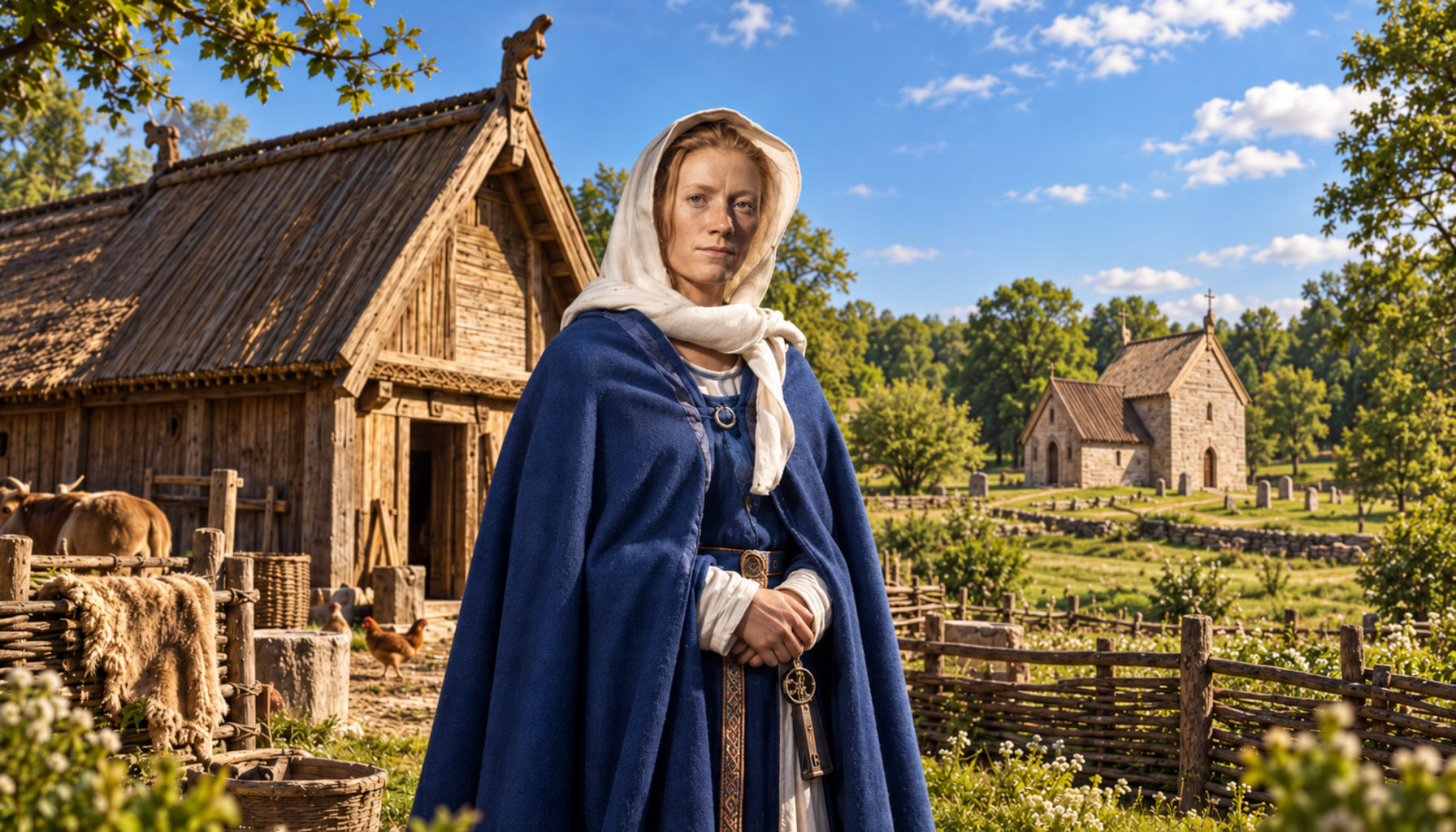
From an ancient DNA perspective, the McGrath story sits within a wider network of R1b-linked Irish and North Atlantic paternal lineages rather than a single provable line of descent from named ancient individuals. For the primary family haplogroup R1b1a1b1a1a2c1a1a1a1a1a1a2, related or linked ancient samples include a remarkable concentration from Medieval Ireland at Ballyhanna, County Donegal, such as Sk197an, Sk197y, Sk197q, Sk197am, Sk197s, Sk197ab, Sk197u, Sk197t, Sk197r, Sk197ad, Sk197x, Sk197n, Sk197aa, Sk197z, Sk197ak, Sk197w, Sk197ai, Sk197m, Sk197ah, Sk197ag, Sk197v, Sk197ac, Sk197al, Sk197af, Sk197ae, Sk197o, Sk197aj, HAN197x, Sk197a, Sk197b, Sk197c, Sk197d, Sk197e, Sk197f, Sk197g, Sk197h, Sk197i, Sk197j, Sk197k, Sk197l, Sk197p, and HAN197. Other linked medieval examples include Kilteasheen, Roscommon Bishops Seat samples KIL041, KIL044, KIL033, KIL037, KIL022, KIL009, and KIL014, alongside wider North Atlantic comparisons such as Viking Age Hofstadir Iceland VK95 and Medieval Age Faroe Islands Sandoy Church VK44. These do not prove direct descent from the McGraths, but they do place the family within a recognisably Gaelic and North Atlantic genetic landscape that fits the historical movement of people, clerics, and kindreds around medieval Ireland and its seaways.
Explore Faroese genomes and ancestry
The McGrath story is, in the end, a fine example of how an Irish family could endure by adapting without entirely losing itself. Names, castles, church service, scholarship, and kin memory all helped carry the clan through centuries of change. If you have McGrath roots, or simply suspect a connection to this Gaelic learned-family tradition, you can upload your DNA to MyTrueAncestry and see whether you match the family story or related ancient DNA samples from medieval Ireland and the wider North Atlantic world.
Comments