Clan McCorquodale
– 3 min read


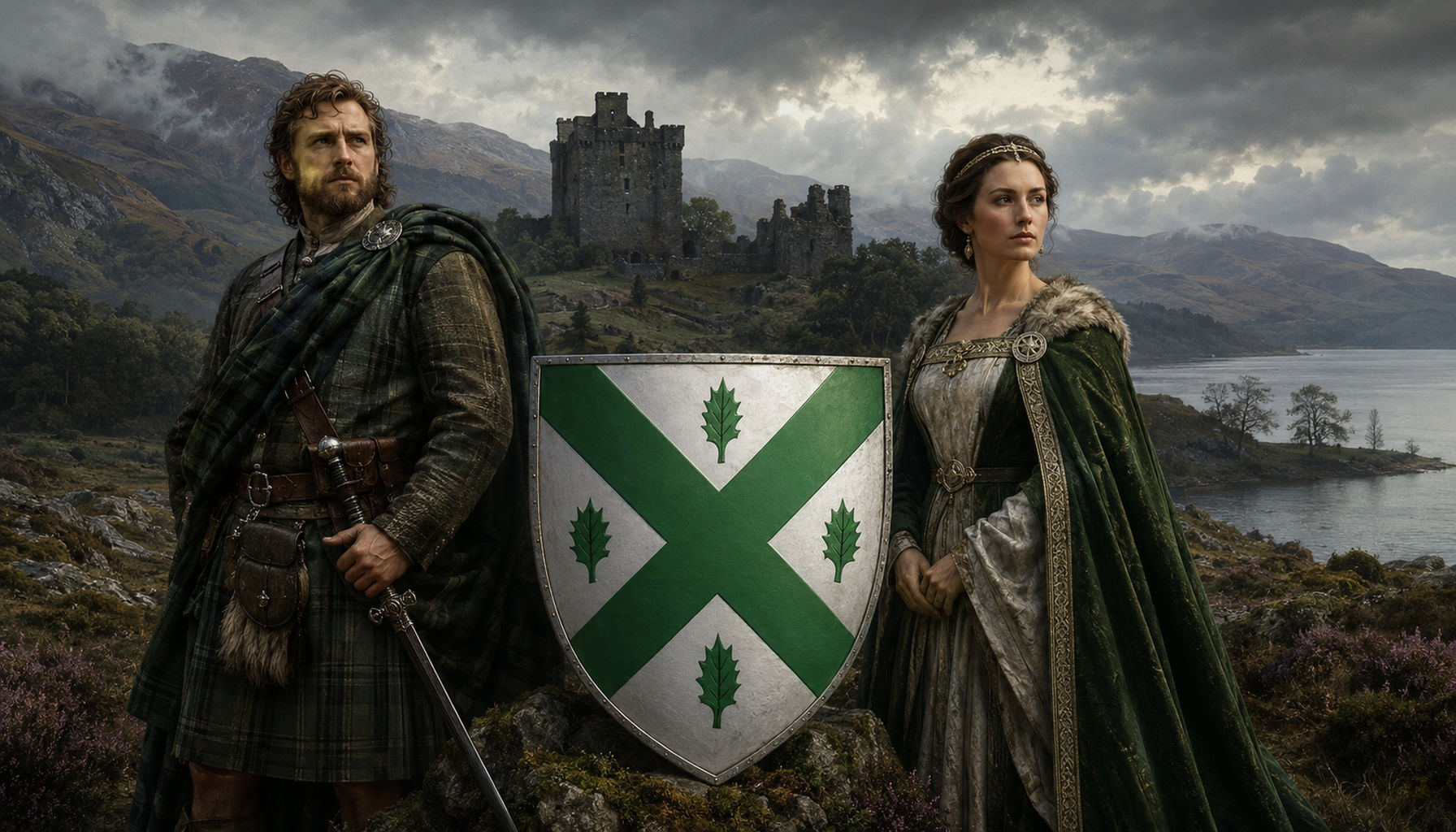
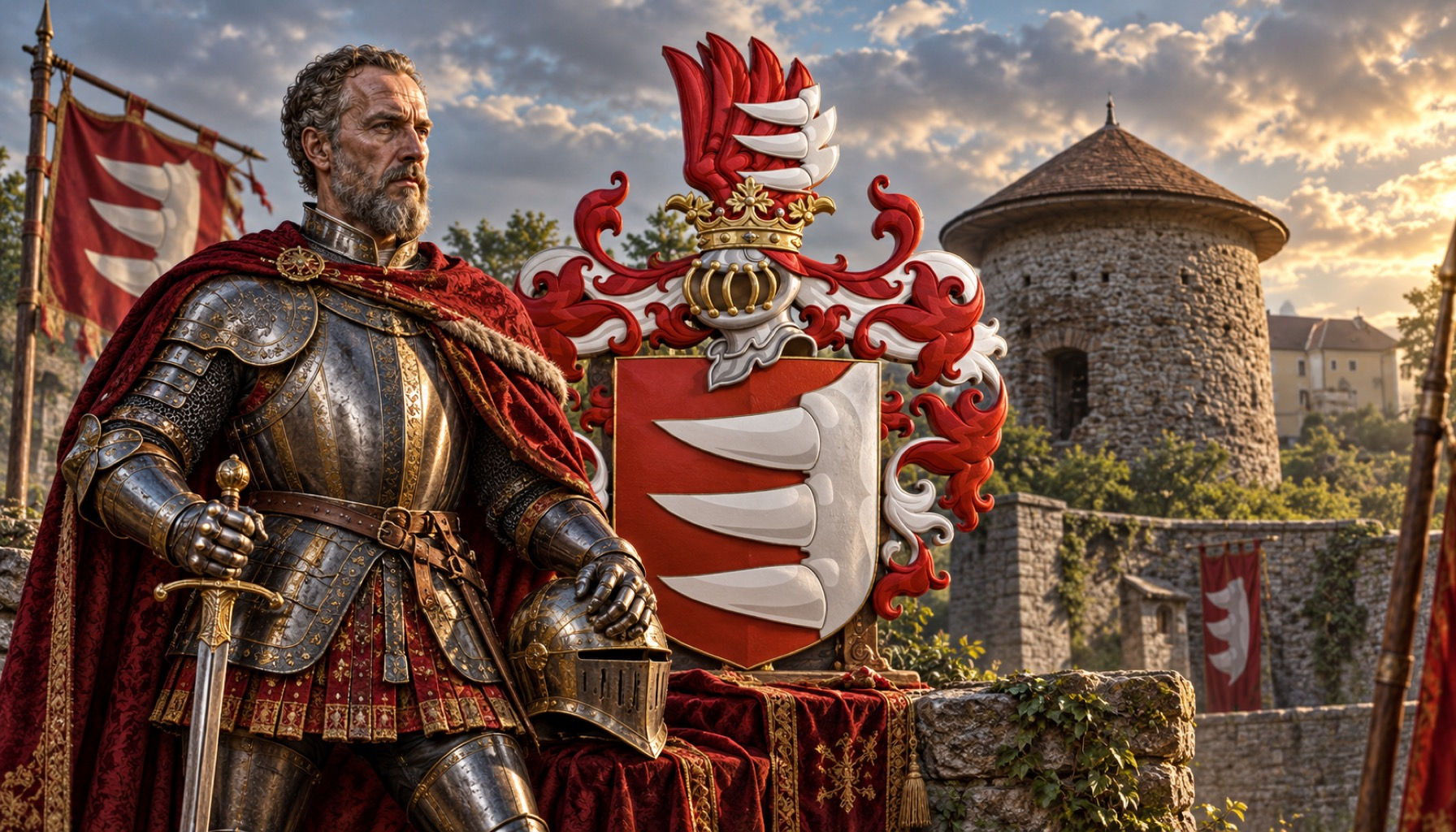
Clan McCorquodale was one of the old Highland families of Argyll, closely associated with Loch Awe and the Gaelic world of western Scotland. This was a clan shaped not by vast territorial empire, but by something much more recognisably Highland: kinship, local standing, remembered land, and the stubborn continuity of a surname. In that sense the McCorquodales fit a familiar and important pattern in Scottish history. The Highlands were never made only by the largest names. They were also made by smaller lineages whose authority was deeply local and whose identity endured through family memory, heraldry, and attachment to place. The primary haplogroup linked here is R1b1a1b1a1a2c1a5a2a1a3, within the wider R1b family so common across Atlantic Europe.
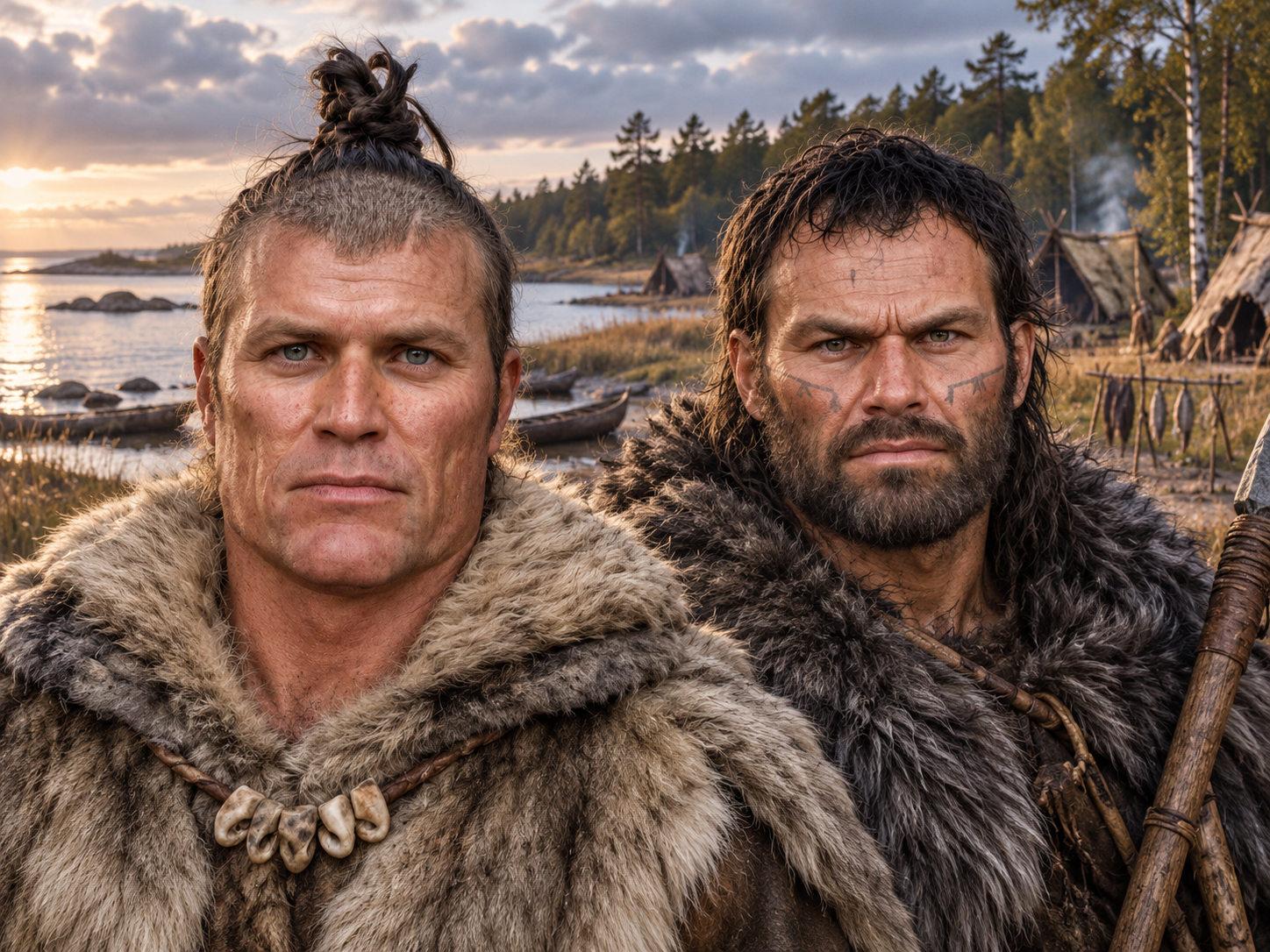
The family background sits in a richly layered historical setting. Argyll was a meeting ground of Gaelic lordship, Norse influence, church lands, lake settlements, and rival regional powers. A name like McCorquodale belongs to that complicated west-coast world, where ancestry and political survival were often intertwined. Their story reflects a society in which even a modest clan could preserve a strong sense of itself across generations. Among the figures remembered in early tradition is Thorkil, dated to around 841-850, a name that hints at the Norse-Gaelic currents moving through the western seaways in the early medieval period. That does not make the clan simply Viking or simply Gaelic; rather, it places them in the wonderfully entangled world from which much of Highland history emerged.
A particularly evocative location anchor for the family is Eilean-A-Bharain on Loch Tromlee, a small island site with the remains of a fortified dwelling or island castle. Sites like this matter because they show how power in the Highlands was often intimate in scale: not always a huge stone fortress dominating miles of countryside, but a defended residence embedded in loch, woodland, and local routes. The surviving remains suggest a once-inhabited stronghold on an islet, the sort of place that offered security, visibility, and symbolic command over the surrounding district. It is exactly the kind of setting that suits the memory of a smaller but durable Highland lineage. The atmosphere is still there even now, with the island and its ruins preserving that distinctly western Scottish combination of beauty, defensibility, and ancient family association. It appears to remain a visitable place in the landscape, at least from the surrounding area and by those exploring the loch setting reasonably and responsibly.
From a DNA perspective, the primary haplogroup associated here is R1b1a1b1a1a2c1a5a2a1a3. We should be careful and sensible: ancient samples do not prove direct descent from Clan McCorquodale itself. What they can show are deeper paternal line links and related genetic branches moving through Britain and Ireland over long stretches of time. Relevant linked samples include Early Anglo Saxon Cemetery, West Heslerton, Yorkshire, England (I11586), Celtic Briton Carsington Pasture Cave, Derbyshire, England (I12775), Celtic Briton Lechlade-on-Thames, Gloucestershire, England (I12783), Celtic Briton Bradley Fen, Cambridgeshire, England (I11156), Iron Age Greystones Farm, Gloucestershire, England (I12785), and the Ireland Copper Age sample Rathlin1B. Taken together, these samples point to a deep northwestern European story in which related R1b paternal lines appear across Iron Age, Romano-British, early medieval, and prehistoric contexts. For a Highland clan like McCorquodale, that is less a neat straight line than a long ancestral backdrop: Britain and Ireland peopled over millennia, with family identities later crystallising in the Gaelic lordships of places like Argyll.
Read more about Clan MacNaughten
If you carry the McCorquodale name, have roots in Argyll, or simply suspect a connection to the Highland west, DNA can add another layer to the story. Upload your DNA to MyTrueAncestry to see whether you match Clan McCorquodale, this haplogroup branch R1b1a1b1a1a2c1a5a2a1a3, or related ancient DNA samples from Britain and Ireland.

Comments