Clan Maule
– 2 min read


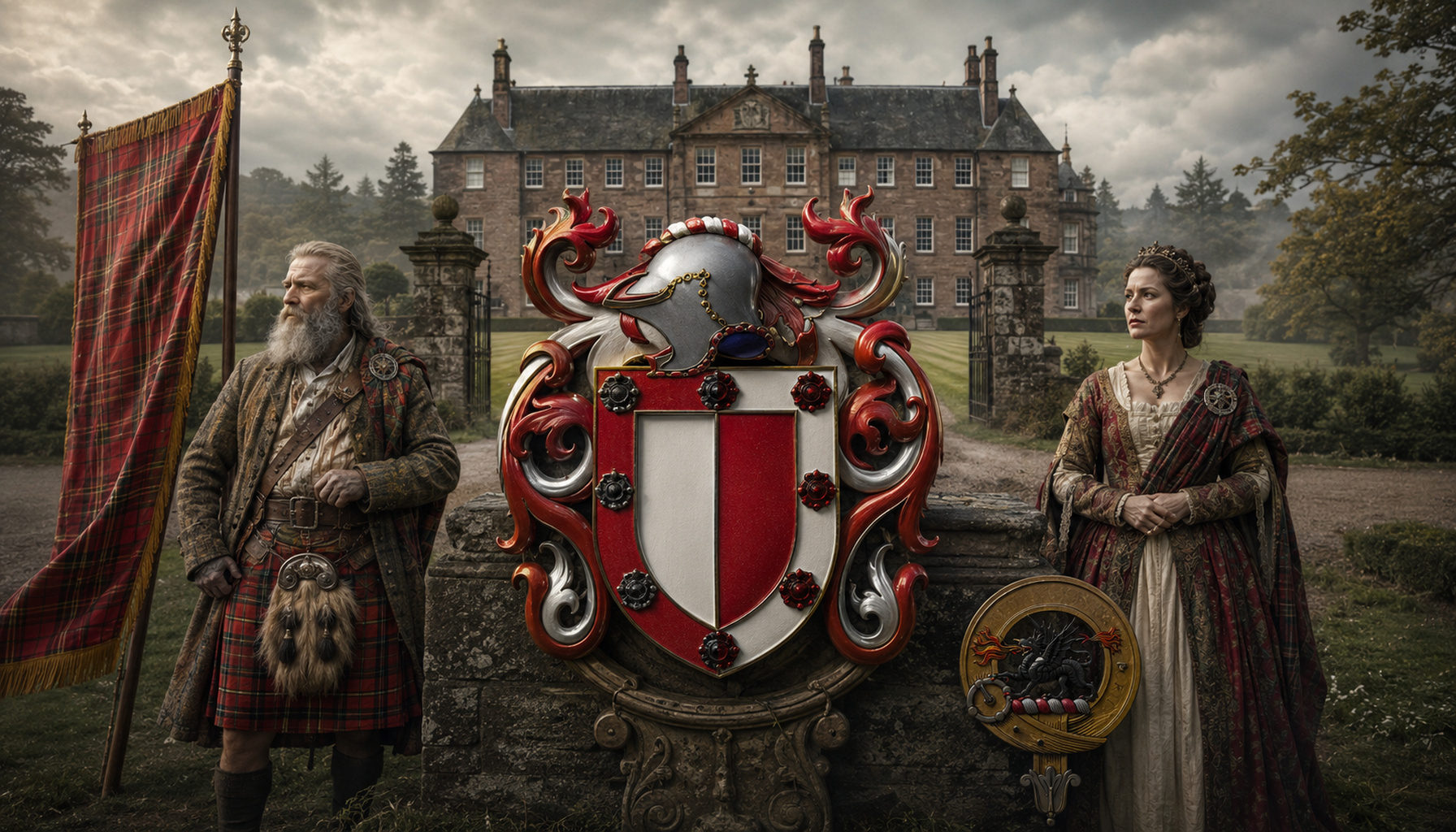
Clan Maule was one of those solidly rooted Lowland Scottish noble families whose story is less about wild frontier legend and more about land, office, memory, and endurance. Their historical heart lay in Angus, and their identity grew out of estate continuity, aristocratic service, marriage alliances, and the kind of public duty that helped knit medieval and early modern Scotland together. In haplogroup terms, the primary family line is tagged here with R1b1a1b1a1a2b1c2b1a2, a branch within the wider and very widespread R1b world often seen across western Europe.
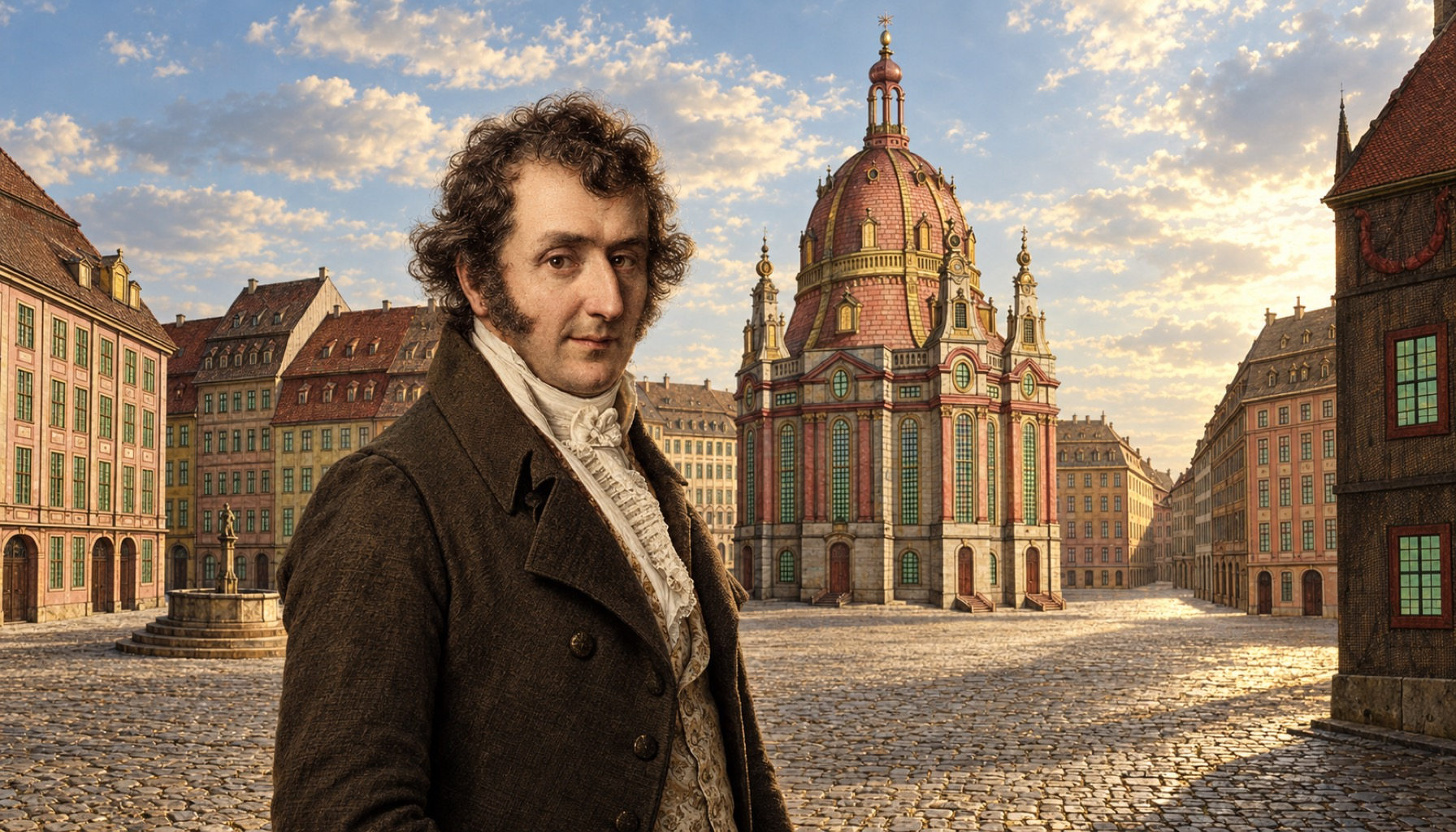
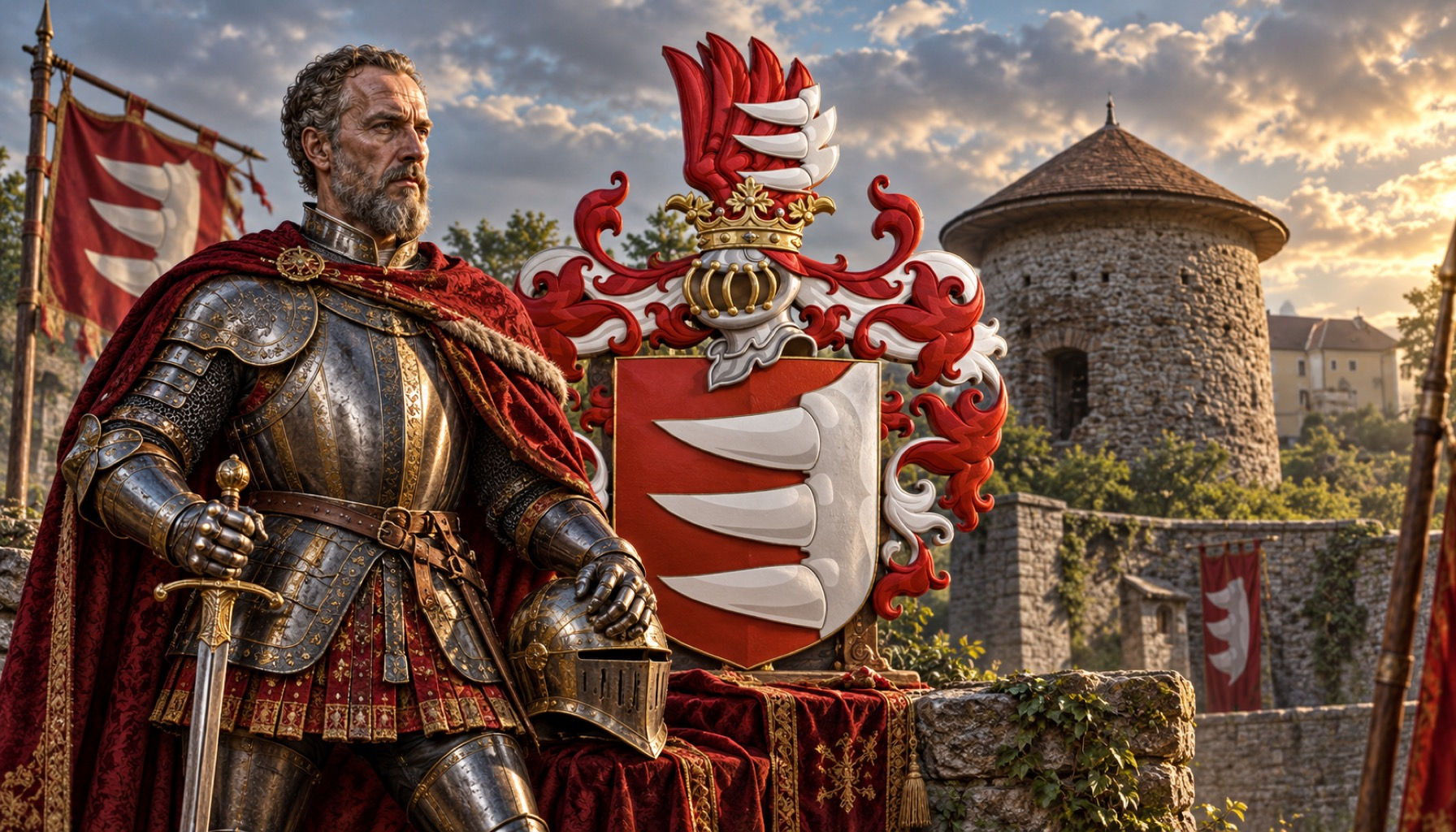
The Maule name is deeply tied to the old landed order of eastern Scotland, where authority was exercised as much through charters, stewardship, and local influence as through warfare. That is worth pausing over, because it tells us what sort of clan this was. The Maules are a fine example of the Scottish landed-noble pattern: territorial roots, heraldic prestige, service to crown and country, and the careful management of status across generations. Figures such as Sir William Maule of Panmure (1300-1355) stand in the medieval phase of that story, while George Maule, 4th Earl of Panmure (1700-1782), belongs to its later aristocratic world, when noble power had become ever more entangled with national politics, estate management, and elite society.
The great location anchor for Clan Maule is Panmure Castle, near Monikie in Angus, and it is hard to overstate its importance to the family's historical identity. The castle was built in the 14th century, traditionally by Sir William Maule, and became the chief seat of the Maule family and later the Earls of Panmure. Architecturally, it belongs to that long Scottish story of fortified lordly residences that were at once defensive, symbolic, and domestic. Over time Panmure was altered and extended, reflecting changing tastes and changing needs, but it remained above all a statement of territorial permanence. This was not merely a house; it was the visible centre of Maule authority, the place where lineage, landholding, heraldry, and local memory met. Today the ruins still stand, and while access can depend on local arrangements and site conditions, Panmure Castle can still be visited in a reasonable sense as a surviving historic site in Angus, which gives Maule descendants and history-minded travellers a direct physical link to the family's world.
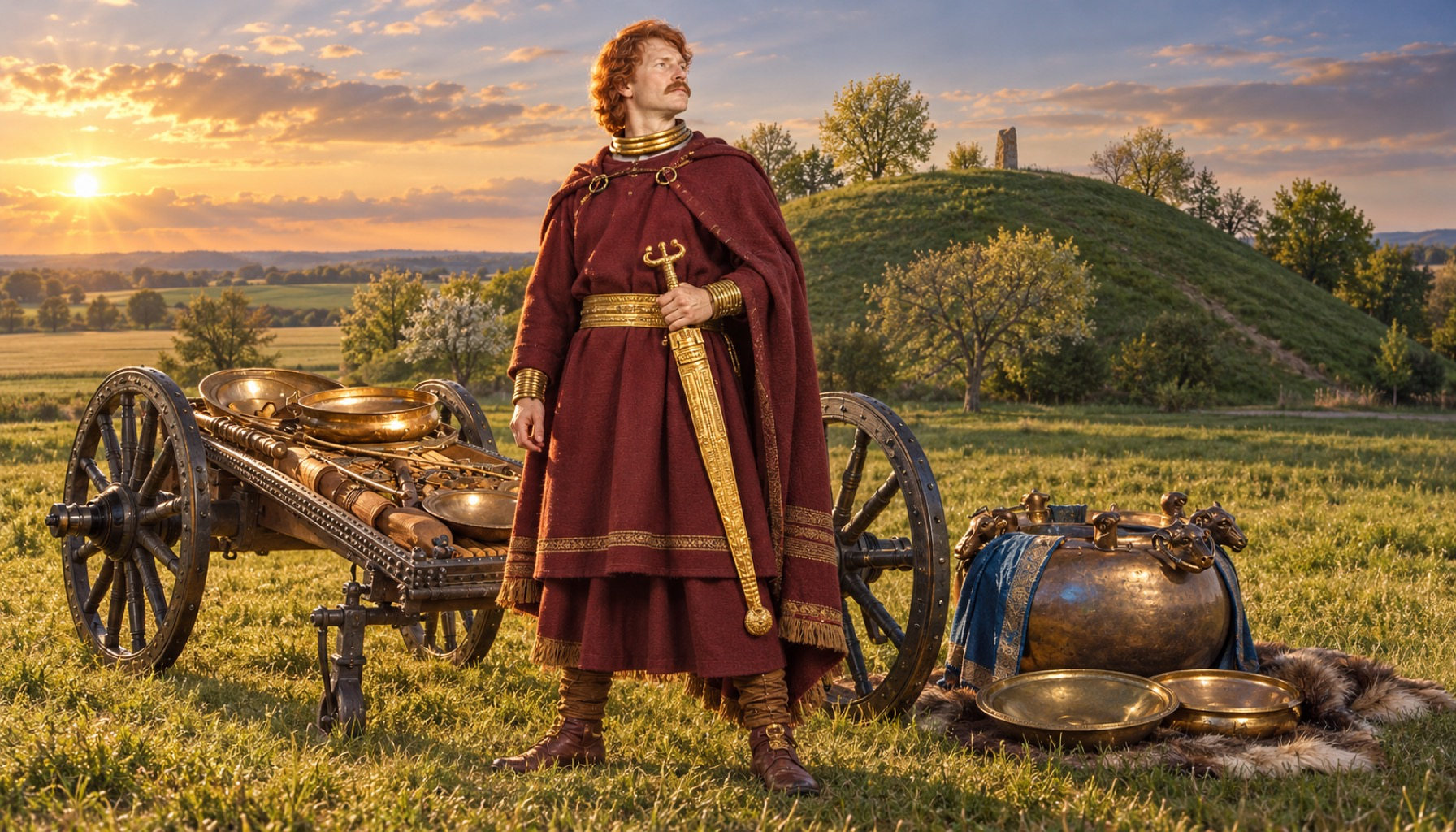
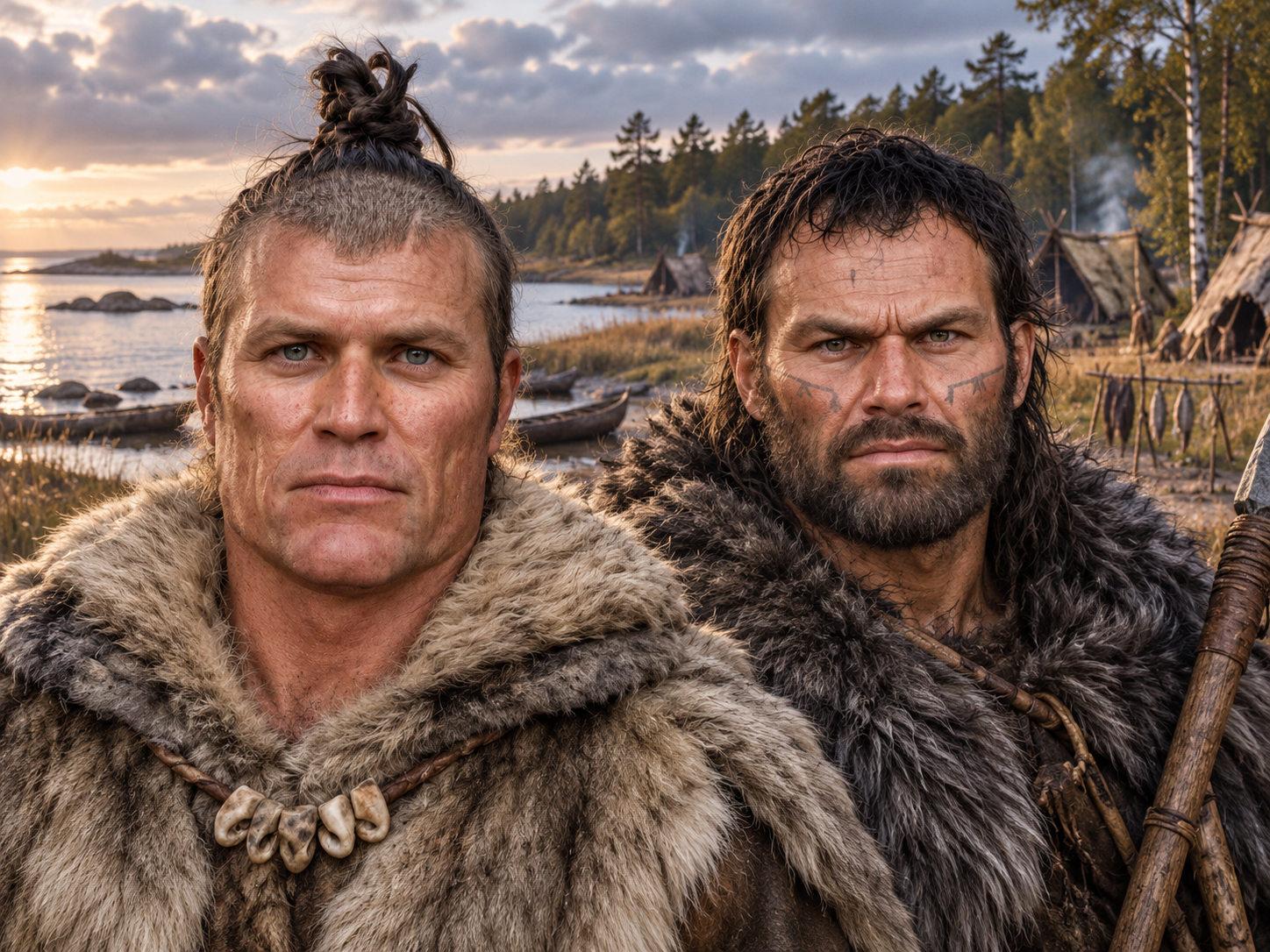
From an ancient DNA perspective, the Maule haplogroup tag R1b1a1b1a1a2b1c2b1a2 links the family to a much older and wider paternal landscape stretching across parts of Iron Age and later Europe. Related or linked samples include Historic St. Mary City Chapel Field Cemetery, Maryland (I15299), Gallic France Sequani Tribe Parancot (CGG023702), Early Iron Slovenia Dolge Njive Hill Fort (I5685 and I5687), Pre Illyrian Bronze Age Croatia Bezdanjaca Cave (I18072), Iron Age Hillfort Croatia Kriz Brdovecki Sava Valley (I5725), and Heneti Italic Tribe Grottuna dei Covoloni del Broion, Italy (BRC003). These do not prove direct descent from any one individual, of course, but they do show how a Maule-linked paternal signature belongs to a deep European story of mobility, continuity, and local adaptation across many centuries before the surname itself ever appears in Scottish records.
Explore the Royal House of Stewart
If you carry Maule ancestry, or simply suspect a connection to the old noble families of Angus and Lowland Scotland, DNA can add another layer to the paper trail. Uploading your results can help you see whether you match Clan Maule, its haplogroup network R1b1a1b1a1a2b1c2b1a2, or related ancient DNA samples from across Europe and beyond.

Comments