The House of Curiel
– 3 min read


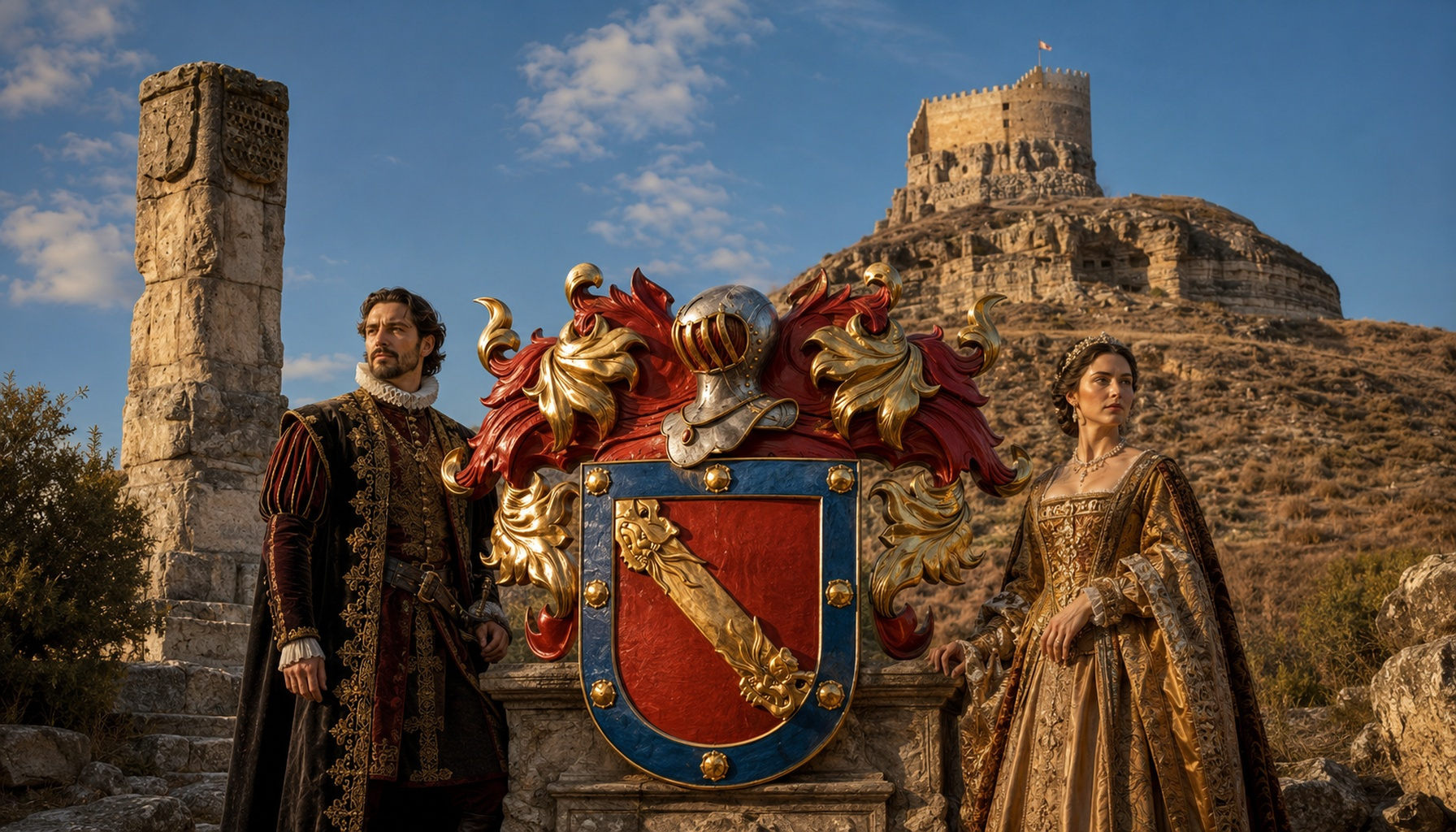
The House of Curiel was an Iberian noble and Sephardic-origin family house associated above all with Spain and Portugal, and with a wider world that stretched far beyond any single town or kingdom. Its heritage is often framed through scholarship, diplomacy, commerce, public service, and those remarkable family networks that linked Iberia to other parts of Europe and the Atlantic world. In haplogroup tagging terms, the primary family haplogroup linked here is E1b1b1b2a1a1a, a lineage with a long and wide history across the Mediterranean and Near Eastern worlds, which sits rather neatly with the Curiel story of movement, adaptation, and continuity.
The name Curiel points back to Castilian roots, especially the historic settlement of Curiel de Duero in the province of Valladolid, in the old heartland of medieval Castile. But this was never only a local landed story. The Curiels belong to that distinctly Iberian-Sephardic pattern in which family identity could survive upheaval through learning, office-holding, mercantile skill, and memory. In periods marked by conversion pressures, expulsions, shifting crowns, and changing trade routes, families like this did not simply vanish; they reassembled themselves across frontiers. That is why Curiel heritage feels so cosmopolitan. It is not merely about a castle, a coat of arms, or a patch of land, but about a lineage that remained visible through intellect, service, and mobility. Among the notable figures linked to the family are Israel ben Meir di Curiel (1501-1573), a learned figure of the Sephardic world, and Juan Curiel (1690-1775), a prominent Spanish official remembered in the sphere of state service and administration.
Read more about the Carvajal Family
The great place-name anchor for the family is the Castle of Curiel de Duero, dramatically set above the Duero valley. Its history reaches deep into the medieval contest zone of Christian and Islamic Iberia, where fortifications were not decorative afterthoughts but statements of control, survival, and prestige. The site preserves traces of very early occupation and later became an important stronghold in the kingdom of Castile. Over the centuries it was associated with noble power, regional administration, and the kind of strategic oversight that mattered enormously in a landscape of vineyards, river routes, and rival jurisdictions. In other words, this is exactly the sort of place where a family name could become fused to geography and then carry that prestige outward, even when descendants or related branches became more urban, courtly, commercial, or diasporic. The castle has also undergone restoration and today functions as a heritage destination, so yes, it can still be visited, which is rather marvelous: a family story that began in a fortified hilltop landscape can still be encountered in stone.
Explore the Genetic History of Portugal
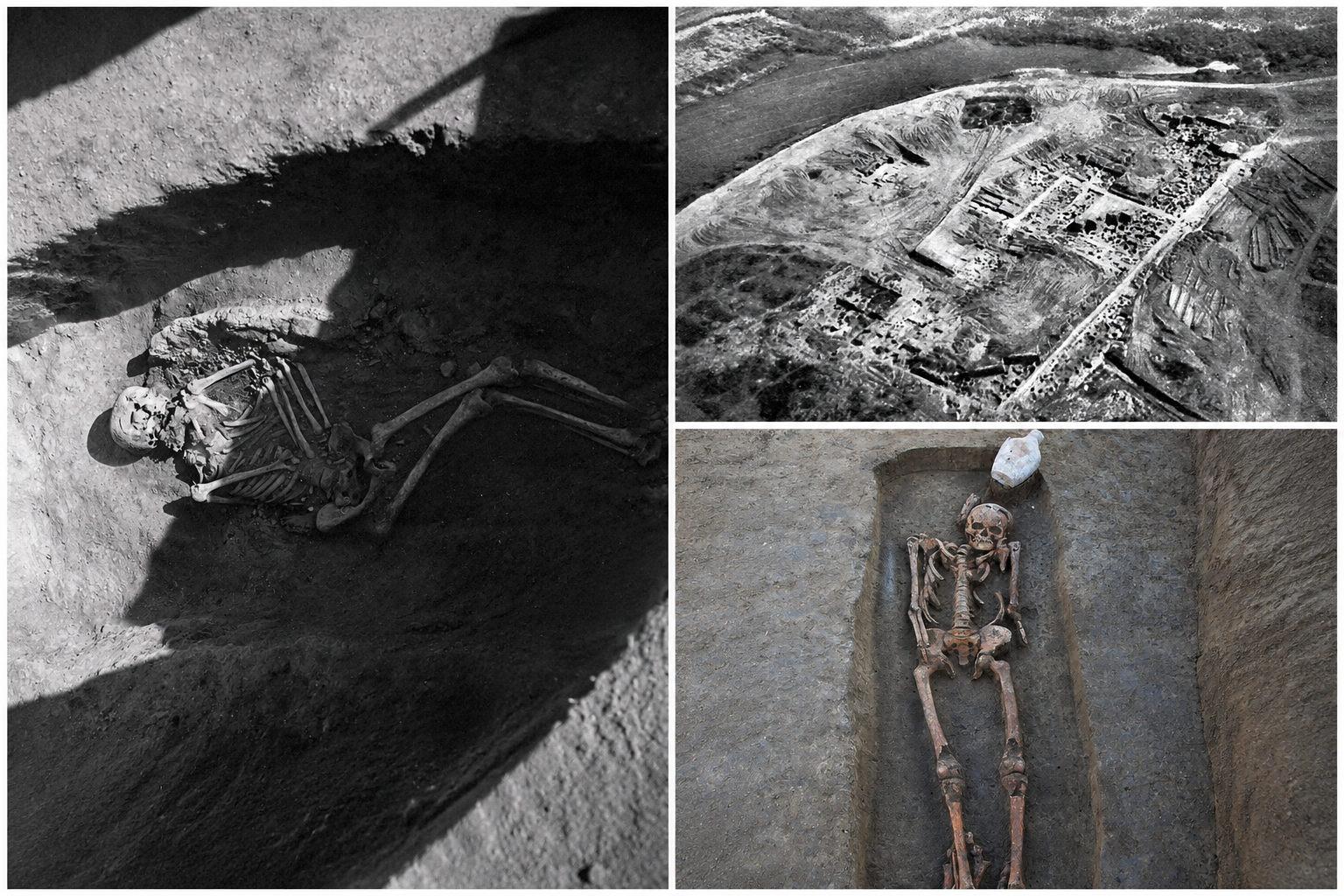
From an ancient-DNA point of view, the Curiel haplogroup tag E1b1b1b2a1a1a connects the family to a much older and broader human map rather than to one simple origin point. Related or linked samples carrying this branch or nearby connections appear across an impressively wide span of time and place: Late Roman Empire Viminacium Serbia Pirivoj Necropolis (I15502), Post Roman Period Pannonia Arrabona Menfocsanak Barbaricum Hungary (MFC017), Late Bronze Age Armenia Nerkin-Getashen Gegharkunik Province Martuni (RISE423), Middle Bronze Age Ebla Tell Mardikh Syria (ETM010), Hellenic-Carthaginian Sicily Italy Marsala (I21968), Medieval Portugal Umayyad Caliphate Loule Quinta da Boavista (LP115_6), Early Medieval France Burgundy Camp du Chateau (CGG023722), Elite Grave I Late Bronze Age Canaanite Megiddo (I10769), Elite Grave II Late Bronze Age Canaanite Megiddo (I10770), Aramaean Anatolia Nevali Cori (NEV030), Early Bronze Age Southeast Anatolia Tatika (I4614), Parthian Empire Armenia Sarukhan (I20444), Bronze Age Armenia Beniamin (R11675), Iron Age Alai Nura Burial (ALN008), Medieval La Palma Sardinia (I12221), and Skeleton Lake Sindhi Worshipper (I3346). None of these should be read as direct ancestors of the Curiel family. Rather, they show the deep historical range of lineages linked to this haplogroup family across the Mediterranean, Near East, Caucasus, and parts of Europe, which suits the Curiel story rather well: rooted in Iberia, but never culturally or historically confined to it.
Explore Medieval Jewish DNA in Catalonia
If you are curious about Curiel heritage, this is exactly where family history becomes especially interesting: not as a flat surname tale, but as a story of castles, courts, trade, religion, exile, learning, and survival across centuries. Upload your DNA to MyTrueAncestry to see whether you match the House of Curiel or any of the related ancient DNA samples linked to haplogroup E1b1b1b2a1a1a.
Comments