The Princely House de Dreux
– 3 min read


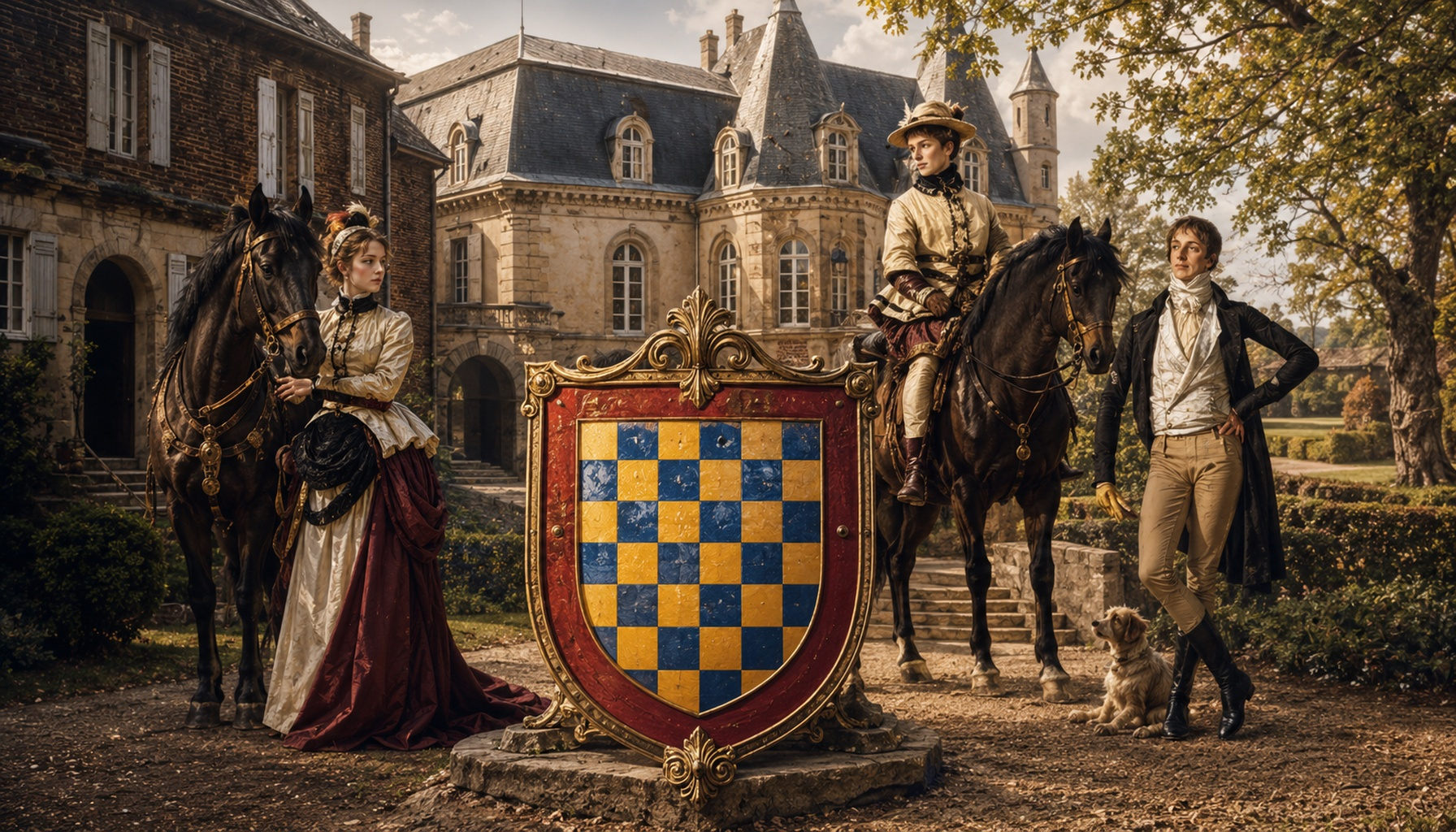
The House de Dreux was a French princely and noble house that emerged from the Capetian royal world, rooted in the town and county of Dreux in north-central France. In dynastic terms, this was a cadet branch of the Capetians: close enough to royal blood to matter greatly, but distinct enough to build its own political identity through lordship, marriage, titles, and territorial influence. For genetic tagging, the house is here linked with the primary family haplogroup R1b1a1b1a1a2a1a1, a paternal lineage widely represented across western European ancient DNA datasets.
What makes de Dreux so interesting is that it shows how medieval power really worked. Not simply by crowns and coronations, but through younger sons, strategic marriages, castles, county rights, ducal claims, and family networks stretching across France and Brittany. Robert I of Dreux (1123-1188), the founder of the line, was a son of King Louis VI of France, and from him the house developed into a significant princely family. Later figures such as Pierre de Dreux (1190-1250), often called Pierre Mauclerc, and John I, Duke of Brittany (1217-1286), carried the family into the thick of Breton and French aristocratic politics. Their story is one of royal descent transformed into regional power, with heraldry, feudal ambition, and enduring noble memory all bound together.
Explore the Royal House of Capet
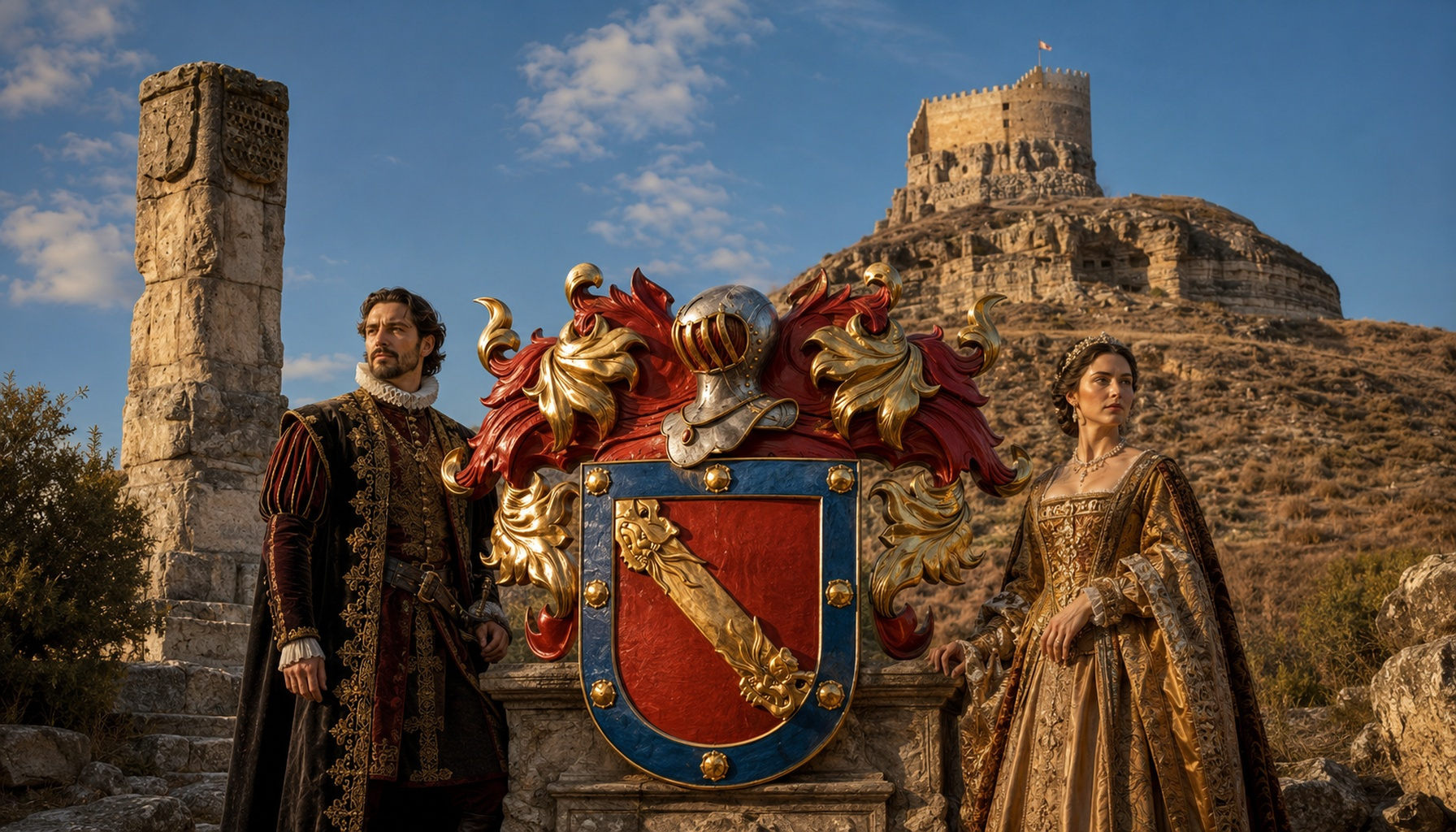
The great location anchor for this heritage is the Chateau de Dreux, associated with the historic town of Dreux in Eure-et-Loir, west of Paris. The site has a long and layered past: first a medieval stronghold linked to the counts of Dreux, then altered repeatedly over the centuries as warfare, status, and taste changed what a noble residence was supposed to look like. In later history the place became especially famous for the Chapelle royale de Dreux, the royal chapel and necropolis of the Orleanist branch of the French royal family, which gives the site an added dynastic gravity beyond its earlier medieval role. In other words, this is not just a ruined feudal address but a place where centuries of French noble and royal memory have accumulated in stone. The site can still be visited today, which is one of the pleasures of French historical geography: these family landscapes are not abstract names in a pedigree, but real places where the political map of medieval France once took physical shape.
As with many medieval noble houses, one should be careful not to claim direct descent from ancient samples without specific evidence. Still, the haplogroup tag R1b1a1b1a1a2a1a1 links the de Dreux profile to a broad and rather fascinating spread of related ancient DNA individuals across time and place. These include medieval and early medieval samples such as Las Gobas in northern Spain (ldo049), Cherry Hinton in medieval England (ATP_PSN_950), the Merovingian-period Frankish sample from Eltville in Germany (EV8), Saint-Pierre Quiberon in medieval Morbihan, France (I15027), Anglo-Saxon Sedgeford in Norfolk (SED018, SED020, SED021), Hedeby in southern Jutland (SWG006), and even the St. Mary City Chapel Field Cemetery in colonial Maryland (I35260). Going further back, related lineages also appear in Iron Age and Bronze Age contexts from Gaul, Iberia, Britain, Bohemia, Sicily, Sardinia, and beyond, including Belgic Gaul at Isles-sur-Suippe (ISL6950), Celtiberian Spain (esp005), and multiple Bronze Age individuals from Murcia's Almoloya Pliego. What that suggests is not a tidy family trail, but a deep western European paternal backdrop into which medieval French dynasties like de Dreux fit very comfortably.
If the House de Dreux appears in your own family history, the most interesting question is not whether you can simply claim a prince in the tree, but how your ancestry may connect to the wider Capetian, Breton, and medieval French world around them. Upload your DNA to MyTrueAncestry to see whether you match the House de Dreux heritage profile or related ancient DNA samples linked to haplogroup R1b1a1b1a1a2a1a1.

Comments