Clan MacPhail
– 3 min read


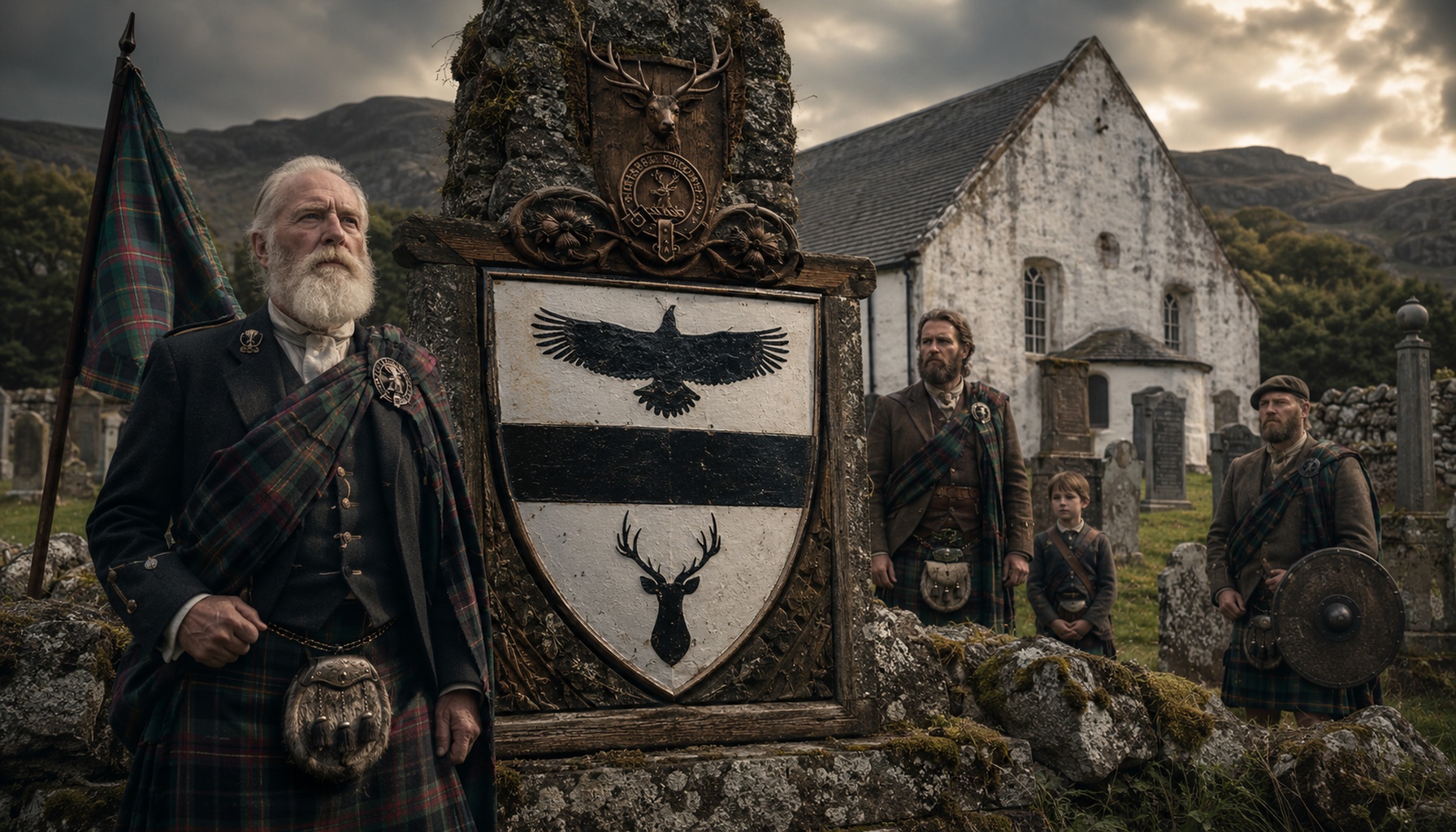
Clan MacPhail was a smaller Highland Scottish kindred whose identity grew not from vast territorial lordship but from kinship, place, remembered descent, and long family continuity. The name MacPhail comes from the Gaelic patronymic meaning son of Paul, tying the family to the Christian personal-name traditions that became deeply woven into Gaelic society. In that sense, the clan sits squarely within an old Highland pattern: a surname formed from an ancestor's given name, a people attached to a region, and a history carried forward by service, movement, and inherited belonging. The primary family haplogroup linked here is R1b1a1b1a1a2c1c.
Like many Highland lineages, the MacPhails are best understood not as a grand state within a state, but as a durable local people. Their background belongs to the world of the Gaidhealtachd, where family names were social maps, and where men and women were known as much by who they belonged to as by where they lived. Historical traces are necessarily scattered, but they are real enough. One named figure is Gillemore MPhale, recorded in 1414, a reminder that this was already an established surname in late medieval Scotland. The MacPhail story is therefore one of rootedness in the Highlands, shaped by local obligations and regional loyalties, and preserved through memory long after the age of clan power had faded.
Read more about Clan MacPherson
One especially evocative location anchor for MacPhail heritage is Dunlichty Kirk, near the Highland heartland around Inverness and the old territories tied to Gaelic-speaking communities. Dunlichty is not merely a churchyard in the abstract, but one of those places where the Highland past feels physically close: stones, names, weathered carving, and the stubborn persistence of family memory in the landscape. Accounts of the graveyard note its layered history, including Jacobite-era associations and the striking marks cut into stones that hint at the political and emotional afterlife of the 18th century. It is exactly the sort of site that reminds us that Highland history was not only fought on battlefields or written in state papers, but also scratched, carved, and remembered in kirkyards. Reasonably speaking, Dunlichty Kirk and its graveyard can still be visited today, and for anyone tracing MacPhail connections, it offers a powerful sense of place as well as ancestry.
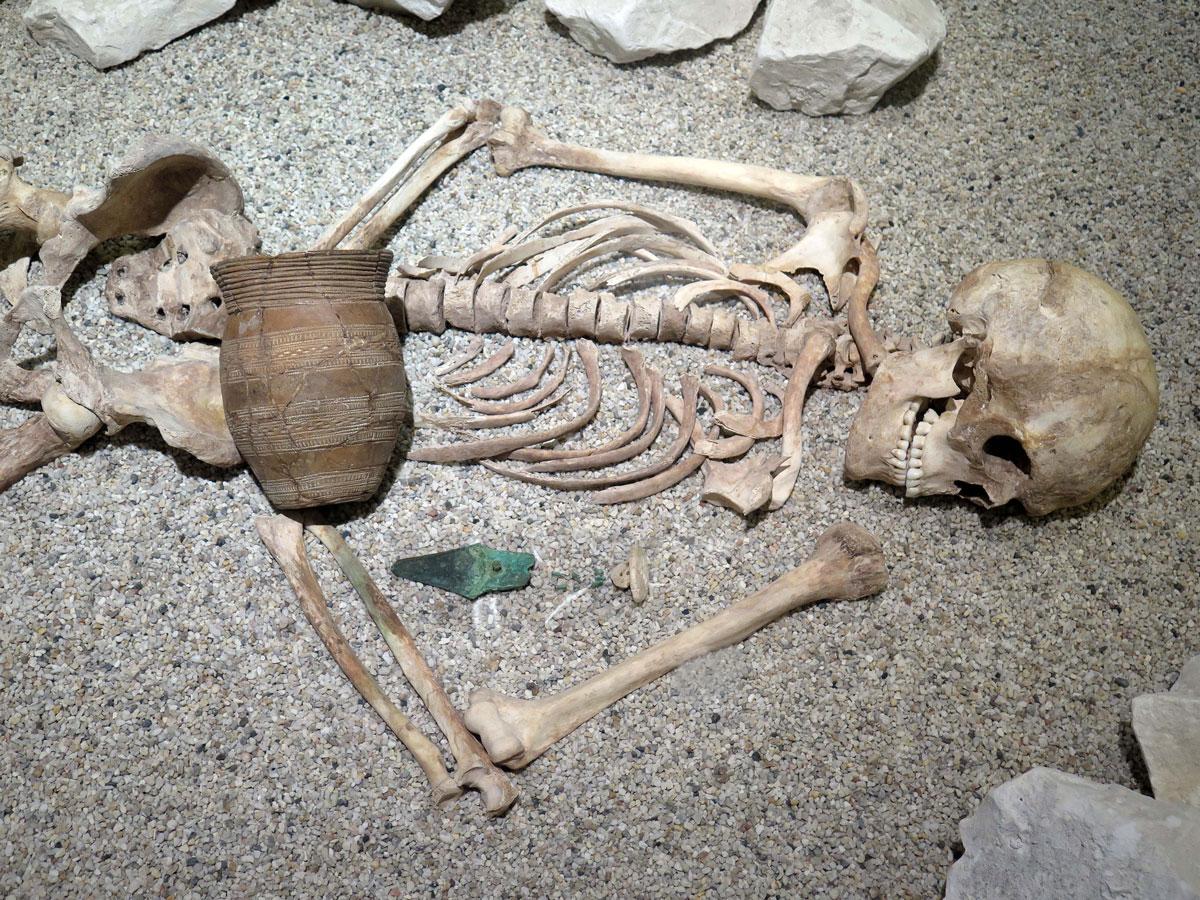
The MacPhail-associated haplogroup R1b1a1b1a1a2c1c also appears in a wide and fascinating range of ancient DNA samples across Britain and Europe. These are not proof of direct descent from any named ancient individual, of course, but they are related or linked signals that help sketch the deeper world from which later Highland paternal lines emerged. Among them are Pict-era individuals from Orkney at Knowe of Skea and Mine Howe, Late Bronze Age Moray in Scotland at Covesea Caves, Iron Age Highland samples from Applecross, Celtic and Romano-British individuals from England, and a remarkable spread of related lineages reaching into Iron Age Celtic Germany, Gaul, Roman Britain, medieval Iberia, and beyond. Samples such as Celtic Durotriges England Duropolis Winterborne Kingston (WBK36), Roman Era Fenstanton Cambridgeshire (FEN008), Pict Era Orkney Knowe of Skea Westray (KD004), Late Bronze Age Covesea Caves Moray Scotland (I2859x), and Medieval Ireland Kilteasheen Roscommon Bishops Seat individuals show how this branch belongs to a long-running western European story of movement, continuity, and regional survival. For a Highland family like MacPhail, that is the bigger backdrop: not a neat single origin point, but a deep, braided ancestry stretching from Bronze Age and Iron Age Europe into the historic Gaelic world.
Read more about Clan MacGillivray
If you carry the MacPhail surname, have MacPhail ancestors in your tree, or simply want to see whether your DNA connects with this Highland family and its wider ancient world, you can explore that story for yourself. Upload your DNA to MyTrueAncestry to discover whether you match Clan MacPhail, its primary haplogroup R1b1a1b1a1a2c1c, or any of the related ancient DNA samples that illuminate the deeper past behind the name.
Comments