Clan MacGillivray
– 3 min read


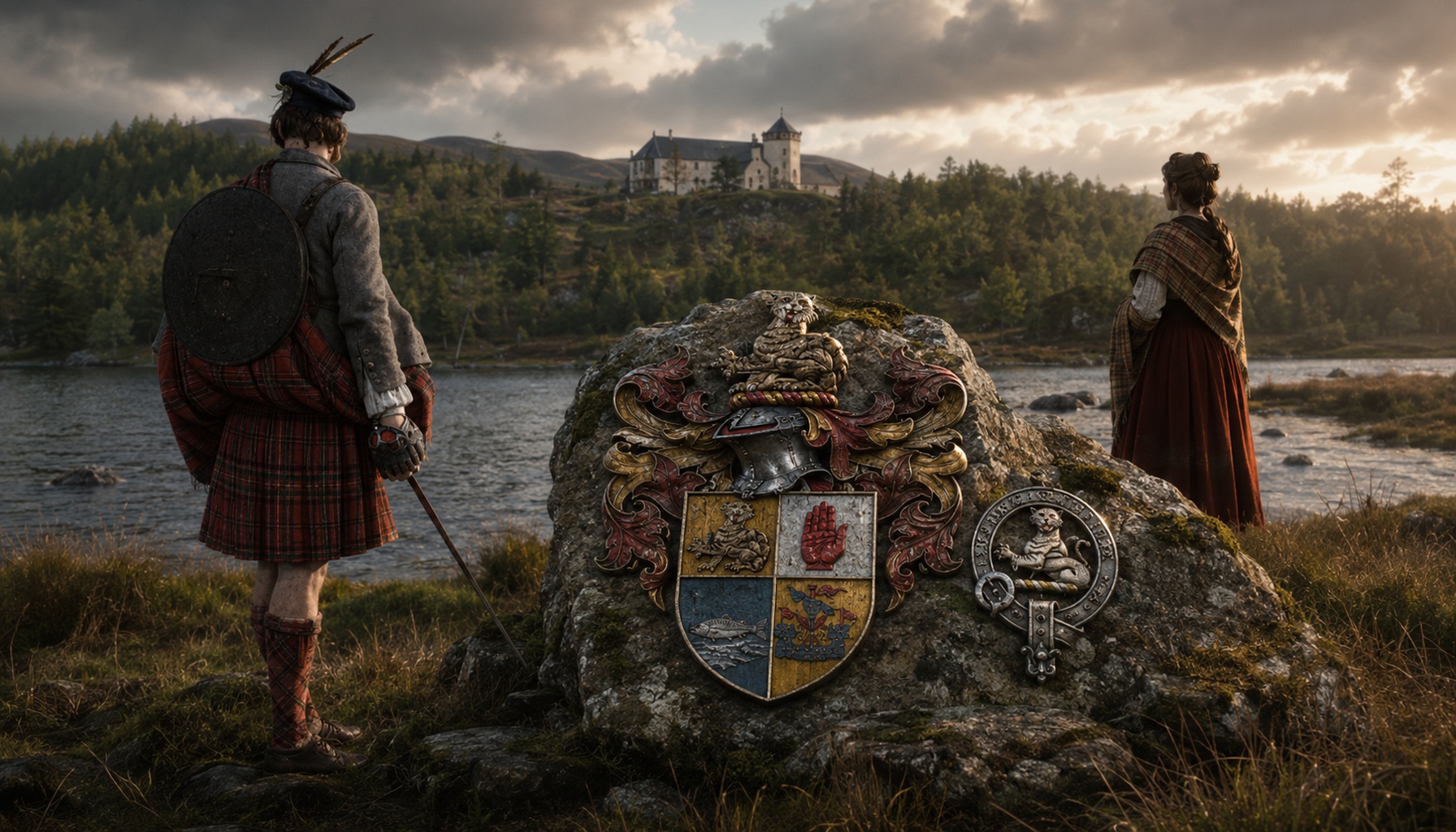
Clan MacGillivray was a Highland Scottish clan rooted in Gaelic kinship, northern Scotland, and the fierce cooperative world of the Clan Chattan confederation. In historical terms, the MacGillivrays belong to that very Highland pattern in which descent, military obligation, local authority, and alliance all mattered at once. They were not an isolated family drifting through the past, but part of a living network of protection and rivalry in Inverness-shire and the wider Highlands, where loyalty could be as important as land itself. Their primary family haplogroup is linked here as R1b1a1b1a1a2c1a4b5a1, a paternal line associated with a deep western European story that fits well with the broader Gaelic and Insular background of many old Highland kindreds.
The surname is usually understood as Gaelic in origin, and the clan's history is bound especially to the country south of Inverness, around Strathnairn and the rough upland world connected to Dunmaglass. Like other Clan Chattan families, the MacGillivrays advanced through service, fighting strength, and confederated loyalty rather than by sheer size alone. Their heritage carries all the classic Highland markers: martial tradition, heraldic identity, regional belonging, and the stubborn preservation of family memory through civil conflict, Jacobite upheaval, and political change. One named figure who appears in the historical record is Malcolm MacGillivray, noted in 1609, a reminder that the family surfaces not just in legend but in the documented life of early modern Scotland.
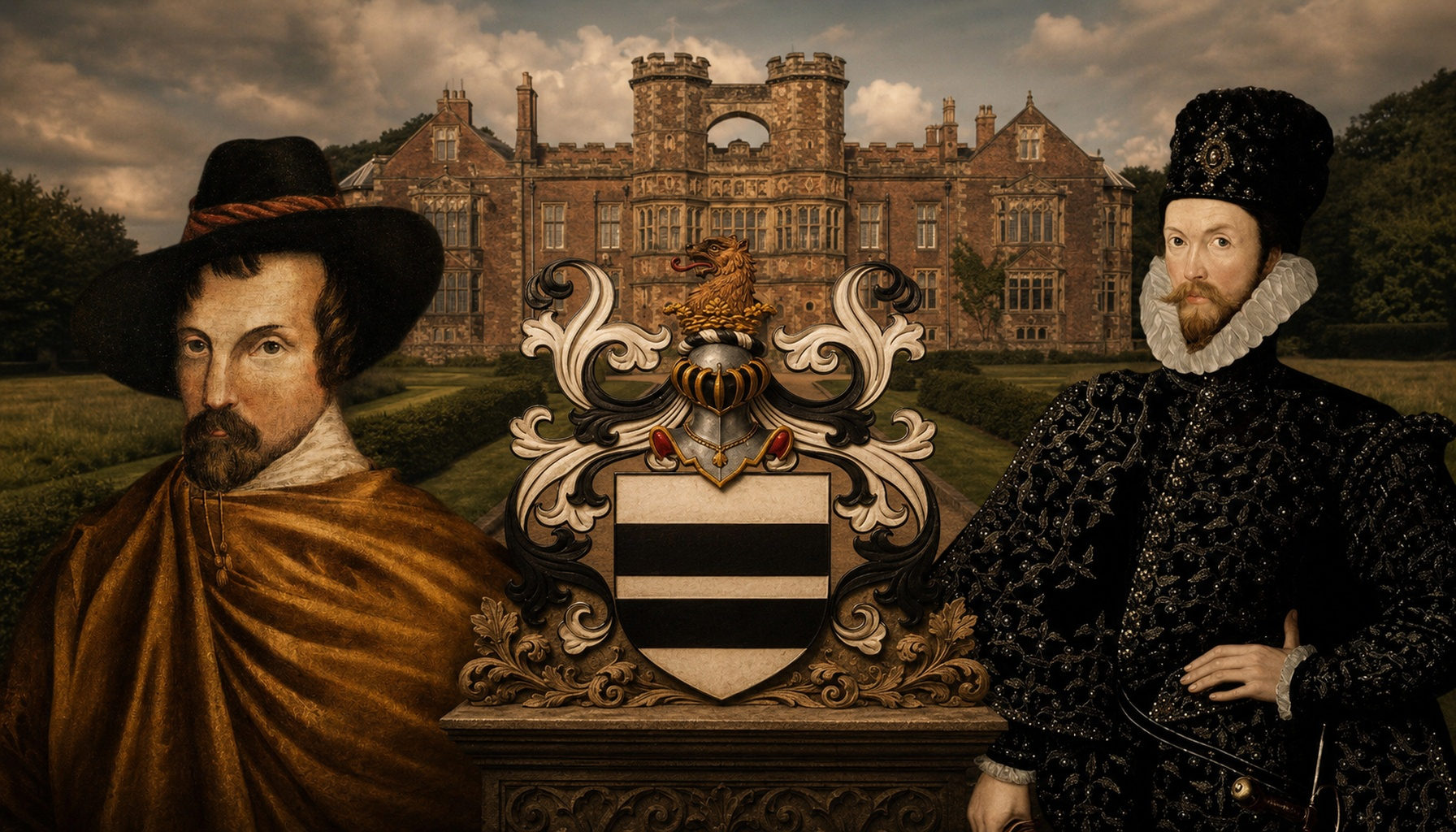
Dunmaglass is one of the great location anchors for Clan MacGillivray, and it matters because Highland history is always tied to place. Dunmaglass, in Strathnairn, lies southeast of Inverness in a landscape of moor, water, and rising ground that feels entirely suited to the old clan world. The area is associated with Dunmaglass Lodge and the wider Dunmaglass estate, long connected with the chiefs of Clan MacGillivray. Historically this was not just a picturesque address but a strategic Highland setting, close enough to the routes of the Great Glen and the upland interior to matter in times of conflict, movement, and alliance. The present lodge is a later country house rather than a medieval fortress, but the importance of Dunmaglass is precisely that it preserves the clan's geographical centre of gravity. The area is real, visible, and still visitable in the wider sense, even if access depends on estate conditions and local arrangements; in other words, this is not a vanished clan homeland known only from parchment, but a place that still sits on the Highland map.
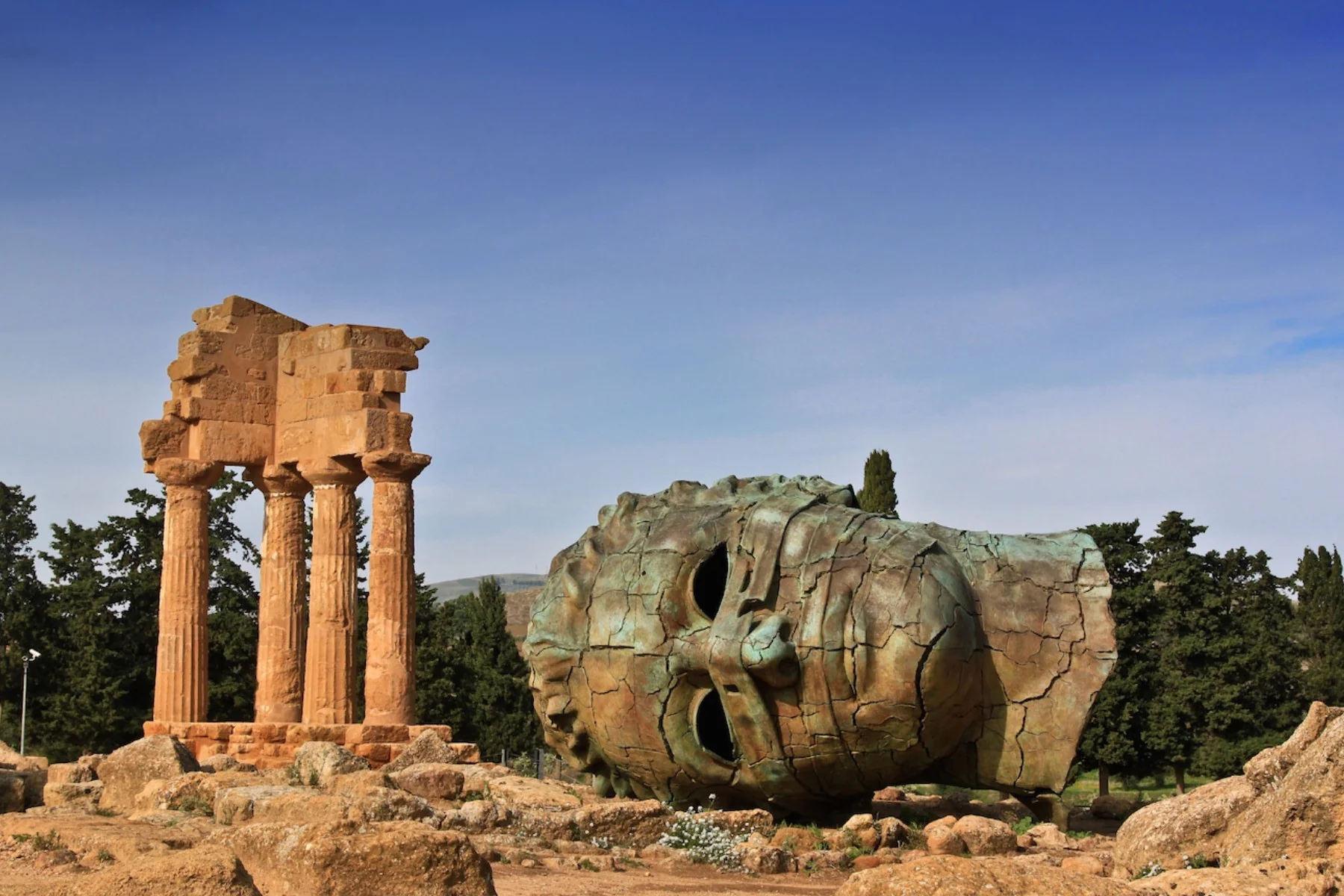
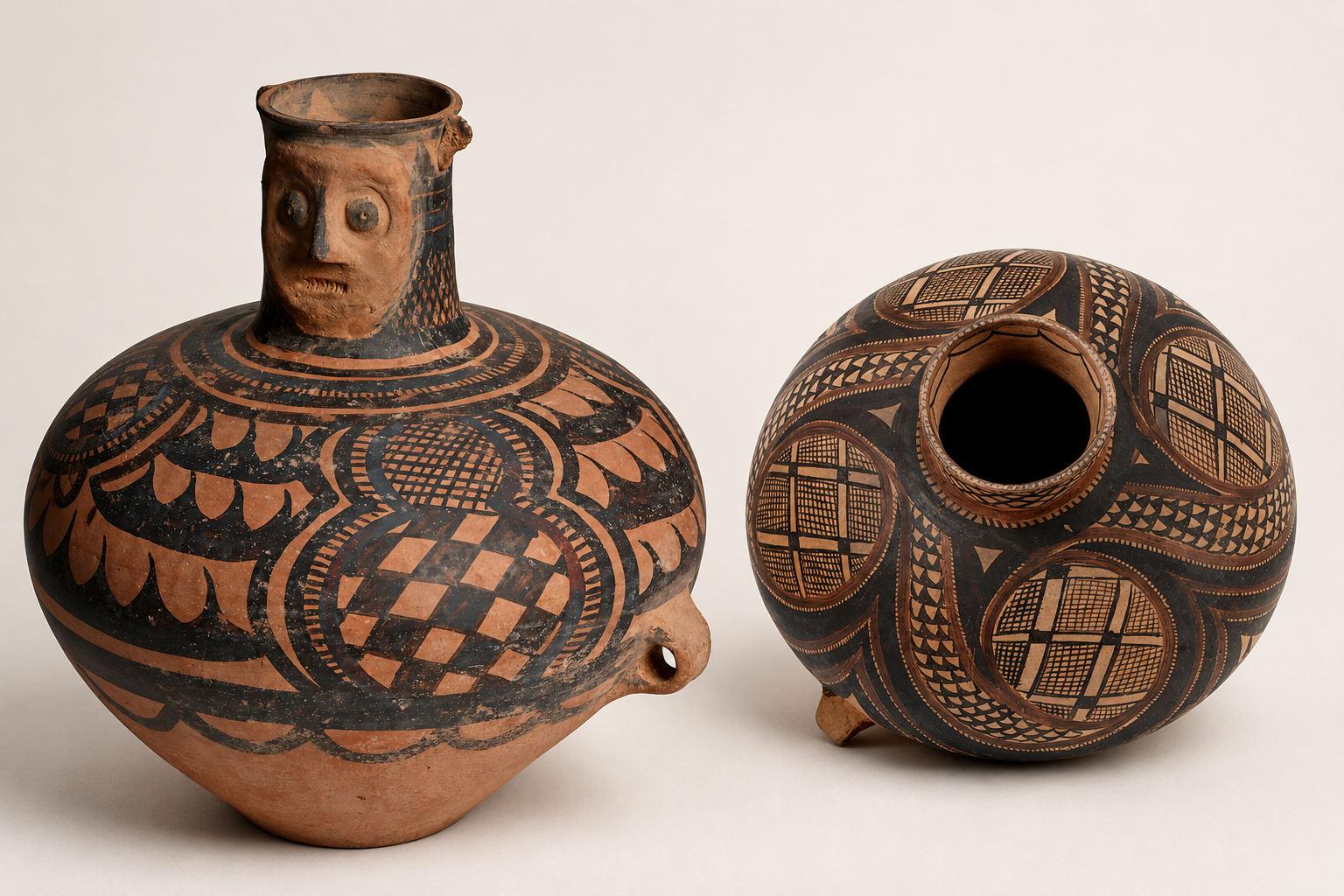
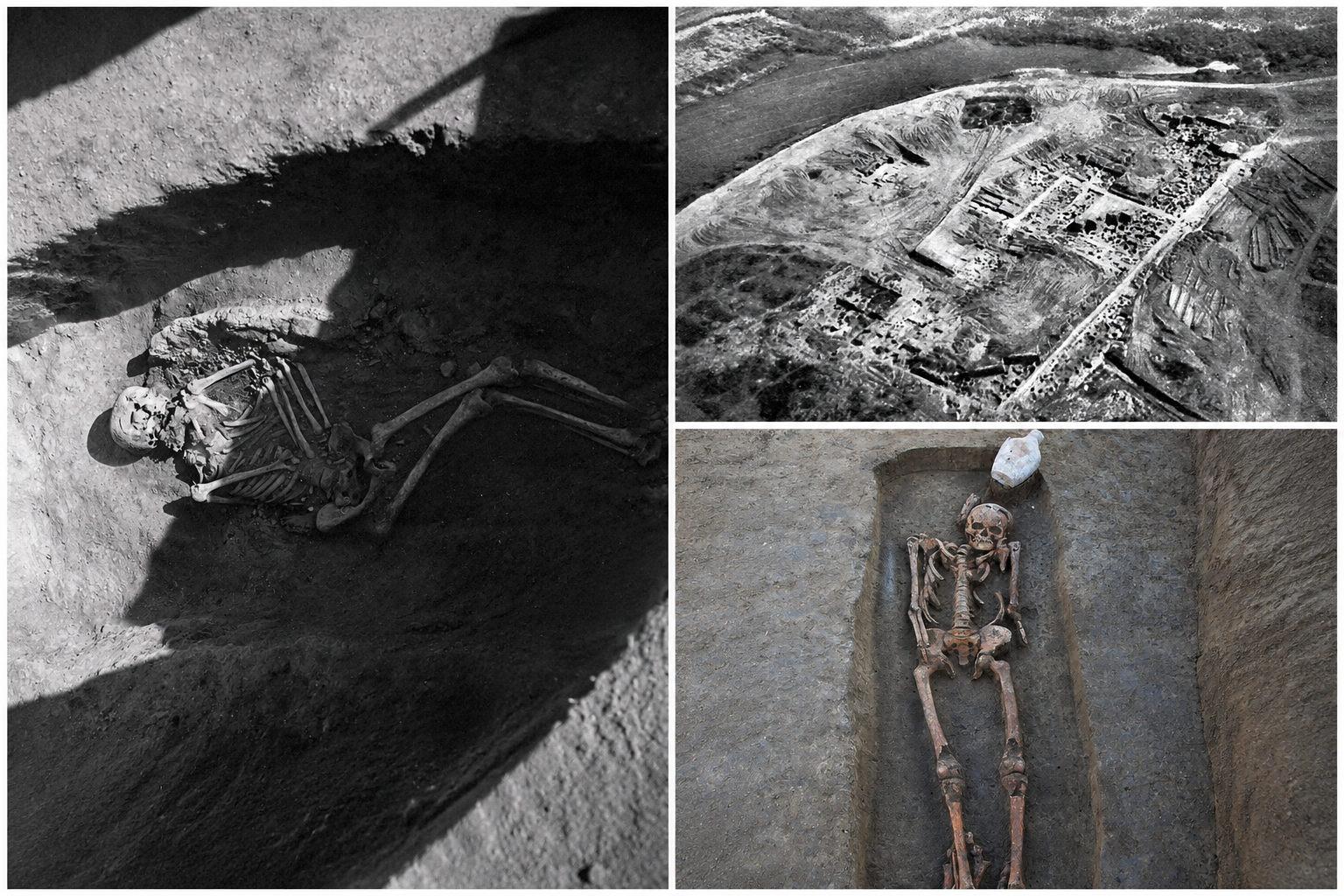
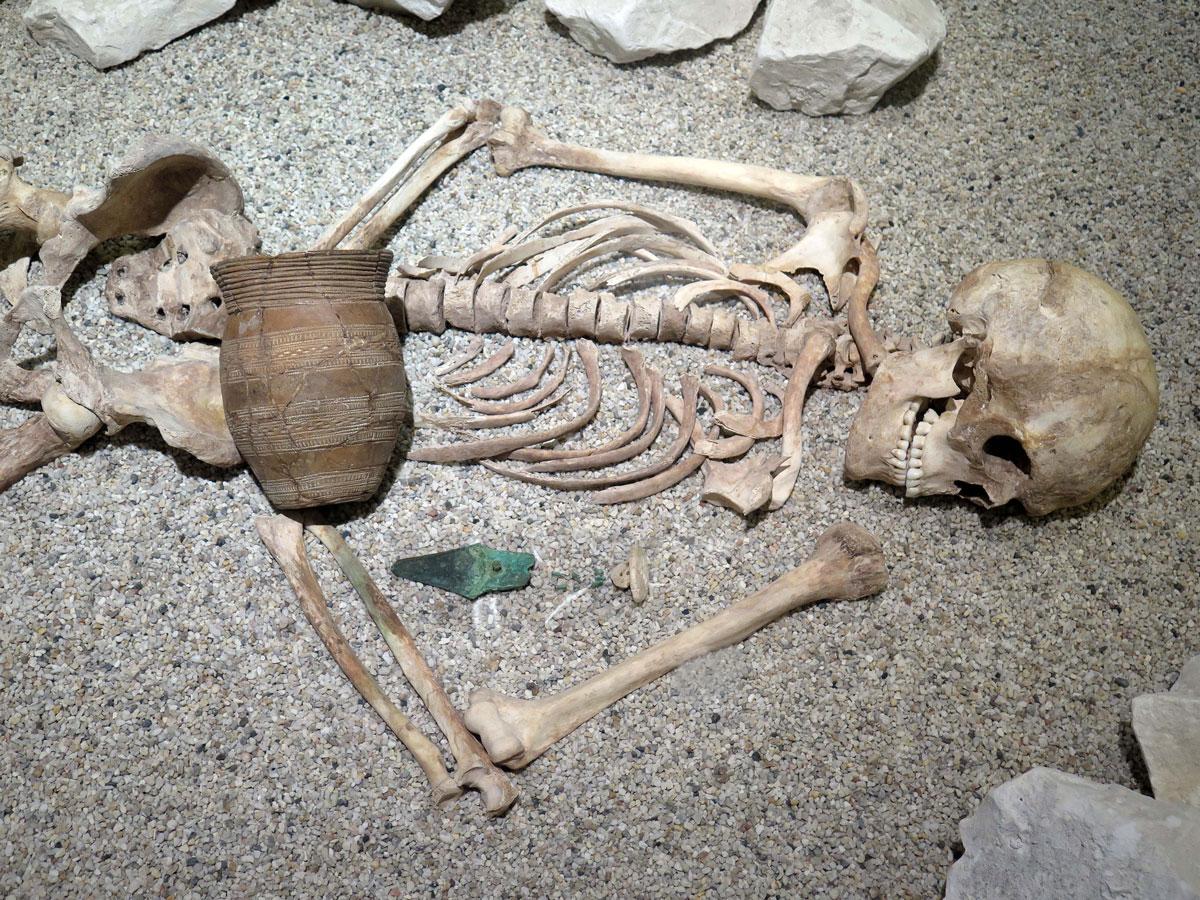
For those looking at the deeper past through DNA, the MacGillivray-linked haplogroup R1b1a1b1a1a2c1a4b5a1 can be placed beside a wide spread of related or linked ancient samples across Britain and Europe. These do not prove direct descent from Clan MacGillivray, and it is important not to pretend otherwise, but they do show the kind of paternal landscape into which a Highland clan line may fit. Related samples include Celtic Durotriges England Duropolis Winterborne Kingston individuals WBK12, WBK20, WBK29, WBK41, WBK05, WBK30, WBK43, WBK06, WBK08, WBK18, and WBK191; Medieval England Cambridge St Johns Hospital ATP_PSN_192; Imperial Roman Era Zadar Croatia I26776; Bronze Age Orkney Westray Links of Noltland KD061; Bronze Age Calabria Cosenza Grotta della Monaca Sant Agata di Esaro GMO015; Early Medieval Belgium Sint-Truiden Groenmarkt ST2025; Medieval Belgium Outsider Sint-Truiden Onze-Lieve-Vrouwekerk ST1308; Gallic France Parancot CGG023699; Post Roman Era Worth Matravers Dorset England I11580; Merovingian Grave North Rhine-Westphalia Germany Alt-Inden IND013; Late Roman Era Klosterneuburg Lower Austria R10656; Late Roman Conimbriga Portugal R10488; Iron Age Worlebury Somerset England I11991; Iron Age Hillfort Battlesbury Bowl England I21309; Bronze Age Trumpington Meadows Cambridge England I3256; Bronze Age Amesbury Down Wiltshire England I2417; Bell Beaker Wiltshire Upavon England I4950; Bronze Age Bedfordshire England I7576 and I7577; Bronze Age Boatbridge Quarry South Lanarkshire Scotland I5473; Celt Hinxton Iron Age HI2; Early Bronze Age England Thames I5377; and Ireland Copper Age Rathlin2B. Taken together, these linked finds sketch a long arc from Bronze Age Britain to Iron Age Celtic communities, Roman provinces, and medieval western Europe, which is exactly the sort of deep-time backdrop that makes Highland clan history so intriguing.
Read more about Clan MacPherson
If you carry MacGillivray heritage, or simply suspect Highland roots in the Clan Chattan world, DNA can add another layer to the story. Upload your DNA to MyTrueAncestry to see whether you match Clan MacGillivray connections or related ancient DNA samples from Celtic, Bronze Age, Roman, and medieval contexts across Britain and Europe.
Comments