Clan MacMillan
– 3 min read


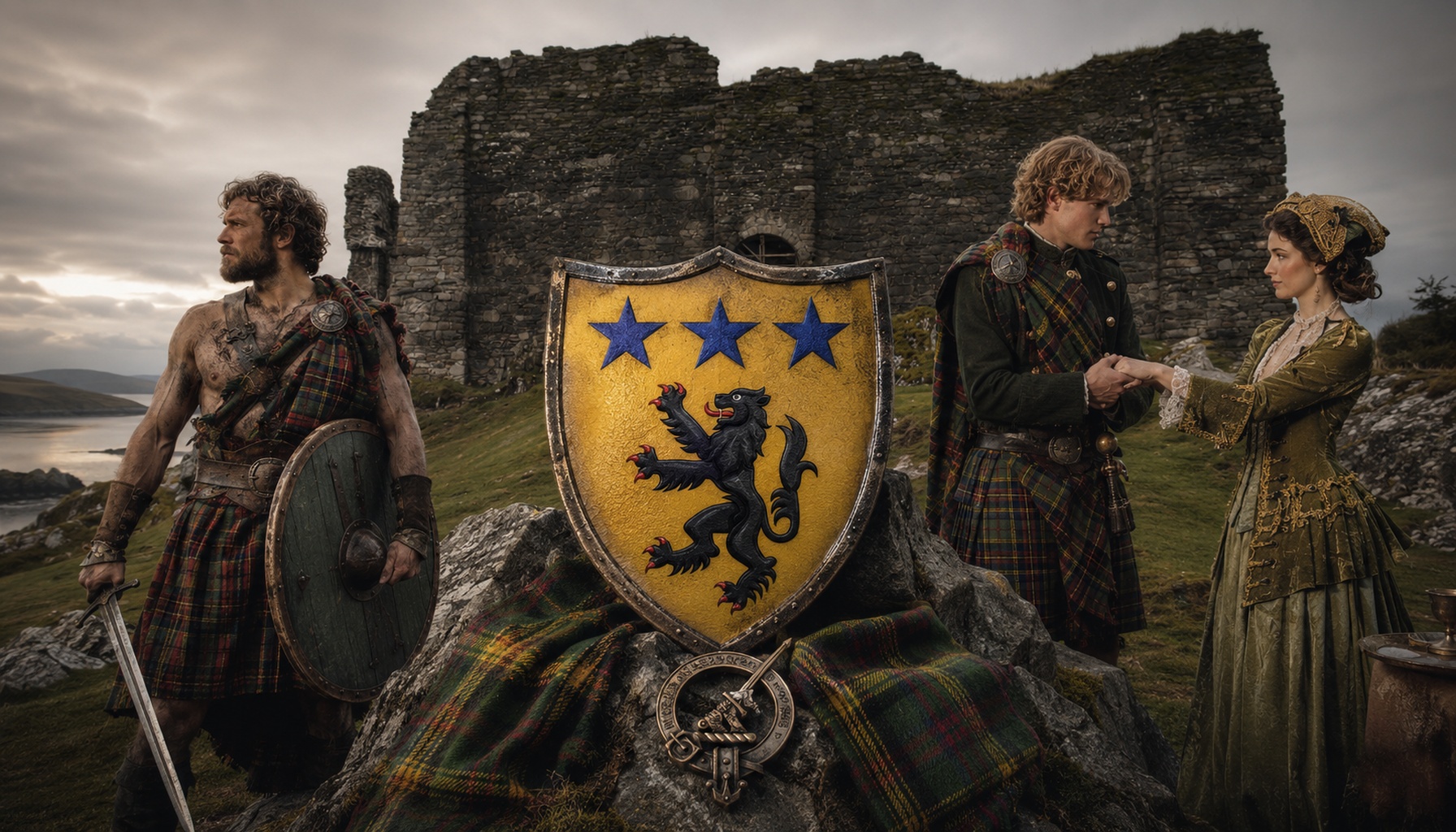
Clan MacMillan was one of the Gaelic kindreds of the western Highlands, remembered above all in Knapdale and also associated with Lochaber and the wider seaboard world of western Scotland. The name is usually linked to clerical or learned service, fitting an old Gaelic pattern in which families tied to religion, literacy, and kinship preserved standing across generations. In genetic tagging terms, the primary family haplogroup associated here is R1b1a1b1a1a1c1b, a branch within the broad Atlantic-facing R1b world so often found in western Europe and the Celtic-speaking lands.
What makes the MacMillans interesting is that they look very much like a classic west Highland clan, but with a particular flavor of sacred memory and learned tradition. This was not simply a surname floating free in the mist. It was a family identity rooted in land, in service, in heraldry, and in the stubborn continuity of name and descent. In historical terms, Clan MacMillan represents that western Highland pattern rather well: Gaelic descent, some association with church or scholarship, territorial belonging, and a family story that endured through local loyalties long after medieval politics had shifted around it. One early figure often named in clan tradition is Gille Chriosd, whose very name carries that Gaelic-Christian texture which sits so close to the clan's remembered origins.
Read more about Clan MacLachlan
One of the best location anchors for understanding this world is Castle Sween in Knapdale, on Loch Sween in Argyll. It is one of the oldest stone castles in Scotland, probably built in the late 12th century, and it stands in a region that mattered deeply to the Gaelic west. The castle is generally connected with Suibhne, a local lord of Irish or Norse-Gaelic background, and later passed through the hands of powerful regional families as the balance of power changed in Argyll. That matters for MacMillan history because Knapdale was not some isolated fringe. It was part of a maritime Highland zone where lordship, church influence, sea travel, and kin alliances all intertwined. A clan such as the MacMillans belonged to that world of coastal routes, nearby strongholds, and layered loyalties. Castle Sween survives today as a roofless but substantial ruin under state care, and yes, it can still be visited, which is rather wonderful: you can stand there and look across the same waters that shaped the political and family geography of medieval Knapdale.
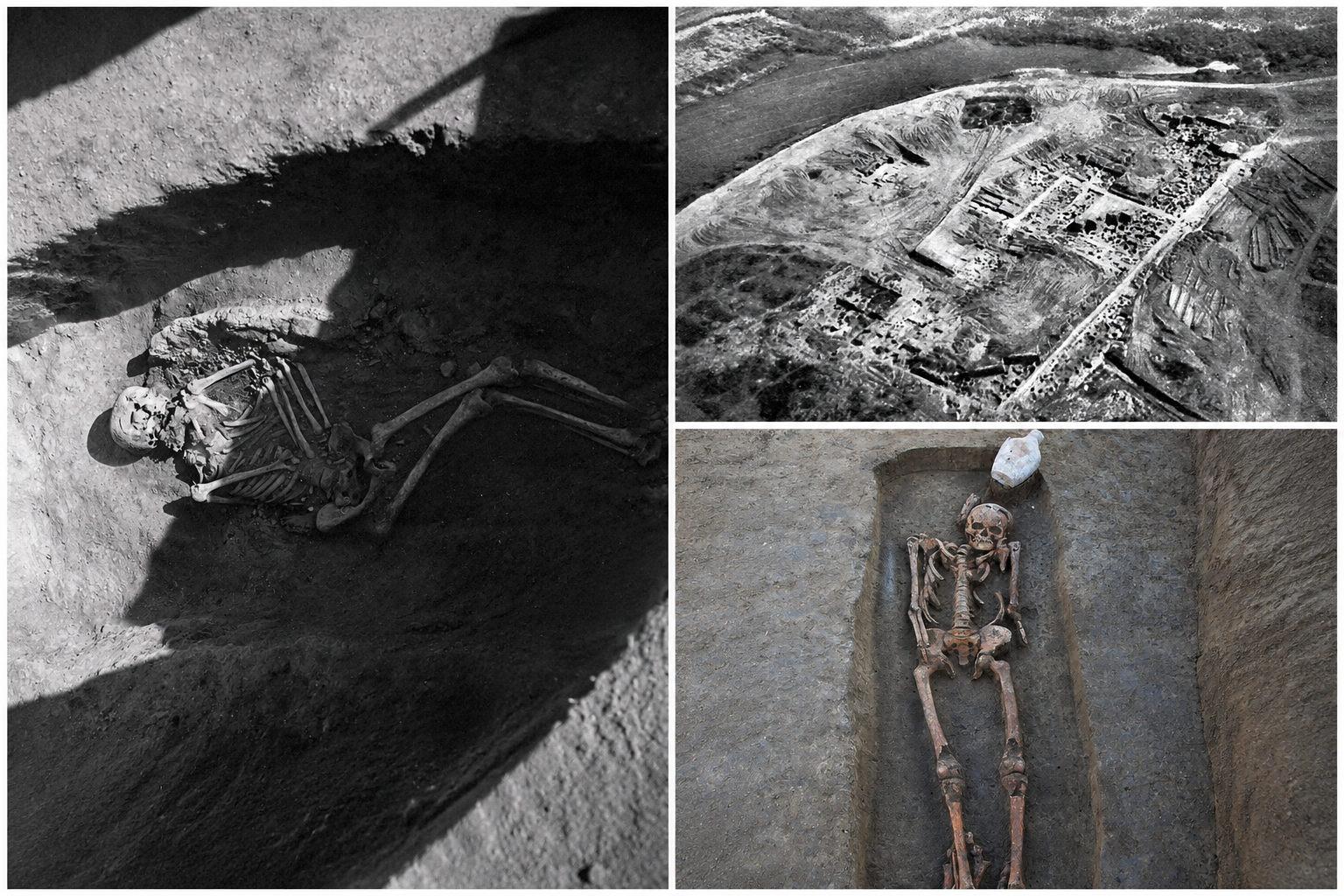
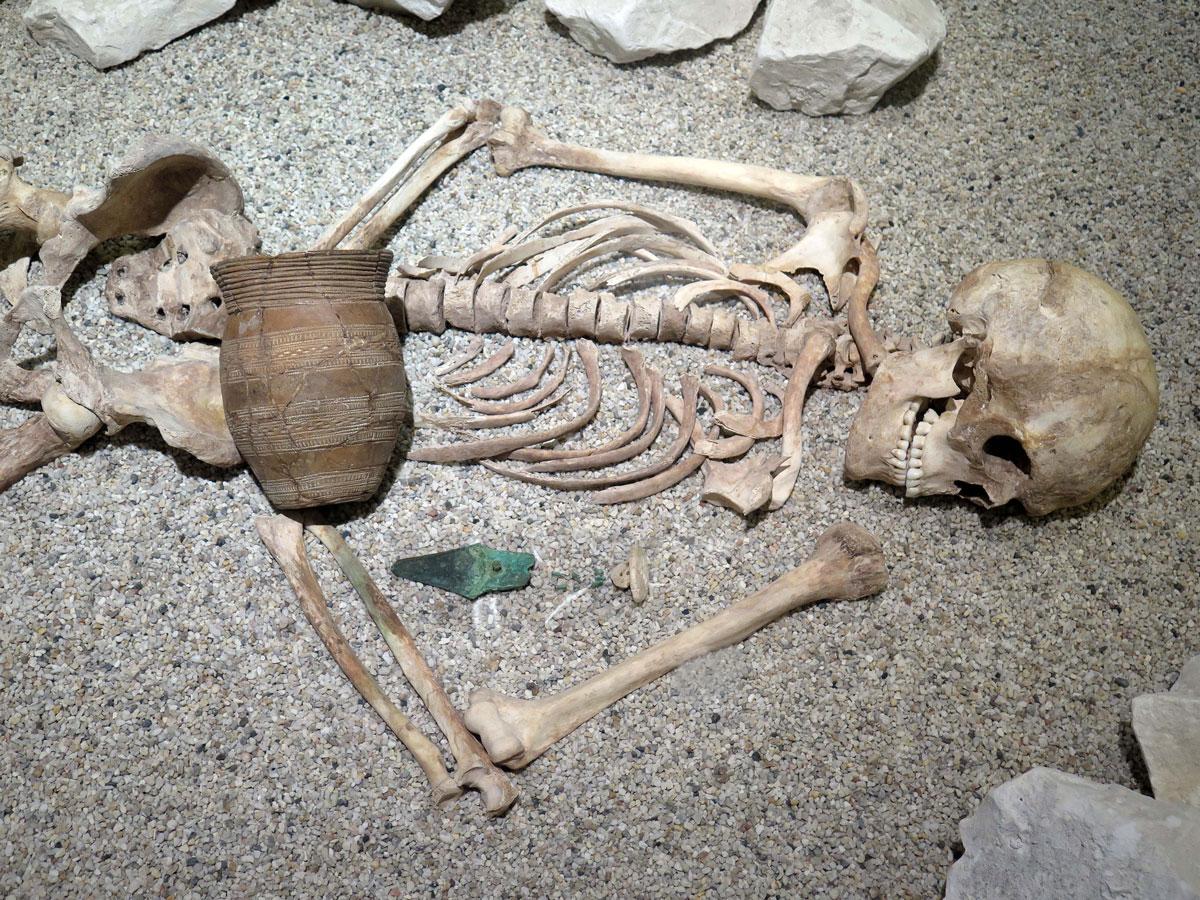
The haplogroup tag R1b1a1b1a1a1c1b does not prove direct descent from any specific ancient excavated individual, and it should not be used that way. What it does offer is a fascinating web of related or linked ancient samples spread across Europe and across time. Among them are Gallo-Celtic Switzerland Pont de Cornaux-Les-Sauges (3430), Bronze Age Unetice Thuringia Leubingen Sommerda Germany (LEU007), Late Neolithic Vlaardingen/CordedWare Netherlands Mienakker (I12902), Battleaxe Sweden L Beddinge 56 (RISE98), Celtic Iron Age Austria Hallstatt (CGG101214), Belgic Suessiones Iron Age France Bucy-le-Long samples such as CGG022456 and CGG022463, Iron Age Briton Cambridgeshire England (I11149), Saxon England North Yorkshire West Heslerton Vale of Pickering (I11583), Viking Age Sigtuna Sweden (urm160 and urm160x), Norman Invasion Medieval Lincolnshire Lincoln Castle (S3044), and later medieval and early historic individuals from Belgium, Germany, Croatia, Italy, Hungary, Denmark, and beyond. In other words, this paternal line appears in a very wide archaeological theater: Celtic, Roman frontier, Germanic, Viking, Anglo-Saxon, and medieval settings. For a Highland clan like the MacMillans, that does not flatten identity into biology. Quite the opposite. It reminds us that a Gaelic clan of western Scotland emerged from a Europe already full of long-moving paternal lineages, while language, faith, lordship, and memory turned those lineages into a specifically Highland story.
Explore ancient DNA and Celtic origins
If you carry the MacMillan name, or have MacMillan lines in your family tree, DNA can add another layer to the story. Uploading your DNA to MyTrueAncestry may help you see whether you match Clan MacMillan connections or related ancient DNA samples linked with R1b1a1b1a1a1c1b and the wider Celtic and western European past. It is a lively way to place family memory beside archaeology, history, and genetics.
Comments