Clan MacLellan
– 2 min read


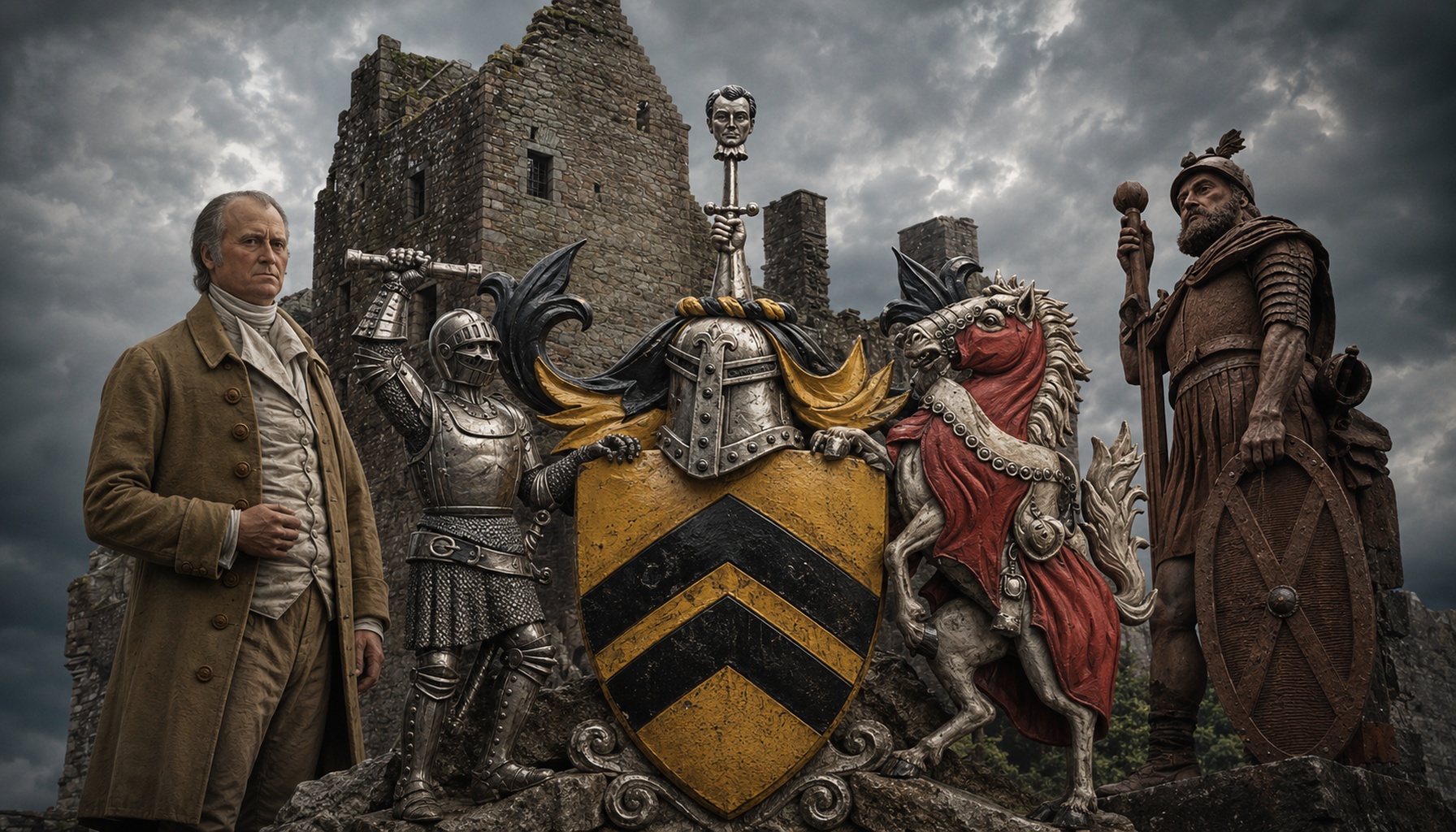
Clan MacLellan was a Scottish family of Galloway in the southwest Lowlands, shaped by land, office, loyalty, and the long memory of surname identity. In historical terms, they fit the classic Galloway pattern rather well: not a vast Highland-style confederation, but a rooted territorial family whose standing came through service, local authority, military obligation, and the careful maintenance of heraldic and regional status. Their primary linked haplogroup here is R1b1a1b1a1a2c1a1d3b1b1, a branch associated with wider paternal lineages found across Britain and northwestern Europe.
The MacLellans emerged from a borderland world that was never dull: Norse influence lingering in the Irish Sea zone, older Brittonic and Gaelic layers in Galloway, and the growing pull of the Scottish crown. That is the historical soil from which the family grew. One early named figure is Duncan MacLellan, recorded in 1217, giving us a glimpse of the surname already established in medieval southwestern Scotland. Over time the family became associated with public service and estate life as much as with martial reputation, and like many Lowland clans they carried forward identity through charters, offices, heraldry, and place as much as through battlefield legend.
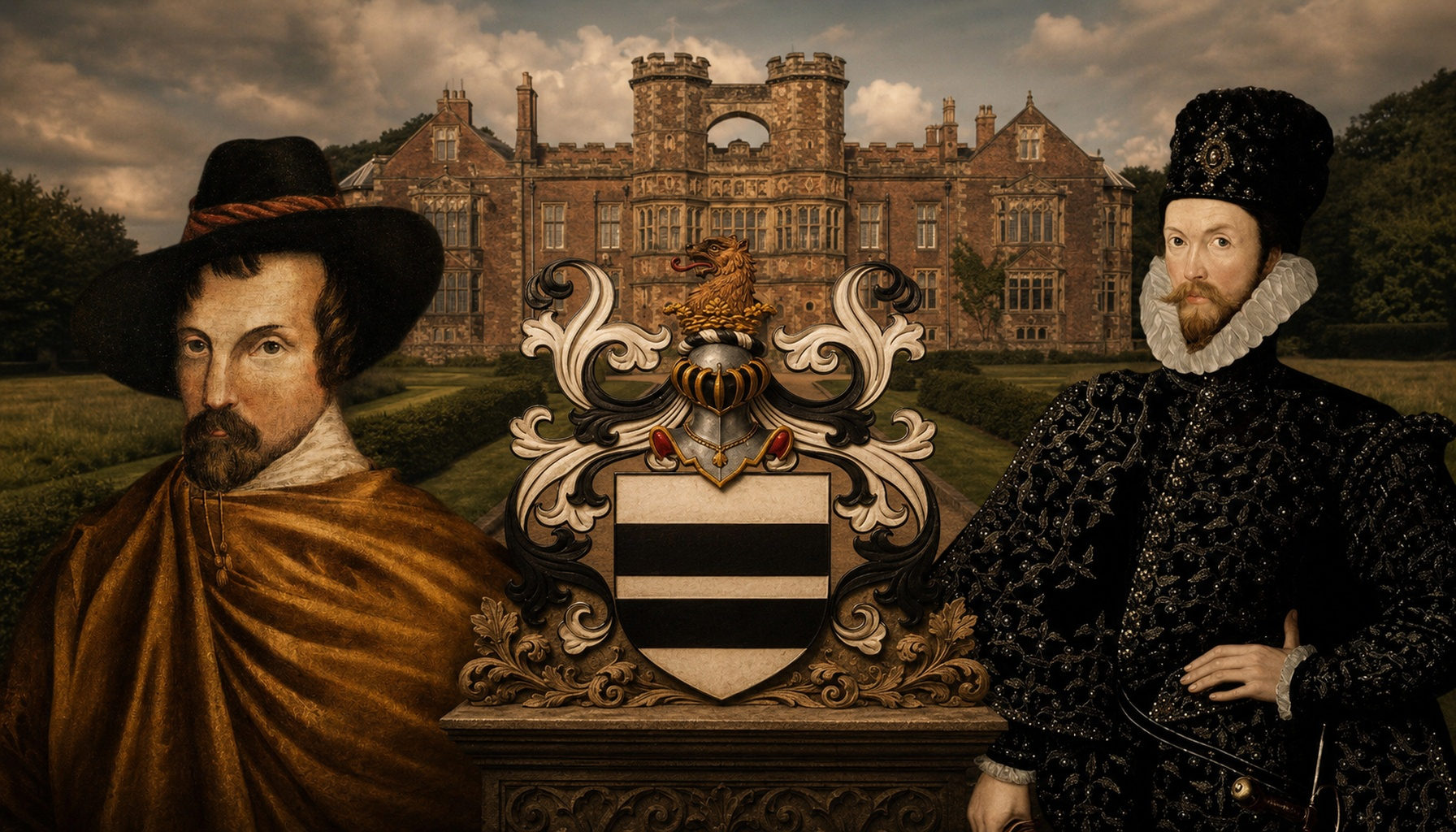
The great location anchor for the clan is MacLellan's Castle in Kirkcudbright, one of the most vivid surviving reminders of MacLellan prominence in Galloway. Built in the late 16th century by Sir Thomas MacLellan of Bombie, it is less a grim medieval fortress than a fashionable tower house with an eye for status, comfort, and display. That matters, because it tells us something important about the family: this was a lineage expressing authority not just through defense, but through architecture, hospitality, and visibility in an important regional burgh. The castle stands close to the River Dee and the old heart of Kirkcudbright, and even in ruin it still has presence, with its substantial walls and commanding silhouette speaking of a family determined to be seen. Happily, it does still survive as a historic site and can be visited, making it one of the most tangible places to connect with MacLellan history on the ground in southwestern Scotland.
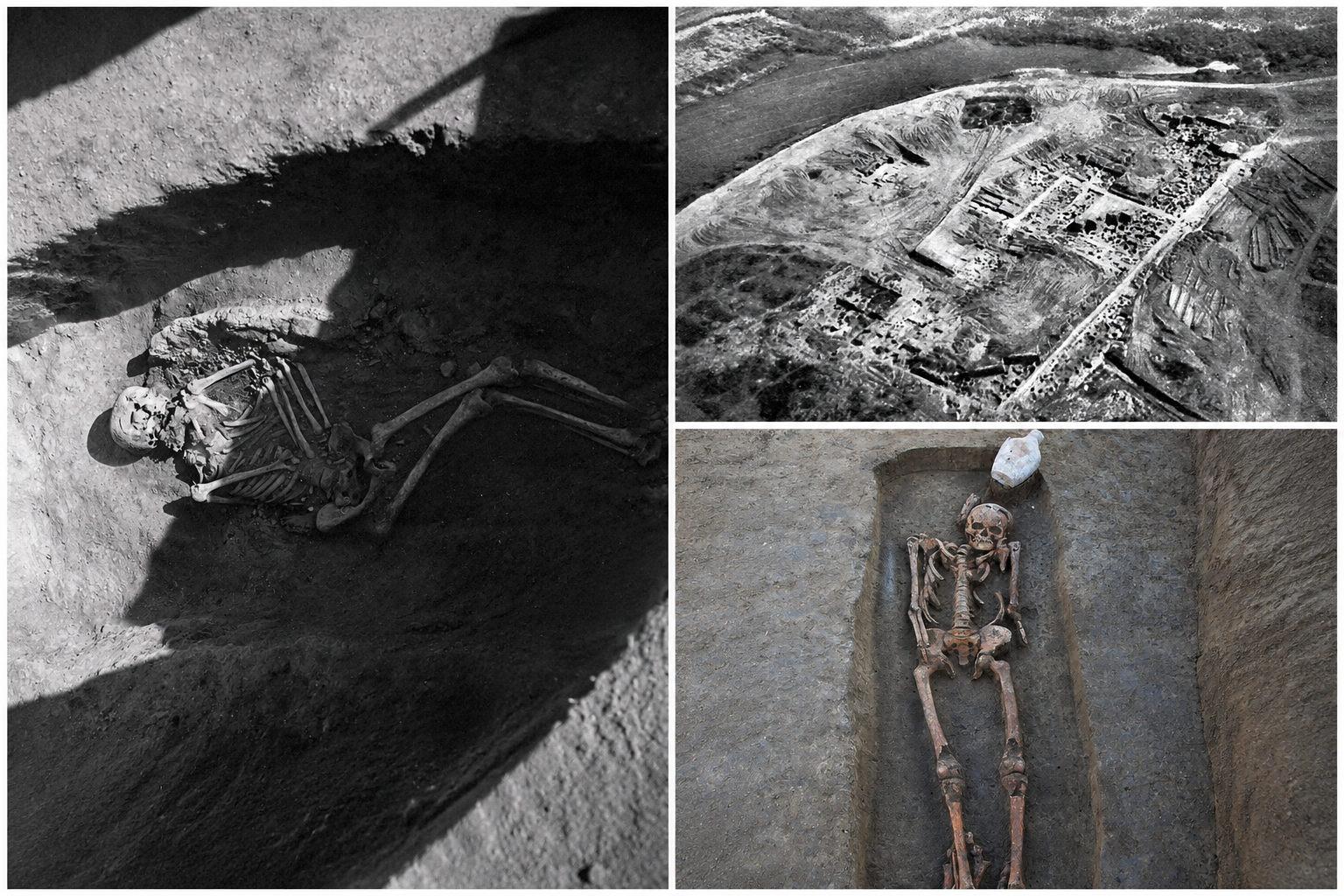
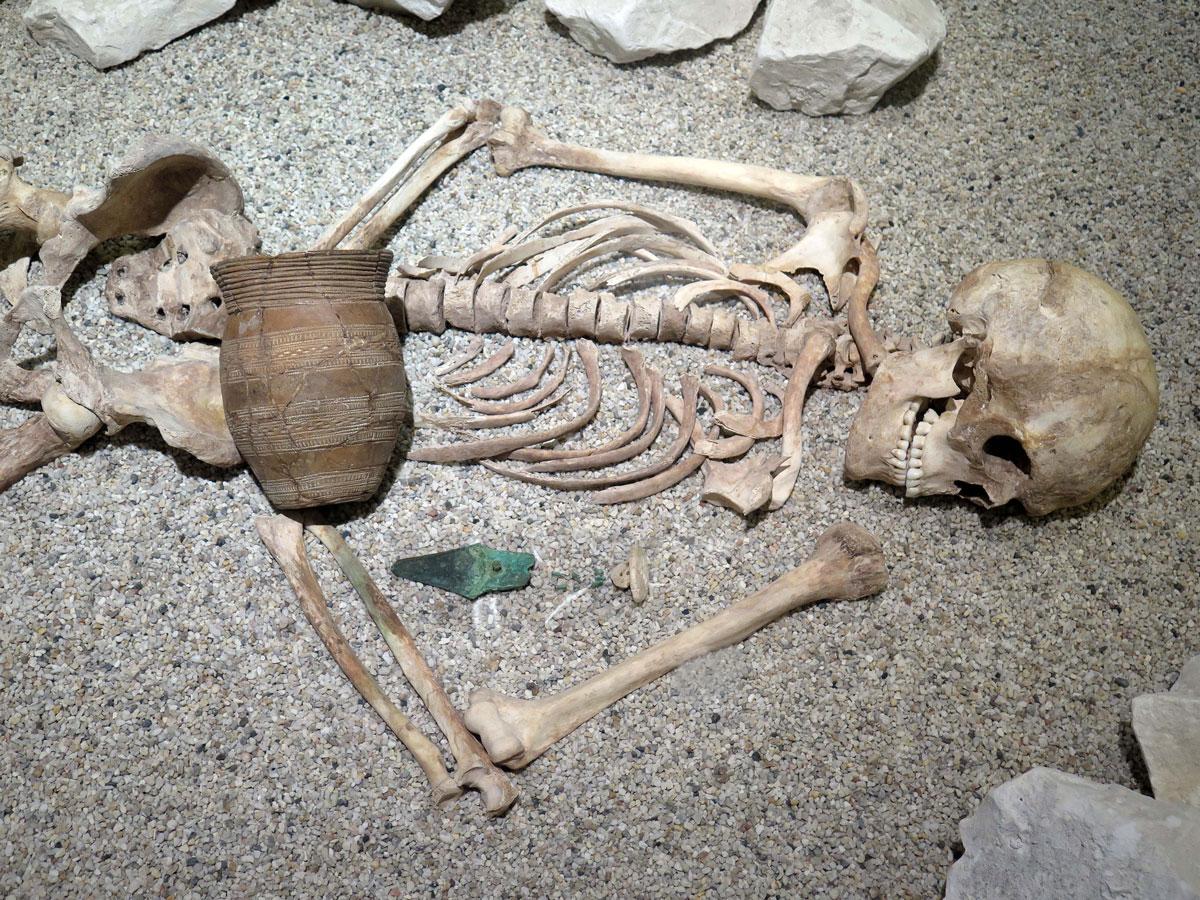
From a DNA perspective, the MacLellan story is tagged here with R1b1a1b1a1a2c1a1d3b1b1. That does not prove direct descent from any excavated individual, and it is important not to pretend otherwise, but it does place the family within a broader web of related paternal lineages seen in ancient and medieval remains. Linked samples include Medieval England Augustinian Friars ATP_PSN_512 and ATP_PSN_520, Medieval Vasterhus Sweden mbv151, the Celtic Briton from Yarnton in Oxfordshire I21182, and the Late Bronze Age Raven Scar Cave individual from North Yorkshire I16469. Taken together, these related samples hint at the deep time depth of connected R1b lineages around Britain and the North Sea world: a useful reminder that a later Scottish clan identity sits on top of a much older human story of migration, settlement, continuity, and reinvention.
Read more about Clan MacLachlan
If you carry the MacLellan surname, have roots in Galloway, or simply want to see how your own family story might connect with this wider Scottish and ancient DNA landscape, you can upload your DNA to MyTrueAncestry and explore whether you match Clan MacLellan or related ancient DNA samples linked with R1b1a1b1a1a2c1a1d3b1b1.
Comments