Clan MacLaren
– 3 min read


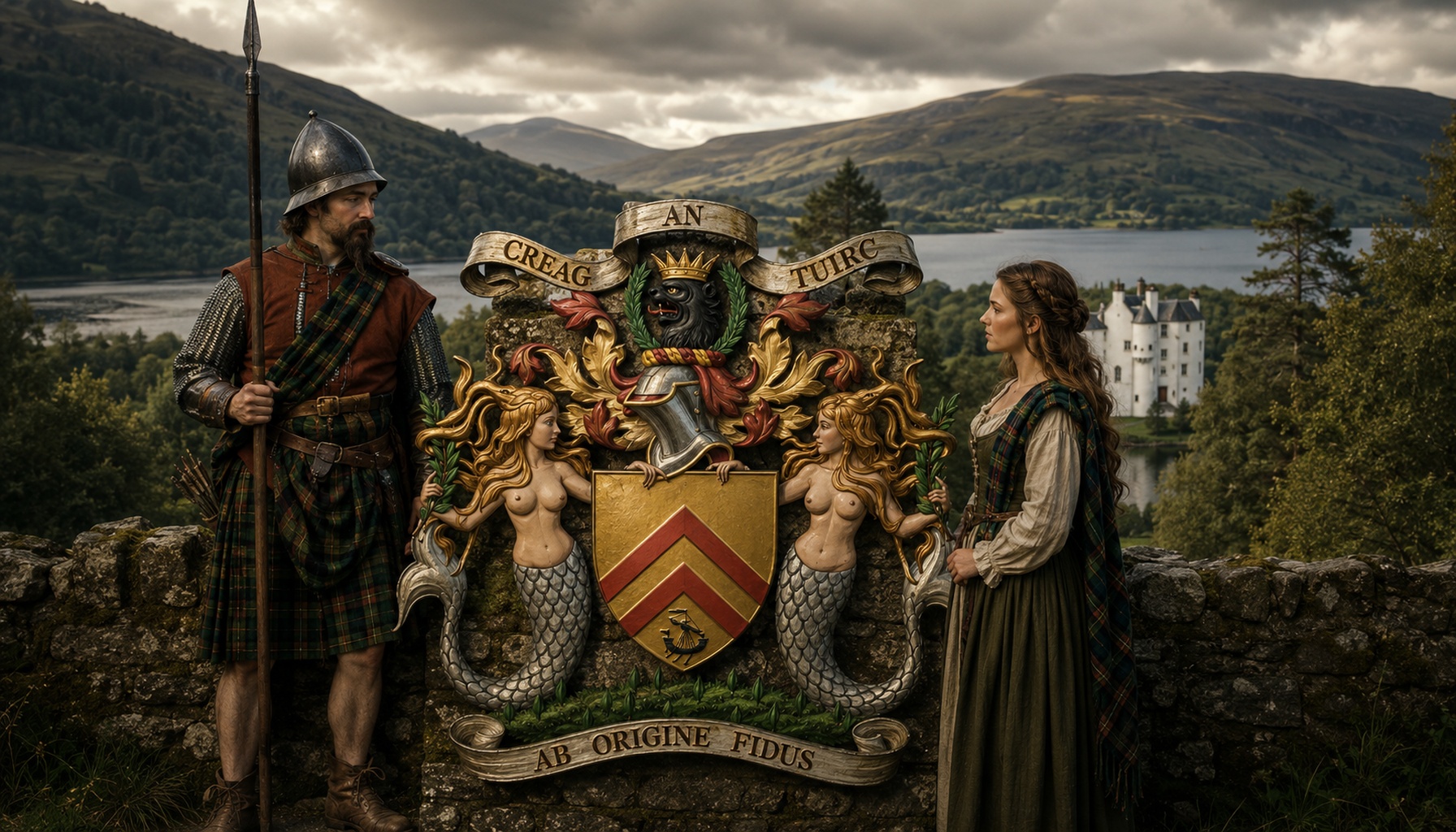
Clan MacLaren was a Highland Scottish clan rooted above all in Balquhidder, in Perthshire, with deep Gaelic ancestry and a long memory of land, kinship, and service. In clan terms, the MacLarens belong to that very recognisable central Highland world where family identity was built not simply on a surname, but on territory, alliance, obligation, and survival. Their primary linked haplogroup here is R1b1a1b1a1a2c1a1f1a1, a lineage tag that sits within a wider western European genetic story often associated with later Bronze Age and Iron Age populations.
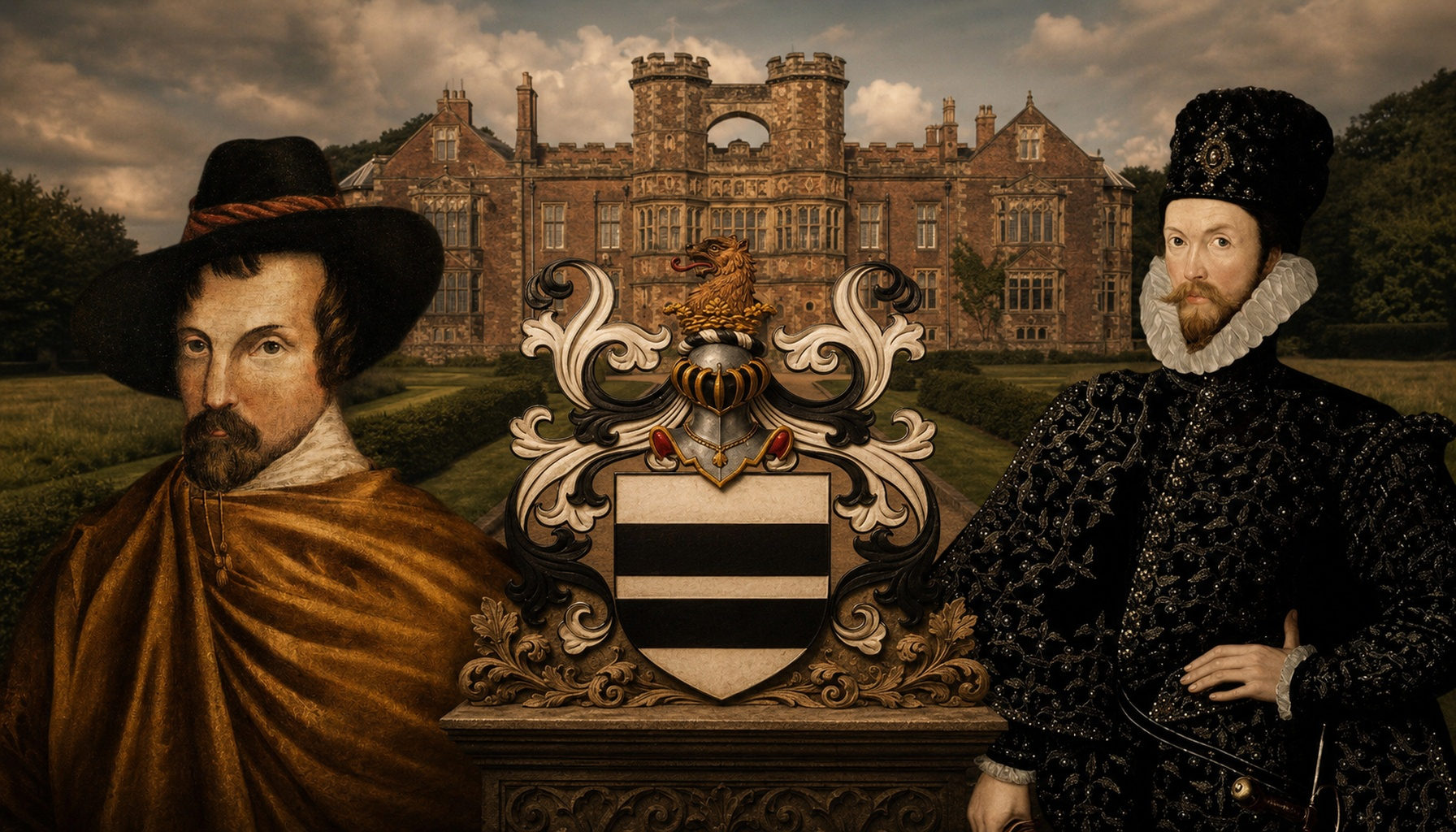
The MacLarens emerged in a landscape shaped by medieval Gaelic lordship, shifting Highland power, and the practical business of holding ground in a contested region. Their story is not one of uninterrupted grandeur, but of resilience: maintaining identity through turbulent clan politics, pressure from stronger neighbours, and the long historical changes that altered Highland society. Heraldry, oral memory, bonds with allied clans, and attachment to ancestral lands all mattered. Figures associated with MacLaren history include early chiefs remembered in clan tradition, later chiefs of Balquhidder, and modern representatives such as Donald MacLaren of MacLaren, whose role helped sustain the clan's public identity in more recent times.
Read more about Clan MacGregor
Balquhidder is the clan's great anchor, and without it the MacLaren story makes much less sense. This is a Highland parish and glen in Perthshire, running west from the head of Loch Voil and linked with Loch Doine, ringed by hills that make the whole district feel both beautiful and strategically enclosed. Historically it sat in the heart of the central Highlands, close enough to major routes to matter, but remote enough to preserve strong local identities. Balquhidder is also famous beyond clan history for its association with Rob Roy MacGregor, who is buried in the old churchyard there. For the MacLarens, though, Balquhidder was not a romantic backdrop but a lived territorial centre: grazing, farming, worship, burial, alliance, dispute, and remembrance all bound the clan to this place. It can still be visited today, and it remains one of those rare landscapes where the geography genuinely helps explain the history.
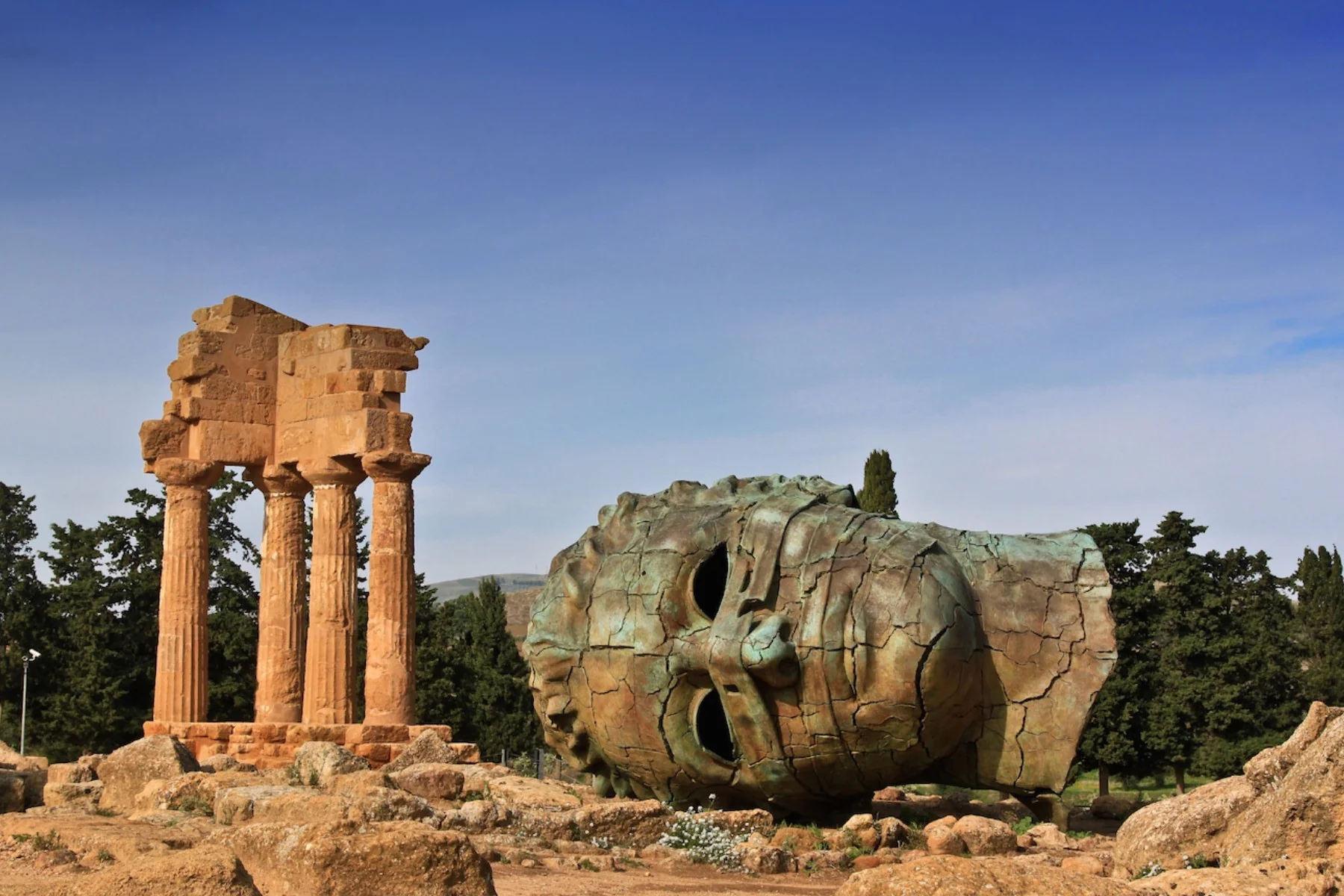
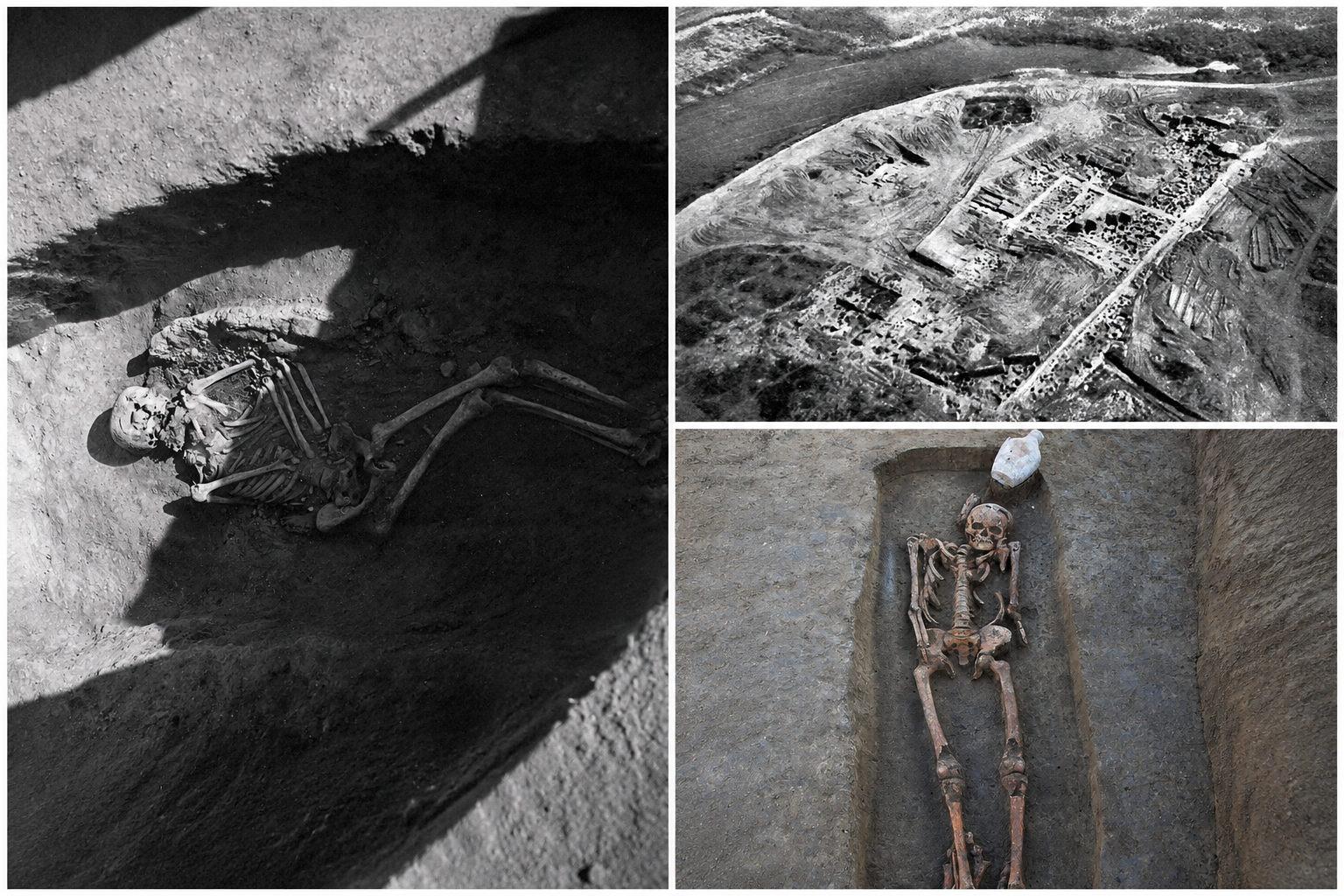
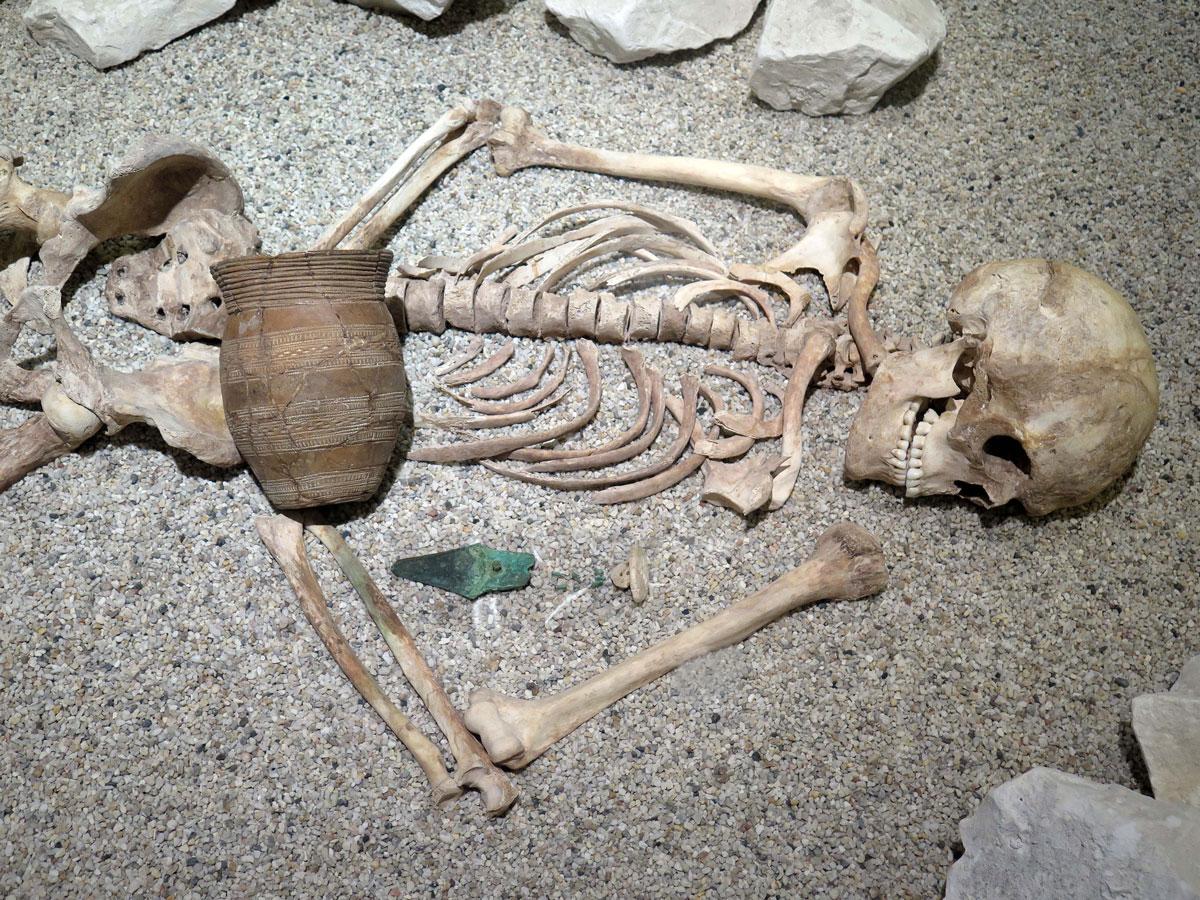
From a DNA point of view, the MacLaren-linked haplogroup R1b1a1b1a1a2c1a1f1a1 connects into a broad and fascinating network of ancient samples across Britain and Europe. Related or linked examples include multiple Celtic Durotriges burials from Duropolis at Winterborne Kingston in England such as WBK12, WBK20, WBK29, WBK41, WBK05, WBK30, WBK43, WBK06, WBK08, WBK18, and WBK191, alongside samples like Celtic Briton Oxfordshire Yarnton England I21182, Iron Age Worlebury Somerset England I11991, Iron Age Hillfort Battlesbury Bowl England I21309, Bronze Age Boatbridge Quarry South Lanarkshire Scotland I5473, Bronze Age Amesbury Down Wiltshire England I2417, Bell Beaker Wiltshire Upavon England I4950, Early Bronze Age England Thames I5377, and Ireland Copper Age Rathlin2B. Beyond Britain, related lineages also appear in places such as Imperial Roman Era Zadar Croatia I26776, Early Medieval Belgium Sint-Truiden Groenmarkt ST2025, Medieval Belgium Outsider Sint-Truiden Onze-Lieve-Vrouwekerk ST1308, Gallic France Parancot CGG023699, Late Roman Conimbriga Portugal R10488, Merovingian Alt-Inden IND013, and Late Roman Klosterneuburg R10656. None of this proves direct descent from any named ancient individual, of course, but it does place the MacLaren-linked paternal line within a much older Atlantic and Celtic-facing genetic world stretching from Bronze Age Britain into Iron Age and later Europe.
Read more about Clan Mackenzie
If Clan MacLaren is part of your family story, DNA can add another layer to the history, showing whether your results connect with this family line or with related ancient samples from Highland Scotland, Iron Age Britain, and the wider Celtic world. Upload your DNA to MyTrueAncestry and see whether you match the MacLaren heritage network or the ancient individuals linked to haplogroup R1b1a1b1a1a2c1a1f1a1.
Comments