Clan Mackendrick
– 2 min read


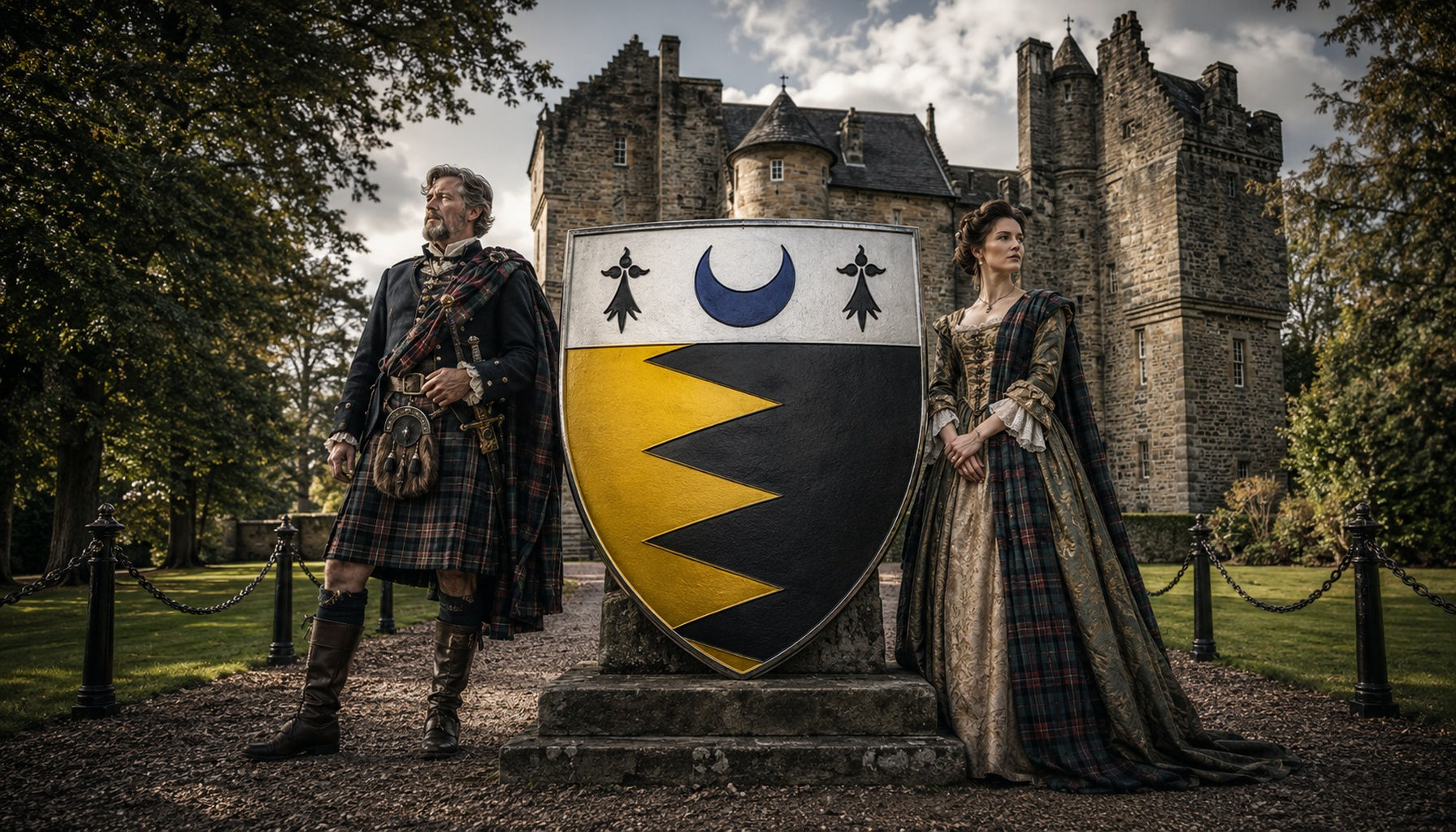
Clan Mackendrick was not one of the great princely houses of Scotland, and that is precisely what makes the name interesting. It belongs to the older Gaelic world of kinship, memory, and descent, where identity was often carried in the surname itself. Mackendrick reflects a patronymic pattern, a name built from ancestry and passed along as a marker of belonging. In that sense, the family stands for something deeply Scottish and deeply Gaelic: not court spectacle, but continuity through local ties, service, movement, and the stubborn survival of family memory. The primary haplogroup linked with the family tradition here is R1b1a1b1a1a2c1a5a2a1a3.
The historical roots of the name sit within the broad Gaelic-speaking world of medieval Scotland, where surnames emerged out of personal names and then hardened into inherited identities. Families such as the Mackendricks were anchored less by claims of royal blood than by long association with place, neighbours, and duty. One early named figure attached to the tradition is Big Henry son of Nechtan, recorded around 900, a wonderfully vivid reminder that early medieval people were often remembered first through kinship and reputation. That, really, is the heart of the Mackendrick story: a family line shaped by regional continuity and the old language of descent.
Read more about Clan Mackenzie
A useful place-anchor for the family tradition is Fordell Castle in Fife, not far from Dunfermline and the Firth of Forth. The site has medieval roots and became associated with a lairdly estate landscape typical of lowland Scotland, where tower, house, chapel, and working lands all formed part of one social world. The castle known today includes a 16th-century tower house, later enlarged and altered, and it stands in an area deeply entangled with the political and economic life of eastern Scotland. This matters because families like the Mackendricks are best understood not as floating names but as people tied to precisely these kinds of places: estates, service networks, parishes, and regional communities. Fordell Castle is still standing, and as a historic site it can still be viewed and visited in some form, though practical access may vary because it is not simply a ruin in an open field but part of a preserved historic property.
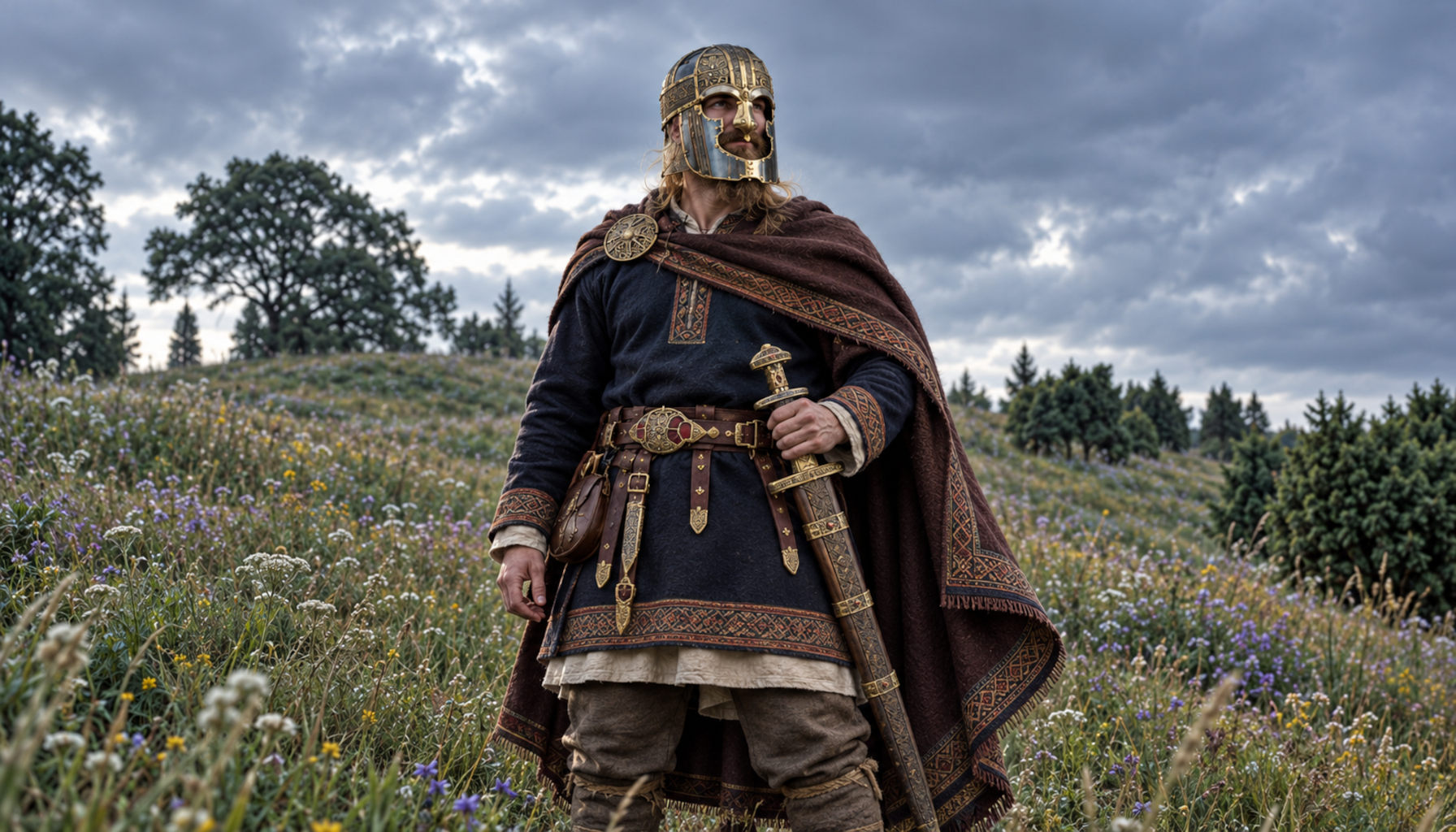
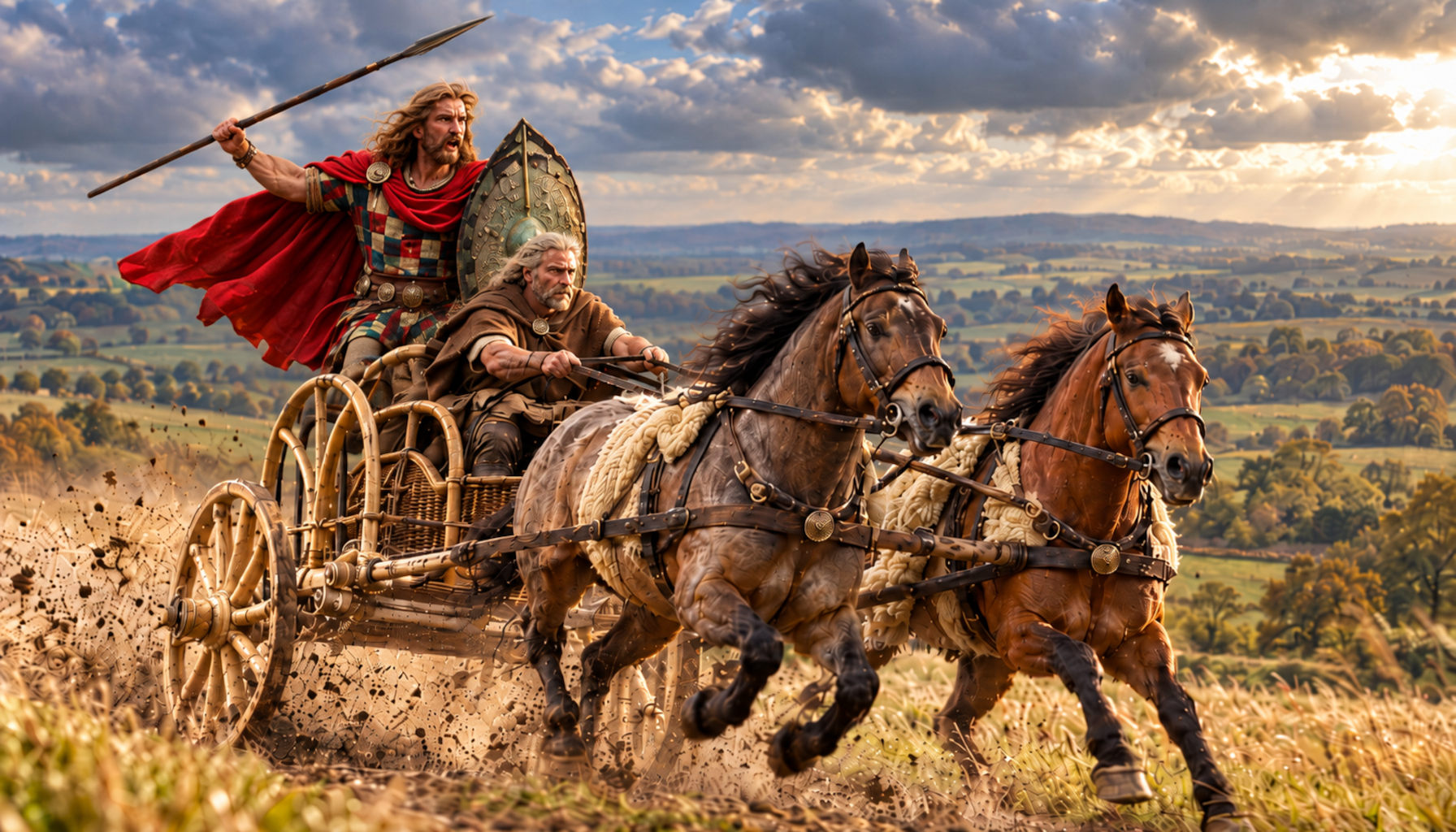
From a DNA perspective, the Mackendrick family is tagged here with haplogroup R1b1a1b1a1a2c1a5a2a1a3, a branch within the great R1b paternal landscape that runs through much of Atlantic Europe and the British Isles. We should be careful, of course: ancient samples do not prove direct descent from any named medieval family unless there is explicit evidence. But they do provide useful linked context. Related or nearby branches appear in ancient individuals such as the Early Anglo-Saxon Cemetery sample from West Heslerton, Yorkshire, I11586; Celtic Briton samples from Carsington Pasture Cave, Derbyshire, I12775, Lechlade-on-Thames, Gloucestershire, I12783, and Bradley Fen, Cambridgeshire, I11156; the Iron Age Gloucestershire sample from Greystones Farm, I12785; and the much earlier Ireland Copper Age individual Rathlin1B. Put together, these samples sketch a long northern and western British story of continuity, mixture, and regional survival rather than a single neat family line descending in a straight row.
Read more about Clan MacGregor
If you carry the Mackendrick name, or suspect a connection to this wider Gaelic surname tradition, the most exciting next step is to test the story against your own DNA. Upload your results to MyTrueAncestry and see whether you match Clan Mackendrick, its linked haplogroup R1b1a1b1a1a2c1a5a2a1a3, or related ancient DNA samples from Britain and Ireland. Family history is rarely a fairy tale of crowns and castles; more often it is something better - real people, real places, and traces that still survive.
Comments