Clan Lumsden
– 3 min read


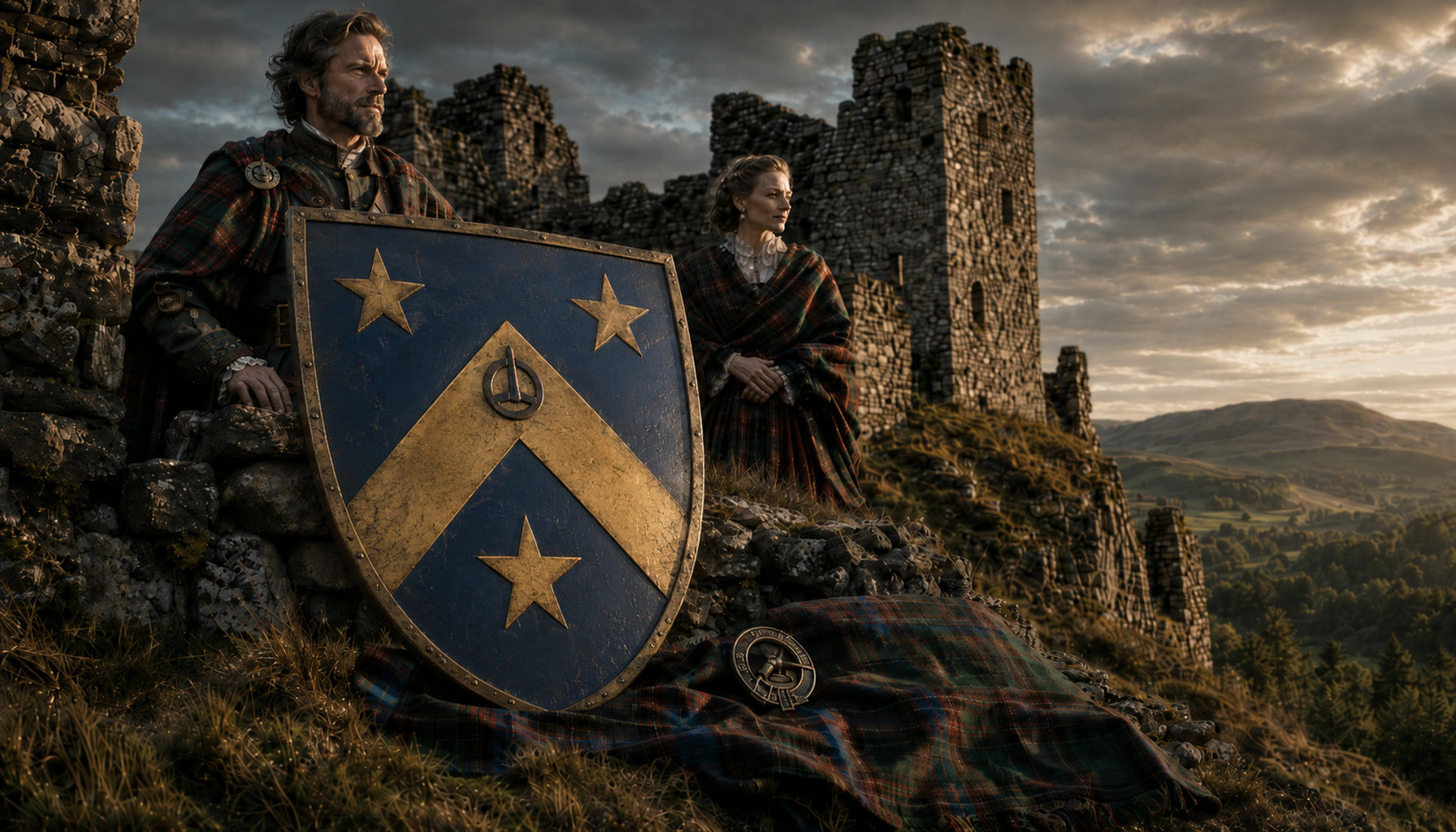
Clan Lumsden was a Scottish landed family of the Lowlands, closely associated above all with Berwickshire and, through later branches and estate history, with Fife and other parts of Scotland. This is the sort of family that tells us a great deal about how Scottish society actually worked outside the Highland stereotype: not simply through a dramatic chief on a misty ridge, but through land, charters, marriages, heraldry, local office, and the steady business of remaining in place long enough to matter. The primary family haplogroup associated here is R1b1a1b1a1a2c1a4a, a paternal line within the wider R1b family long found across Britain and western Europe.
The surname Lumsden is territorial in character, meaning it came from a place-name and from the authority tied to that place. In medieval Scotland, that mattered enormously. A family name was often less a mere label than a statement of where one belonged, what lands one held, and how one was recognised among neighbours and rivals alike. Clan Lumsden emerged from that world of borderland politics and Lowland lordship, where continuity of estate could be as powerful as swordplay. One early named figure is Gillbert de Lumsden, recorded in 1329, and his appearance reminds us that the family was already established enough to be part of Scotland's documented landed society in the age just after the Wars of Independence.
If one place anchors the later story of the Lumsdens particularly well, it is Pitcaple Castle in Aberdeenshire, long associated with the House of Lumsden and treated by the family tradition as one of its major historic seats. The site reflects exactly the sort of layered Scottish residence that families like this built up over centuries: not merely a fortress in the romantic sense, but a lived estate centre, altered, expanded, and adapted as needs changed from defence to domestic display. According to the House of Lumsden material, Pitcaple became a significant family stronghold and remained embedded in Lumsden memory even as later generations spread elsewhere. That matters because castles are not just stones; they are archives in masonry, showing ambition, status, inheritance, and survival. There is reasonable support that the site can still be seen today, at least externally and as part of the local historic landscape, making Pitcaple a meaningful destination for anyone tracing the family in situ rather than only on paper.
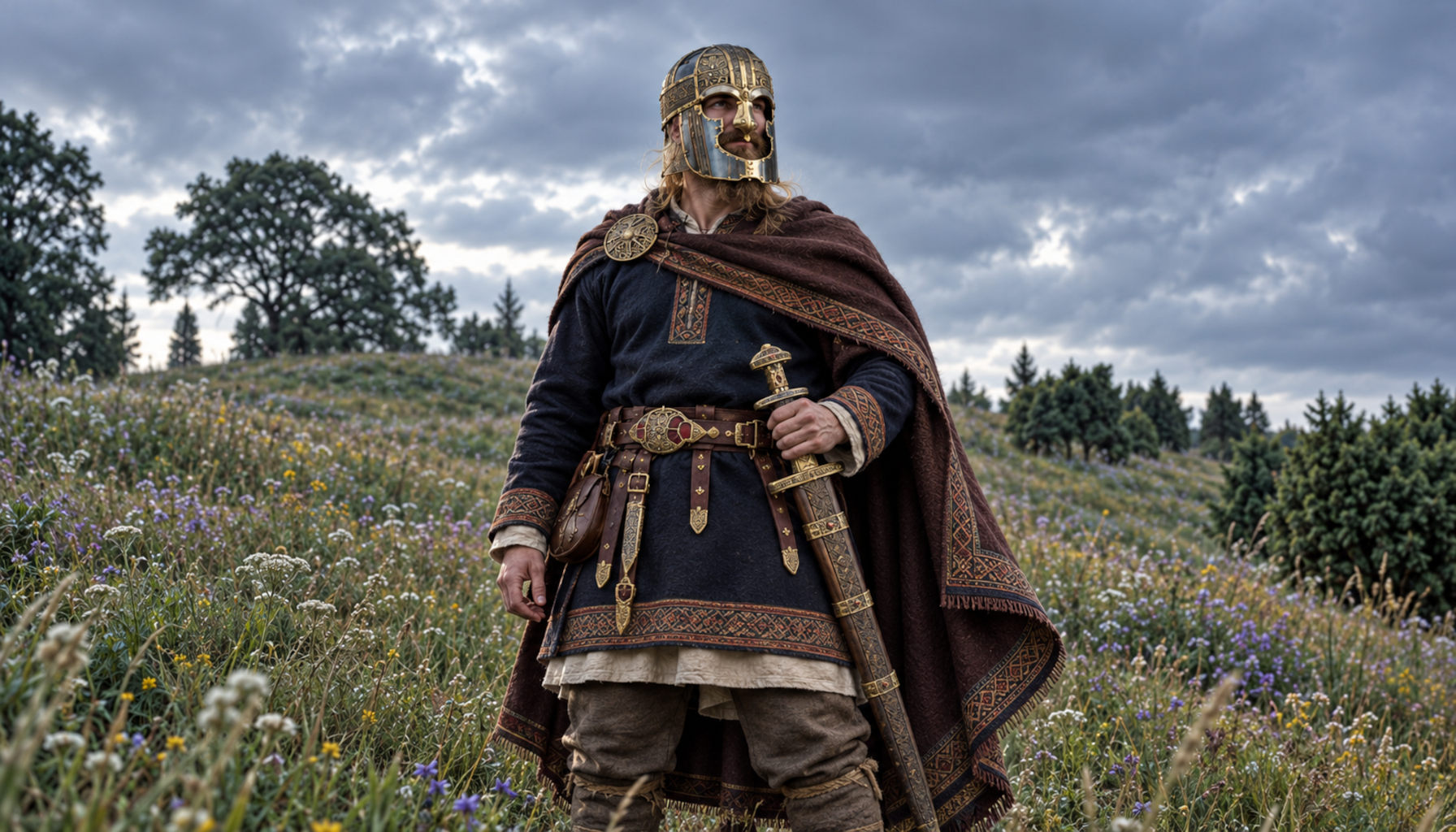
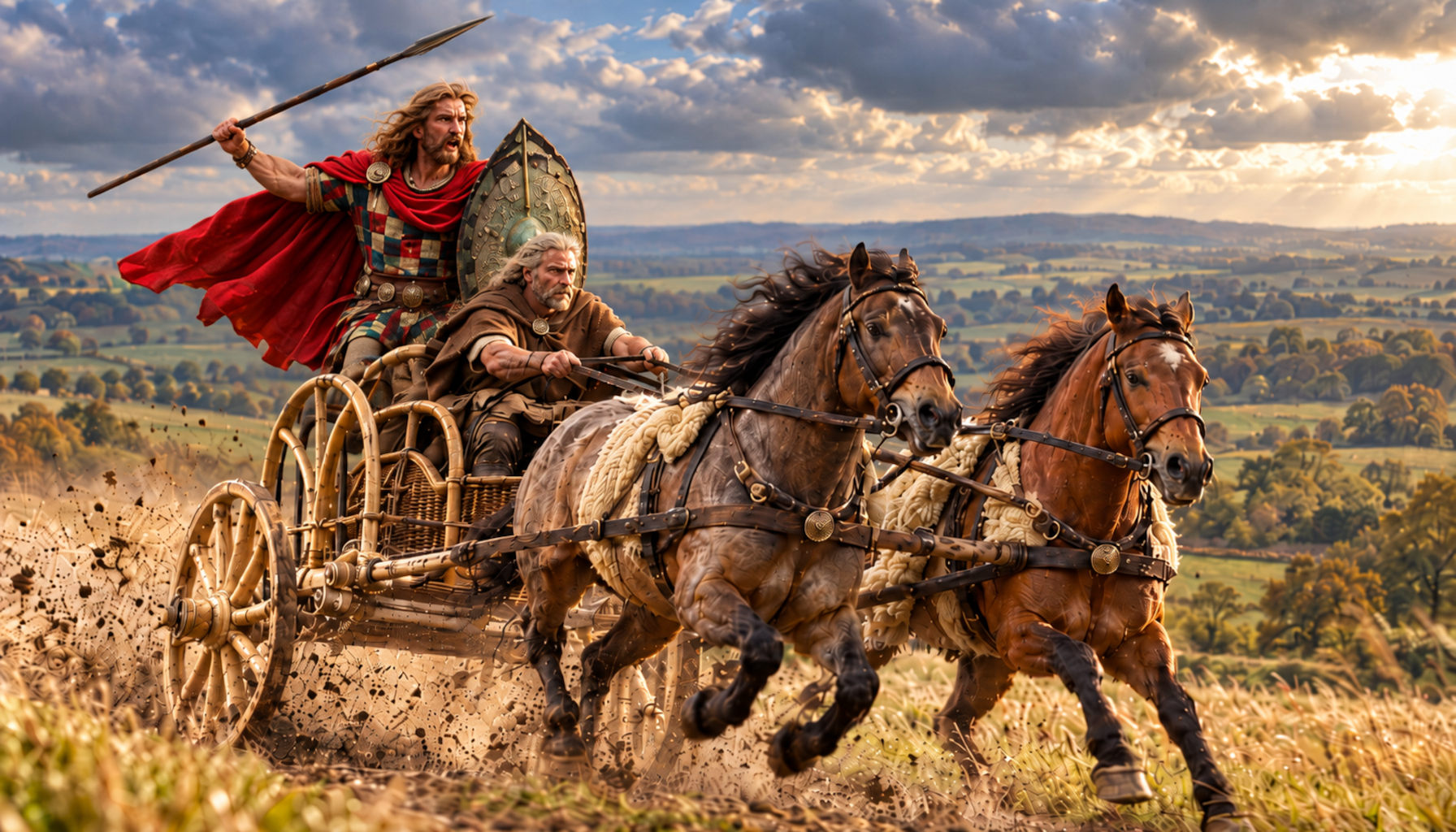
From a DNA perspective, the Lumsden-associated haplogroup R1b1a1b1a1a2c1a4a sits within a very broad and deeply rooted western European paternal story. Related or linked ancient DNA samples carrying this branch or close connections to it appear across a striking range of times and places: Iron Age and Celtic Britain are especially visible through Durotriges individuals from Winterborne Kingston such as WBK12, WBK20, WBK29, WBK41, WBK05, WBK30, WBK43, WBK06, WBK08, WBK18 and WBK191; there are also linked samples from Iron Age Scotland such as Broxmouth in East Lothian and Applecross in the Highlands, from Pict-era Orkney at Mine Howe, from Bronze Age Orkney and Moray, and from Celtic and Iron Age communities across Kent, Oxfordshire, Somerset, Yorkshire, Hampshire, Wales and beyond. The same wider paternal signature also appears in later contexts stretching into Saxon England, medieval Ireland, Belgium, Spain, Croatia, Germany, Hungary and Scandinavia. None of that proves direct descent from any one ancient individual, and it should not be presented that way. What it does show is that the Lumsden paternal line belongs to an old and well-travelled Atlantic and northwestern European genetic tapestry, one entirely at home in the long human history behind Britain and Lowland Scotland.
Clan Lumsden is a fine example of the Scottish landed-clan pattern: territorial identity, regional service, heraldic memory, and durable family roots carried across centuries. If you have Lumsden ancestry, or suspect a connection to the family, uploading your DNA can help you explore whether you match this family group or related ancient DNA samples from Iron Age Britain, Pictish Scotland, and the wider medieval northwestern European world.
Comments