Clan Leslie
– 3 min read


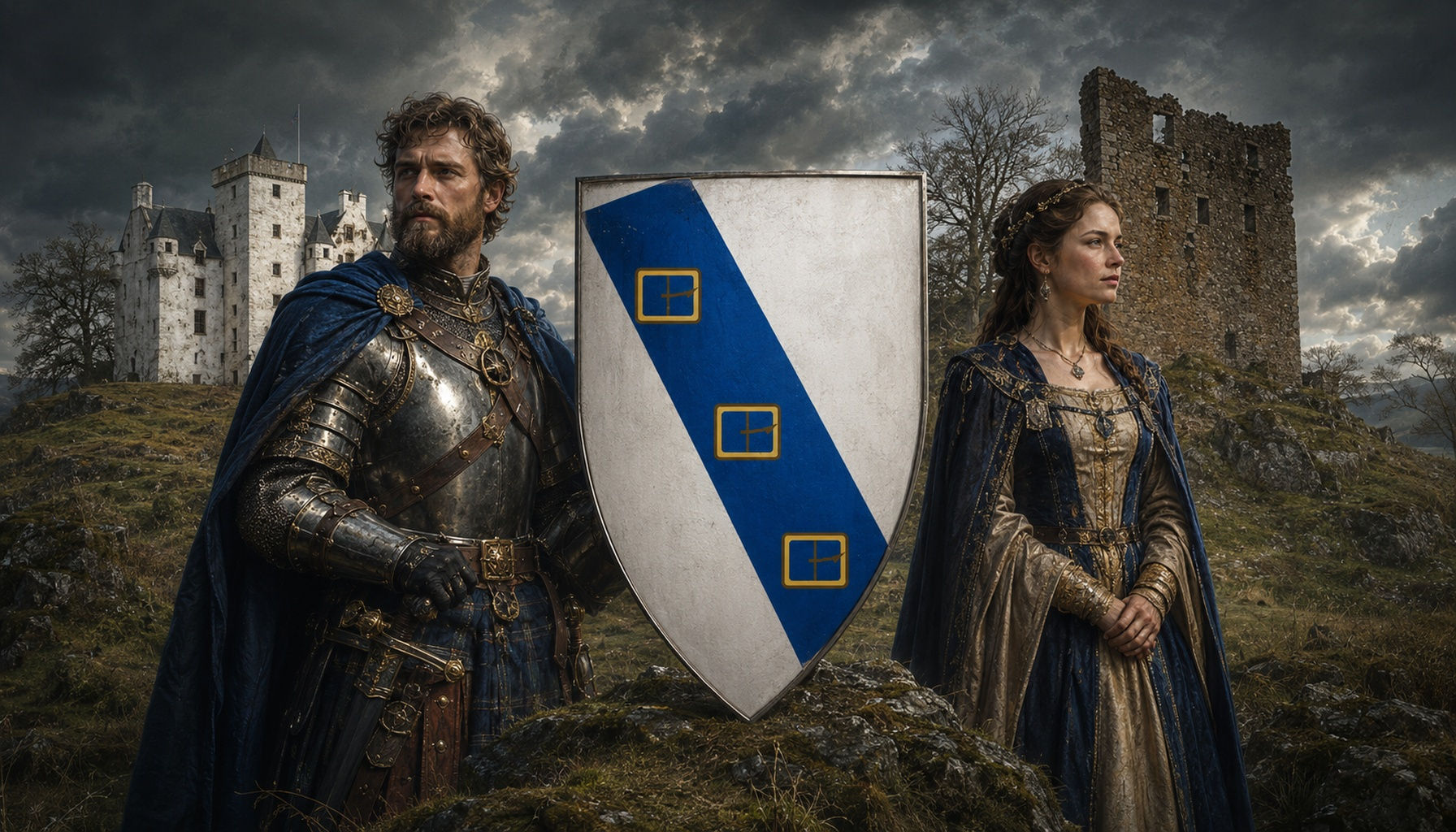
Clan Leslie was one of the notable noble families of Lowland Scotland, rooted above all in Aberdeenshire and closely tied to the political culture of land, lordship, royal service, and family alliance. In historical terms, the Leslies fit that classic Scottish noble-clan pattern rather well: they were not simply local lairds sitting still on their estates, but a family that built prestige through military participation, court connections, marriage strategy, and a reputation that reached well beyond Scotland. The haplogroup linked here with Clan Leslie is I1a3a1a2a1, treated as the primary family haplogroup in this heritage profile.
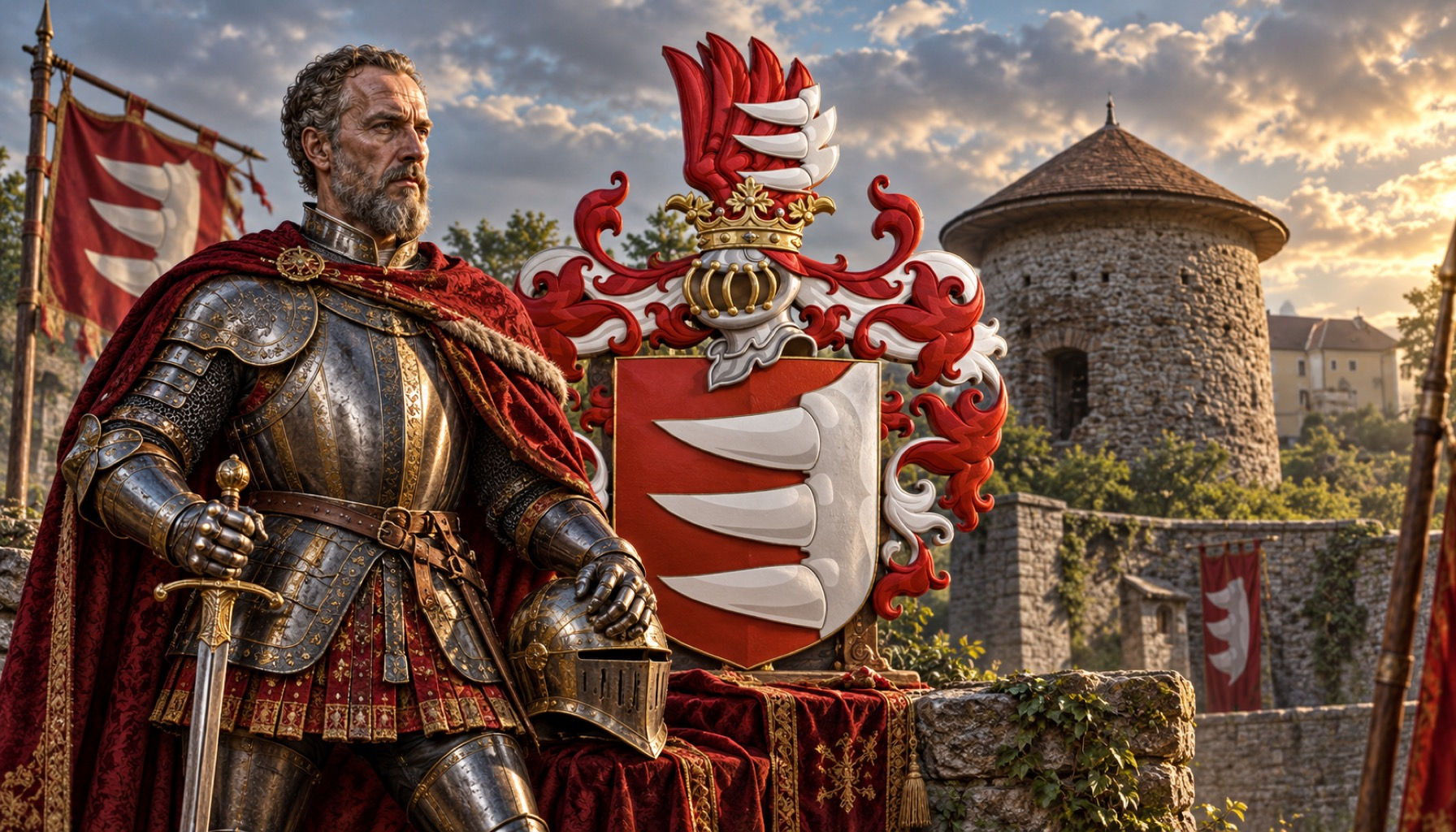
The surname itself is commonly connected to Leslie in Fife, with the family emerging in medieval Scotland during the great age when royal patronage, territorial control, and knightly service could turn a landholding house into a durable dynasty. Over time the Leslies became especially prominent in the northeast, where their estates and fortified seats helped anchor their standing in Aberdeenshire society. Heraldry, public duty, and remembered loyalty to crown and kin all became part of Leslie identity. Among their historic figures, George Leslie, Earl of Rothes, active in the mid fifteenth century and associated with 1447, stands as one of the named members who reflects the family's status within the Scottish nobility.
One of the strongest location anchors for Clan Leslie is Balquhain Castle in Aberdeenshire, near Chapel of Garioch. This was a long-standing seat of the Leslies of Balquhain and a place where the family story becomes wonderfully tangible. The present ruin largely dates from the sixteenth century, though it stands on an older site and reflects that familiar Scottish pattern of rebuilding, extension, and adaptation over generations. Architecturally it is known as a tower house, later expanded into a more complex residence, and it once formed part of a wider landed landscape rather than existing as an isolated romantic ruin. In other words, Balquhain was not just a picturesque shell; it was a working symbol of estate power, security, household management, and family continuity. Its later decline into ruin is part of the history too, because ruined castles in Scotland often tell us as much about changing politics and patterns of residence as intact ones do. The site is still known and can be viewed today, so for visitors interested in Clan Leslie it remains a real and visitable point of connection with the family's Aberdeenshire world.
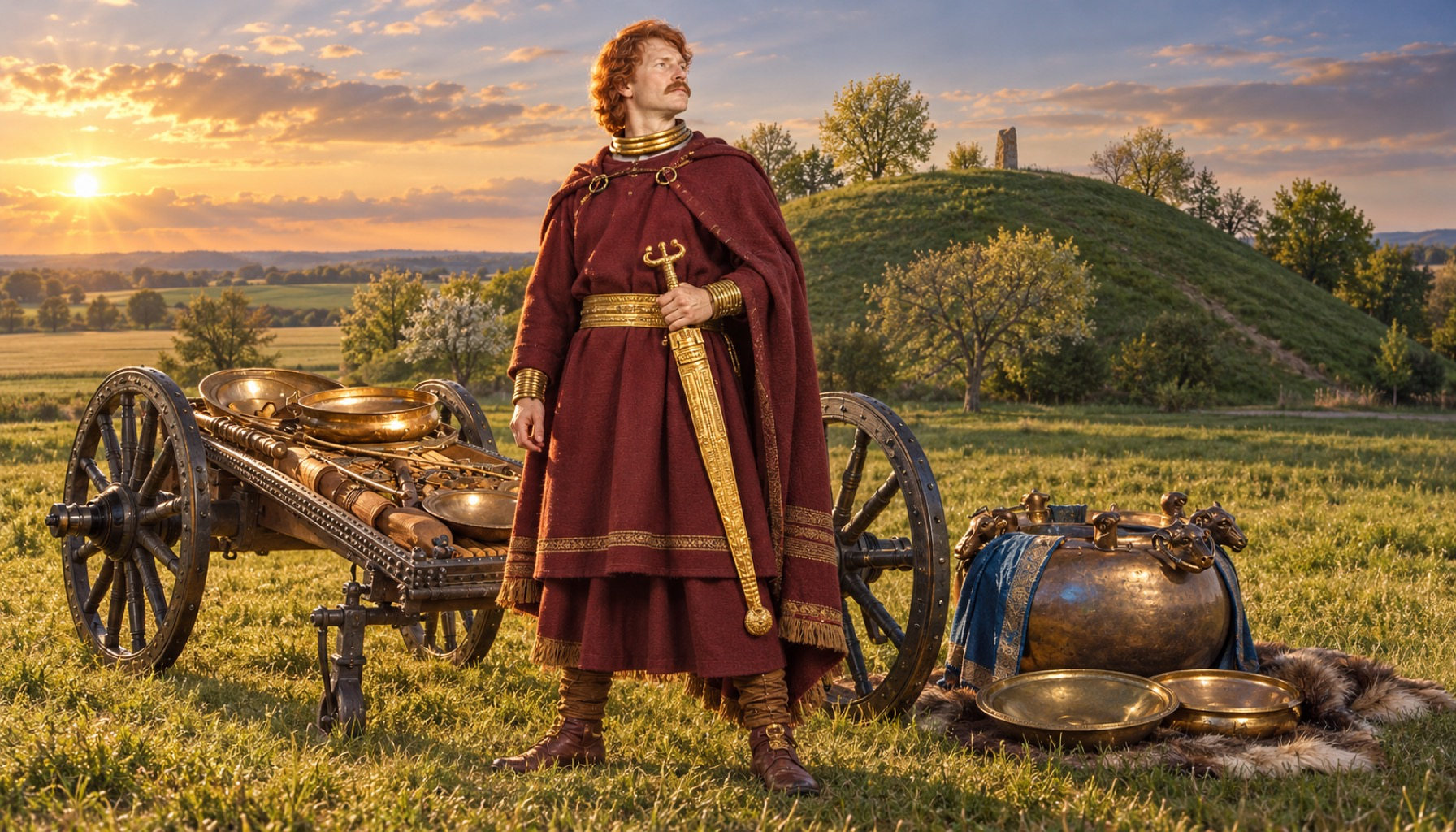
From the ancient DNA side, the Leslie-linked haplogroup I1a3a1a2a1 also appears in a spread of earlier European and Migration Period contexts. Related or linked samples include RKF054 from Migration Period Rakoczifalva in Hungary, KUP014 from an Early Avar elite grave at Kunpeszer in Hungary, VIM5 from Late Antique Roman Viminacium in Moesia, Serbia, I41203 from a Gothic grave at Aul of Kan Omurtag in Han Krum Village, Bulgaria, PL057, PL059, PL062, and PL071 from the Gothic-associated Maslomecz Wielbark group in Poland, GRK021 from Migration Period Grodek nad Bugiem in Poland, and TMH-509 from the Frankish Empire, post-Avar Hungary at Tiszafured-Majoros-halom. That does not mean these people were direct ancestors of Clan Leslie, and we should be careful not to turn genetic resemblance into a fairy tale of certainty. What it does show is that this paternal line has a deep and mobile history across northern and central Europe, surfacing in communities linked with Goths, frontier populations, post-Roman societies, and elite burials in the centuries before medieval Scotland came into view.
If you are exploring Leslie family history, this is where the story becomes particularly interesting: documents, castles, heraldry, and noble memory can now be set beside DNA evidence and ancient population history. Upload your DNA to MyTrueAncestry to see whether you match Clan Leslie, or related ancient samples linked to haplogroup I1a3a1a2a1, and place your own family story in a much longer human timeline.
Comments