Clan Leask
– 2 min read


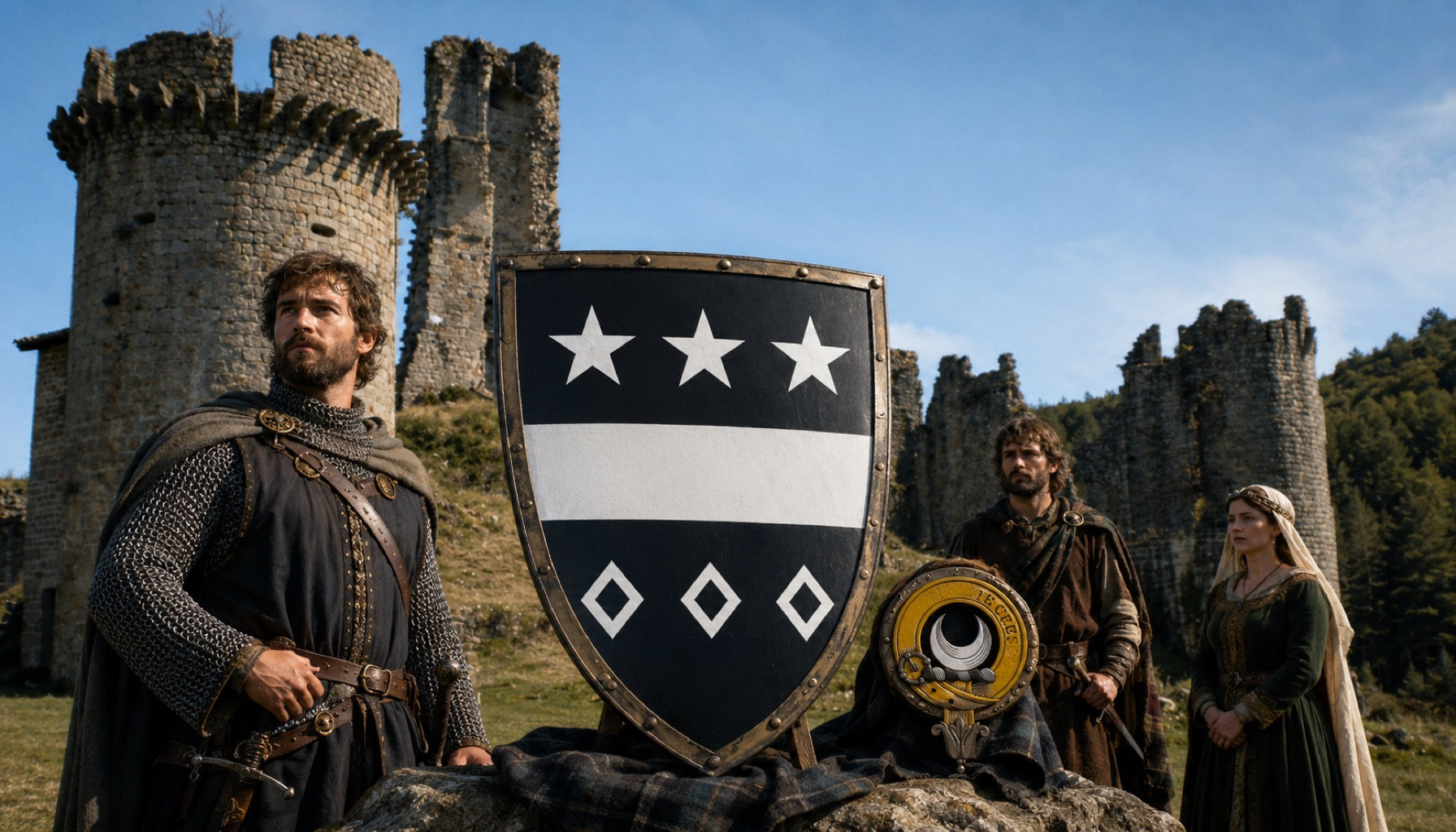
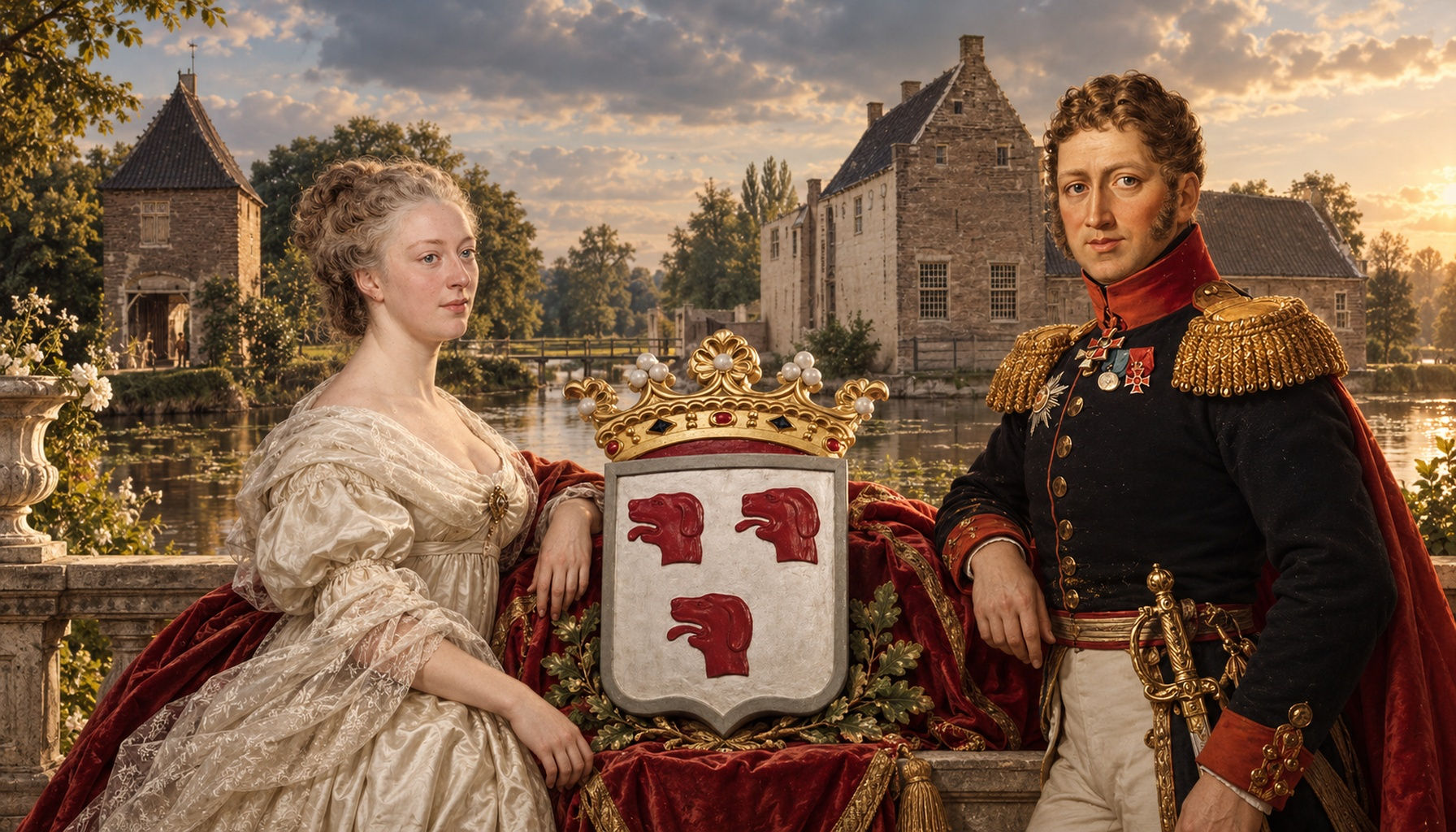
Clan Leask was one of the old landed families of Aberdeenshire in northeastern Scotland, shaped by the local pattern of estate, service, and surname continuity that defined much of Scottish clan life outside the Highlands. The Leasks are remembered through chiefship, property, heraldry, and public duty, with their identity rooted not only in kinship but in place and responsibility. In genetic tagging terms, the primary family haplogroup linked here is R1b1a1b1a1a2c1a5b1a1a2a1a, a branch that fits neatly into the wider story of northwestern European ancestry and long regional continuity.
The family background is richer than a bare clan label suggests. Clan Leask belongs to that northeastern Scottish world where lineage was expressed through landed authority, local influence, and the long memory of names attached to estates. Their surname is usually connected to the lands of Leask in Aberdeenshire, and the earliest recorded figure often cited is William de Laskereske in 1296, placing the family firmly in the documentary world of medieval Scotland. That period was one of shifting loyalties, crown authority, feudal record keeping, and regional power, and the Leasks emerged from exactly that historical setting: a territorial family whose heritage was built through landholding, civic or military service, and an enduring place in the society of the northeast.
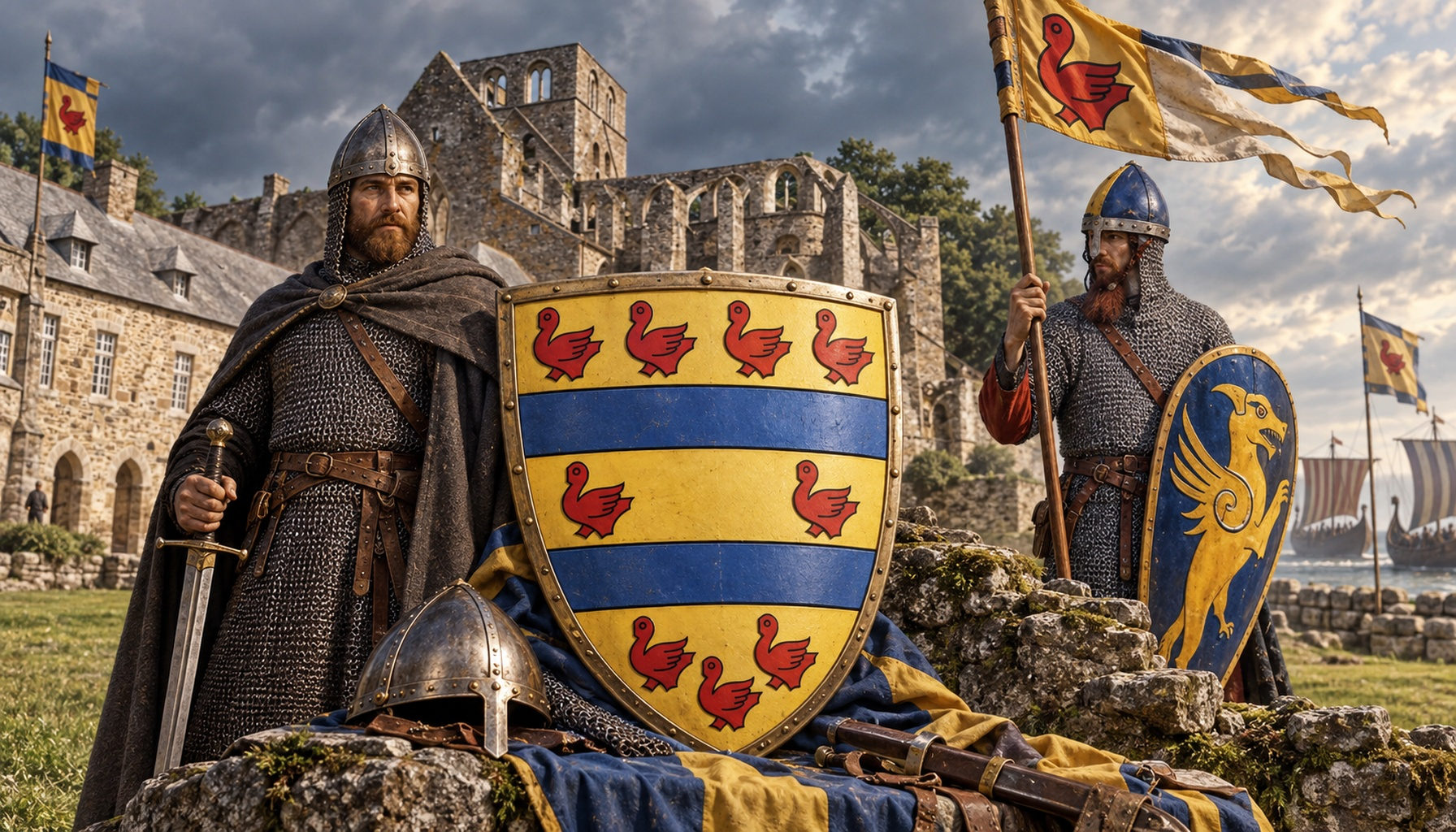
A broader tradition links the family more distantly to Boulogne, and that makes Chateau de Boulogne a fascinating location anchor for the deeper historical imagination around the name. Boulogne-sur-Mer, on the northern French coast, was a major medieval centre with strong cross-Channel importance, closely tied to the movements of nobles, soldiers, churchmen, and administrators between France and the British Isles. The Chateau de Boulogne-sur-Mer, in its present form largely a 13th-century castle built by Count Philippe Hurepel, stands within the old walled town and occupies a site of long strategic significance. With its moat, massive masonry, and commanding position, it reflects the kind of fortified aristocratic world from which many later British and Scottish landed traditions drew inspiration or ancestry stories. It is also a real place that can still be visited today, which gives this part of the Leask origin tradition a satisfying physical anchor rather than leaving it as a vague medieval echo.
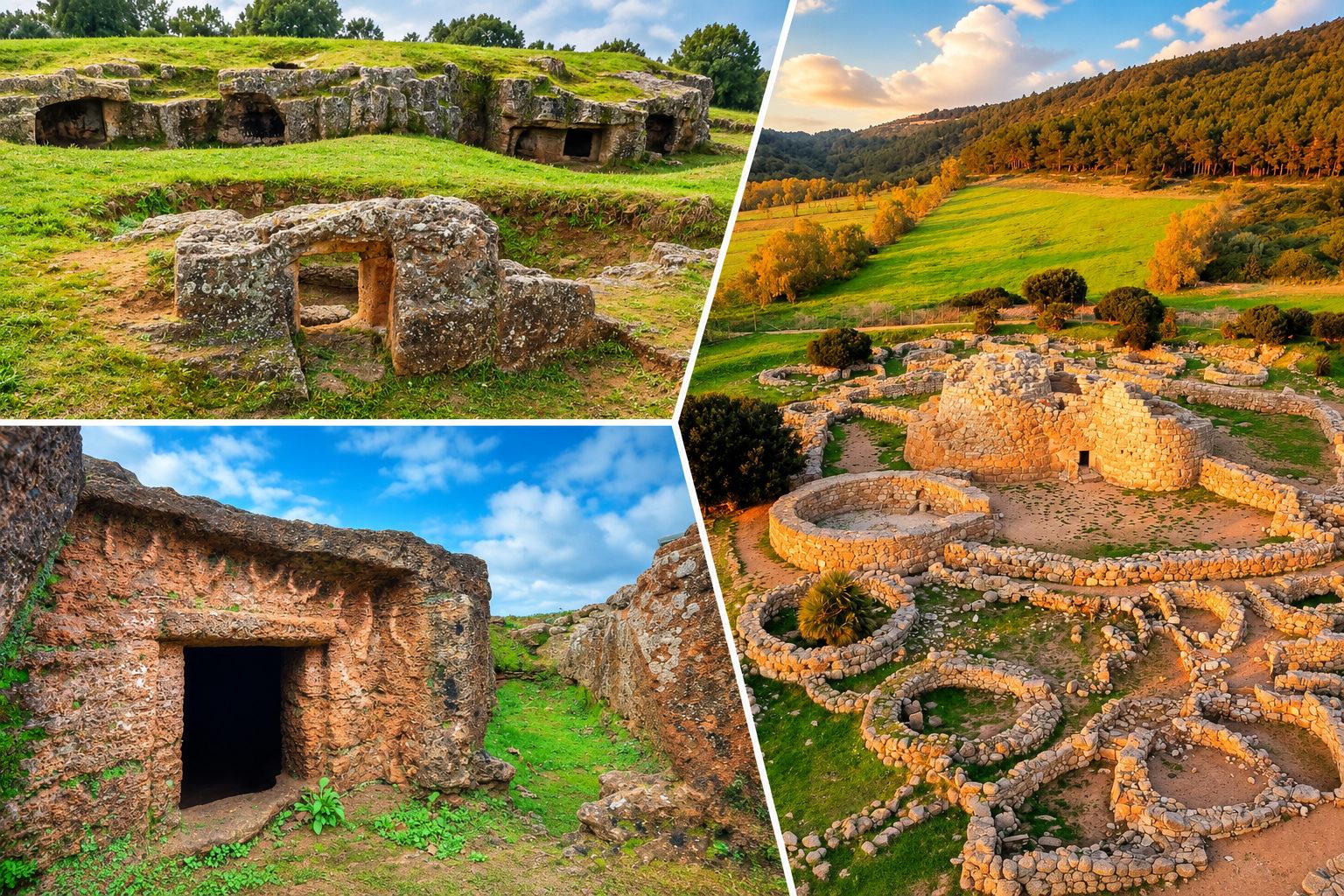
On the ancient DNA side, the haplogroup tag R1b1a1b1a1a2c1a5b1a1a2a1a can be placed alongside a range of linked or related samples from the British and North Atlantic world. These include Anglo-Saxon Oakington, England, sample OAI012; Celtic Briton Carsington Pasture Cave, Derbyshire, sample I12778; Iron Age Middle Wallop, Suddern Farm, England, sample I16611; and a Danish-Gaelic Viking Age Iceland individual, SSG-A2. These are not evidence of direct descent from Clan Leask, and it is important not to pretend otherwise. What they do offer is a vivid genetic backdrop: this haplogroup branch appears in populations connected to Iron Age Britain, early medieval England, and the Norse-Gaelic Atlantic zone, all of which help illuminate the wider ancestral landscape in which a family like the Leasks later took shape in Scotland.
If you carry Leask ancestry, or simply want to see how your DNA may connect with the older population history behind Scottish families, upload your DNA to MyTrueAncestry and explore the ancient matches for yourself. It is a great way to place family history, surname tradition, and deep ancestry into one much bigger story.
Comments