Clan Kinninmont
– 3 min read


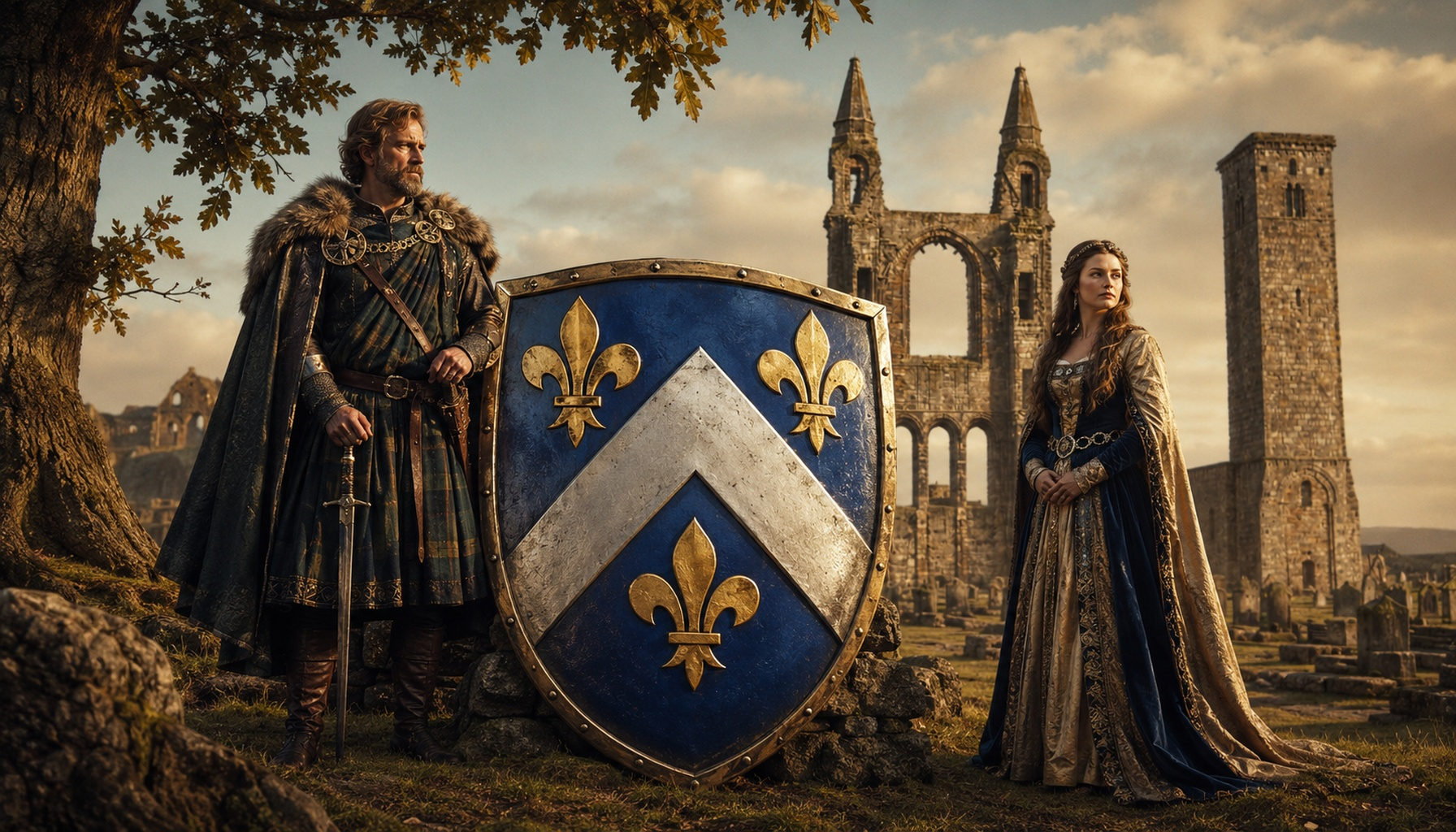
Clan Kinninmont was one of those distinctly Scottish landed families whose identity grew not from a vast Highland confederation, but from place, tenure, service, and the stubborn continuity of a surname tied to local ground. The family is associated above all with Fife and the Lowland pattern of territorial naming, where a name such as Kinninmont or Kininmund signalled origin from an estate or locality and then, over time, became a hereditary badge of belonging. In that sense the Kinninmonts belong to the world of Scottish armorial families: remembered through landholding, public duty, heraldic tradition, and the durable memory of lineage. Haplogroup tags linked with this family tradition include R1b1a1b1a1a2c1a5b1a1a2b1, with R1b1a1b1a1a2c1a5b1a1a2b1 treated here as the primary family haplogroup.
The surname itself points to a territorial beginning in eastern Scotland, and its historical setting is the medieval and later Lowlands, where families rose through administration, church service, estate management, and regional influence as much as through battlefield fame. That is exactly the kind of world in which the Kinninmonts appear. One early and striking figure is Alexander de Kininmund, Bishop of Aberdeen in 1329, whose career shows the family already moving in circles of education, ecclesiastical authority, and royal government. Much later, Sir William Kinninmonth (1904-1988), the noted architect, carried the name into modern public life, a reminder that Scottish family identity often survives by adapting rather than by standing still. The Kinninmont story is therefore not a tale of noise and spectacle, but of rootedness, office, memory, and the long life of a local name.
The great location anchor for the family is Craighall Castle in Perthshire, not far from Blairgowrie, a place that gives the Kinninmont story real stone walls and not just paper records. The castle is a striking tower house with later additions, dramatically set above the River Ericht, and the site has deep roots going back to the medieval period. Over the centuries Craighall became the seat of the Kinninmonts of that Ilk, and like so many Scottish family houses it was both residence and statement: a practical stronghold, a symbol of status, and a visible claim to continuity in the landscape. Its architecture reflects that layered history, with the old tower at its core and later work showing the way noble and gentry families reshaped their houses as tastes and needs changed. Craighall is especially valuable because it keeps the Kinninmont heritage tied to a real geography of eastern Scotland rather than floating away into vague clan romanticism. It has been used as visitor accommodation in modern times, so it can still be visited in a reasonable sense, even if access may depend on current arrangements.
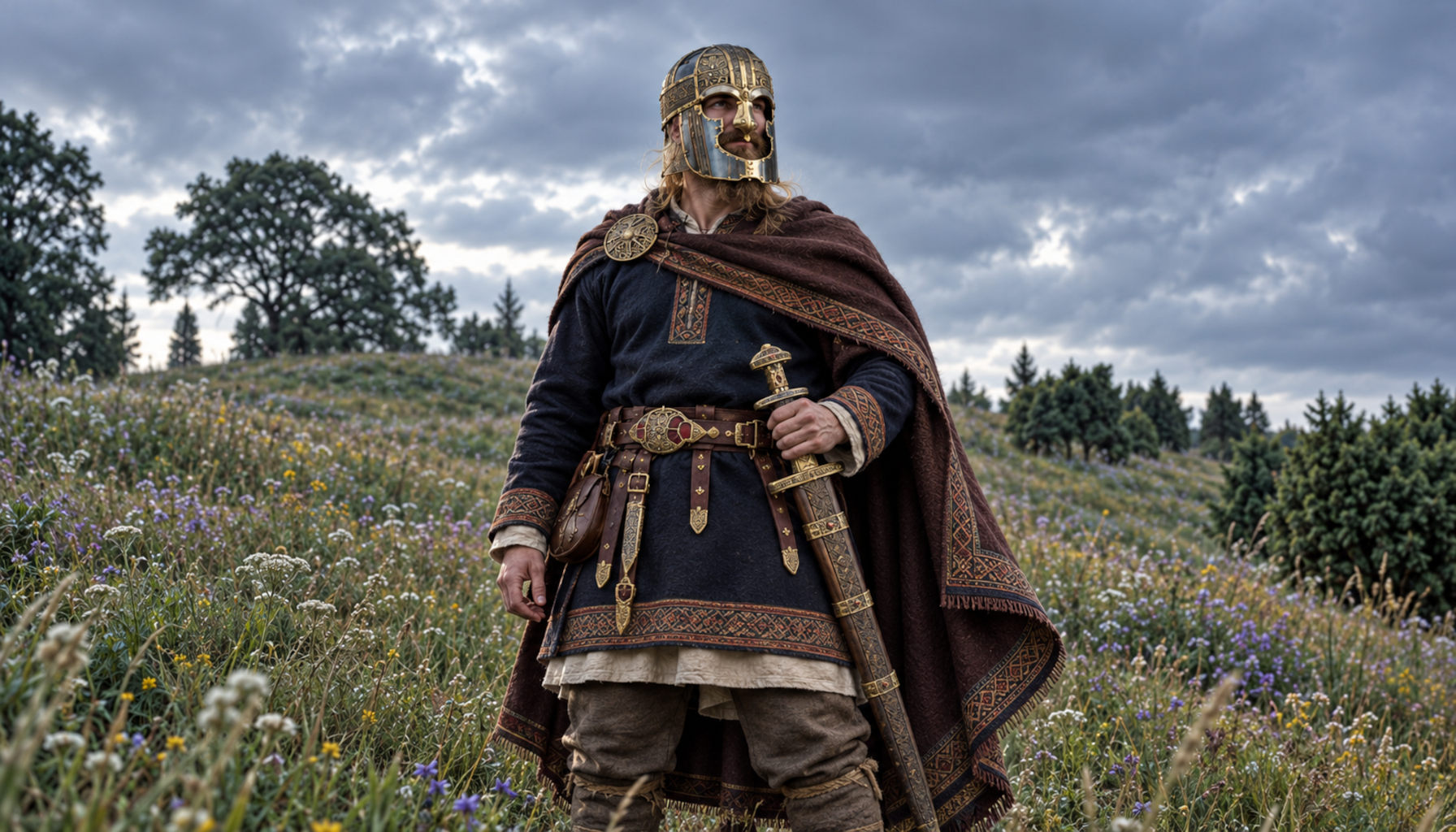
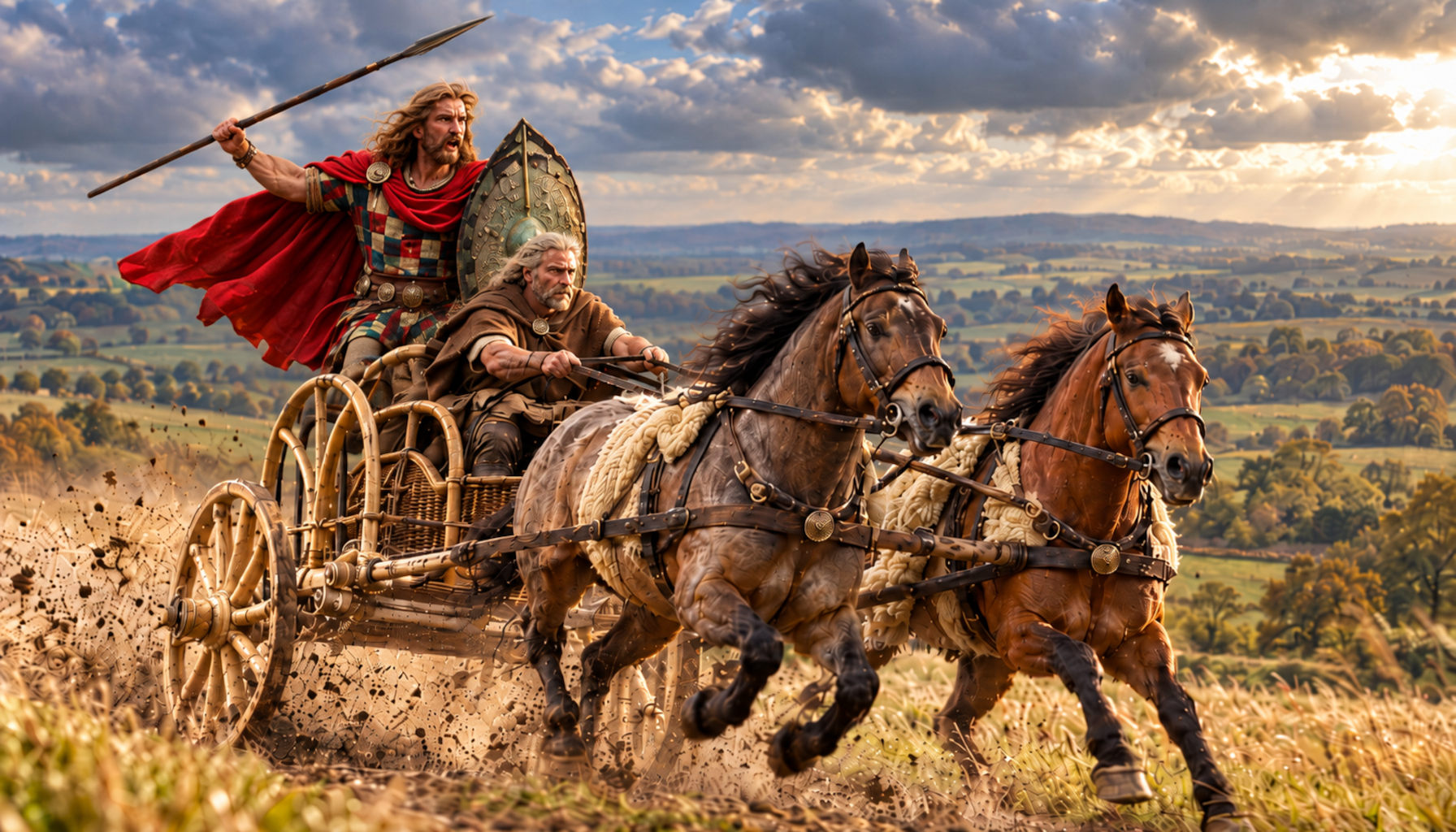
From a DNA perspective, the Kinninmont haplogroup association is tagged to R1b1a1b1a1a2c1a5b1a1a2b1, a branch with clear relevance to the deep population history of Britain and the North Atlantic world. It is important not to pretend that ancient samples are proven Kinninmont ancestors; they are better understood as related or linked reference points that help sketch the older human background from which later Scottish families emerged. Among those linked samples are Early Anglo Saxon Cemetery, West Heslerton, Yorkshire (I11586), Anglo Saxon Oakington, England (OAI012), Celtic Briton individuals from Carsington Pasture Cave in Derbyshire (I12778 and I12775), Lechlade-on-Thames in Gloucestershire (I12783), Bradley Fen in Cambridgeshire (I11156), Iron Age Middle Wallop Suddern Farm (I16611), Iron Age Greystones Farm in Gloucestershire (I12785), the Copper Age Irish individual Rathlin1B, and even the Danish Gaelic Viking Age Iceland sample SSG-A2. Taken together, these do not prove a single family line, but they do place the Kinninmont haplogroup within a broad and fascinating genetic landscape that includes Iron Age Britons, later Celtic-speaking populations, Anglo-Saxon era communities, Irish Bronze Age links, and Norse-Gaelic movement around the North Sea world.
If the Kinninmont story feels familiar, that is because it captures something central about Scottish history: families made by land, service, memory, and survival across centuries. Upload your DNA to MyTrueAncestry to see whether you match Clan Kinninmont or any of the related ancient DNA samples linked to haplogroup R1b1a1b1a1a2c1a5b1a1a2b1, and to place your own family story in the wider human past.
Comments