Clan Kinkaid

– 2 min read


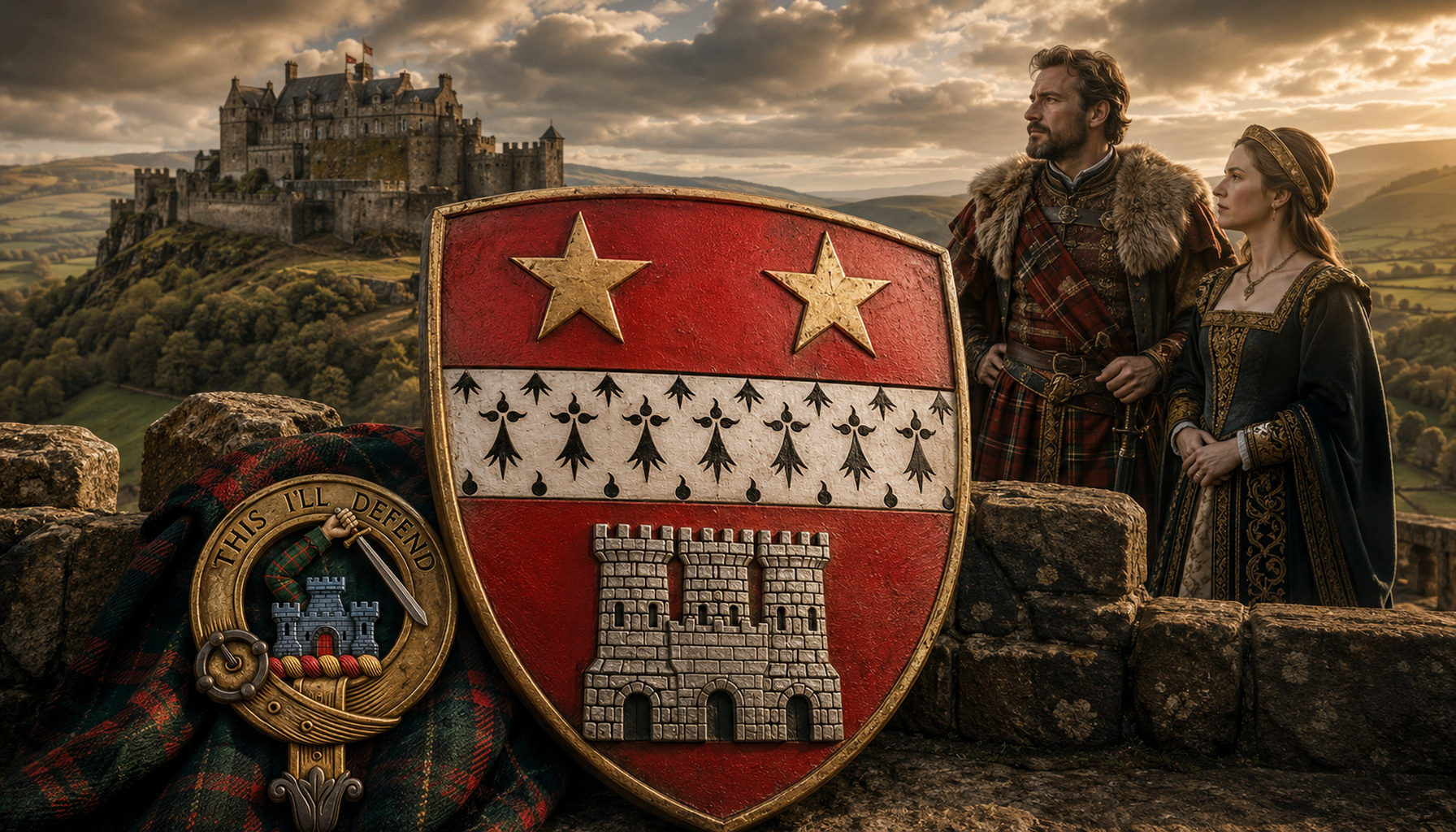
Clan Kinkaid was a Scottish family of territorial origin, rooted in Stirlingshire and named from the lands of Kincaid themselves, with the primary family haplogroup tagged here as R1b1a1b1a1a1c2b2a1b1a4b2a2b1. In other words, this is a classic Lowland story: a surname born from place, then preserved through estate, office, marriage, heraldry, and the stubborn continuity of local standing. The Kinkaids were not one of the vast, headline-grabbing Highland kindreds, but they belong very clearly to the Scottish clan world, especially the armorial and landed tradition that shaped so much of medieval and early modern Lowland identity.
The family emerged in a region where land was not just property but personality. To be "of Kincaid" was to be tied to a specific patch of the Scottish landscape and to the web of loyalties, disputes, and services that came with it. By 1314 we find the Laird of Kincaid in the historical record, a reminder that the family was already established in the age of Bannockburn and Robert the Bruce, when Scotland's political order was being dramatically remade. Later figures such as Malcolm Kincaid, recorded in 1563, show the surname enduring into the sixteenth century, not as a relic but as part of the active social fabric of Lowland Scotland. That is really the key to Clan Kinkaid: not sheer size, but persistence.
A useful location anchor for thinking about the Kinkaids is Lennox Castle in Dunbartonshire, in the wider Lennox sphere not far from the old Kincaid country. The present castle is a nineteenth-century Scottish baronial mansion built for the Lennox family, later Duke of Richmond connections, and it is one of those places where Scottish aristocratic ambition is written in stone. Over time it passed through very different lives: grand residence, then institutional use, including service as a hospital complex, before falling into ruin. Much of the wider estate landscape became country parkland, and although the roofless castle itself has long been in a dangerous condition and is not freely open as a conventional interior attraction, the site and surrounding grounds remain a real historic landmark in the landscape and the wider area can still reasonably be visited. It is exactly the sort of place that reminds us how Scottish family history is often held not only in charters and surnames, but in built environments that changed with every century.
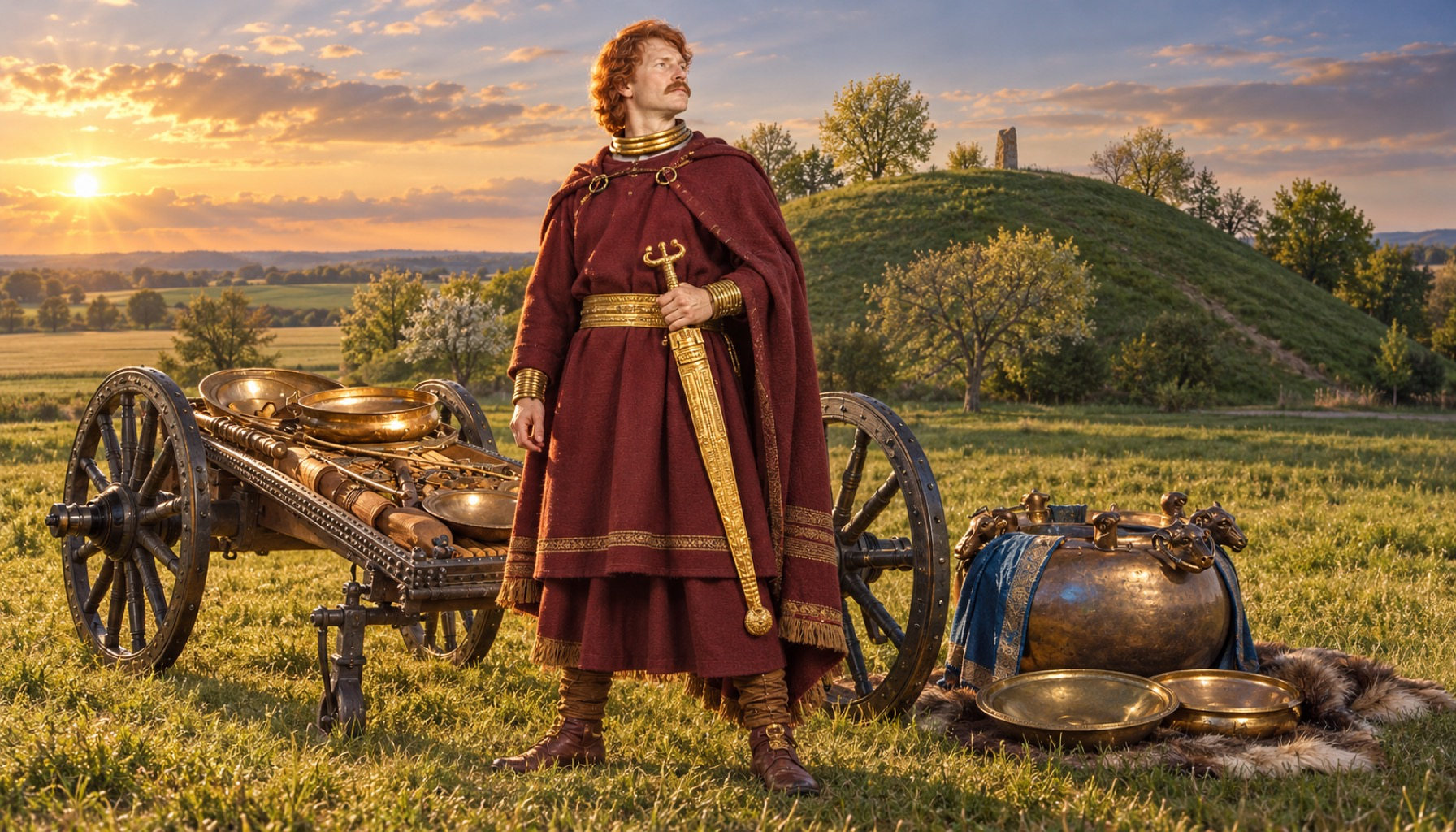
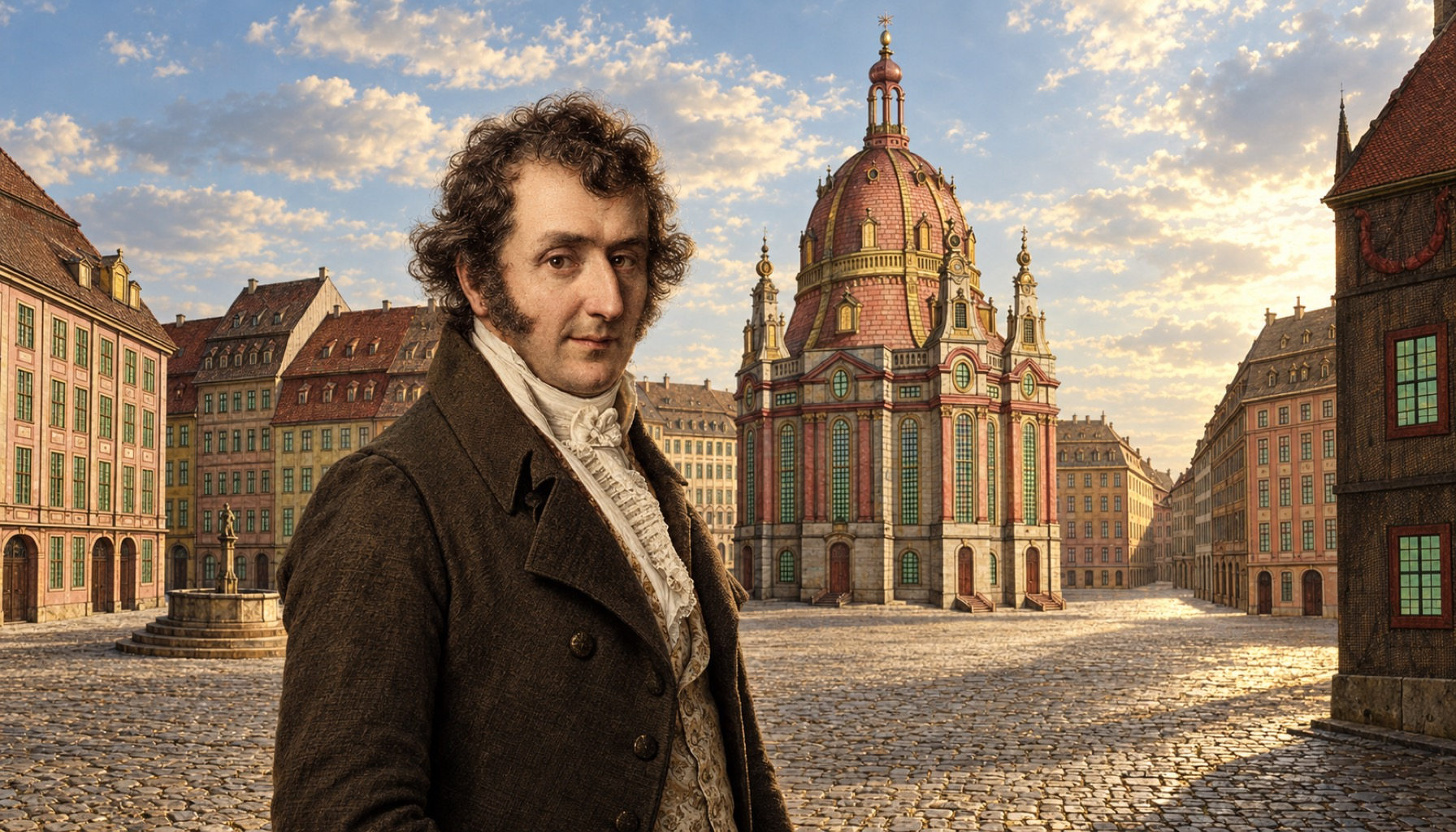
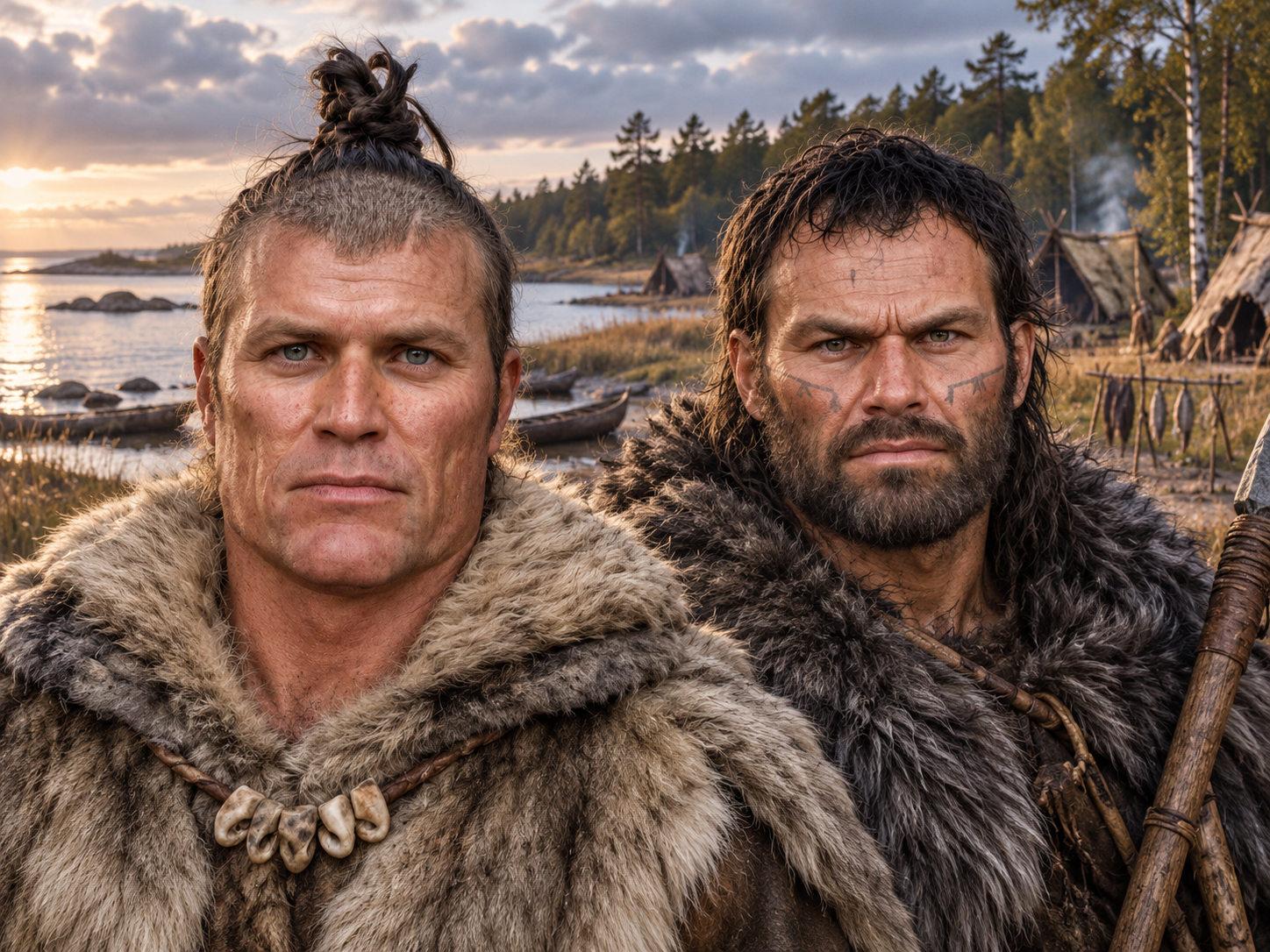
For those interested in the deeper genetic backdrop, the Kinkaid-associated haplogroup R1b1a1b1a1a1c2b2a1b1a4b2a2b1 can be linked more broadly with related ancient DNA samples from across medieval and early historic northern Europe. These include Medieval Oxfordshire Magdalen College Longwall Quad (C11119), Thuringii Tribe Germany Roman Deersheim Saxony-Anhalt (DRH057), Medieval Germany Sachsen-Anhalt Western Slav Settler Steuden (SDN003), Saxon Grave Lower Saxony Hannover-Anderten Germany (ADN002), Viking Age Galgedil Funen Denmark (VK133), and Viking Age Spearman Telemark Norway (VK389). These are not claims of direct descent from the Kinkaids themselves, nor a neat family tree in a test tube. Rather, they are related or linked reference points that help sketch the wider paternal world from which some later British and Scottish lineages emerged: a world of Saxon, Scandinavian, Germanic, and medieval northwestern European connections layered over centuries.
If Clan Kinkaid is part of your family story, or if the surname simply catches your eye because of its Lowland Scottish roots, DNA can add an extra dimension to the paper trail. Upload your DNA to MyTrueAncestry to see whether you match the Kinkaid family profile or any related ancient DNA samples from medieval Britain, Germany, or the Viking world.

Comments