Clan Henderson
– 3 min read


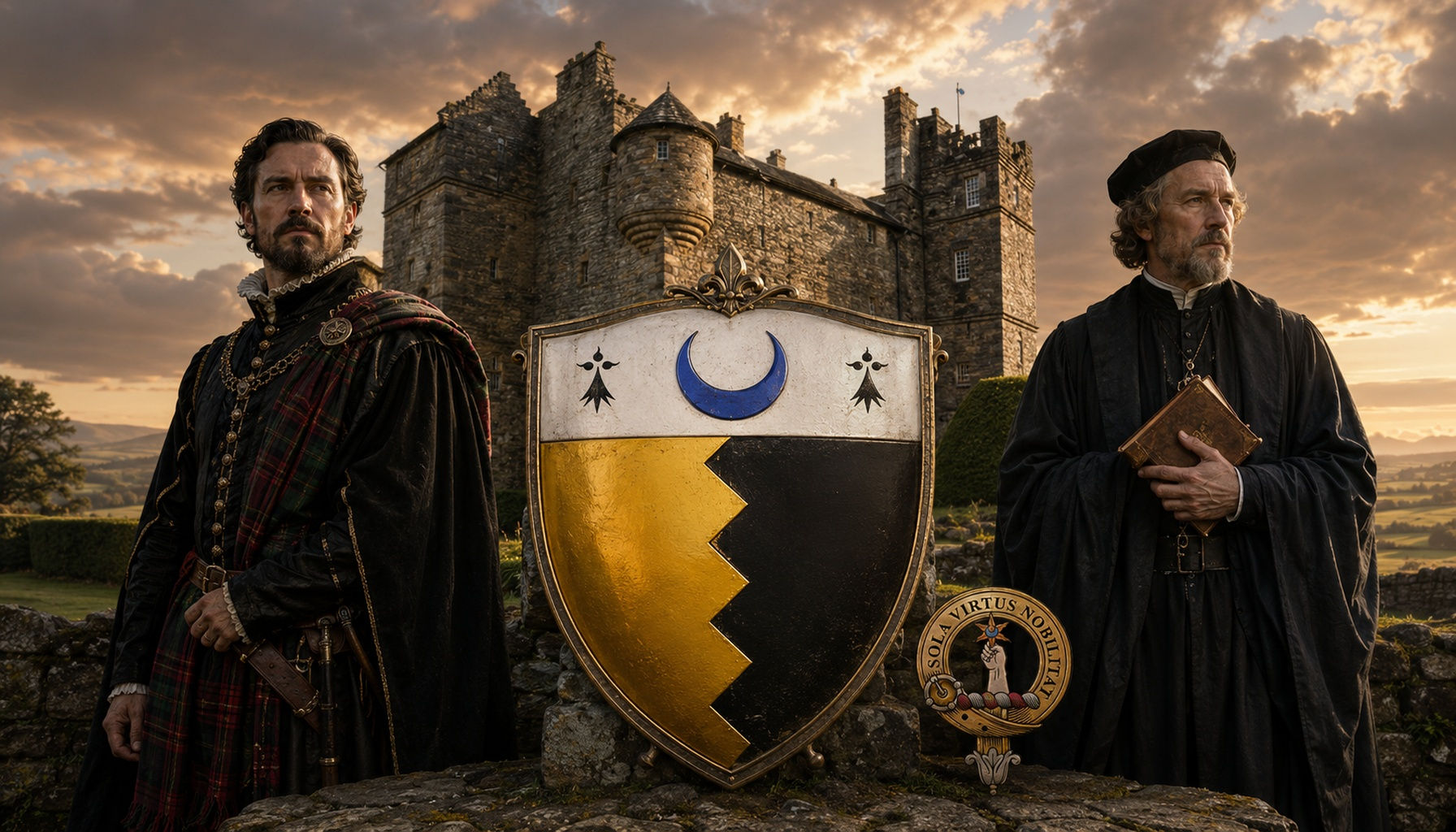
Clan Henderson was not a clan boxed neatly into one glen and left there forever. It was, rather, one of those distinctly Scottish kindreds whose story stretches across Highland, Border, and Lowland worlds, with branches shaped by service, local standing, military duty, and the stubborn preservation of surname identity through centuries of change. The Henderson name is traditionally understood as meaning "son of Henry," and in Scotland it became attached to several regional families rather than a single narrow lordship. In that sense the clan reflects a very Scottish historical pattern: kinship first, geography second, and continuity carried as much by people as by place. For genetic tagging, the primary family haplogroup associated here is R1b1a1b1a1a2a7, a branch within the wider western European R1b line.
Historically, Hendersons appear in a landscape made by war, church politics, landholding, and royal service. That is why the name turns up in more than one setting and more than one social register. James Henderson, recorded in 1494, belongs to that late medieval world in which Scottish families were consolidating status through charters, office, and local influence. A century later, Alexander Henderson (1583-1643), the noted minister and leading Covenanter, stands at the heart of one of the great dramas of Scottish history: the contest over church government, monarchy, and national conscience. He is a reminder that the clan story is not only one of swords and shields, but also of pulpits, assemblies, and ideas fierce enough to reshape kingdoms.
One of the strongest location anchors for the Henderson story is Fordell Castle in Fife, near Dunfermline, a place with the satisfying depth that old Scottish seats often have: tower house origins, later additions, and the unmistakable sense that a family did not merely occupy the site but accumulated itself there over generations. The estate is associated with the Hendersons of Fordell, one of the best-known branches of the name. The castle developed over time from a medieval core, with significant later rebuilding and extension, so what survives speaks to continuity rather than a single frozen moment. This matters historically, because it places the Hendersons not at the romantic edge of Scotland alone, but in a region deeply tied to royal, ecclesiastical, and political life. Fordell's chapel and grounds are part of that larger world of lairds, patronage, and inherited memory. The castle survives, and while access can vary because it is not simply a state ruin standing open in the manner of an unmanaged monument, it is still a real and visitable landmark in the Fife landscape when open or viewable by arrangement and local conditions.
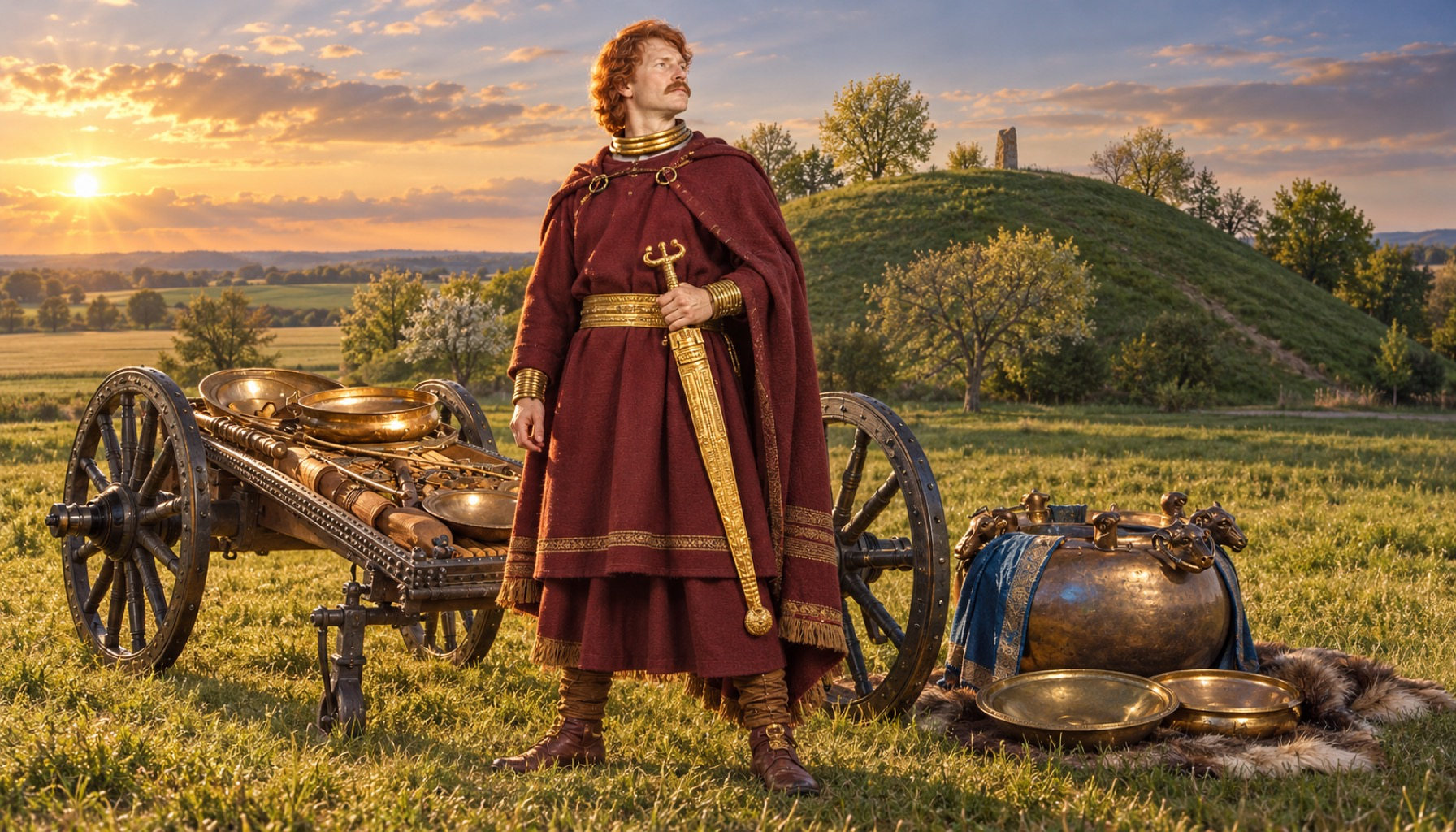
From an ancient-DNA perspective, the Henderson-associated primary haplogroup R1b1a1b1a1a2a7 belongs to a deep and widespread paternal network seen across later prehistoric and historic Europe. That does not mean every Henderson descends directly from any excavated individual, and it is important not to claim that. What we can say is that related or linked samples appear in a strikingly broad arc of time and place: Pict-era Rosemarkie Cave on the Black Isle in Scotland, Celtic Durotriges burials at Winterborne Kingston in England, Roman-era Fenstanton in Cambridgeshire, elite Celtic burials at Asperg-Grafenbuehl and Ludwigsburg in Germany, Bronze Age Unetice graves at Leubingen in Thuringia, and a notable cluster from medieval and Dark Ages Las Gobas in northern Spain. In other words, this lineage sits comfortably inside the old western European story of Bell Beaker and Bronze Age expansions, Iron Age Celtic societies, Roman provincial worlds, and medieval regional populations. For a Scottish surname like Henderson, that is wonderfully apt: not a single theatrical origin point, but a long chain of related male lines moving through the same continental and insular history that eventually produced medieval and early modern Scotland.
Read more about Clan Mackenzie
Clan Henderson is a fine example of how Scottish family history really works: several branches, several regions, and one enduring surname carried through shifting political worlds. If you have Henderson ancestry, or simply suspect a connection, uploading your DNA can help you see whether you match this family story or related ancient DNA samples linked to haplogroup R1b1a1b1a1a2a7 and its wider historical network.

Comments