Clan Galbraith
– 3 min read


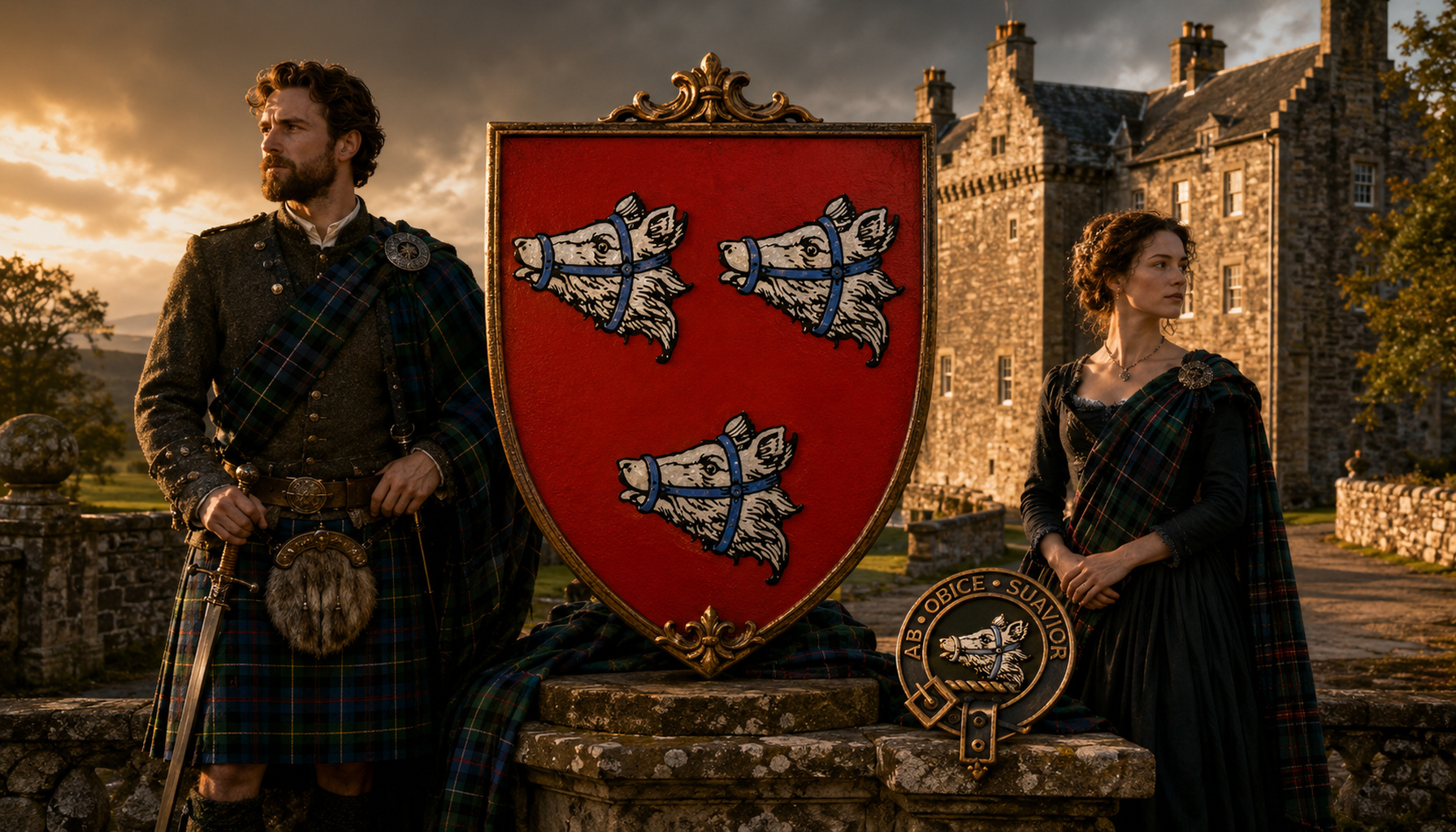
Clan Galbraith was one of the old landed kindreds of western Scotland, rooted in the Lennox, around Loch Lomond, and most closely associated with Culcreuch Castle. Their primary linked haplogroup here is R1b1a1b1a1a1c2b1b, a paternal line found in a range of ancient and medieval European contexts. The name Galbraith is usually explained as meaning foreign Briton or stranger Briton, which is exactly the sort of wonderfully revealing medieval label that opens a window onto the mixed world they came from: a region where Gaelic speech, older Brittonic identities, Norse sea routes, and later Norman-style lordship all overlapped rather than sitting neatly apart.
That matters because the Galbraiths were not some isolated tartan fantasy on a misty hilltop. They emerged in a real frontier society, culturally and politically complex, where the Lennox sat between Highland and Lowland worlds. They appear early in record as local landholders and followers of regional power, with figures such as Gilchrist Bretnach pointing to those older ethnic labels embedded in the name itself, and Sir William Galbraith of Buthernock appearing in 1255 as a firmly historical member of the family. Over time the Galbraiths became lairds, fighting men, and local nobles, tied to service, feuding, marriages, charters, and the daily business of holding land in a castle-dotted landscape. Their later history, like that of many Scottish families, included decline and dispersal after political and legal troubles, but their identity remained strongly anchored to the Lennox and Loch Lomond country.
Culcreuch Castle is the great location anchor for Clan Galbraith, and it still gives a vivid sense of the world they inhabited. Standing near Fintry in Stirlingshire, on the edge of the Lennox country, the castle began as a tower house and was expanded over time, developing into the sort of layered residence that tells its own story of changing status and changing Scotland. Historically it is closely linked with the Galbraiths, who held it for centuries before the estate eventually passed out of their hands. Like many Scottish castles, Culcreuch is not just a defensive building but a social one: a place of hospitality, estate management, kin politics, and careful display. It sits in that classic western Scottish setting of wooded ground, water, and routes between districts, which helps explain why families like the Galbraiths could matter so much locally. The castle has long been known as a historic property and, as a recognized heritage site with later hospitality use, it has been a place people can visit, though practical access is always worth checking in advance.
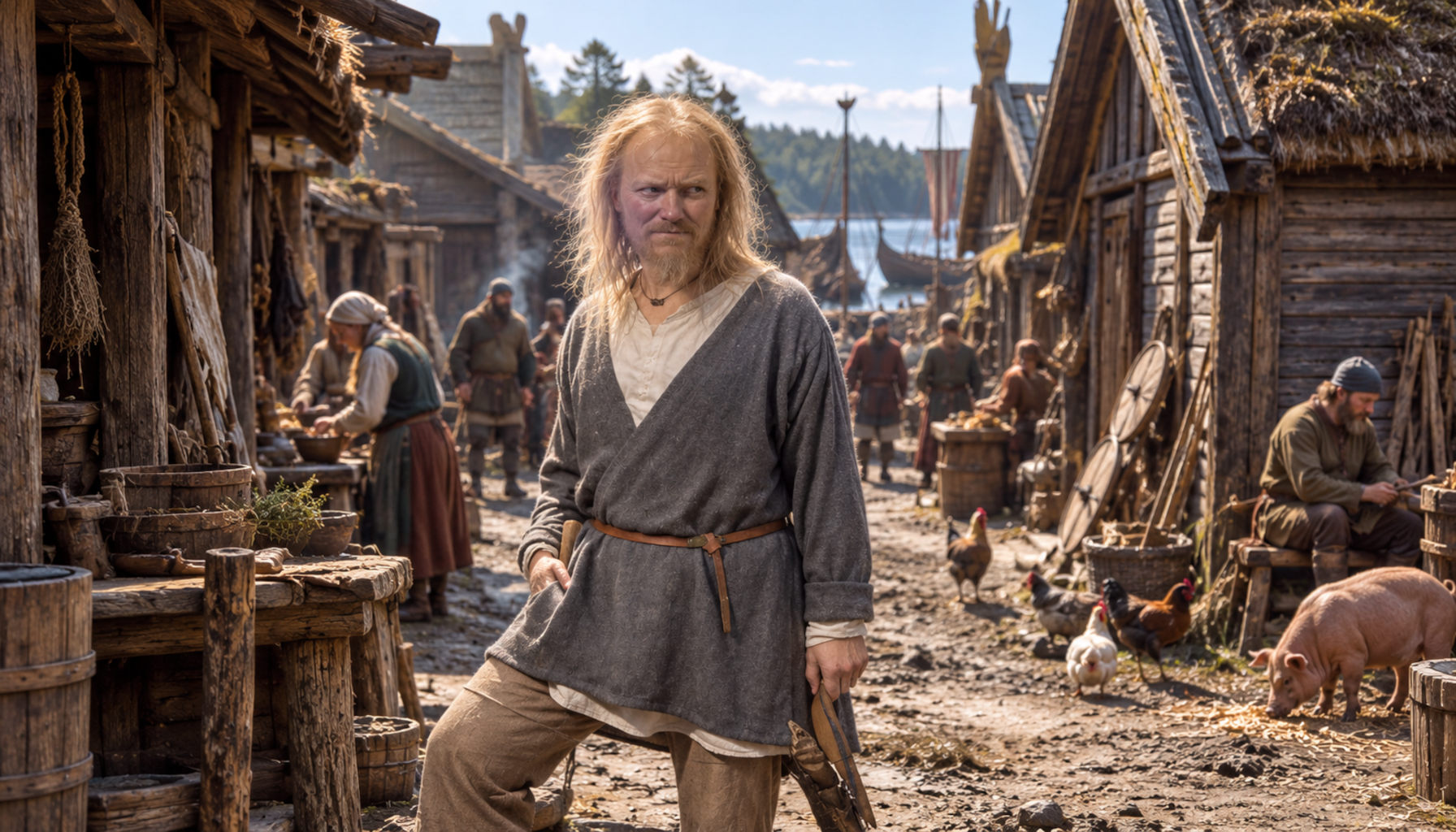
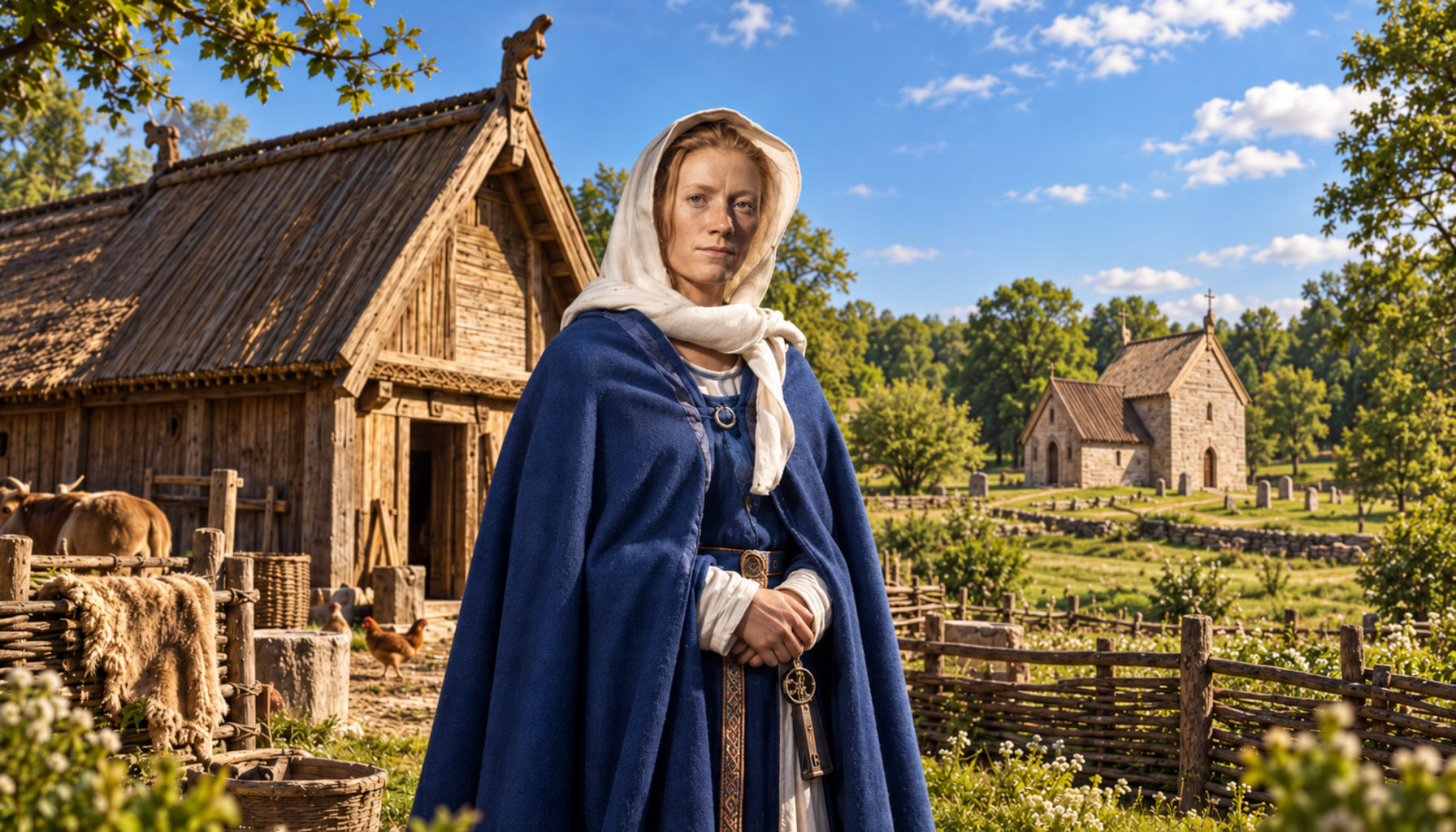
The Galbraith-linked haplogroup R1b1a1b1a1a1c2b1b belongs to a wider northwestern European paternal story, and related or linked ancient DNA samples appear across an impressive spread of medieval sites. These include Merovingian Period Bavaria at Altheim, Germany, sample Alh_228; Late Merovingian Frankish Eltville, Germany, sample EV7; Medieval Belgium at Sint-Truiden Onze-Lieve-Vrouwekerk, sample ST1237; Early Medieval Yorkshire at Norton Bishops East Mill, sample I17274; Carolingian Groningen in the Netherlands, sample GRO023; Viking Age Denmark at Kumle Hoje Grav, sample VK290, and Galgedil on Funen, sample VK134; Medieval Trondheim, Norway, sample VK117; Viking Age Skara Varnhem, Sweden, sample VK424; Viking Age Ribe, Jutland, sample VK324; and Medieval Upper Bavaria at Petersberg. These do not prove direct descent from any one individual, and they should not be read that way. What they do show is that the same broader paternal lineage sat within the mobile, interconnected populations of medieval northern Europe, the very world from which western Scottish noble families also emerged and interacted.
If you carry Galbraith ancestry, this is a fine reminder that family history lives at several levels at once: in names, in castles, in local Scottish memory, and in deep genetic lineages stretching across medieval Europe. Upload your DNA to MyTrueAncestry to see whether you match Clan Galbraith, the haplogroup R1b1a1b1a1a1c2b1b, or any of the related ancient DNA samples linked to this wider historical world.
Comments