Clan Forrester

– 3 min read


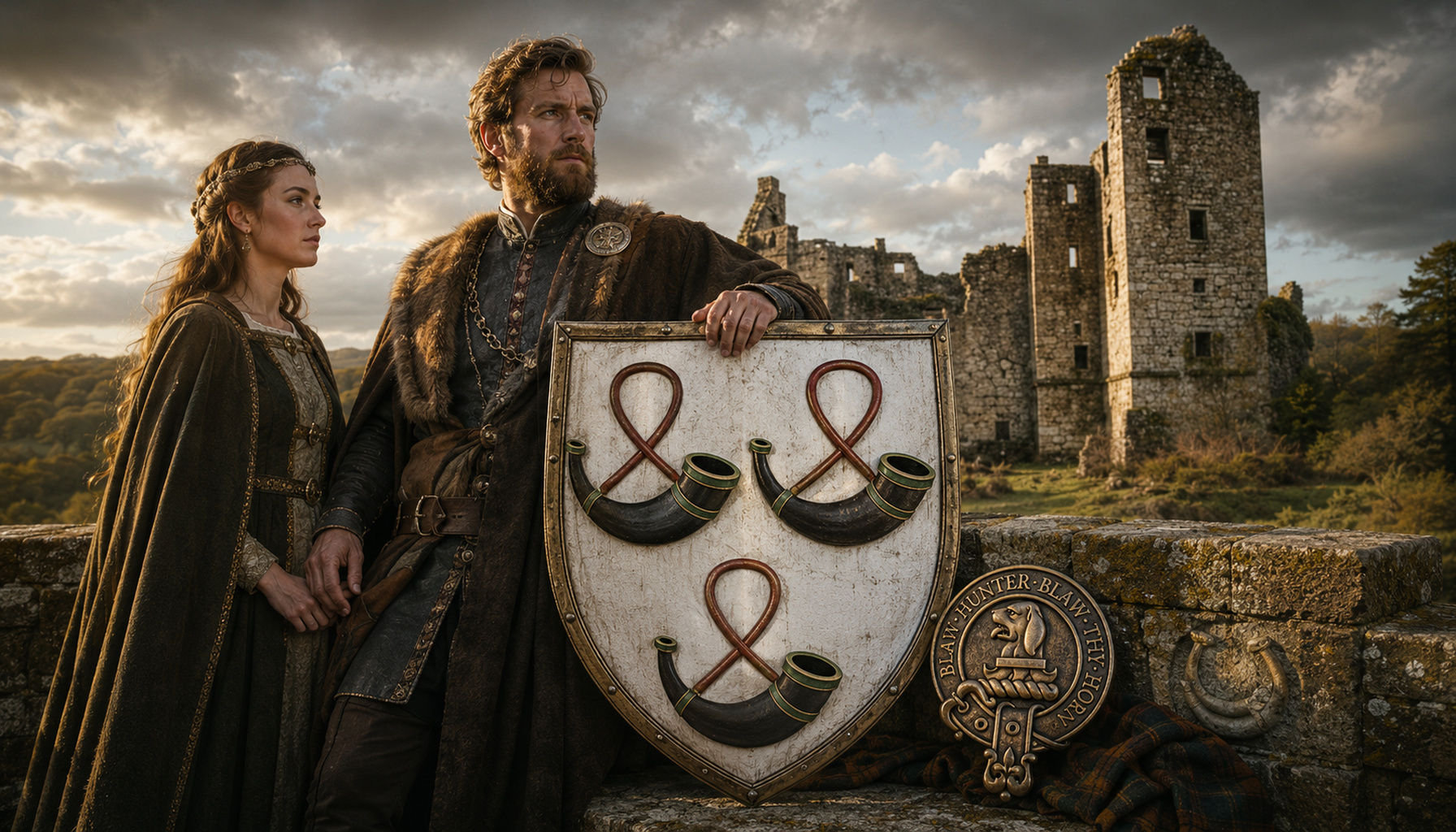
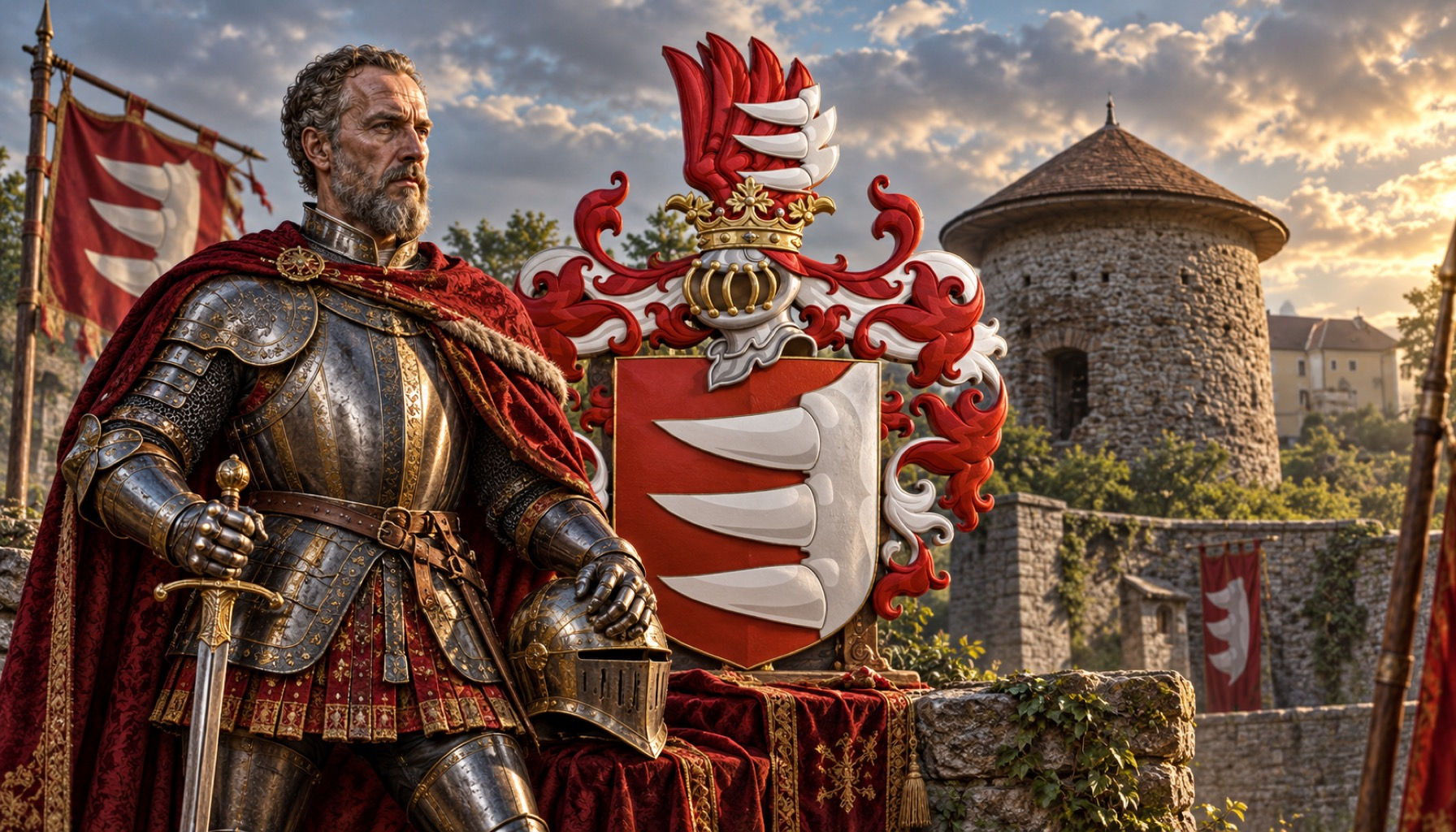
Clan Forrester was a Scottish Lowland family whose name points straight to its original work: forest guardianship, management of royal or noble woodland, and service tied to land and office. In other words, this was not a clan defined first by a remote glen or a single Highland war-banner, but by the very practical business of authority on the ground. The surname comes from the historic role of the forester, and over time the Forresters moved from office into landed status, becoming part of Scotland's armorial and territorial society. The primary haplogroup linked here is R1b1a1b1a1a4a, a branch within the wider western European R1b world.
That makes Clan Forrester a very good example of a specifically Scottish pattern that is sometimes overlooked because it is less theatrical than tartan romance: the service-family. These were people who rose through responsibility, record-keeping, estate control, royal favor, and local influence. In the late medieval Lowlands, such families mattered enormously. They stood at the hinge between crown, countryside, and community. By the 15th century we meet figures such as Sir John Forrester in 1448, a reminder that the name had long since become one of standing, property, and public presence. Heraldry, charters, and estate associations preserved that identity even when the family story was spread across offices and lands rather than concentrated in one dramatic Highland homeland.
The great location anchor for the Forresters is Corstorphine, now part of Edinburgh but once a distinct baronial center with deep medieval roots. Corstorphine Castle, long associated with the Forrester family, stood as a residence and symbol of their local authority. Historically, Corstorphine lay on an important route west of Edinburgh, which meant that this was no obscure rural stronghold; it sat in a zone where travel, administration, landholding, and influence met. The medieval collegiate church at Corstorphine, the old village core, and the memory of the castle together give us the right setting for understanding the family: not frontier warlords, but established Lowland magnates shaped by proximity to the capital, estate management, and social rank. The castle itself no longer survives as a complete standing fortress, but Corstorphine remains very much visitable today, and the area still preserves the historic landscape in which the Forresters built their identity.
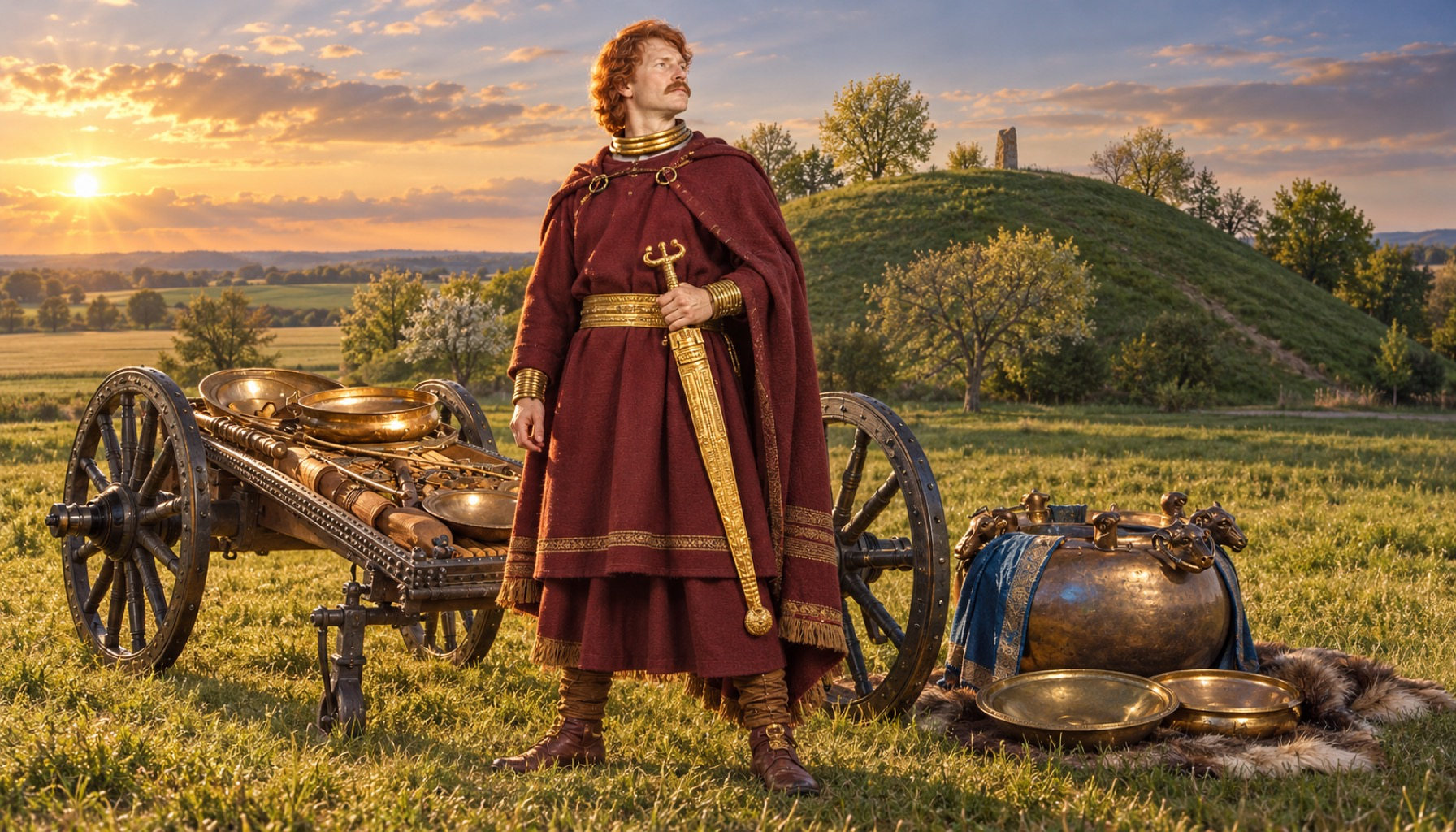
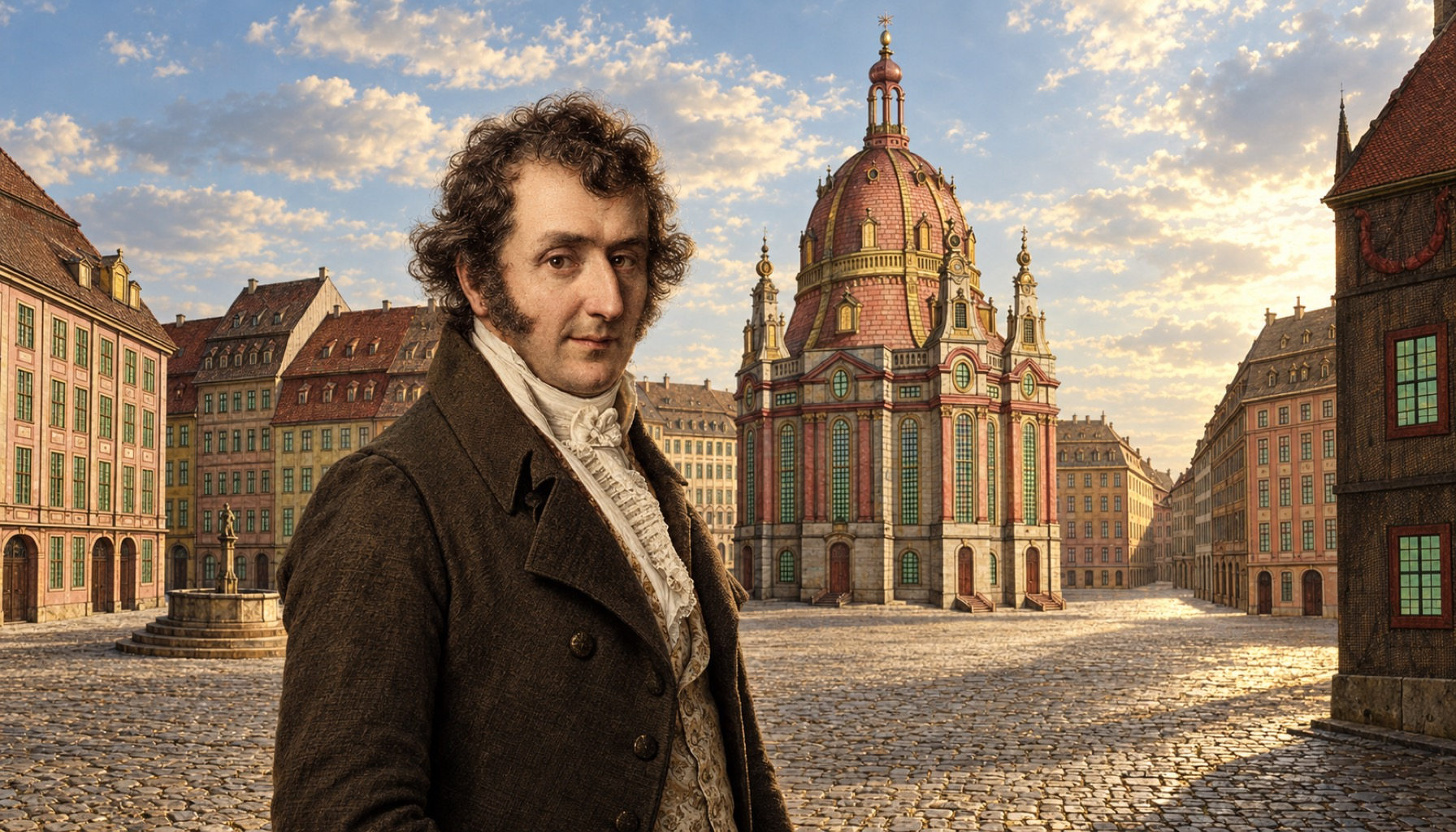
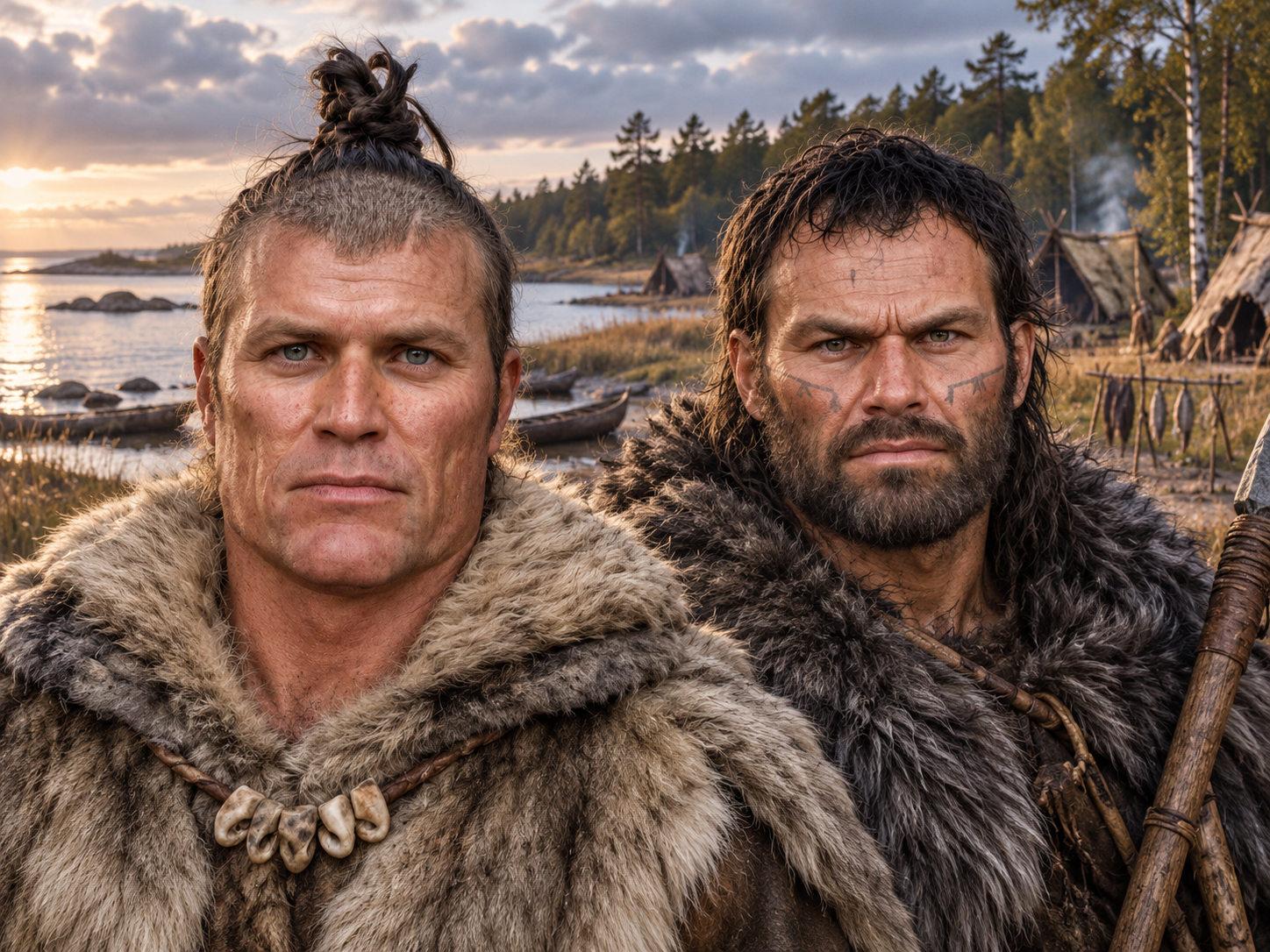
For readers interested in deeper time, the R1b1a1b1a1a4a link places Clan Forrester within a broad and fascinating ancient DNA horizon rather than proving descent from any one excavated individual. Related or linked samples appear across Iron Age, Roman, early medieval, and medieval Europe, which is exactly the sort of long continuity one might expect for a western European paternal branch. Particularly evocative are Pict-era Scotland samples from Rosemarkie Cave such as KD001 and KD001_2, and the early medieval Pict-era Lundin Links group such as LUN004, which show this lineage present in ancient Scotland. Beyond Scotland, linked finds include elite Celtic burials in Germany such as Magdalenenberg MBG013 and Hochdorf HOC001, Roman-era England examples like NWC009 from northwest Cambridgeshire and ARB003 from the Arbury wooden coffin burial, and medieval Britain samples from Cherry Hinton and St John's Hospital in Cambridge. Taken together, these do not say "this was a Forrester," of course; what they do show is that the same wider paternal line moved through the worlds that helped form Britain and Scotland: Celtic, Romano-British, Pictish, and medieval.
Explore ancient DNA and Celtic origins
Clan Forrester is a splendid reminder that Scottish history was built not only by battle clans of the Highlands, but also by Lowland families of office, land, and long memory. If your own surname, paper trail, or DNA points toward Forrester connections, uploading your DNA can help you see whether you match this family story or any of the related ancient DNA samples tied to haplogroup R1b1a1b1a1a4a.

Comments