Clan Donnachaidh
– 3 min read


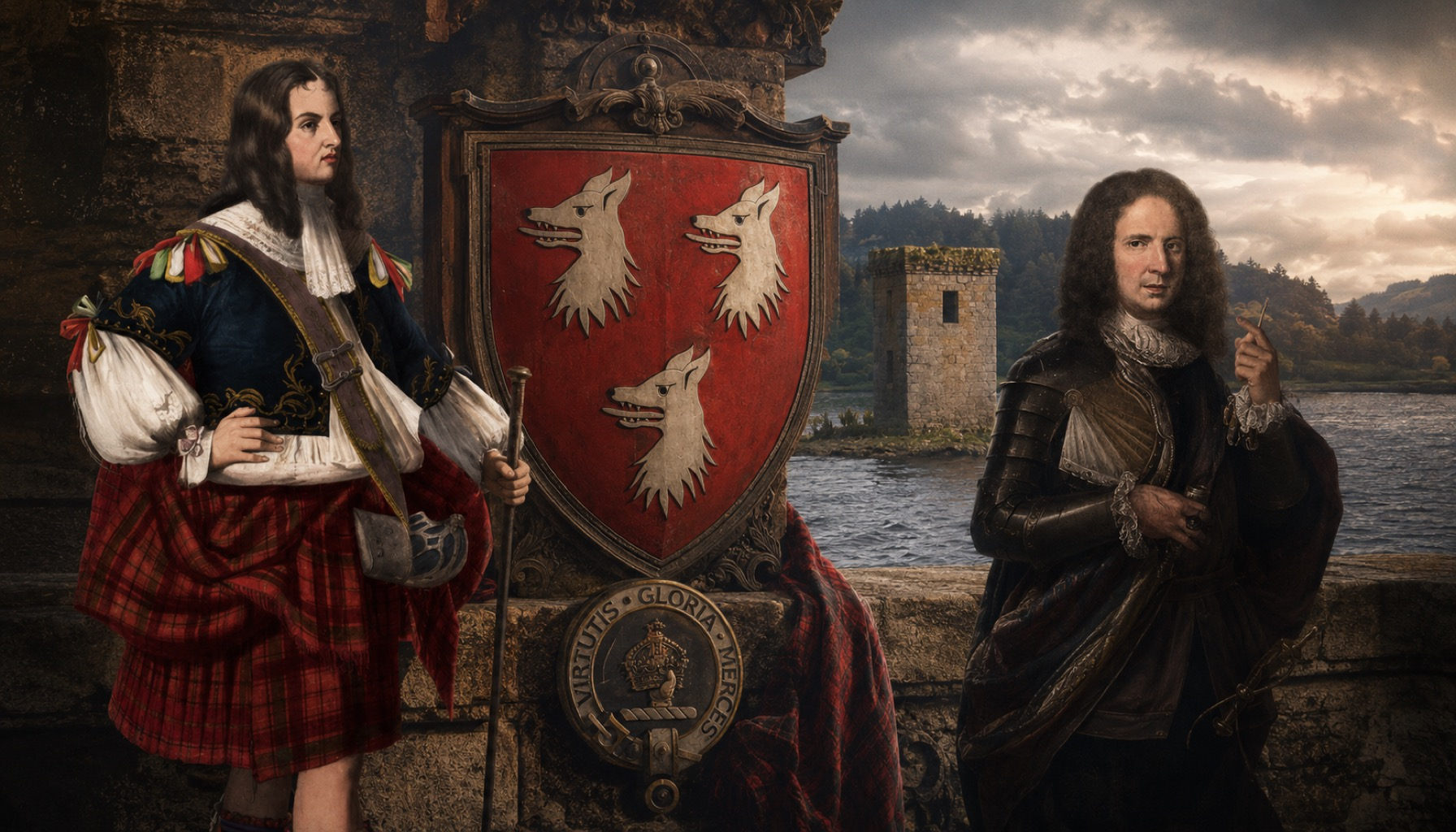
Clan Donnachaidh was one of the central Highland kindreds of Scotland, rooted in Perthshire and especially tied to Atholl and the country around the upper Tay and Tummel. In later centuries the clan became widely known through the Robertson surname, but its older identity lies in the Gaelic name Clann Donnchaidh, the children or descendants of Donnchadh. This was a clan formed in the classic Highland way: through kinship, loyalty to a chief, control of land, military service, and a very strong sense that family history belonged to the landscape itself. The primary family haplogroup associated here is R1b1a1b1a1a2b, a paternal line found across many ancient and medieval contexts in western and central Europe.
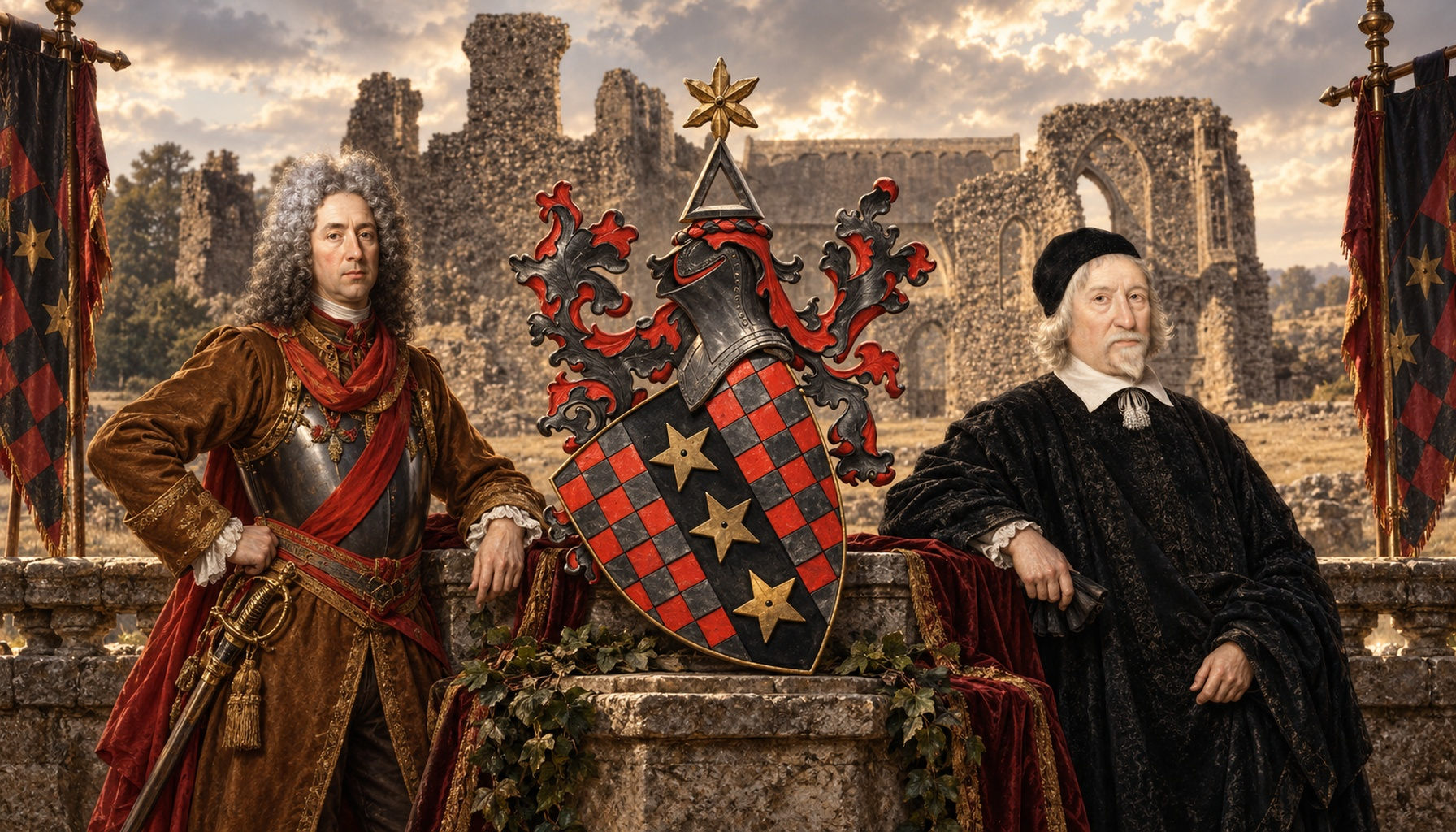
What makes Clan Donnachaidh so revealing historically is that it shows how a Highland clan was never just a surname group. It was a living political and social body. Chiefs, cadet branches, marriage alliances, heraldry, oral memory, and service in war all mattered. The clan tradition remembers figures such as Donnachaidh Reamhar in 1306, often treated as an early founder figure in the line; Robert Riabhach Duncanson in 1406, a pivotal name in the shaping of later clan identity; and Alexander Robertson in 1645, a reminder that the Robertsons remained active in the turbulent military world of seventeenth-century Scotland. Across conflict, crown pressure, and social change, Clan Donnachaidh endured by adapting without losing its sense of itself.
Read more about Clan Mackenzie
If you want a place that anchors Donnachaidh history, Dunalastair Estate is one of the most evocative. Set in Highland Perthshire near Kinloch Rannoch, it stands in the wider country long associated with Robertson and Clan Donnachaidh tradition: loch, hill, woodland, old routes, and that unmistakable feeling of a Highland territory that is both beautiful and strategic. The estate today is presented as a large Highland landscape with lochs, rivers, forestry, wildlife, and access to the surrounding scenery, which helps explain why such places mattered so much in clan history. They were not simply pretty backdrops. They were working territories, sources of food and status, staging grounds for movement and defence, and the physical framework in which kinship was remembered. Dunalastair can still be visited in the broader sense that the estate and its area remain a real destination in Highland Perthshire, allowing modern visitors to stand in a landscape that still carries the atmosphere of clan country.
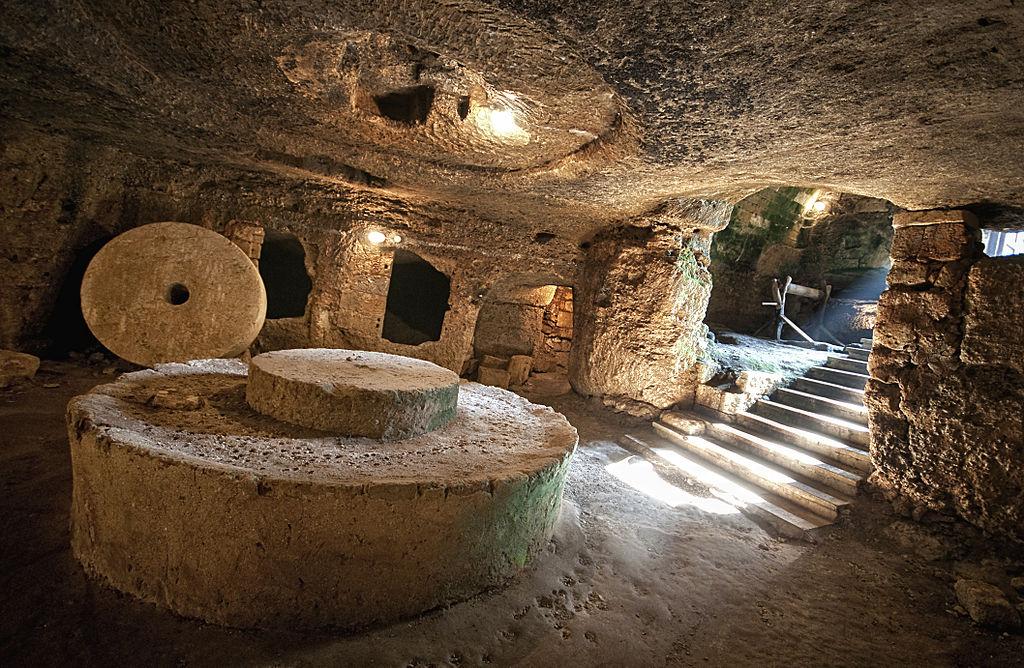
From a DNA perspective, the primary family haplogroup R1b1a1b1a1a2b links Clan Donnachaidh into a much bigger story than Scotland alone. Related or linked ancient samples assigned to this branch or nearby lines appear across a remarkable spread of time and place: Pict-era and early medieval Scotland at Rosemarkie Cave and Lundin Links; Iron Age and Roman Britain in Cambridgeshire, Dorset, Kent, Somerset, Yorkshire, Cornwall, and beyond; Celtic and elite burials in Germany and Switzerland such as Magdalenenberg, Hochdorf, Asperg-Grafenbuehl, and Ludwigsburg Roemerhuegel; medieval and dark-age Spain at Las Gobas; and still deeper Bronze Age horizons in France, Bohemia, Germany, Austria, Iberia, and the Low Countries. Samples such as ldo066 and ldo037 from Las Gobas, MBG013 from Magdalenenberg, NWC009 from Roman-era England, WBK106 and several other Durotriges burials from Winterborne Kingston, KD001 from Pict-era Rosemarkie, and LUN004 from Pict-era Lundin Links do not prove direct descent from Clan Donnachaidh. But they do show that the paternal lineage associated with this clan belongs to a very old and widespread west European story, one that threads through Bronze Age expansion, Celtic societies, Roman provinces, early medieval kingdoms, and finally the Gaelic Highlands.
Explore ancient DNA and Celtic origins
Clan Donnachaidh history is a fine reminder that families are not only names on a chart. They are territories, loyalties, stories, and survivals. If you carry Robertson, Donnachaidh, or connected Highland ancestry, uploading your DNA can help you explore whether you match this family tradition or any of the related ancient R1b1a1b1a1a2b-linked samples from Scotland, Britain, and continental Europe.
Comments