Clan Connor
– 3 min read


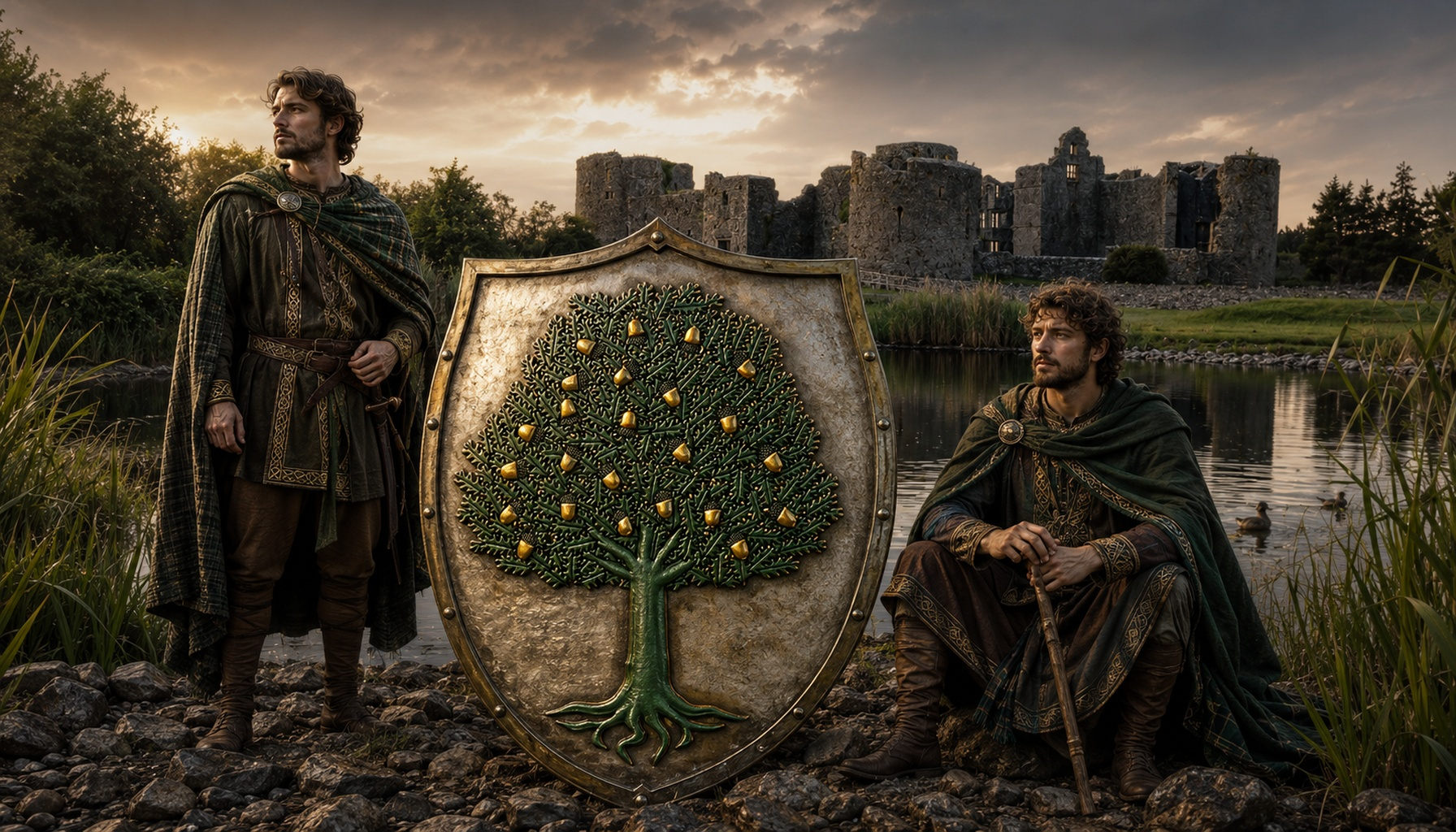
Clan Connor, more often seen in historical Irish forms such as O Conchobhair or O Connor, was one of the great Gaelic kindreds of Ireland: a family rooted in ancestral descent, regional lordship, and the stubborn survival of identity through centuries of upheaval. Their heartland lay above all in Connacht, especially in what is now County Roscommon, where kingship, clientship, landholding, and genealogy mattered not as decorative ideas but as the machinery of power itself. The haplogroup most closely tagged here with the family is R1b1a1b1a1a2c1a1a1a1a1a1a3, a branch within the wider paternal landscape long associated with Atlantic and Irish lineages.
To speak of the Connors is to speak of the classic Irish clan pattern. Authority came through kin, not through a neat modern state. Memory was preserved in pedigrees, place-names, inauguration traditions, and the continued use of the surname even when English administration, anglicization, plantation, and migration tried to flatten such distinctions. Among the best-known figures are Turlough OConnor (1088-1156), the powerful king of Connacht and later High King of Ireland; his son Roderic OConnor (died 1198), remembered as the last High King of Ireland before the Anglo-Norman transformation of the political landscape; and much later Charles OConor (1710-1791), the scholar and antiquarian whose work helped preserve Gaelic historical memory when old political power had long since ebbed away.
Roscommon is one of those places where Irish history feels less like a chapter and more like accumulated weather. The county, set in the west-central plain of Ireland within the old province of Connacht, was deeply tied to Gaelic lordship and to the political world in which the O Connors rose to prominence. Roscommon town itself grew around an early monastic foundation traditionally associated with Saint Coman, and in the later medieval period it became an important administrative and strategic center. Roscommon Castle, built by the Anglo-Normans in the 13th century and later fought over repeatedly, stands as a reminder that this was contested ground: Gaelic kingship on one side, new colonial power on the other, each trying to fix authority in stone, rent, and military force. The ruins of the castle still survive in Roscommon town and can be visited today, making it a very tangible anchor for anyone tracing Connor heritage back into the old Connacht world.
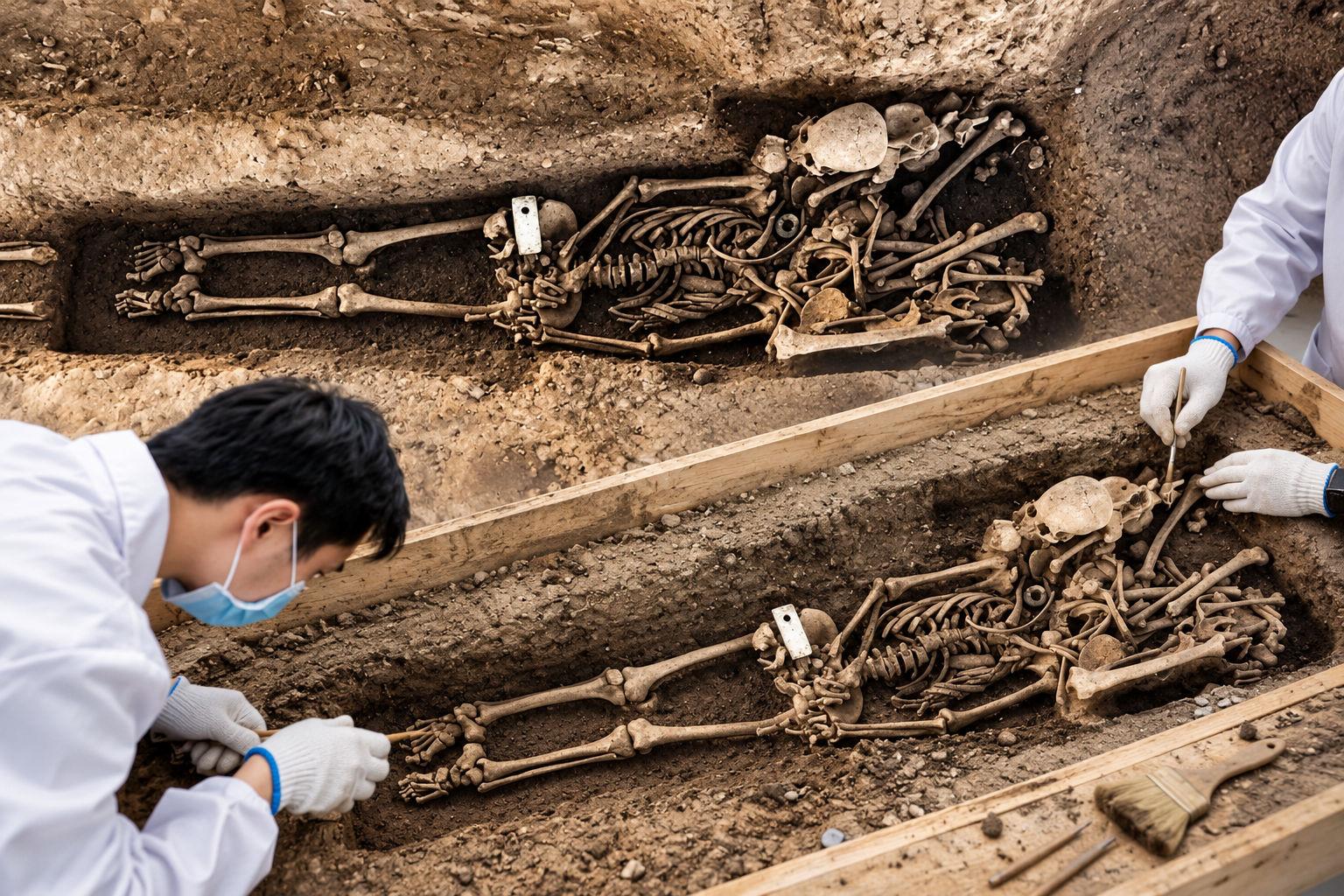
Ancient DNA does not let us wave a wand and declare direct descent from a named medieval dynasty, and it is worth being disciplined about that. What it can do is place a family like Clan Connor into a broader genetic landscape of related paternal lines. A notable cluster of samples linked to R1b1a1b1a1a2c1a1a1a1a1a1a3 comes from Medieval Ireland at Ballyhanna, County Donegal, including individuals such as Sk197an, Sk197y, Sk197q, Sk197am, Sk197s, Sk197ab, Sk197u, Sk197t, Sk197r, Sk197ad, Sk197x, Sk197n, Sk197aa, Sk197z, Sk197ak, Sk197w, Sk197ai, Sk197m, Sk197ah, Sk197ag, Sk197v, Sk197ac, Sk197al, Sk197af, Sk197ae, Sk197o, Sk197aj, HAN197x, Sk197a, Sk197b, Sk197c, Sk197d, Sk197e, Sk197f, Sk197g, Sk197h, Sk197i, Sk197j, Sk197k, Sk197l, Sk197p, and HAN197. Related or linked samples also appear at Kilteasheen in Roscommon, including KIL041, KIL044, KIL033, KIL037, KIL009, and KIL014, which is especially evocative given Connor ties to Connacht and Roscommon. More distant but still relevant linked examples include VK95 from Viking Age Hofstadir in Iceland and VK44 from Sandoy Church in the Faroe Islands, reminders that Irish-linked paternal lines moved widely across the North Atlantic world.
Read more about Neolithic Irish Kinship
Connor heritage is not just about kings and castles, though it certainly has both. It is about a Gaelic family tradition that endured conquest, language shift, exile, and diaspora while keeping hold of its name and its memory. If you carry the Connor surname, or believe you may connect to this wider Irish kindred, you can go a step further by comparing your DNA with ancient and historic samples to see whether you match the family story or related Irish lineages.
Comments