Clan Comyn

– 3 min read


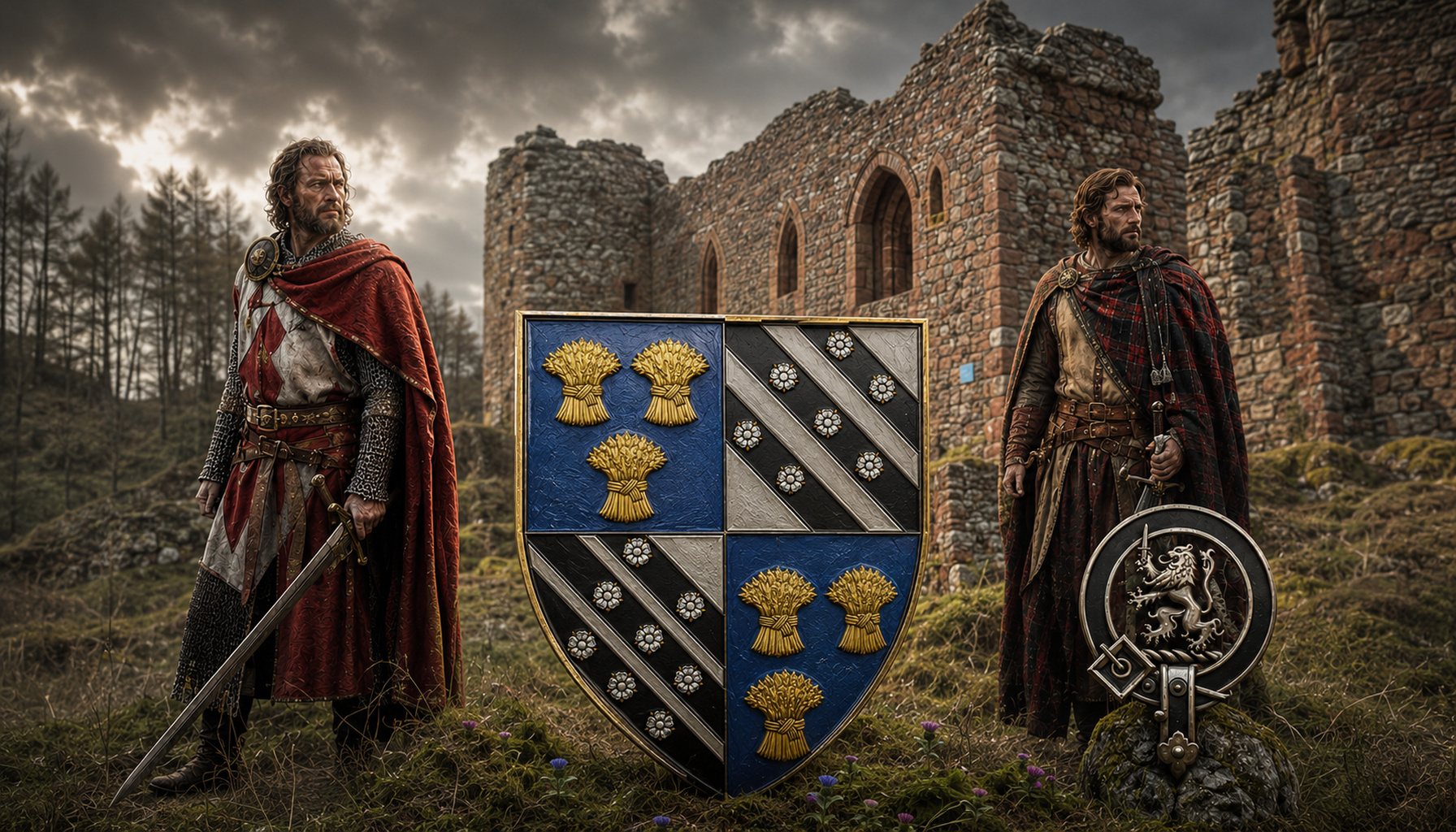
Clan Comyn, also written Cumming, was one of the great powerhouses of medieval Scotland: a family of Norman origin that arrived in the British world through the post-Conquest aristocratic networks and then rooted itself very firmly in Scottish politics. Their primary linked haplogroup here is R1b1a1b1a1a2c1a4b2c1, a lineage found in a number of later and earlier European contexts. Historically, the Comyns were not simply local chiefs who happened to do well. They were royal servants, land accumulators, castle-builders, office-holders, and marriage strategists of the first order, the sort of family who understood that crowns were not only worn by kings but propped up by ambitious relatives and allies.
The family's rise began in the 12th century, when men of Norman background were being drawn into the expanding royal structures of Scotland under kings eager to strengthen administration and lordship. Richard Comyn (1115-1179) stands among the important early figures, helping establish the family's place in the kingdom's upper ranks. Over time the Comyns secured huge estates, especially in northern and eastern Scotland, and became associated with Badenoch, Buchan, and Menteith. By the 13th century they were everywhere that mattered: around the king, in the law, in military affairs, and in the deadly business of succession politics. Their later attachment to the Balliol cause set them on a collision course with Robert the Bruce, and the killing of John Comyn, the Red Comyn, at Dumfries in 1306 became one of those electrifying moments when private feud and national history become impossible to separate. After Bruce's victory, the Comyns were broken, dispossessed, and pushed from the commanding position they had once seemed almost too mighty to lose.
Explore the Royal House of Balliol
One useful anchor for the Comyn story is Rait Castle, near Nairn in the Highlands, a site tied into the medieval world in which families like the Comyns exercised power through stone, tenancy, and local control. The present ruin is generally dated to the 13th century, a tall tower-house structure built to dominate its surroundings and advertise lordship very plainly indeed. Rait is not a fairy-tale castle perched for scenery; it is a practical and political building, set in a region where control of routes, estates, and loyalties mattered enormously. Like many Scottish castles, it gathered later legend around itself, but its real importance lies in what it says about medieval authority: a fortified residence was not just a home, it was an administrative centre, a warning, and a statement that someone expected obedience. The ruins of Rait Castle still survive and can be viewed from the outside, so it remains a visitable landmark for anyone tracing the physical backdrop of Comyn-era Scotland.
Read more about Clan Mackintosh
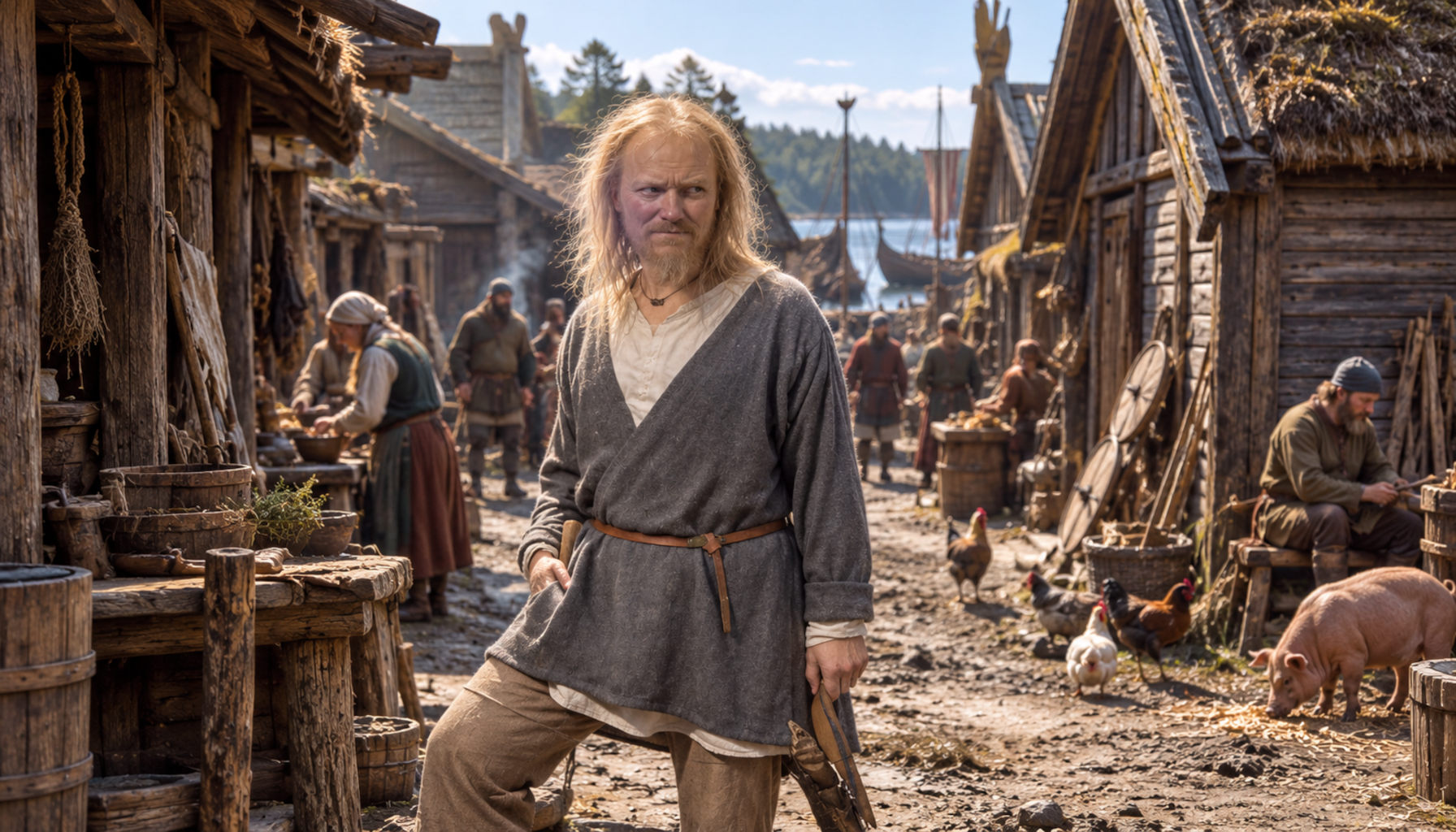
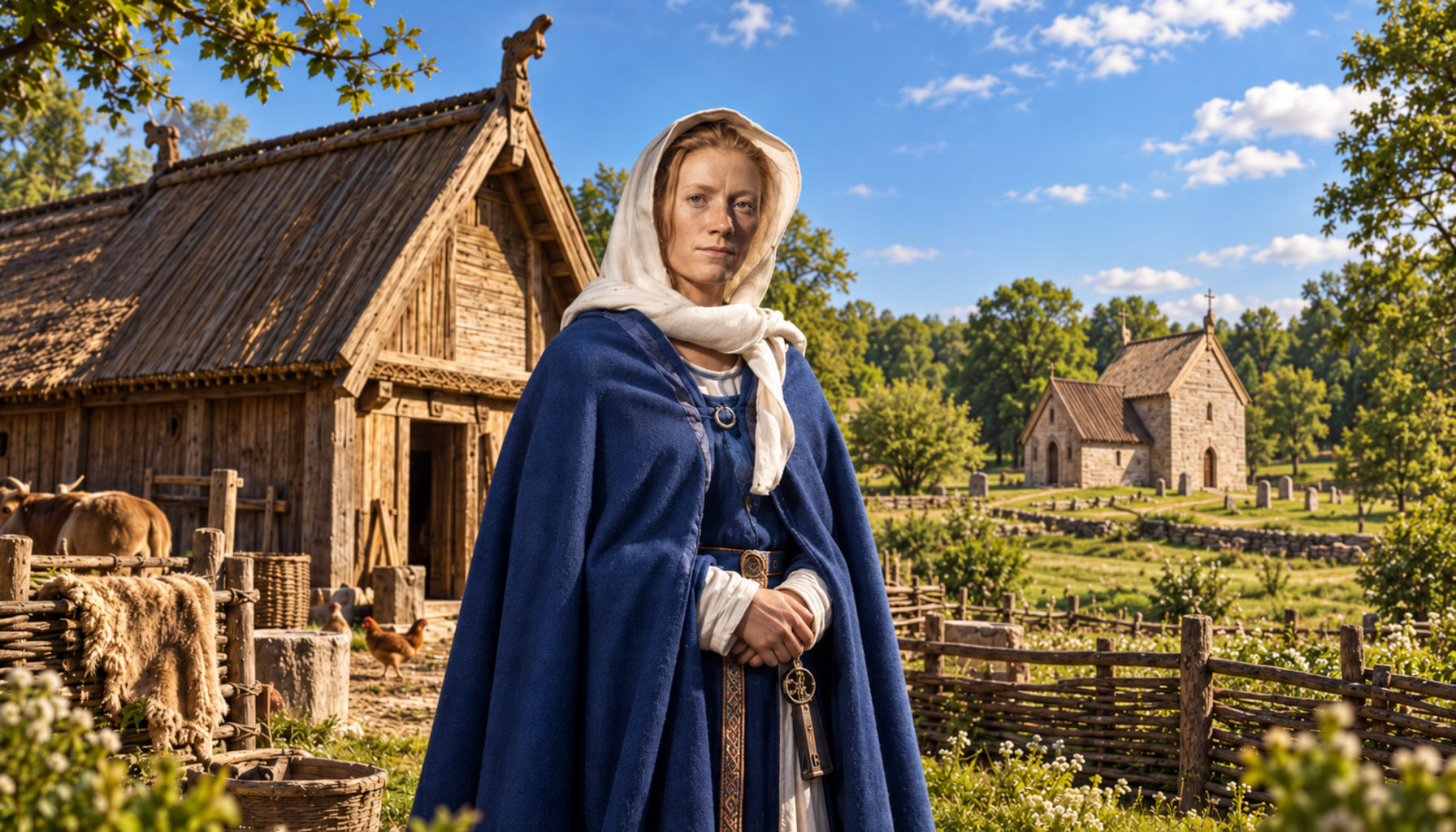
From a DNA perspective, the haplogroup link attached here, R1b1a1b1a1a2c1a4b2c1, connects Clan Comyn to a wider web of ancient and medieval paternal lines rather than to any proven one-to-one individual descent. Related or linked samples include Medieval England Cambridge St Johns Hospital (ATP_PSN_192), Late Medieval England Clopton Cambridgeshire (ATP_PSN_1268), Bronze Age Germany Tollense Valley Battlefield Mecklenburg-Vorpommern (WEZ59), Belgic tribe hillfort Danebury Hampshire England (I17264), Early Viking Age Oland Sweden (VK349), Viking Age Staraya Ladoga (VK218), and Bronze Age Trumpington England (I7640). What is striking is the spread: Iron Age southern Britain, Bronze Age continental Europe, Viking Age Scandinavia and Rus, and medieval England. That does not make these men Comyns, of course, but it does place the family's linked paternal signature inside a broad northern European story of migration, warfare, settlement, and elite formation over many centuries.
If Clan Comyn appears in your family story, the interesting question is not just whether the name survives, but whether your DNA carries signals that connect with this wider medieval and ancient world. Upload your DNA to MyTrueAncestry to see whether you match Clan Comyn, their linked haplogroup R1b1a1b1a1a2c1a4b2c1, or related ancient DNA samples from Britain and northern Europe.
Comments