The Royal House of Balliol
– 3 min read


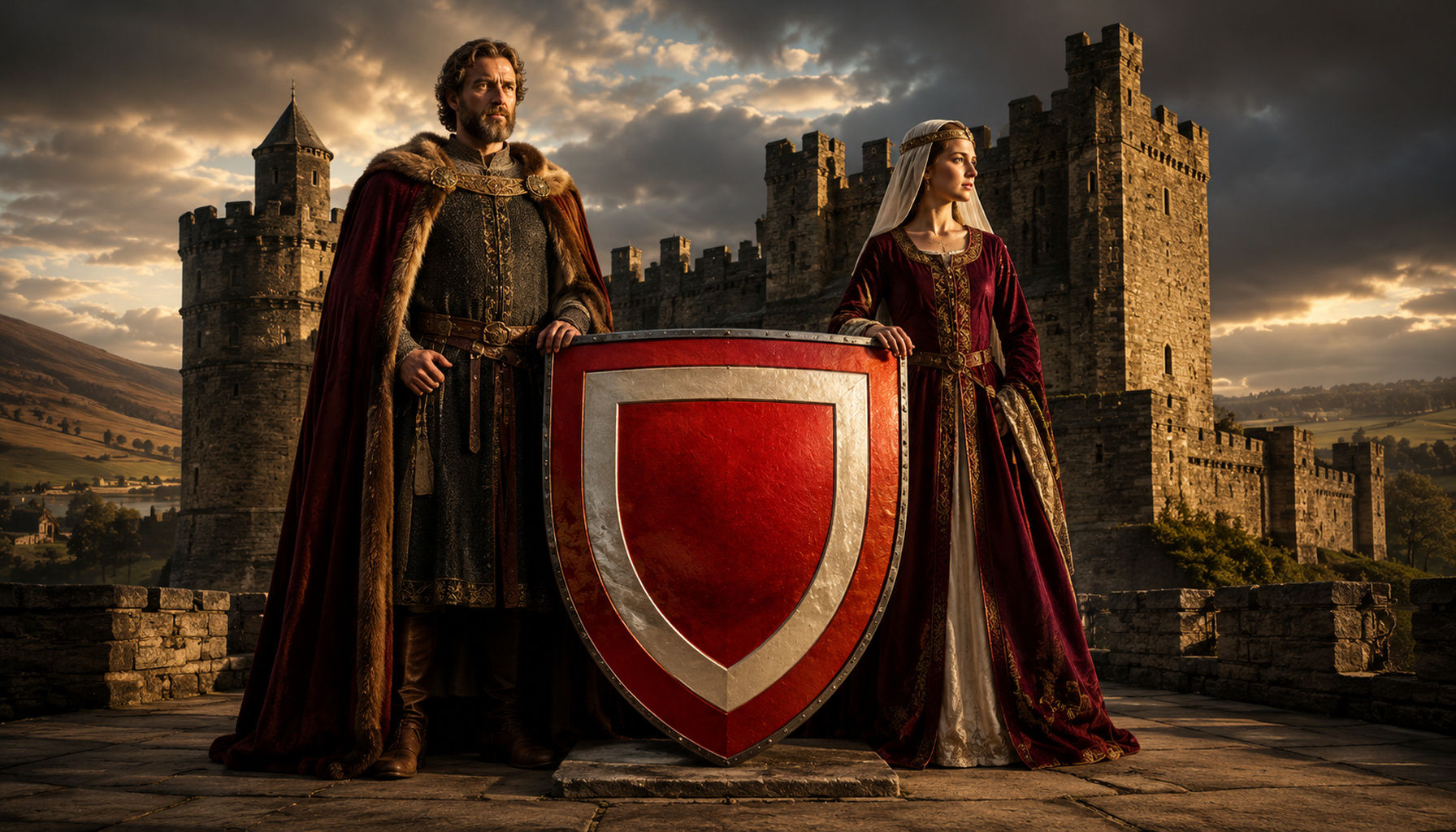
The Balliol family was a royal and noble house tied to medieval Scotland, northern England, and the hard-edged politics of succession. Their name is most famously linked with John de Balliol (1249-1314), King of Scots, whose disputed kingship helped trigger the crisis that spilled into the Wars of Scottish Independence. In broad heritage terms, the House of Balliol fits a very medieval pattern: powerful landed nobles, marriages and ancestry reaching into royal networks, and a claim to a throne that could transform a family from great lords into kings, or into casualties of politics. For DNA-tagging purposes, the Balliol line here is linked with haplogroup R1b1a1b1a1a2c1a1a1a1a, treated as the primary family haplogroup tag.
The family itself came from the Anglo-Norman world, with roots generally traced to Bailleul in Normandy, before establishing power across the borderlands of England and Scotland. That matters, because the Balliols were not simply "Scottish" in a neat modern sense. They belonged to the feudal world of cross-border lordship, where land, homage, inheritance, and royal favour mattered at least as much as language or later national identity. Among the best-known figures are Bernard de Balliol, active around 1190, one of the great northern magnates, John de Balliol (1249-1314), the king whose authority was squeezed between Scottish expectations and Edward I of England, and Edward Balliol (1283-1367), who later pressed his own claim to the Scottish throne. Their story is really about how fragile dynastic legitimacy could be in medieval Britain: one family could be immensely powerful, royally connected, and yet still find its position fatally vulnerable when rival claims and military force collided.
One of the great location anchors of the Balliol story is Barnard Castle in County Durham, historically one of the family's major strongholds and very likely named from an early Balliol lord, usually associated with Bernard de Balliol. The site stands above the River Tees and developed into an important Norman fortress commanding routes through a politically sensitive frontier zone. What you see there is the product of several phases of building and rebuilding, with substantial medieval stone remains that still give a strong sense of baronial power in the north. In other words, this was not a decorative residence but a statement in masonry about authority, landholding, defence, and status in a contested region. Barnard Castle later passed through other hands, but its Balliol connection remained part of its historical identity. Yes, it can still be visited today, and that continuity is rather striking: a family once entangled in the highest politics of Britain is still anchored to a place where the physical remains survive in the landscape.
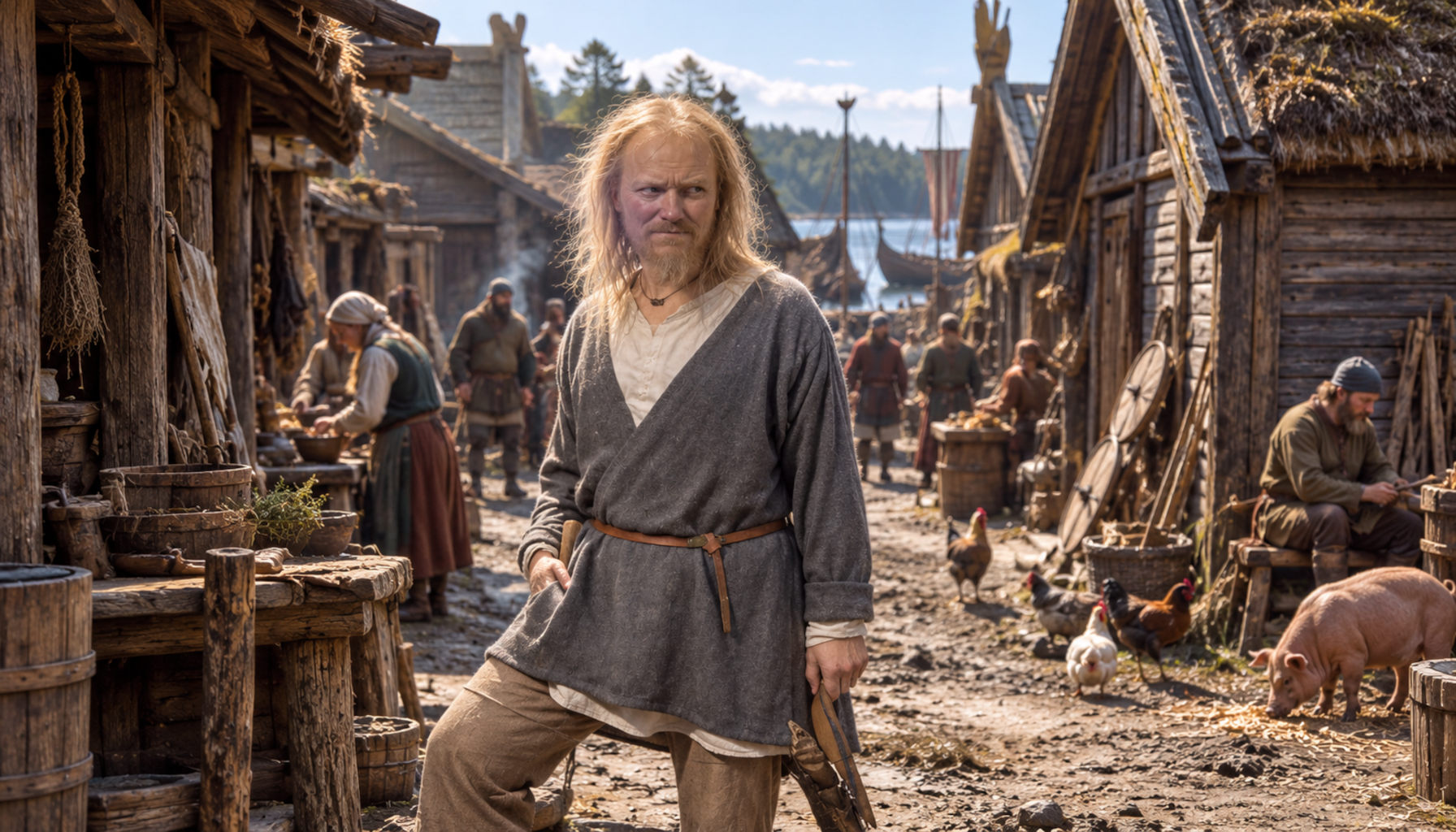
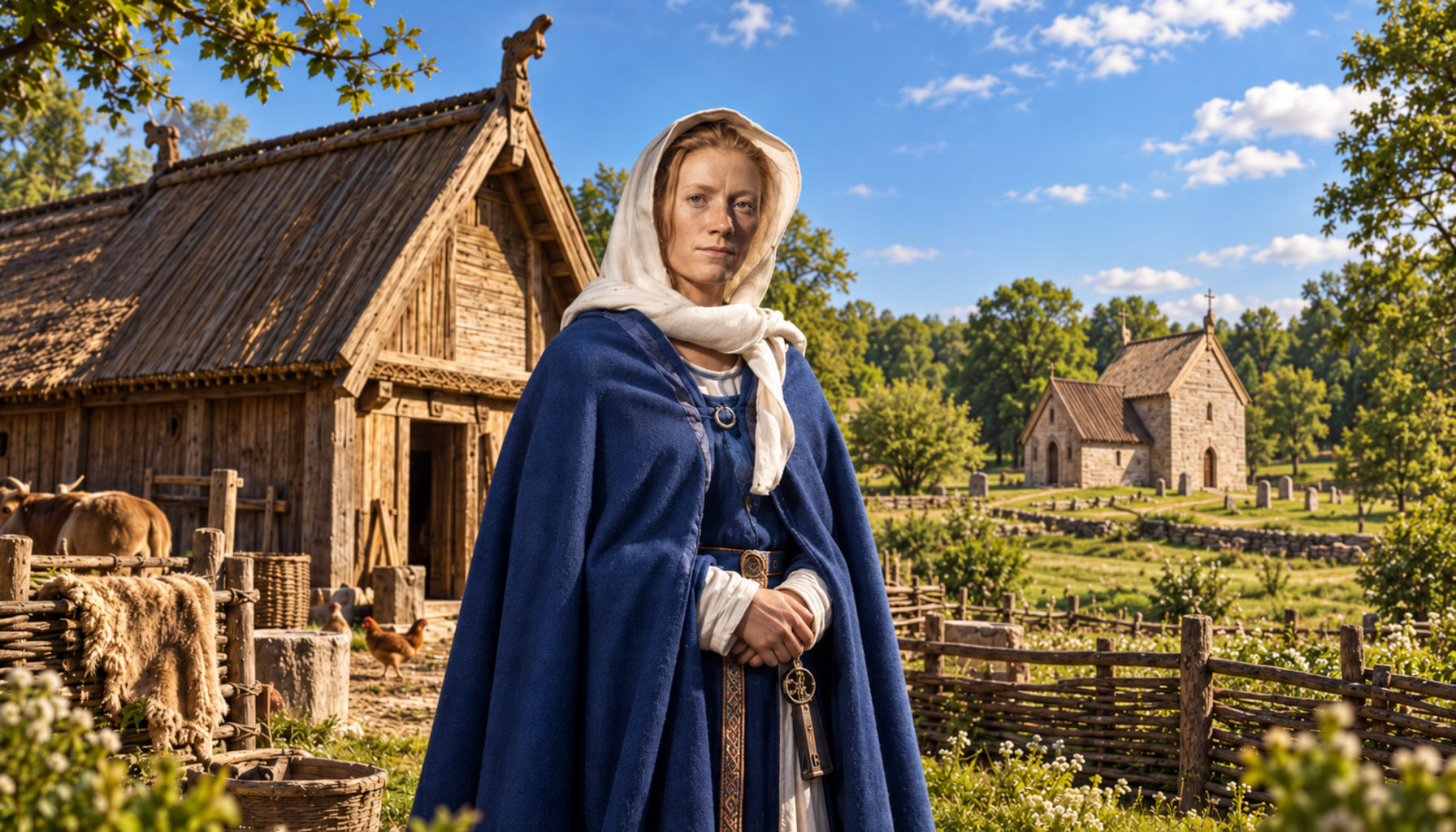
From a wider DNA perspective, the Balliol-linked haplogroup tag R1b1a1b1a1a2c1a1a1a1a belongs to a lineage with a broad and fascinating footprint across Europe and the North Atlantic world. Related or linked ancient DNA examples include the Gallic Cenomani Tribe horse co-burial from Verona Seminario Vescovile in Italy (3232s), Medieval Jutland Denmark Vor Frue Kirkegard Aalborg (CGG100512), the Thuringii context at Deersheim in Saxony-Anhalt (DRH026), Carolingian-era Groningen in the Netherlands (GRO005), Medieval Ireland at Kilteasheen, Roscommon, Bishops Seat (KIL043), Merovingian Alt-Inden in North Rhine-Westphalia (IND007), Anglo-Saxon Sedgeford in Norfolk (SED005), Late Iron Age Wattle Syke in West Yorkshire (I14347), Iron Age Long Bredy in Dorset (I27382), Viking Age Hofstadir in Iceland (VK95), Medieval Sandoy Church in the Faroe Islands (VK44), Aquitani Pech-Maho in France (PECH8), Viking Iceland (FOV-A1), and even later Atlantic-world burials such as Philip Calvert coffin Maryland (2099) and the son of Philip Calvert lead coffin Maryland (I2097). These do not prove direct descent from the Balliols; rather, they show the wider historical landscape of men carrying related branches of the same paternal line across Iron Age, early medieval, Viking, and medieval populations.
If the Balliols remind you how much history can sit inside one family line, from Norman origins to Scottish kingship and dynastic conflict, you may want to see where your own DNA fits into the bigger human story. Upload your DNA to MyTrueAncestry and explore the ancient and medieval connections linked to your heritage.
Comments