Clan Christie
– 3 min read


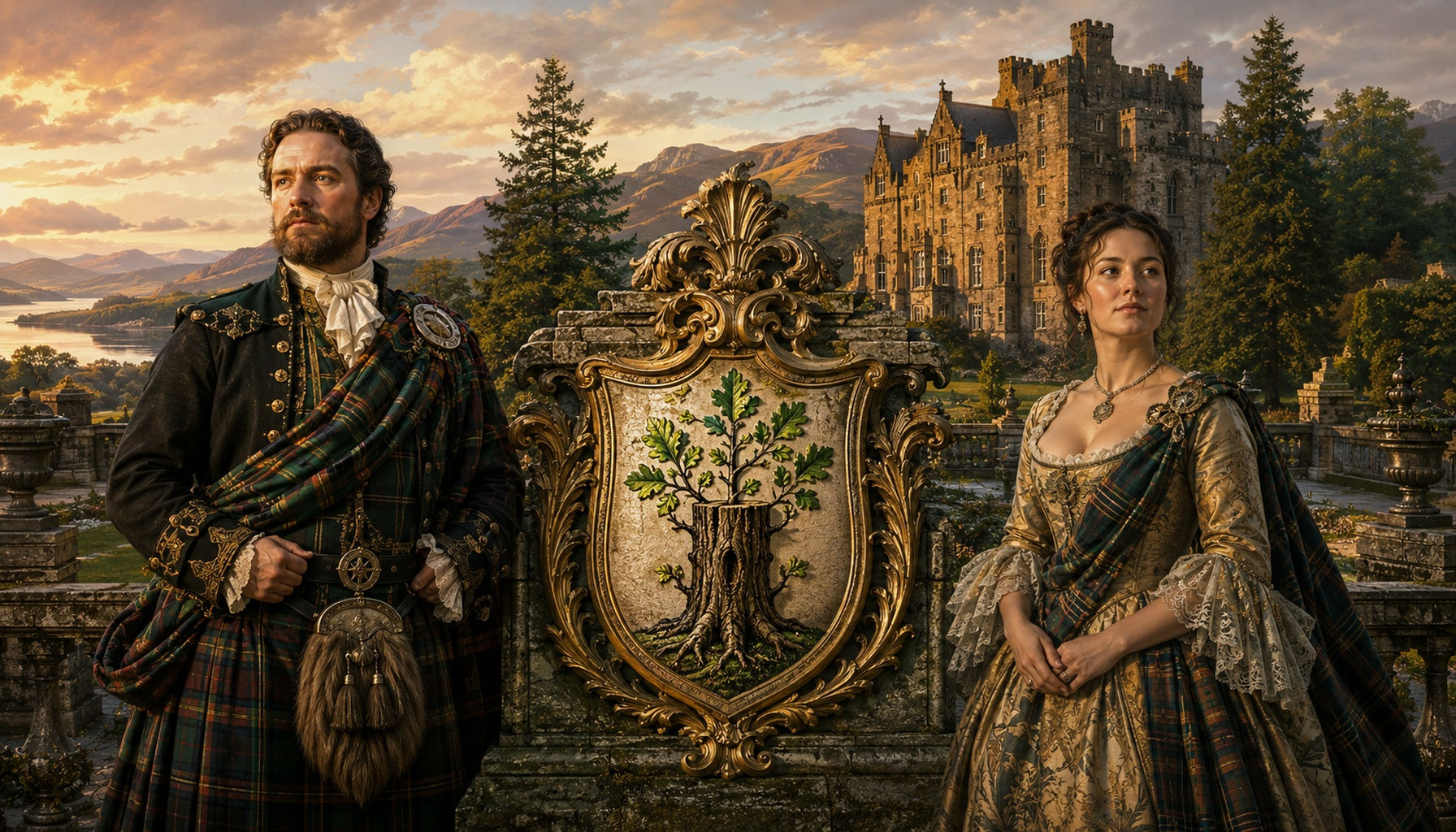
Clan Christie was not one of Scotland's grand princely houses, and that is precisely what makes it so interesting. This is a family tradition rooted in surname continuity, local standing, and the long life of a name that grew out of Christian personal naming. Christie comes from forms linked to Christ or Christopher, a reminder that medieval and early modern Scottish naming was deeply shaped by religion, parish life, and the names people gave their children. In heritage terms, the family belongs above all to the Scottish Lowland pattern: regional belonging, service, public duty, respectable community presence, and the careful preservation of ancestral identity. The primary haplogroup linked here is R1b1a1b1a1a2c1a4b4a1a1, with broader haplogroup tags centered on R1b lineages so often seen across Britain and Ireland.
That Lowland setting matters. Scottish surnames were not all born in the clang of great battles or the shadow of kings. Many were formed, stabilized, and remembered through kirk sessions, burgh records, local offices, landholding, military service, and the very practical business of one generation passing its name to the next. Christie fits that story rather well. It is a surname-clan in the broad Scottish sense: a family identity preserved through heraldry, memory, and repeated appearance in local society. Among the named figures associated with the surname is Thomas Christie (1773-1829), the political writer and historian, whose life shows how a Scottish family name could travel into the intellectual world of the late eighteenth and early nineteenth centuries without losing its historical roots at home.
A useful location anchor for the Christie story is Invercauld Castle in Aberdeenshire, near Braemar in the Cairngorms. The site has long been associated with the Invercauld estate on the north bank of the River Dee, in a landscape that feels unmistakably Highland even when one is tracing a surname with stronger Lowland-style characteristics. The present castle is largely a nineteenth-century rebuilding and remodeling of an earlier structure, and it became the seat of the Farquharson chiefs of Invercauld. Architecturally, it belongs to that world of Scottish baronial revival which loved turrets, mass, memory, and a certain theatrical sense of the past. In other words, it is not simply an old house but a statement about lineage and continuity, exactly the sort of place that helps explain how Scottish families framed their history through land, architecture, and inherited identity. The estate remains well known, and the castle can be seen and visited at least from the surrounding area and estate context, though access to the interior may depend on current arrangements, as it is not a standard full-time public museum in the way some castles are.
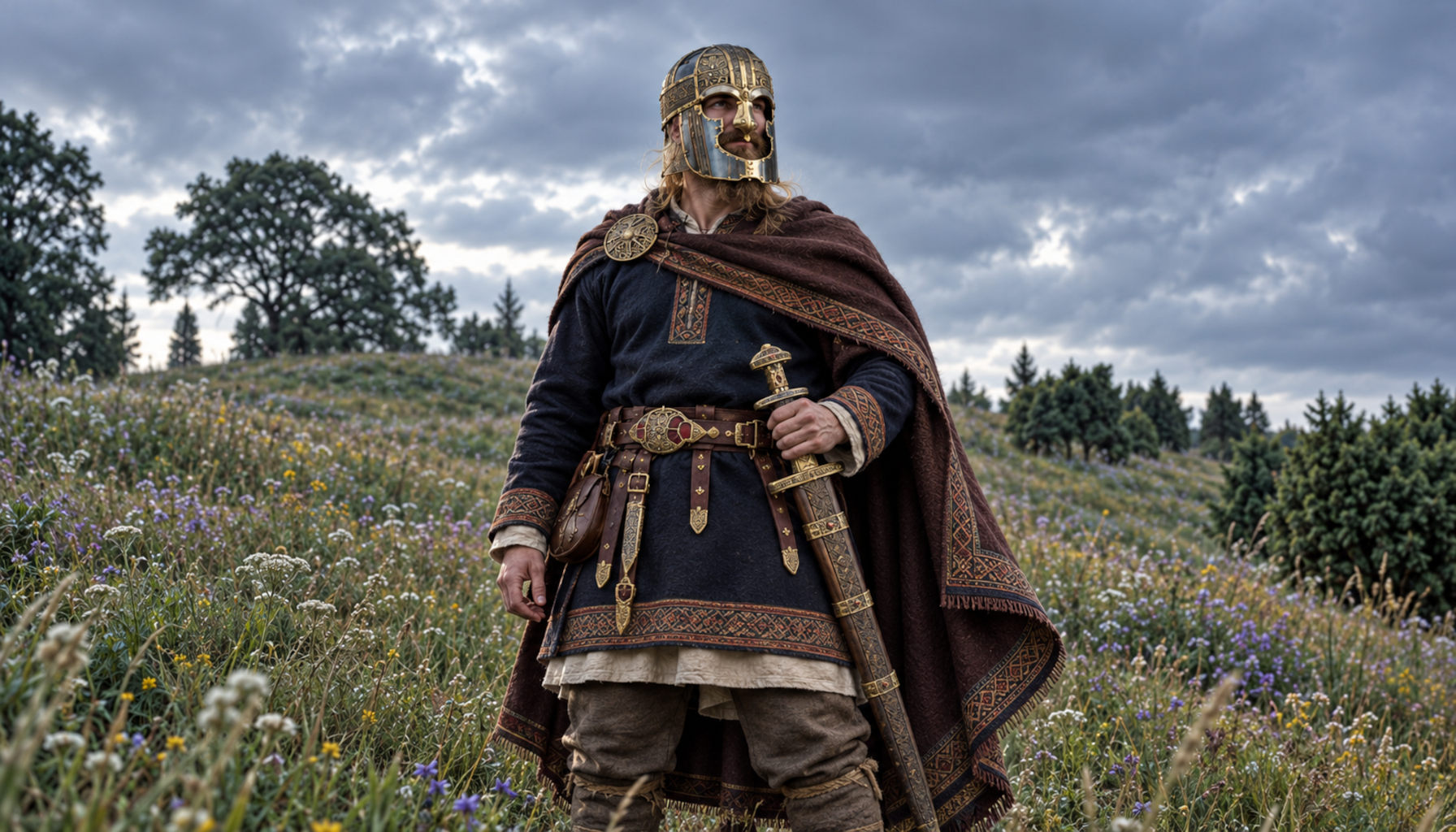
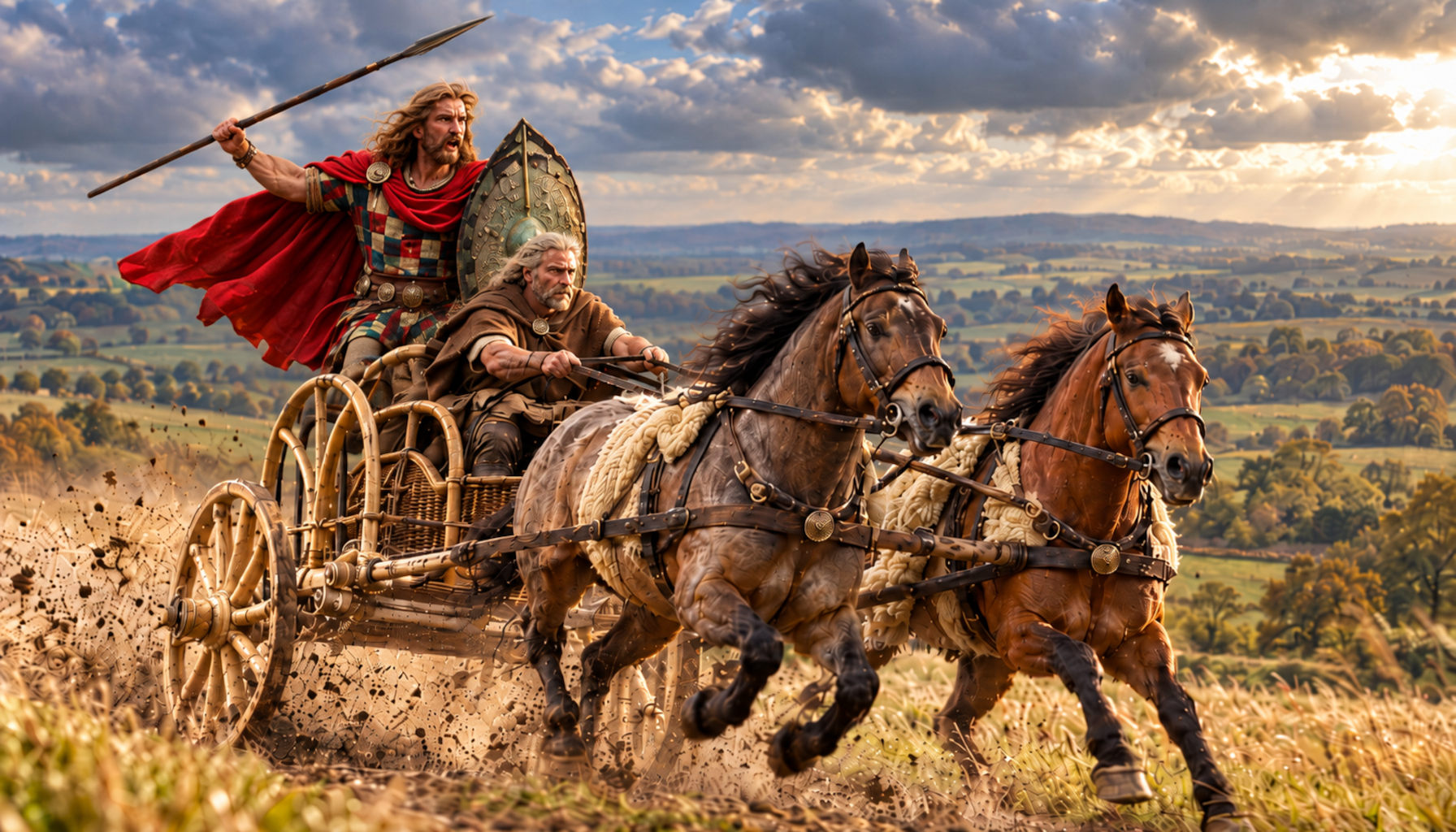
From the ancient DNA side, the primary Christie-linked haplogroup R1b1a1b1a1a2c1a4b4a1a1 sits within a very wide and very old western European paternal story. It appears in related or linked ancient samples across an astonishing spread of time and place, which is exactly the point: not direct descent from any one excavated individual, but a broader genetic neighborhood. Among the linked examples are multiple Celtic Durotriges individuals from Duropolis at Winterborne Kingston in England, including WBK12, WBK20, WBK29, WBK41, WBK05, WBK30, WBK43, WBK06, WBK08, WBK18, and WBK191, alongside later and wider parallels such as Medieval England Cambridge St Johns Hospital (ATP_PSN_192), Imperial Roman Era Zadar Croatia (I26776), Bronze Age Orkney Westray Links of Noltland (KD061), Bronze Age Calabria Grotta della Monaca (GMO015), Early Medieval Belgium Sint-Truiden Groenmarkt (ST2025), Medieval Belgium outsider burial ST1308, Gallic France Parancot (CGG023699), Post Roman Worth Matravers Dorset (I11580), Merovingian Alt-Inden (IND013), Late Roman Klosterneuburg (R10656), Late Roman Conimbriga (R10488), Iron Age Worlebury (I11991), Iron Age Battlesbury Bowl (I21309), Bronze Age Trumpington Meadows (I3256), Amesbury Down (I2417), Bell Beaker Upavon (I4950), Bronze Age Bedfordshire samples I7576 and I7577, Bronze Age Boatbridge Quarry South Lanarkshire (I5473), Hinxton Iron Age (HI2), Early Bronze Age Thames (I5377), and Rathlin2B from Copper Age Ireland. Taken together, these linked samples evoke a deep Atlantic and British-Irish world of movement, continuity, and local survival that forms a plausible long background for families like the Christies.
Explore ancient DNA and Celtic origins
If you carry the Christie surname, or have Christie lines in your Scottish family tree, the real fascination lies in putting the pieces together: the Christian-name origin, the Lowland surname tradition, the local record trail, the heraldic identity, and the deeper R1b1a1b1a1a2c1a4b4a1a1-linked ancient DNA backdrop. Upload your DNA to MyTrueAncestry to see whether you match Clan Christie connections or any of the related ancient samples that help illuminate the older genetic landscape behind the name.
Comments