Clan Carruthers
– 3 min read


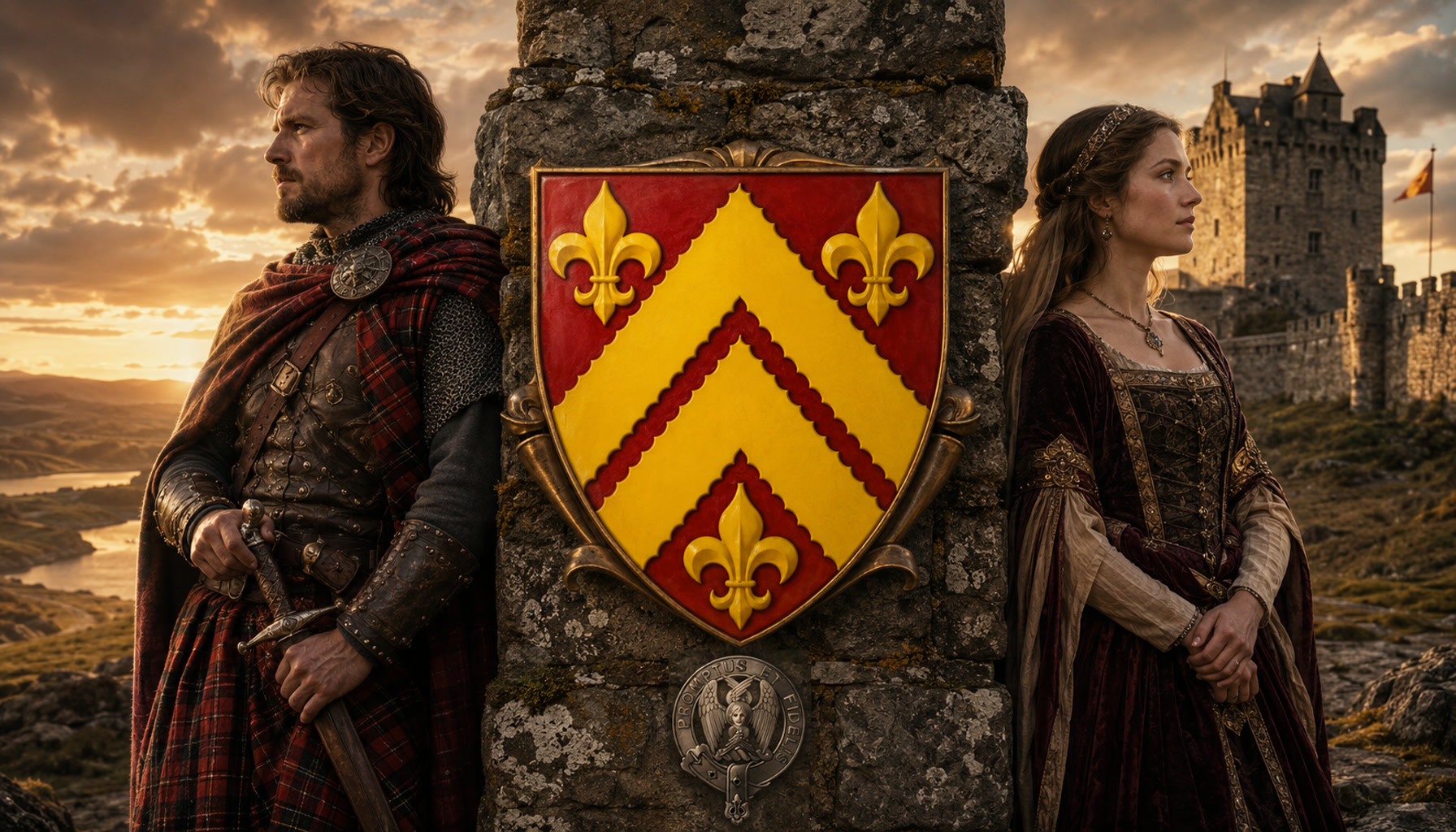
Clan Carruthers was one of the old riding families of the Scottish Borders, rooted in Dumfriesshire and closely tied to the lands of Carruthers near the lower Annan. In genetic terms, the primary family haplogroup associated with the clan is I1a1b1b, a paternal line with deep northern European connections. That does not mean every Carruthers today will carry that exact signature, of course, but it gives a useful anchor for thinking about one strand of the clan's long story.
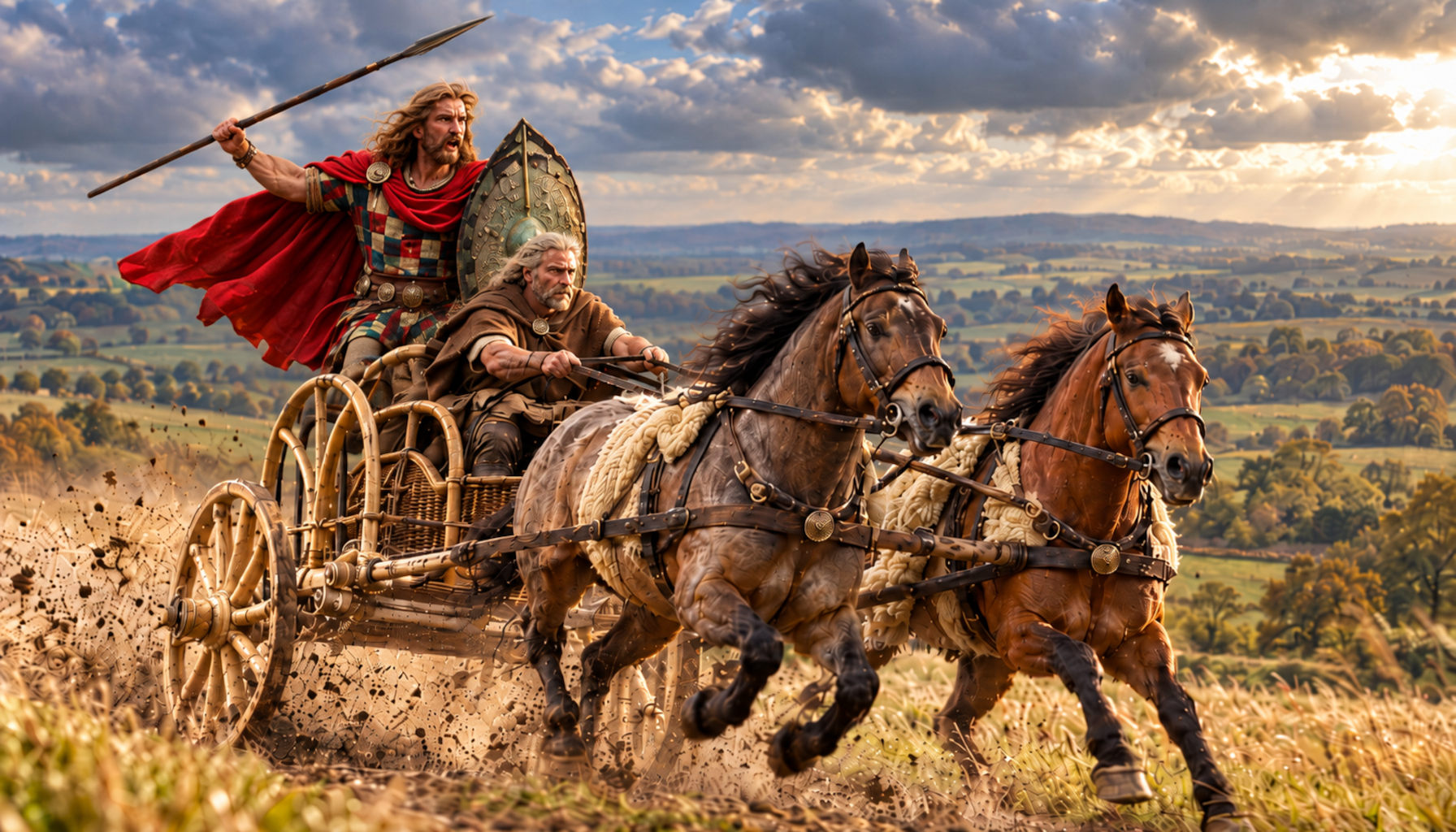
The family belonged to that hard, dangerous frontier world where local power was measured in kin, horses, towers, and the speed with which a household could defend itself. This was not the romantic Border of postcards and mist, but a contested zone between two kingdoms, full of raids, reprisals, and practical loyalties. The Carruthers name comes from place, from the lands of Carruthers themselves, and that matters: this was a family formed by territory as much as by blood. Their motto, Promptus et Fidelis, ready and faithful, suits the setting perfectly. We catch glimpses of them in the record through figures such as Nigel de Karruthers in 1380 and Sir Simon Carruthers in 1548, names that remind us the clan was not an abstract badge but a working Border lineage with standing, duties, and memory.
Read more about life on the frontier
If you want one place that captures the Carruthers world, Mouswald Tower is a strong candidate. Set in Dumfriesshire, not far from the Solway-facing lowlands, it stood in precisely the sort of landscape where watchfulness was never optional. The tower is a later medieval fortalice, built for security as much as status, and it reflects the Border habit of compact, defensible living: thick walls, restricted access, and a commanding local presence rather than the grand theatricality of a great castle. Sources on the site note its long and complicated history, including destruction and rebuilding, and the remains still evoke a place shaped by violence, repair, and endurance. In other words, it is very much a Border monument. It can still be visited today as a historic ruin, and for anyone tracing the Carruthers story on the ground, it offers a remarkably direct link to the clan's territorial heartland.
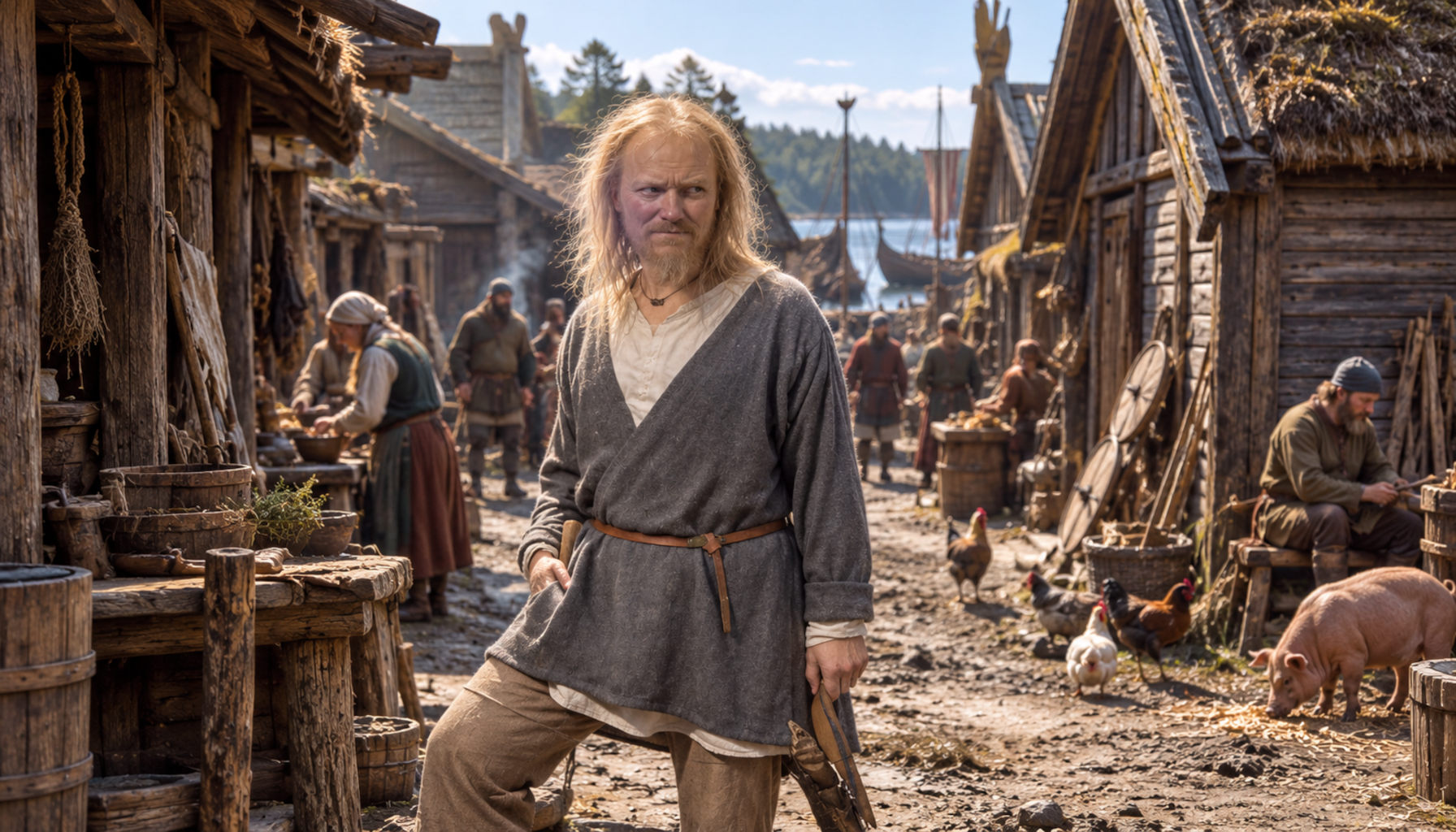
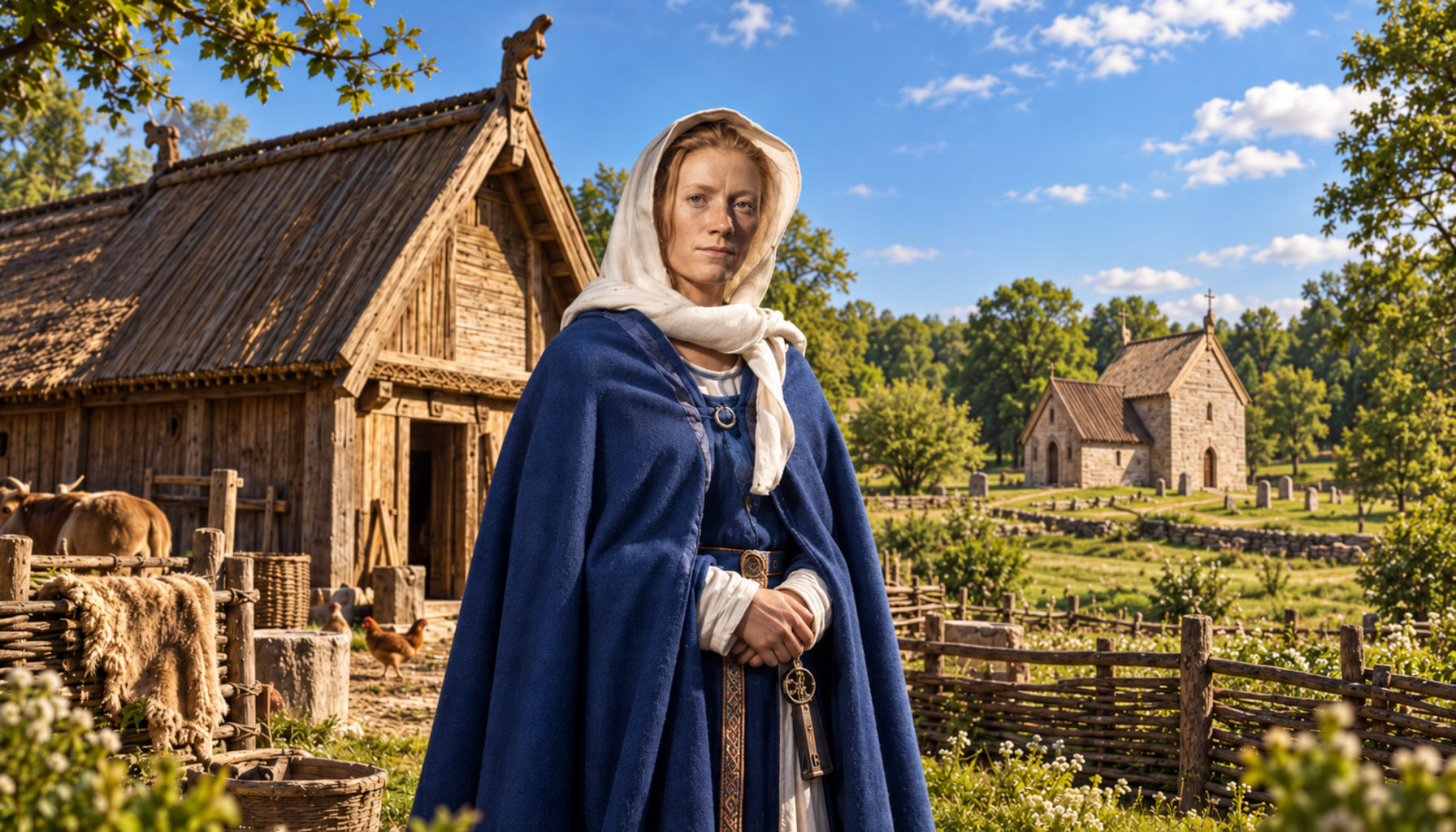
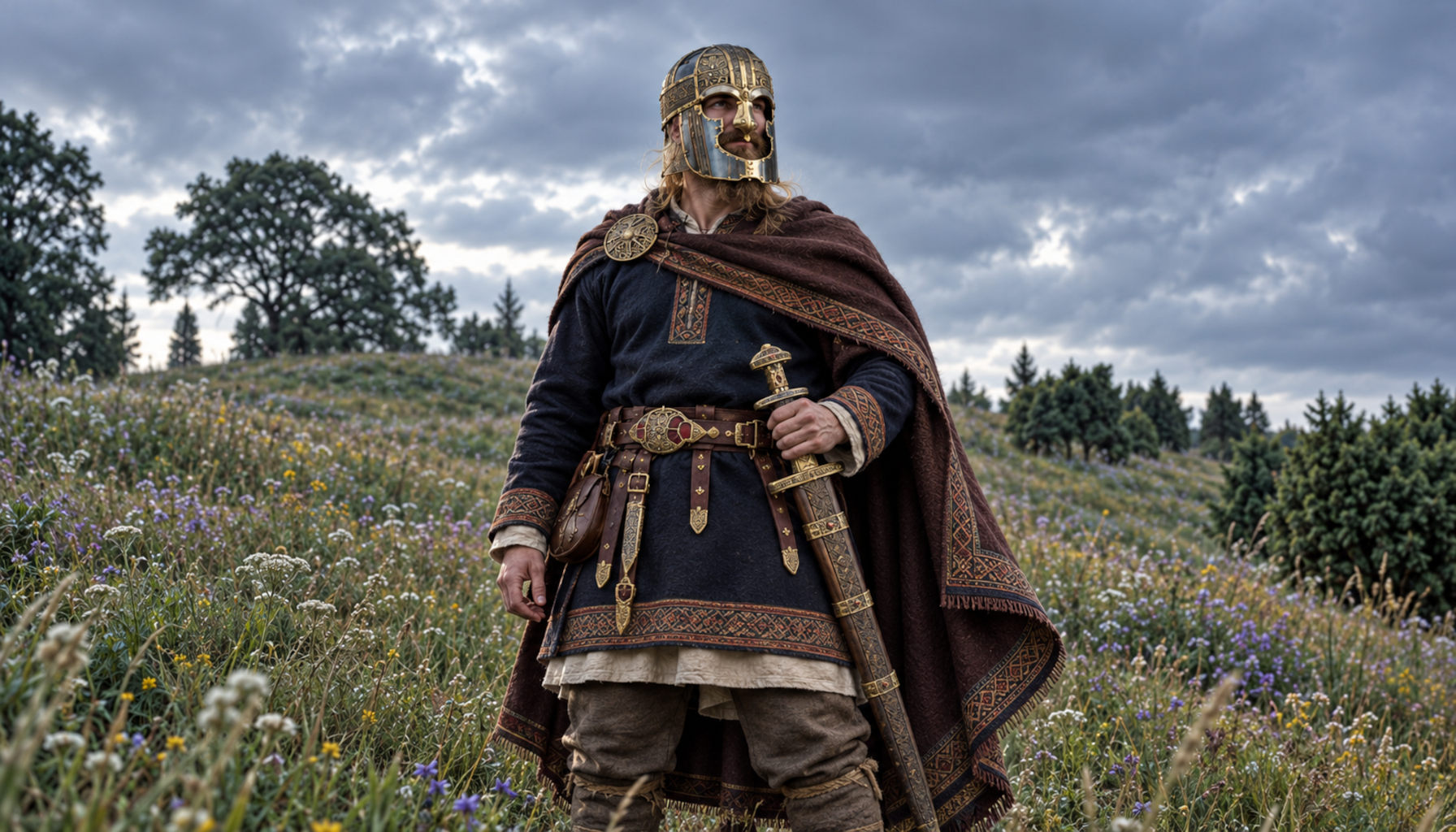
The Carruthers primary haplogroup, I1a1b1b, also turns up in a wide spread of ancient DNA samples from northern and early medieval Europe, which is interesting not because it proves direct descent from any one person, but because it places the family within a broader historical pattern. Related or linked samples include Migration Period Hungary Rakoczifalva RKF183, Longobard Period Pannonia Savaria Szeleste Barbaricum Hungary SZL026, Merovingian Bavaria Altheim Germany Alh_236 and Alh_141, Medieval Jutland Denmark Vor Frue Kirkegard Aalborg CGG100498, Viking Age Denmark Jutland Tjaerby Randers CGG100683, Kingdom of Dumnonia Britain Cornwall I16383, Kingdom of Mercia England Wolverton Buckinghamshire I16509, Early Medieval Croatia VEM057, Danii Tribe Denmark CGG107443, Viking Age Trelleborg CGG106823, Iron Age Netherlands CGG107762, Iron Age and later Sweden samples including CGG105936_CGG105937, CGG105926, snb013, als007, kro016, and Viking and Saxon era finds from Lower Saxony, Funen, Staraya Ladoga, Salme, and Ridgeway Hill such as DUN005, DRU011, VK315, VK404, VK221, VK219, VK507, and VK257. Taken together, these linked samples sketch a paternal network stretching across Scandinavia, the North Sea world, early medieval Britain, and the Migration Period continent, a very suitable background for a Border clan whose history sat at the meeting point of northern kingdoms, war bands, and settled lordship.
Read more about Clan Armstrong
The story of Clan Carruthers is one of place, endurance, and readiness on one of the most unstable frontiers in British history. If your family carries the Carruthers name, or if your ancestry points toward the Scottish Borders, uploading your DNA can help you see whether you match the family group or show links to related ancient DNA samples from Britain, Scandinavia, and the wider early medieval world.
Comments