Clan Bryant
– 3 min read


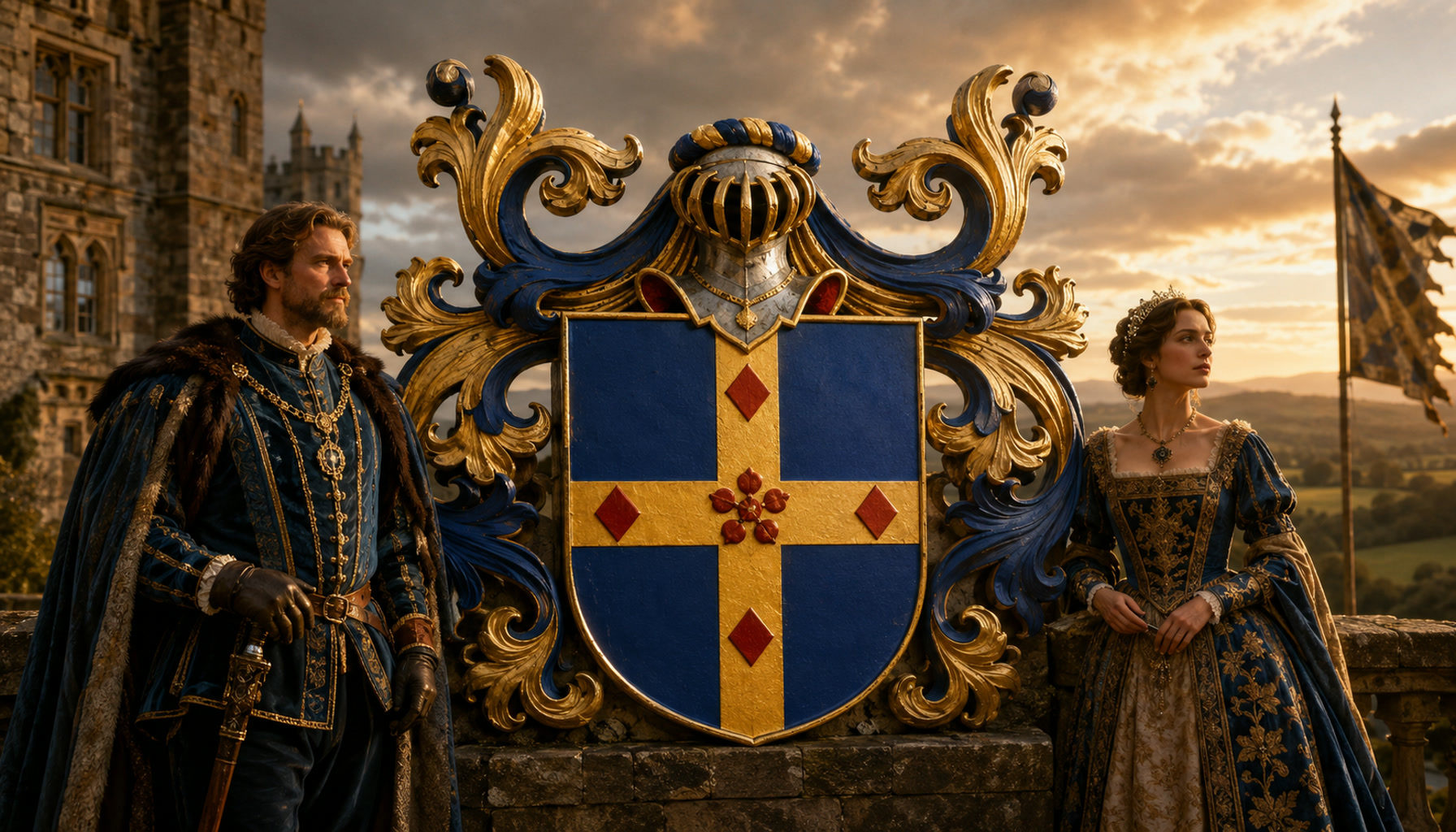
Clan Bryant is best understood as a commemorative surname heritage rather than one of the old principal Highland clans. In this style of family memory, what matters is not a single medieval chiefship or a tightly bounded territory, but the continuity of the name, the values attached to it, and the way descendants choose to remember their past. The Bryant tradition presented here is centered on the motto Virtute et Fide, "by virtue and faith," a phrase that gives the family a striking moral cast: integrity, trust, steadiness, and the determination to carry a name forward across generations. Linked here with the primary family haplogroup R1b1a1b1a1a2c1a4b2a1a, the Bryant story sits within a much wider Atlantic and northwestern European genetic landscape.
As a surname, Bryant ultimately belongs to the world of the British Isles and the layered history that shaped family names there: Celtic inheritance, Norman influence, medieval lordship, church record keeping, and the long habit of turning personal names into enduring surnames. In heritage terms, the Bryant line can be read alongside older clan and house traditions, especially where memory and identity become just as important as formal political status. That is why figures such as Murchadh Carrach O Briain, recorded in 1543, help enrich the broader story. He belongs to the great O Briain historical world of Gaelic Ireland, a reminder that family identities in these islands were often built through overlapping traditions of kinship, loyalty, and remembered descent rather than neat modern categories.
A useful location anchor for this heritage frame is O'Brien's Castle on Inisheer, the smallest of the Aran Islands in Galway Bay, off the west coast of Ireland. The castle stands on a dramatic rise and is generally dated to the 14th century, built by the O Briens of Thomond as part of their power in the region. Like so many Gaelic strongholds, it was not just a military structure but a statement in stone about family presence, sea control, and prestige on a contested Atlantic edge. Its position commands extraordinary views over the island and surrounding waters, which tells you quite a lot about why it mattered. The site later passed through turbulent phases, including conflict involving the O Flahertys, and today its ruins still hold that unmistakable mixture of exposure and authority so typical of western Irish castles. Yes, it can still be visited, and for anyone interested in heritage it offers the pleasure of seeing a real family landscape rather than just reading a name on a page.
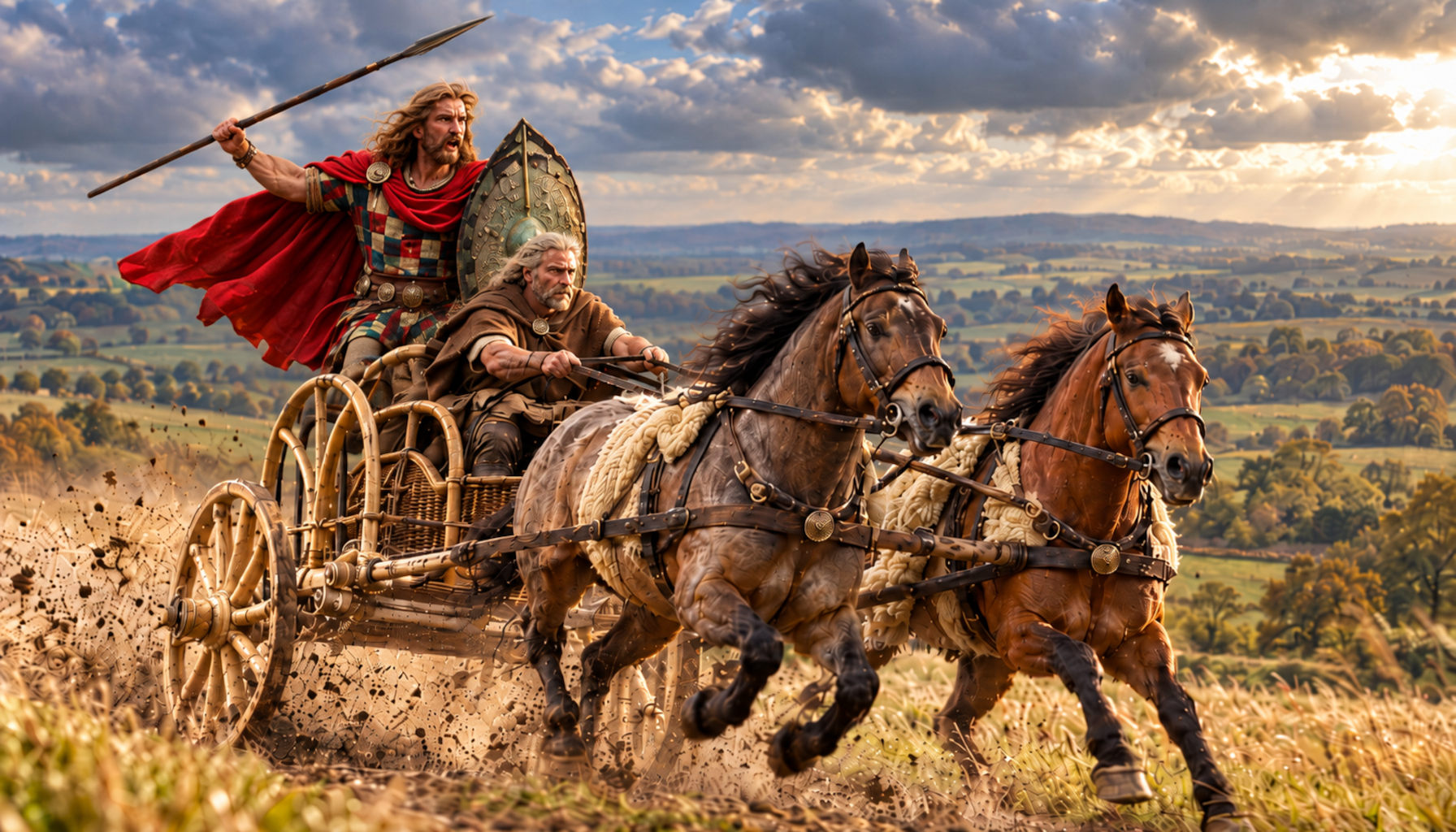
From the ancient DNA side, the Bryant-associated haplogroup R1b1a1b1a1a2c1a4b2a1a belongs to a paternal branch found in a broad sweep of ancient western and central European contexts. Related or linked samples include several Celtic Durotriges individuals from Duropolis at Winterborne Kingston in England, such as WBK12, WBK20, WBK29, WBK41, WBK05, WBK30, WBK43, WBK06, WBK08, WBK18, and WBK191, alongside later individuals like ATP_PSN_192 from medieval Cambridge, I26776 from Roman-era Zadar in Croatia, ST2025 and ST1308 from medieval Belgium, I11580 from post-Roman Dorset, IND013 from Merovingian Germany, R10656 from late Roman Austria, R10488 from late Roman Portugal, and deeper prehistoric examples including KD061 from Bronze Age Orkney, GMO015 from Bronze Age Calabria, I11991 from Iron Age Somerset, I21309 from Battlesbury Bowl, I3256 from Trumpington Meadows, I2417 from Amesbury Down, I4950 from Bell Beaker Upavon, I7576 and I7577 from Bronze Age Bedfordshire, I5473 from South Lanarkshire, HI2 from Iron Age Hinxton, I5377 from the Early Bronze Age Thames, and Rathlin2B from Copper Age Ireland. These are not claims of direct descent from any one ancient person. Rather, they show the wider paternal world in which this lineage appears: Celtic Britain, Atlantic Ireland, Roman mobility, medieval towns, and the deep prehistoric foundations of western Europe.
If the Bryant name speaks to your own family story, this is where history becomes personal. Upload your DNA to MyTrueAncestry to see whether you match Clan Bryant, the linked haplogroup R1b1a1b1a1a2c1a4b2a1a, or any of the related ancient DNA samples that illuminate the deeper world behind the name.
Comments