Clan Boyle
– 3 min read


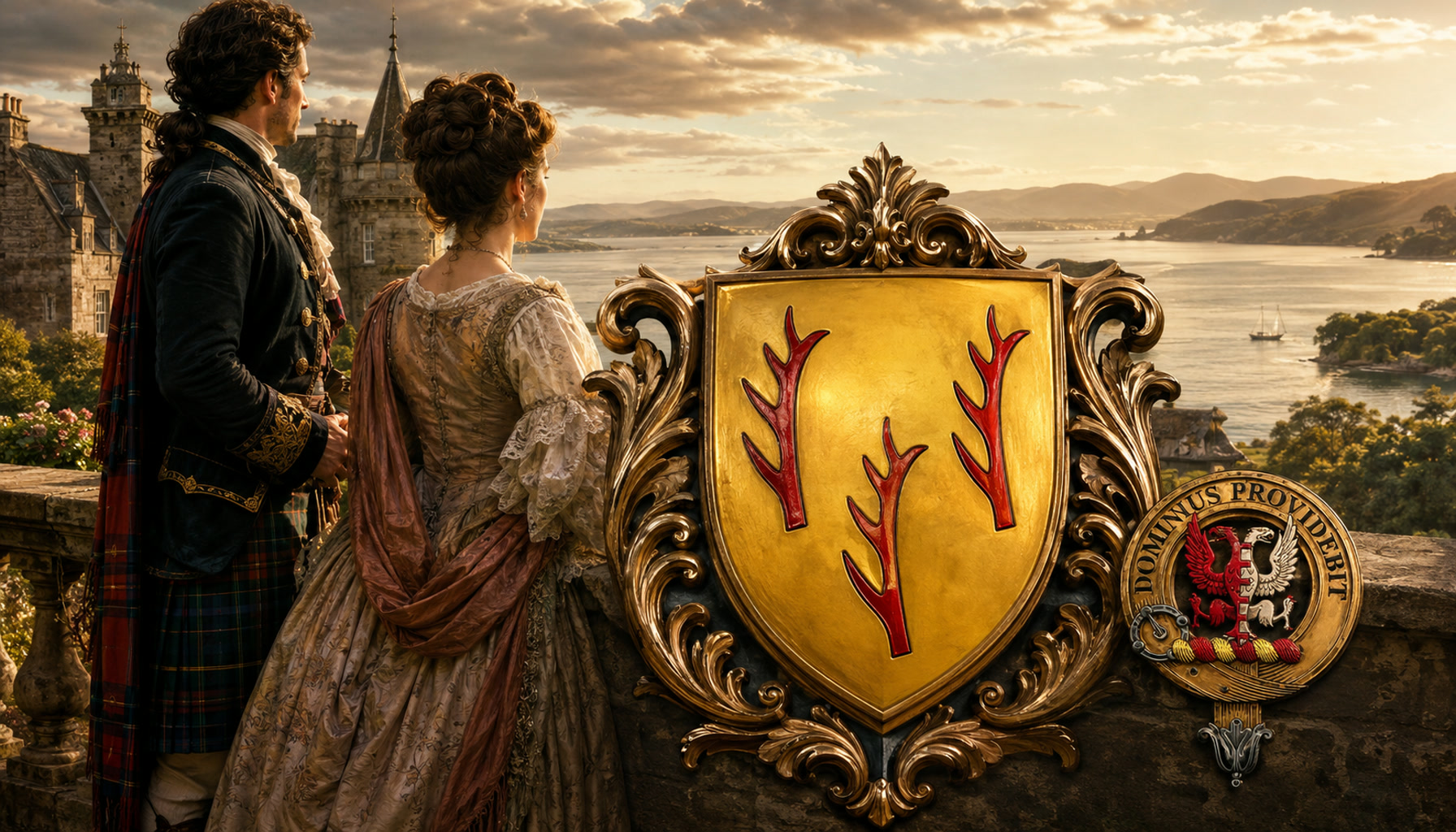
Clan Boyle was a Scottish Lowland family, rooted above all in Ayrshire and Renfrewshire, and remembered as one of those houses that rose not through romantic Highland turbulence but through something just as historically important: land, office, alliance, and endurance. The family is especially linked here with the haplogroup R1b1a1b1a1a2a1b1a1, presented as the primary Boyle family haplogroup tag. In historical terms, the Boyles fit a very recognisable Scottish pattern, a family established in its district, drawn into the orbit of greater noble power, and then steadily advanced through service and property into the peerage.
Their story belongs to the world of Lowland lordship, where identity was built manor by manor, charter by charter, and marriage by marriage. The motto Dominus Providebit, meaning the Lord will provide, captures that mixture of piety, continuity, and confidence that noble families liked to project. Over time the Boyles became closely associated with the Earls of Glasgow, a title that signals how far they had come from regional landholders to figures of national standing. Among the best known are John Boyle, 1st Earl of Glasgow, David Boyle, 5th Earl of Glasgow, and David Boyle, 7th Earl of Glasgow, each part of the long public life of a family that made itself useful, prominent, and memorable in Scottish affairs.
If one place anchors the Boyle story, it is Kelburn Castle in North Ayrshire, near Fairlie on the Firth of Clyde. This has been a seat of the Boyle family for centuries and is one of those marvellous Scottish buildings that wears its history in layers. At its core is a Norman keep dating back to the 13th century, later expanded with a larger mansion house in the 16th and then 18th centuries. So you are not looking at a single frozen medieval fortress, but at a family residence altered as power, taste, and ambition changed over the generations. More recently, Kelburn became famous for its striking painted exterior, where a historic castle acquired an unexpectedly modern skin of Brazilian graffiti art, a reminder that old houses survive by adaptation as much as by preservation. The castle and estate are known as a visitor destination, with grounds and attractions open to the public at times, so yes, it can still be visited.
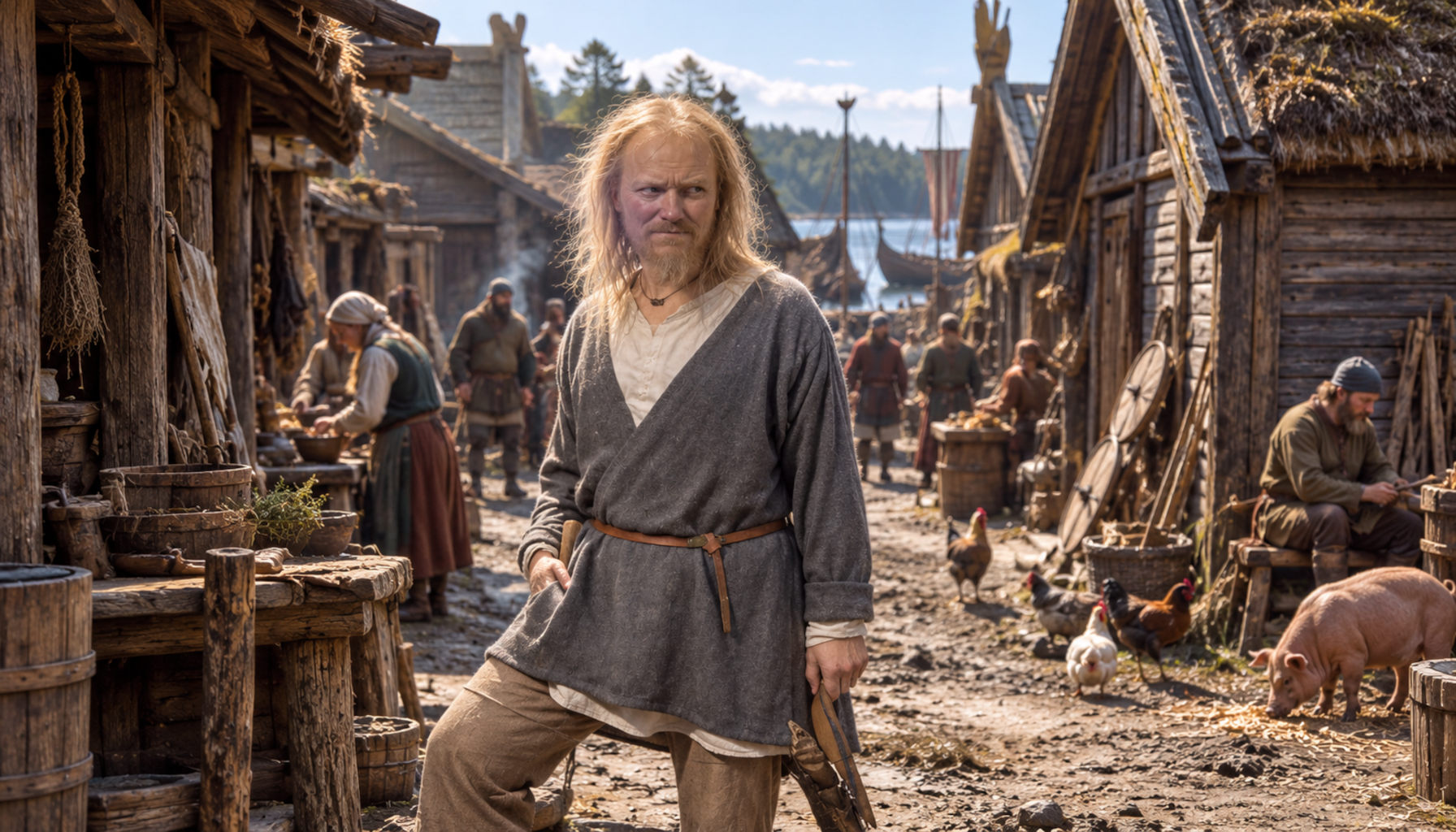
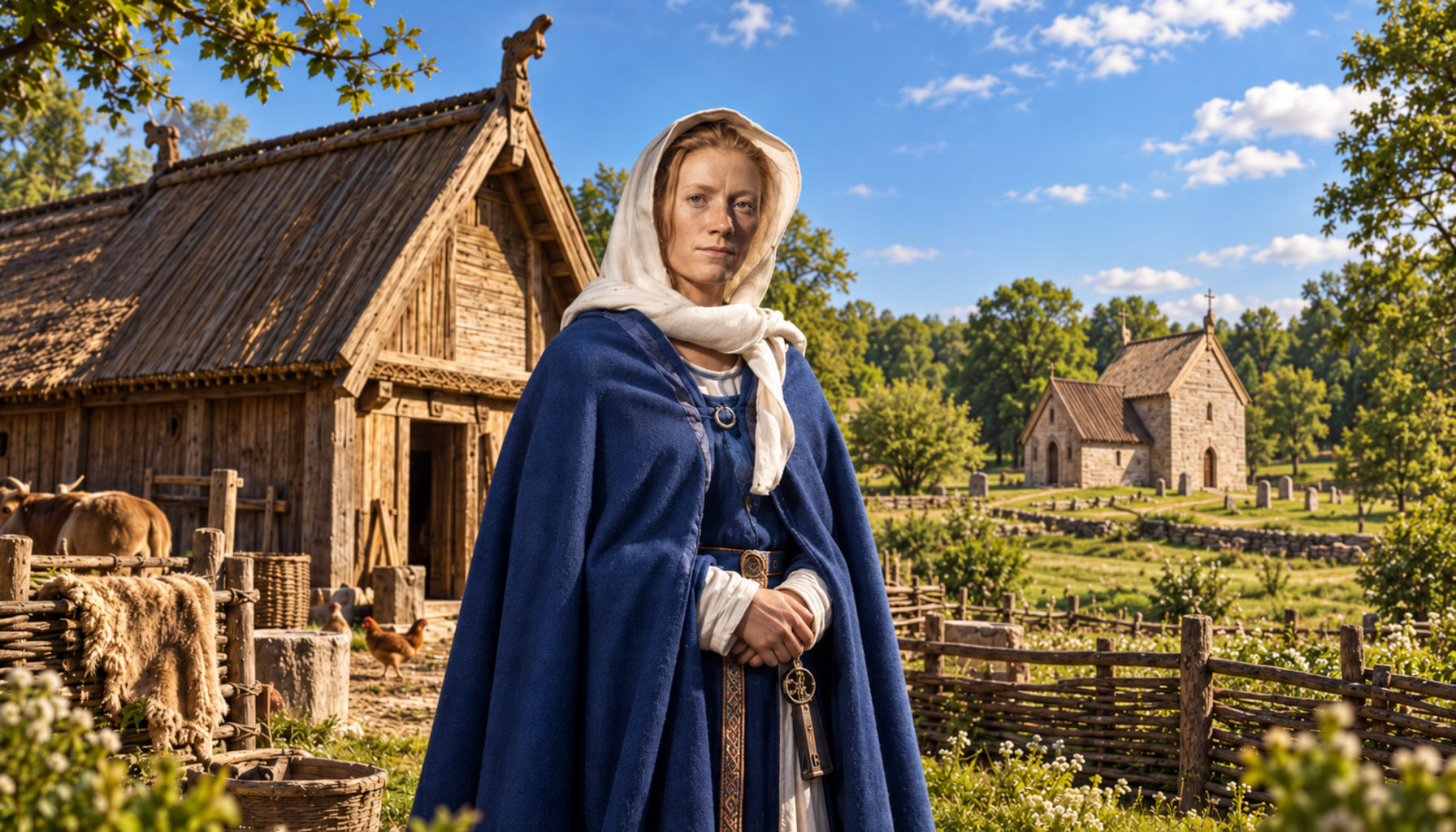
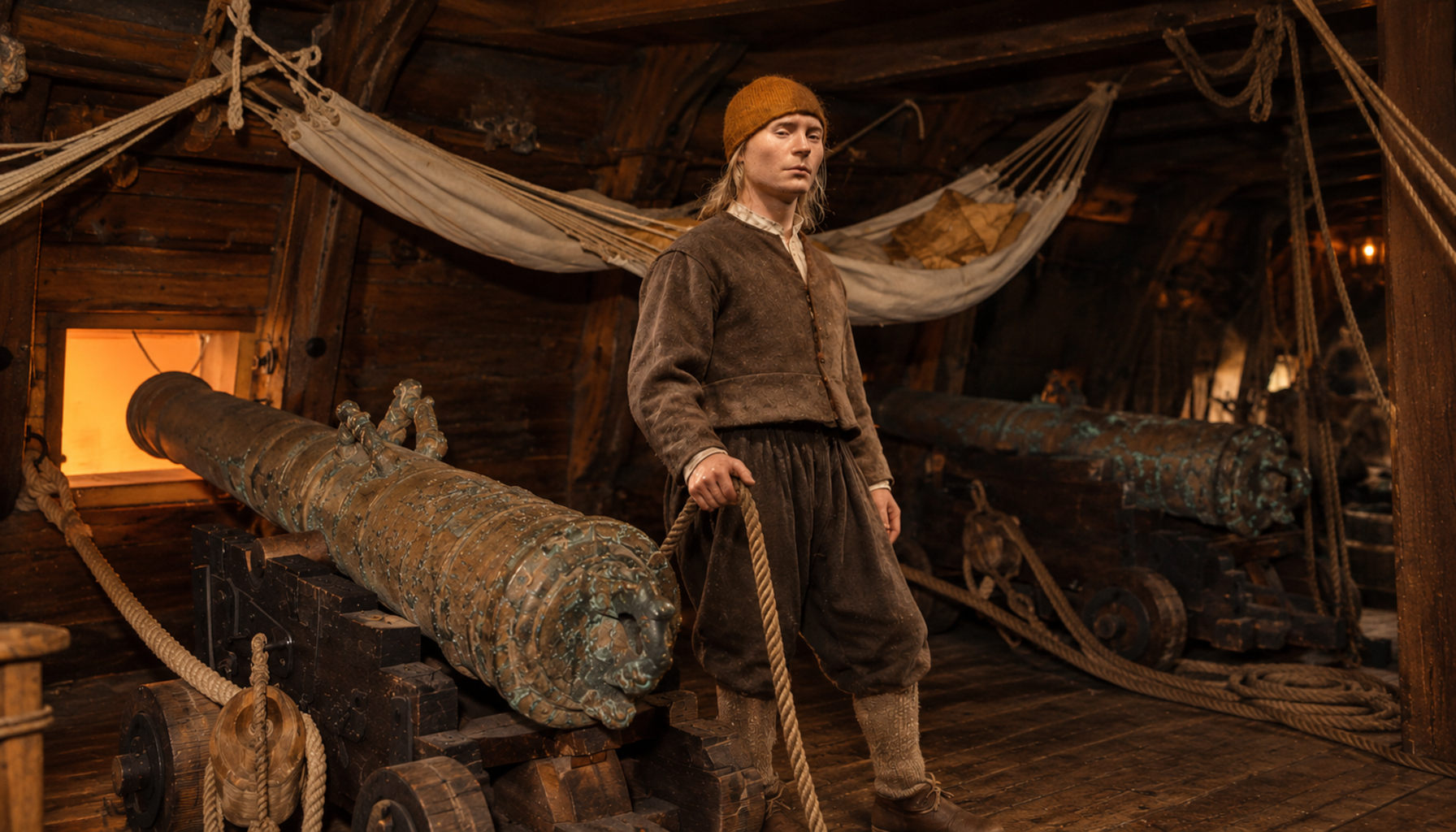
From a DNA perspective, the Boyle-linked haplogroup R1b1a1b1a1a2a1b1a1 sits within a broad and fascinating western Eurasian story. Related or linked ancient samples assigned to this line have turned up in very different times and places: Historic St. Mary City Chapel Field Cemetery, Maryland samples I15304, I15319, and I35265; Bronze Age Pre-Celtiberian Spain at Almoloya Pliego sample ALM041; Medieval Denmark at Tjornby in Randers Municipality sample CGG100678; a soldier from the Napoleon Grande Armee mass grave at Vilnius, sample YYY084B; Carthaginian Punic western Sicily sample I24674 from Marsala; Carolingian Groningen sample GRO024; Iron Age Hampshire sample I20982 from Suddern Farm hill fort; Gallic France sample I21399 from Chemin de Coupetz in Marne; Viking Age Sweden sample VK403 from Skara Varnhem; Viking Denmark sample VK87 from Hesselbjergmarken; the Viking St. Brice massacre sample VK166 from Oxford; and Early Bronze Age Sicily sample I3123 from Buffa II. None of these should be claimed as direct Boyle ancestors on present evidence, but they do show the deep and wide time-depth of a paternal line related to the one associated with the family, stretching across Bronze Age, Iron Age, medieval, and early modern worlds.
Explore the Royal House of Stewart
If the Boyle story feels familiar, that is because it speaks to a larger Scottish history: local roots becoming aristocratic reach, estates becoming influence, and family memory surviving in castles, titles, and records. If you have Boyle ancestry, or simply want to see whether your DNA matches the family or any of these related ancient DNA samples, upload your results to MyTrueAncestry and explore where your line may fit in the long human story.
Comments