Clan Boyd

– 2 min read


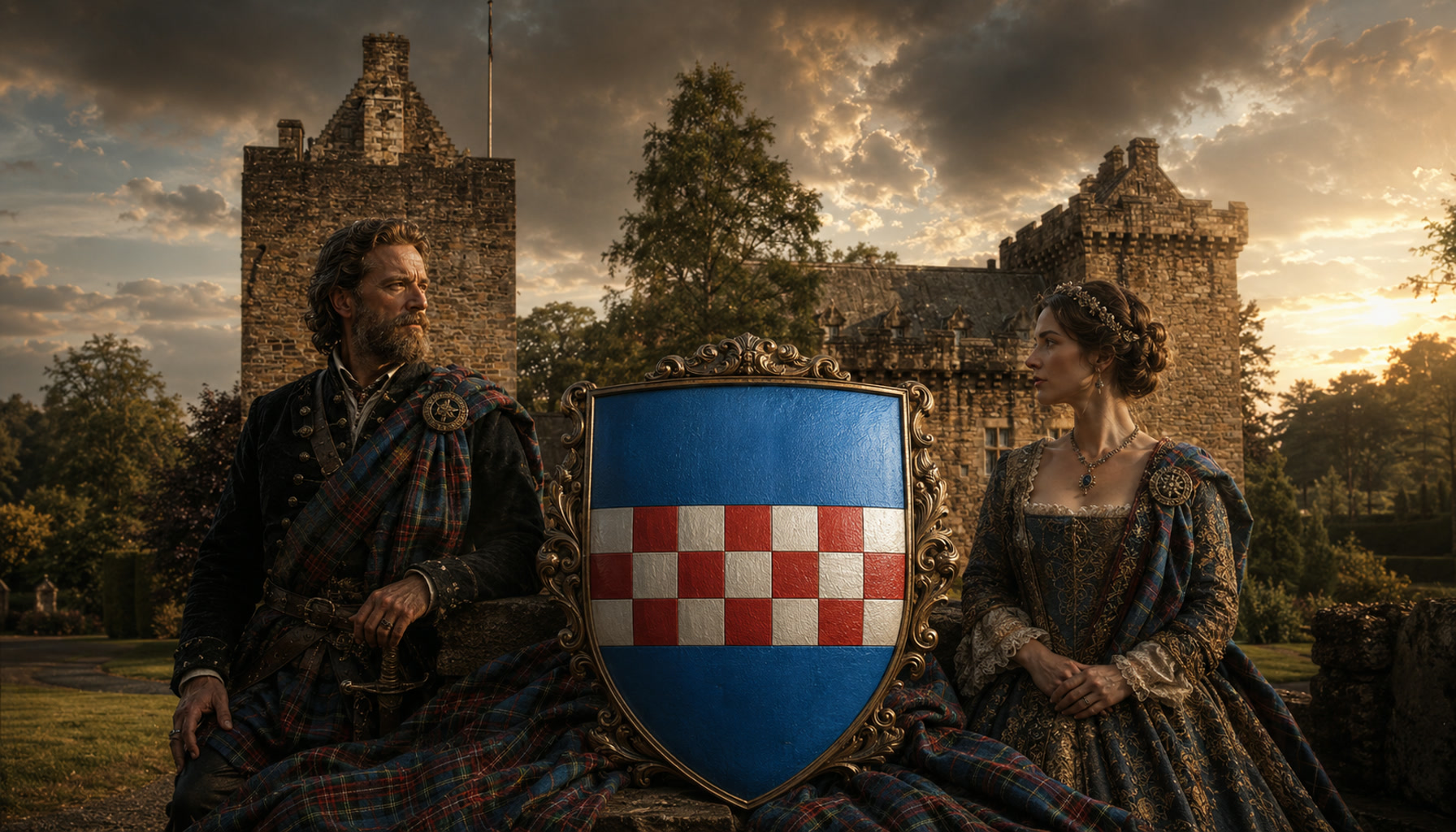
Clan Boyd was one of the notable noble families of Scotland's Lowlands, rooted above all in Ayrshire and closely tied to Kilmarnock. In family and regional history, the Boyds stand for that very Scottish mixture of landed power, royal favour, military service, marriage politics, and sudden reversals of fortune. Their primary linked Y-DNA haplogroup is R1b1a1b1a1a1c2a1c2, a lineage tag associated here with the Boyd heritage story. Haplogroups: R1b1a1b1a1a1c2a1c2.
The family rose in the medieval kingdom of Scotland, when service to the crown could make a house and court intrigue could just as easily unmake it. The Boyds built influence through estates, local authority, and political usefulness, especially in the southwest. Their motto, Confido, meaning "I trust," is neat and revealing: it speaks of loyalty, confidence, and the expectation that bonds between lord, kin, and king mattered. Among the best-known figures are Lord Boyd, created in 1454 during the family's dramatic rise at court, and the Earl of Kilmarnock line, including the 18th-century figure born in 1661 and dying in 1746, whose life sits in the long shadow of shifting Scottish allegiance and aristocratic risk.
Read more about Clan Cunningham
If you want one place that anchors the Boyd story, it is Dean Castle in Kilmarnock, East Ayrshire. This was the historic stronghold of the Boyd family and one of the most important survivals of late medieval lordship in southwest Scotland. The site grew from an earlier fortified residence into a substantial castle complex, with the great tower house at its core and later additions reflecting changing tastes, status, and domestic comfort. It sits in what is now Dean Castle Country Park, which rather wonderfully means that a place once bound up with noble power, feuding, display, and regional control can still be visited today. Walking there now, you are not just seeing stone walls; you are seeing the stage on which Lowland aristocratic life was played out, from household management and hospitality to alliance-building and the careful performance of rank.
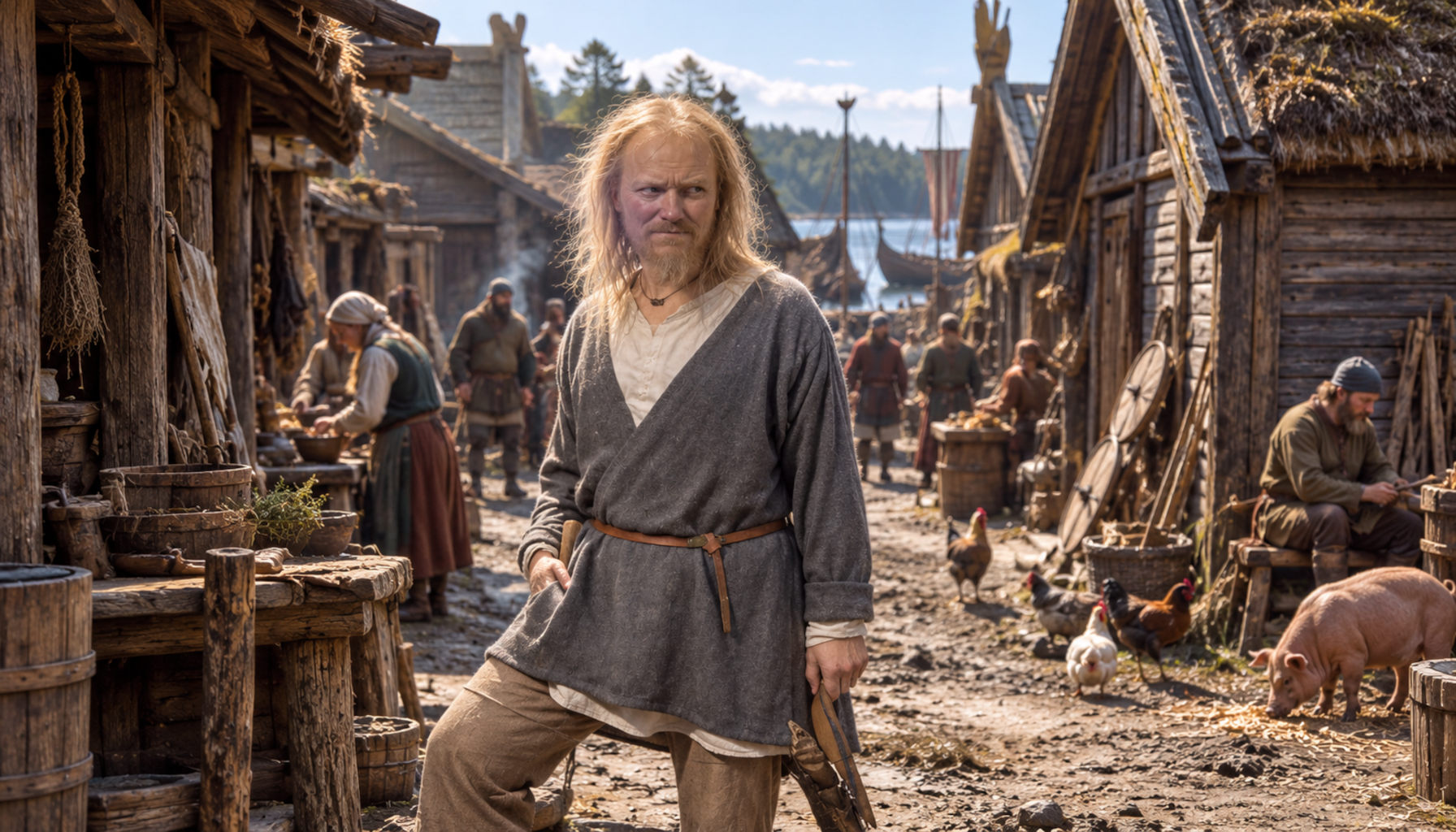
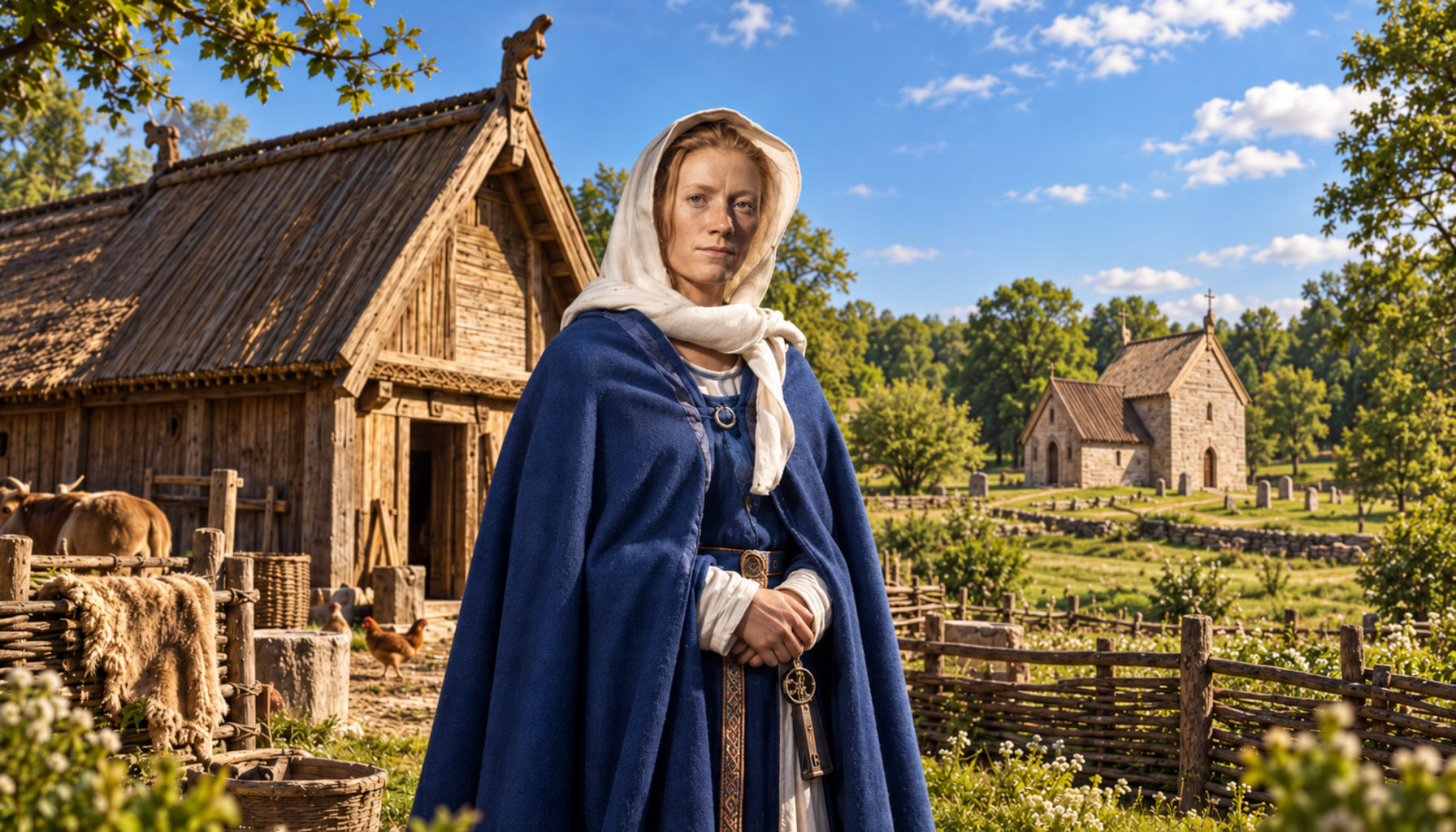
From an ancient DNA point of view, the Boyd-linked haplogroup R1b1a1b1a1a1c2a1c2 appears in a scatter of related or linked historical samples across Europe, which is exactly the sort of thing that reminds us how mobile and entangled medieval and post-medieval paternal lines could be. These include PER04B from Medieval Hungarian Bathory male nobility at Pericei, ATP_PSN_873 from the Early Modern Providence Calvinist Baptist Chapel in England, PCA0549 from Piast-era medieval Silesia at Milicz in Poland, ST0044 from medieval Sint-Truiden in Belgium, CGG019689 from Viking Age Kongsted Lyng on Sjaelland in Denmark, HVN006 from Longobard-era Haeven in Mecklenburg-Vorpommern, and OAI002 from Jute-period Oakington in England. These are best understood as genetically related or haplogroup-linked comparisons, not as proof of direct descent from the Boyds themselves. But they do place the Boyd lineage tag inside a wider northwestern and central European historical world of nobles, settlers, warriors, and churchyard communities.
Explore the Princely House of Bathory
If the Boyd story speaks to your own family history, the next step is to test it against the evidence. Upload your DNA to MyTrueAncestry and see whether you match Clan Boyd, the haplogroup R1b1a1b1a1a1c2a1c2, or any of the related ancient DNA samples linked to this wider European lineage story.


Comments