Clan Brodie
– 3 min read


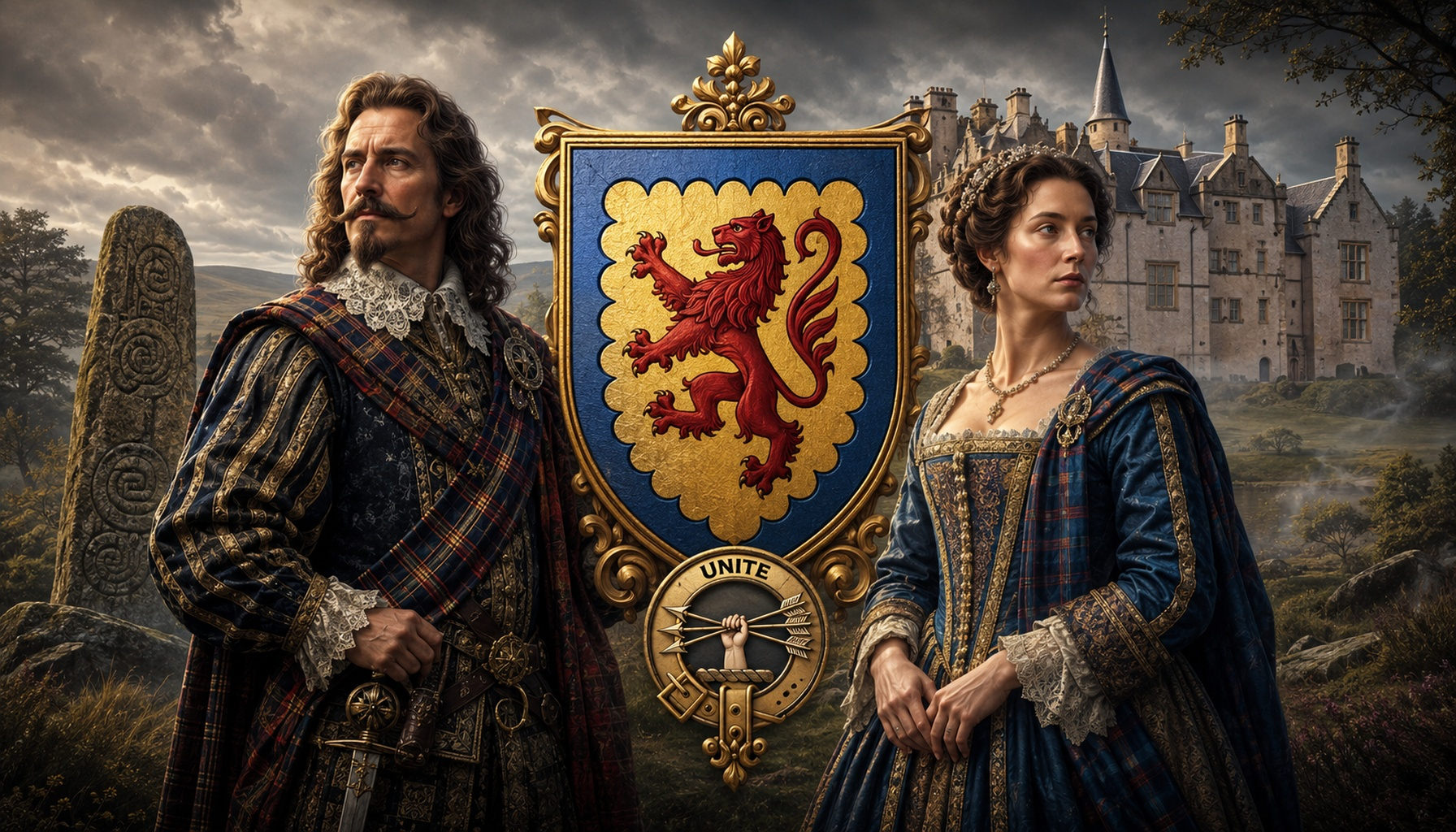
Clan Brodie was, above all, a family of place: a Scottish clan rooted in Moray, in the north of Scotland, with its name tied directly to the lands of Brodie. That is one of the great clues to how many Scottish clans worked in practice. They were not simply surnames floating free in the world, but territorial identities, fastened to estates, local power, hereditary memory, and the authority of a chief. In genetic tagging terms, Clan Brodie is here linked with the haplogroup R1b1a1b1a1a2c1a1f1a, treated as the primary family haplogroup association for this heritage profile.
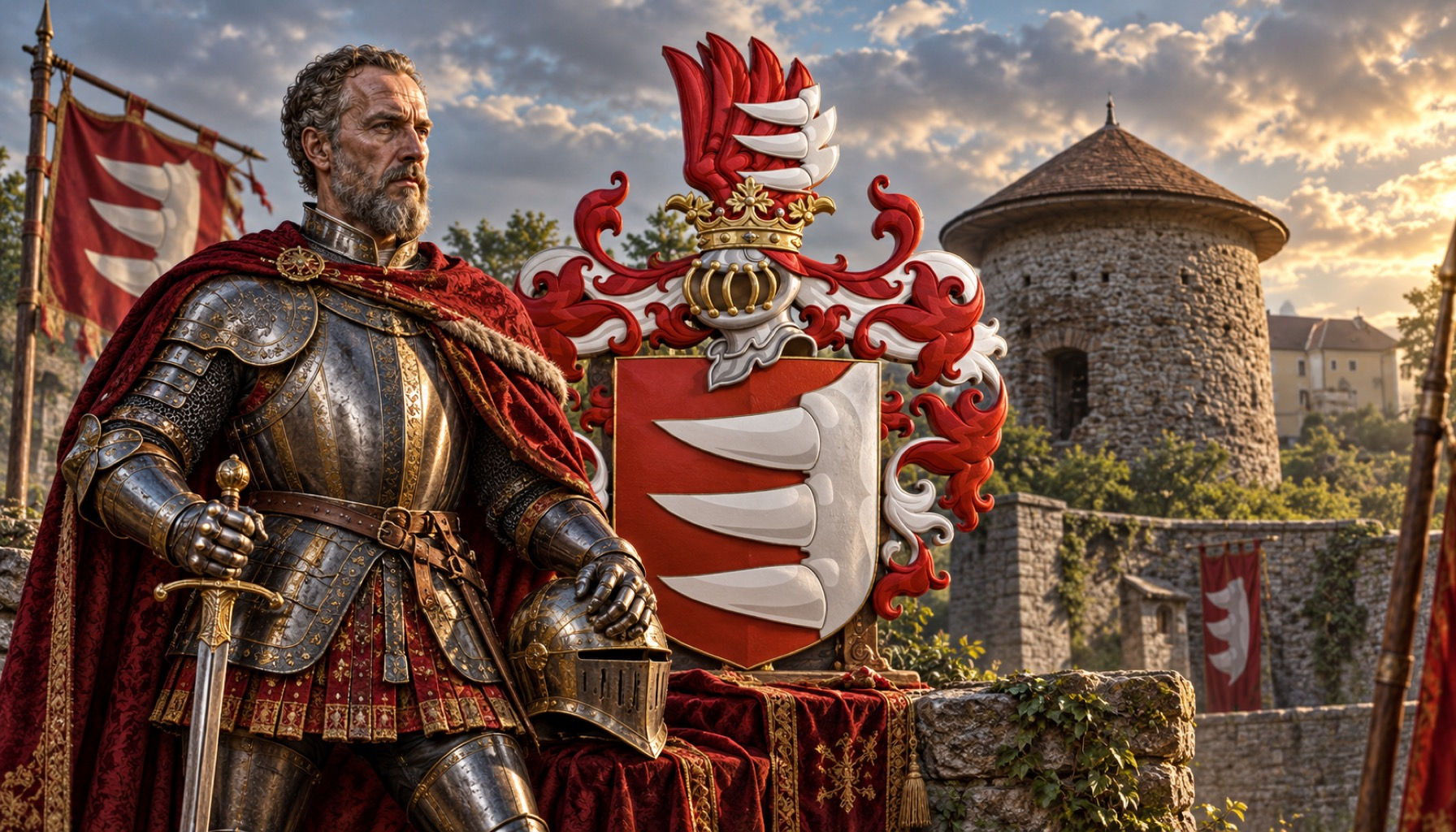
The Brodies emerge in the medieval record as part of the landed society of Moray, a region with a deep and complicated past: Pictish roots, Gaelic influence, Norse pressure around the wider north, and then integration into the feudal kingdom of Scotland. Families like the Brodies built endurance not by drama alone, but by continuity: holding land, making alliances, serving in local and national affairs, and preserving chiefship across generations. A named early figure is Malcolm Brodie, active in the period 1249-1285, who stands as one of those important medieval anchors reminding us that this was already a family of standing in the 13th century.
If you want the physical heart of Clan Brodie, you go to Brodie Castle near Forres in Moray. The present building is largely a tower-house core later expanded into a grander mansion, with major development especially from the 16th century onward, and it remained for centuries the seat of the chiefs of Clan Brodie. This is exactly why it matters so much in family history: it is not just an attractive old house, but a visible record of estate continuity, status, rebuilding, survival, and changing taste. The castle is well known for its historic interiors, art collections, surrounding parkland, and notable gardens, especially the daffodils for which it became famous in modern times. In other words, Brodie Castle does what the best clan sites do: it joins architecture, landscape, memory, and identity in one place. Happily, it can still be visited today, which gives descendants and history-lovers the rare chance to stand in the landscape that shaped the name itself.
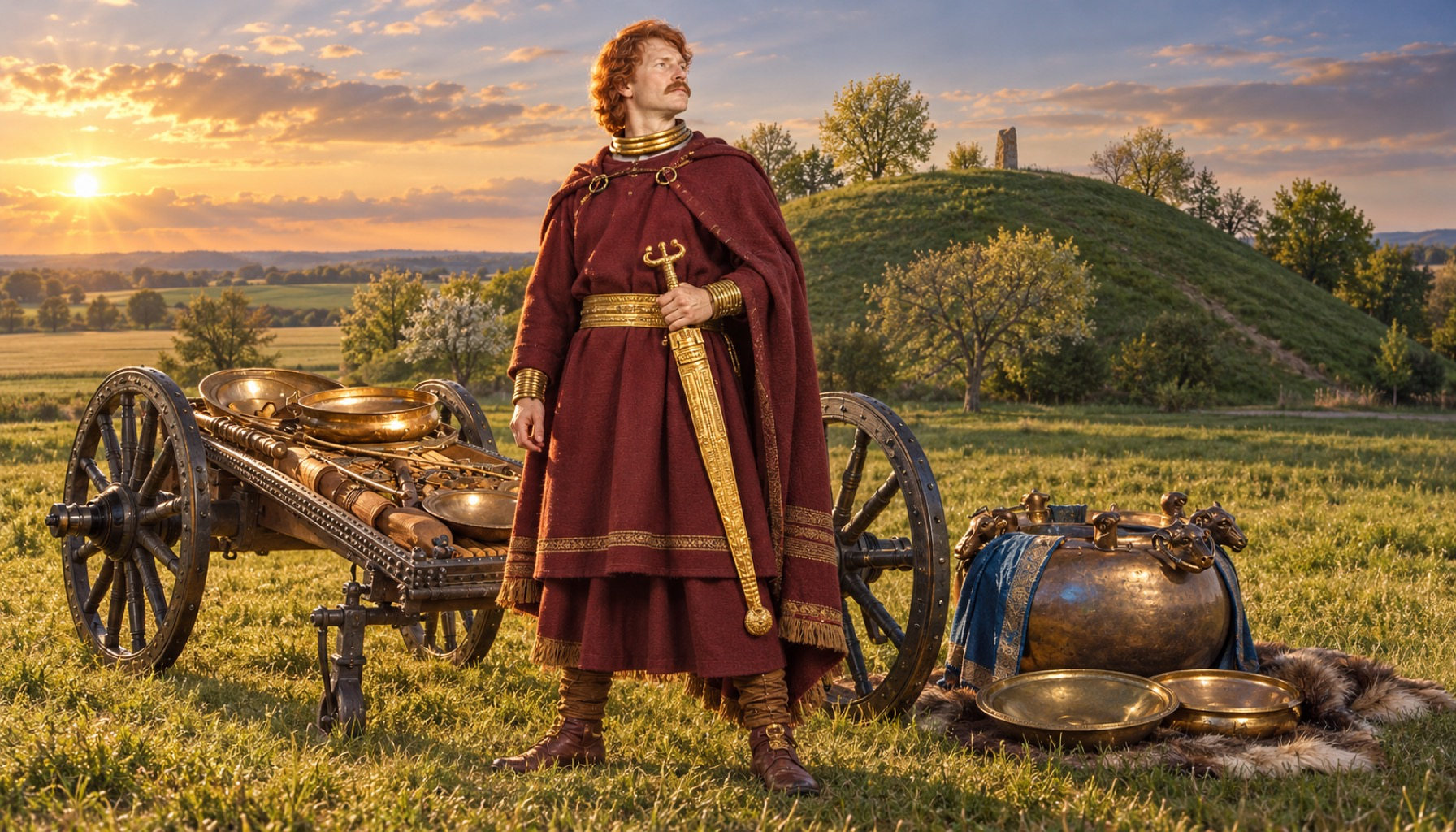
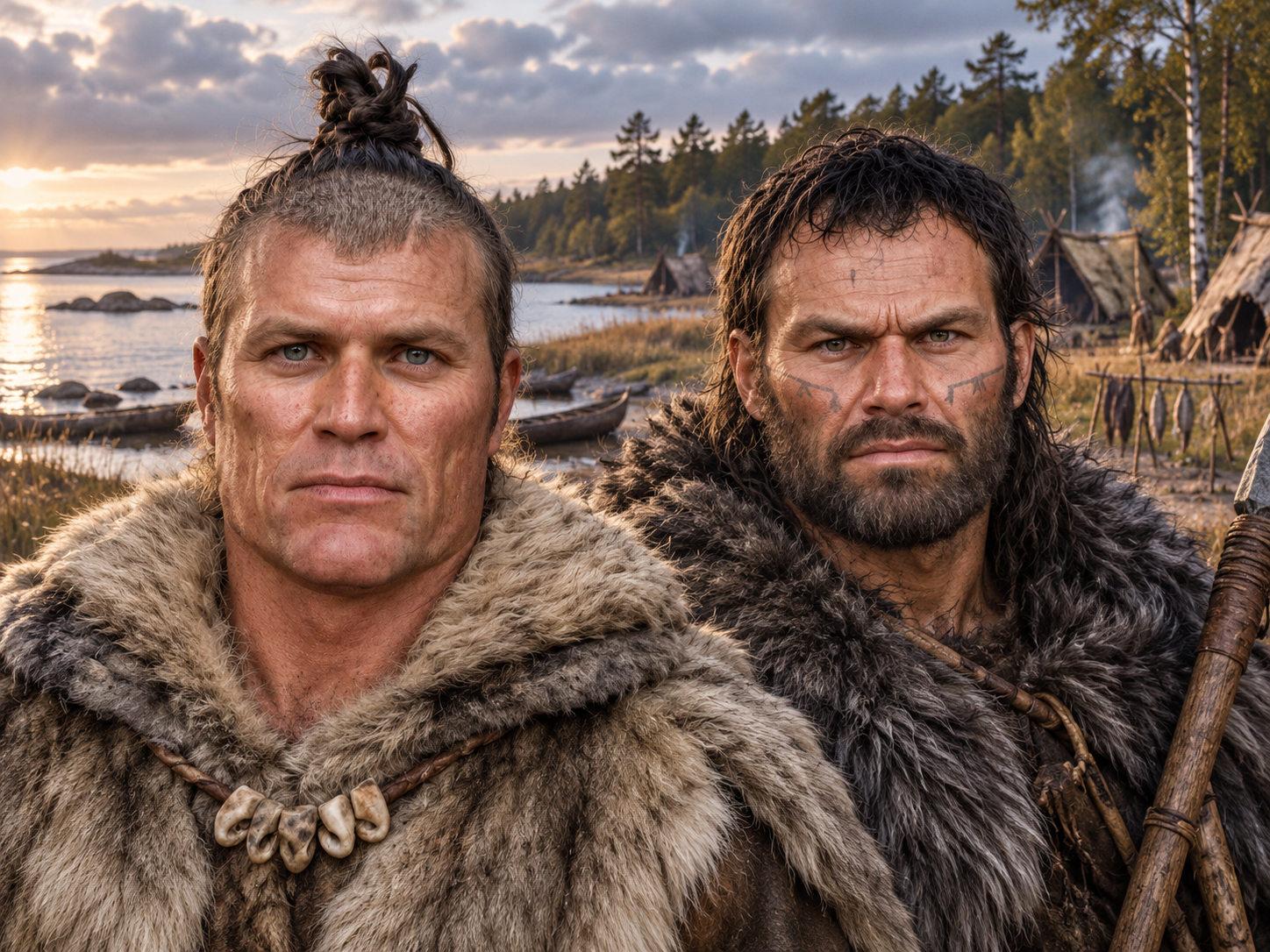
From the ancient-DNA side, the haplogroup link R1b1a1b1a1a2c1a1f1a connects Clan Brodie not to one provable single ancestor in the records, but to a much wider web of ancient men across Britain and Europe. Related or linked samples include several Celtic Durotriges individuals from Duropolis at Winterborne Kingston in England, such as WBK12, WBK20, WBK29, WBK41, WBK05, WBK30, WBK43, WBK06, WBK08, WBK18, and WBK191, as well as Celtic Briton Oxfordshire Yarnton England (I21182), Iron Age Worlebury Somerset England (I11991), Iron Age Hillfort Battlesbury Bowl England (I21309), Bronze Age Boatbridge Quarry South Lanarkshire Scotland (I5473), Bronze Age Orkney Westray Links of Noltland (KD061), Bell Beaker Wiltshire Upavon England (I4950), Bronze Age Amesbury Down Wiltshire England (I2417), Bronze Age Trumpington Meadows Cambridge England (I3256), Early Bronze Age England Thames (I5377), and Ireland Copper Age (Rathlin2B). Further linked examples stretch across Roman, early medieval, Viking, and medieval contexts, including Imperial Roman Era Zadar Croatia (I26776), Late Roman Conimbriga Portugal (R10488), Merovingian Grave Alt-Inden Germany (IND013), Early Medieval Belgium Sint-Truiden Groenmarkt (ST2025), Medieval Belgium Sint-Truiden Onze-Lieve-Vrouwekerk outsider (ST1308), Viking Age Warrior Oppland Norway (VK386), and Medieval Age Faroe Islands Sandoy Church (VK242). The point is not direct descent from any one of them, which we cannot claim, but that the Brodie haplogroup association sits inside a long Atlantic and northwestern European paternal story with deep roots in Bronze Age, Iron Age, and later historic populations.
If you carry the Brodie name, have Moray roots, or simply suspect a northern Scottish connection, DNA can add an intriguing extra layer to the paper trail. Upload your DNA to MyTrueAncestry to see whether you match Clan Brodie, or whether you connect with related ancient DNA samples linked to the same broader haplogroup story across Britain and Europe.

Comments