Clan Grant
– 3 min read


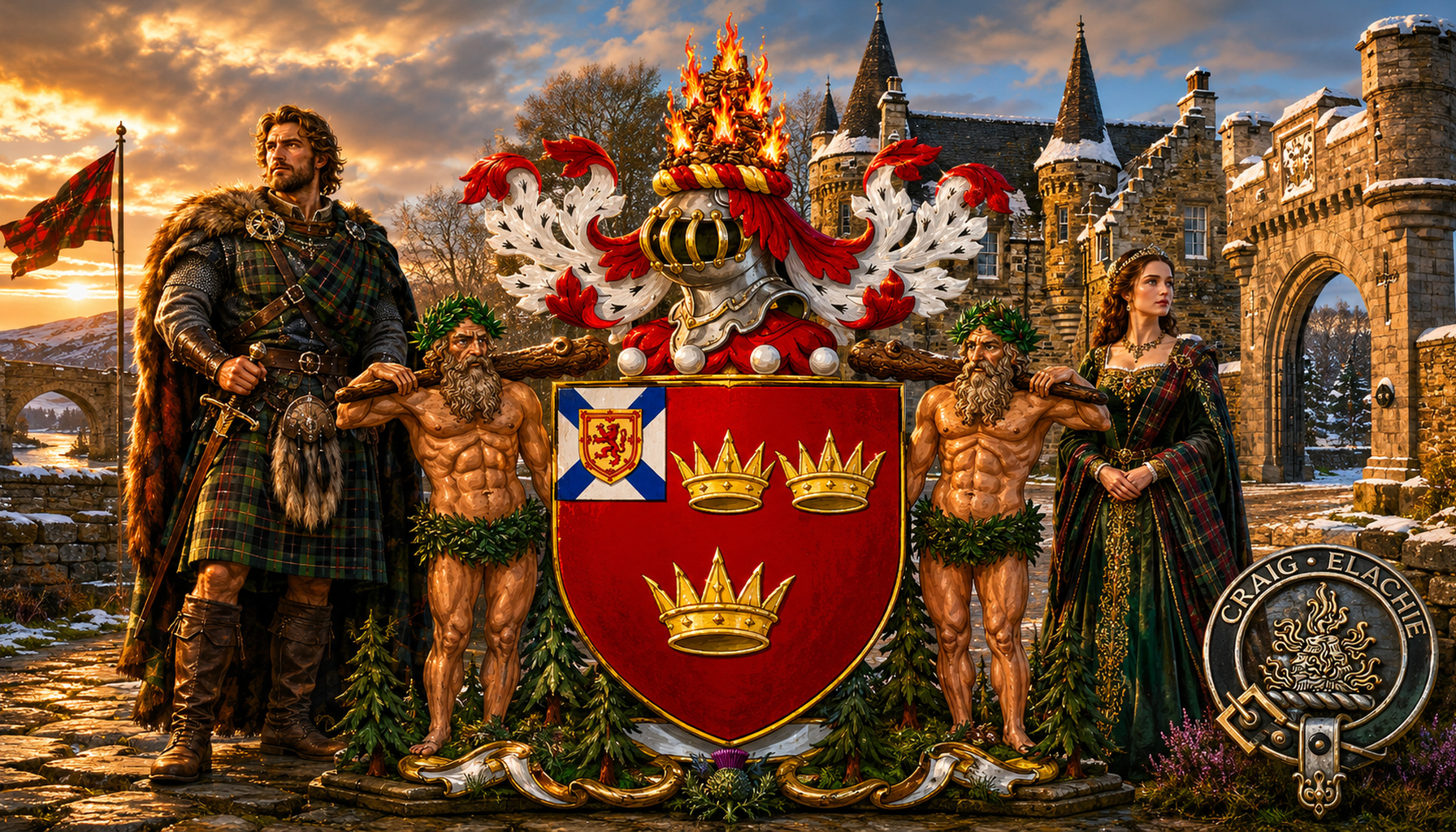
Clan Grant was one of the great Highland families of northern Scotland, rooted above all in Strathspey and the Speyside country, where river, forest, hill, and estate shaped the clan's long identity. Whatever the precise beginnings, and historians have long argued over Norman, Norse, and Gaelic possibilities, by the later Middle Ages the Grants were unmistakably a Highland kindred of substance: chiefs, landholders, royal servants, and local power-brokers in the north-east Highlands. In DNA terms, the primary family haplogroup linked with Grant research is R1b1a1b1a1a2e1, a branch of the broader R1b line that is widespread across western Europe and often turns up in ancient and medieval contexts connected to Celtic, Atlantic, and later mixed European populations.
The rise of the Grants was not some romantic misty tale made only of tartan and claymores. It was built, rather practically, through service to the Scottish crown, advantageous marriages, territorial consolidation, and a shrewd ability to survive in a region where loyalties could be dangerous things. Duncan Grant of Freuchie, who lived from 1413 to 1485, stands out as one of the early architects of the family's power, helping establish the line that would dominate Strathspey. In later centuries the family produced the Earls of Seafield, created in 1701 and still extant, and the Barons Strathspey, created in 1858 and likewise continuing into the present. Through the Covenanting age, the Jacobite era, and the long reshaping of Highland society, the Grants often walked a careful line between clan tradition and allegiance to government authority, which is one reason they endured when other houses faltered.
At the heart of the family's landscape stands Castle Grant, near Grantown-on-Spey in Moray, one of the clearest physical anchors of Grant history. Originally developed from an earlier tower-house and substantially expanded in the 16th and 17th centuries, it became the principal seat of the chiefs of Clan Grant and a visible statement of their authority in Strathspey. This was not merely a residence but the administrative and social center of a Highland lordship, where estate management, kinship politics, hospitality, and status all came together. Over time the building was altered and enlarged, reflecting the family's transition from medieval clan chiefs to major aristocratic landowners. Its setting is important too: Castle Grant sits in the Speyside world that made the family, close to the routes, lands, and river systems that underpinned their power. The castle has survived into modern times and, while access can vary depending on ownership and events, it is indeed a place that can still be visited in at least some form, making it one of the most tangible surviving links to the long Grant story.
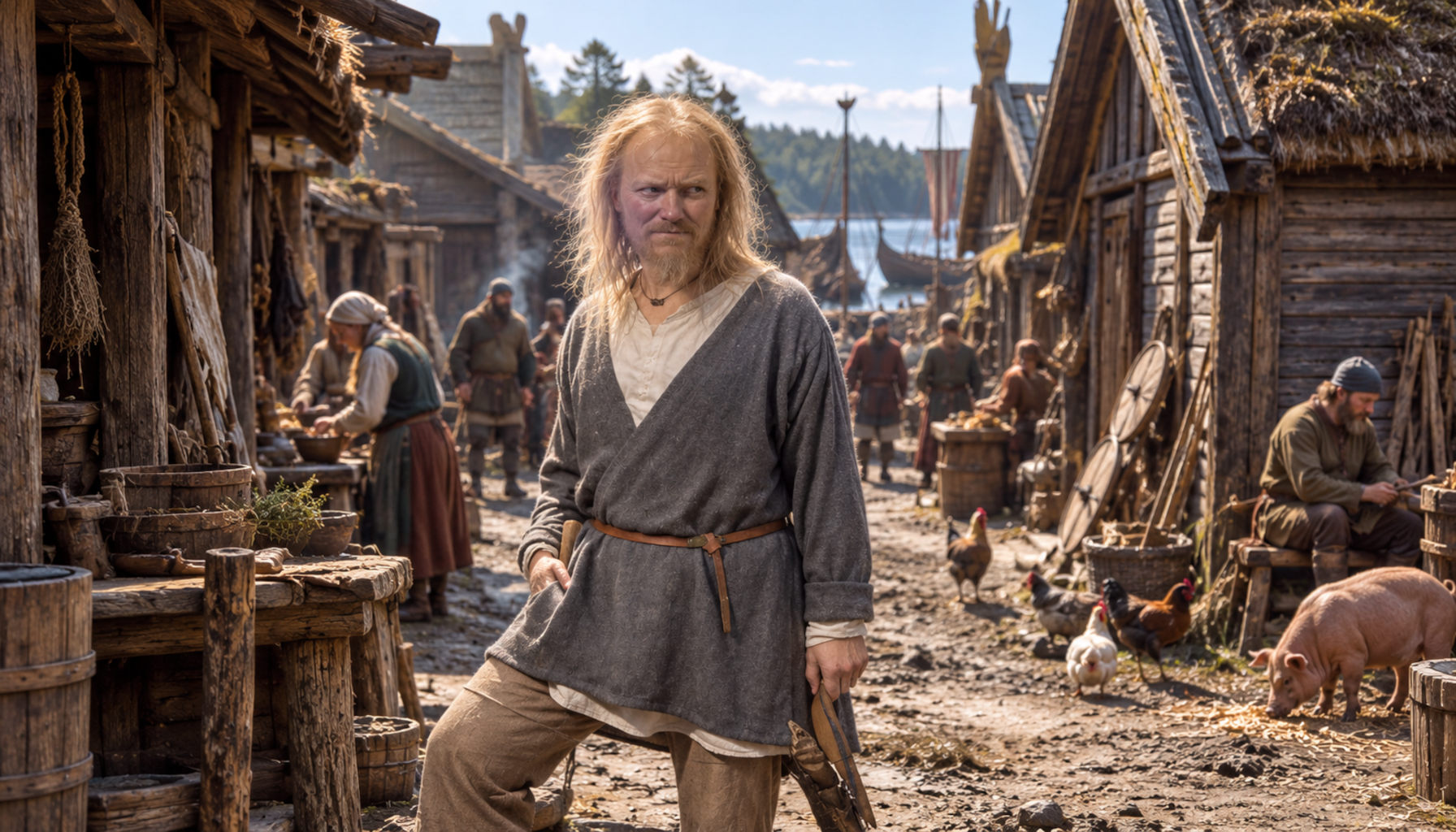
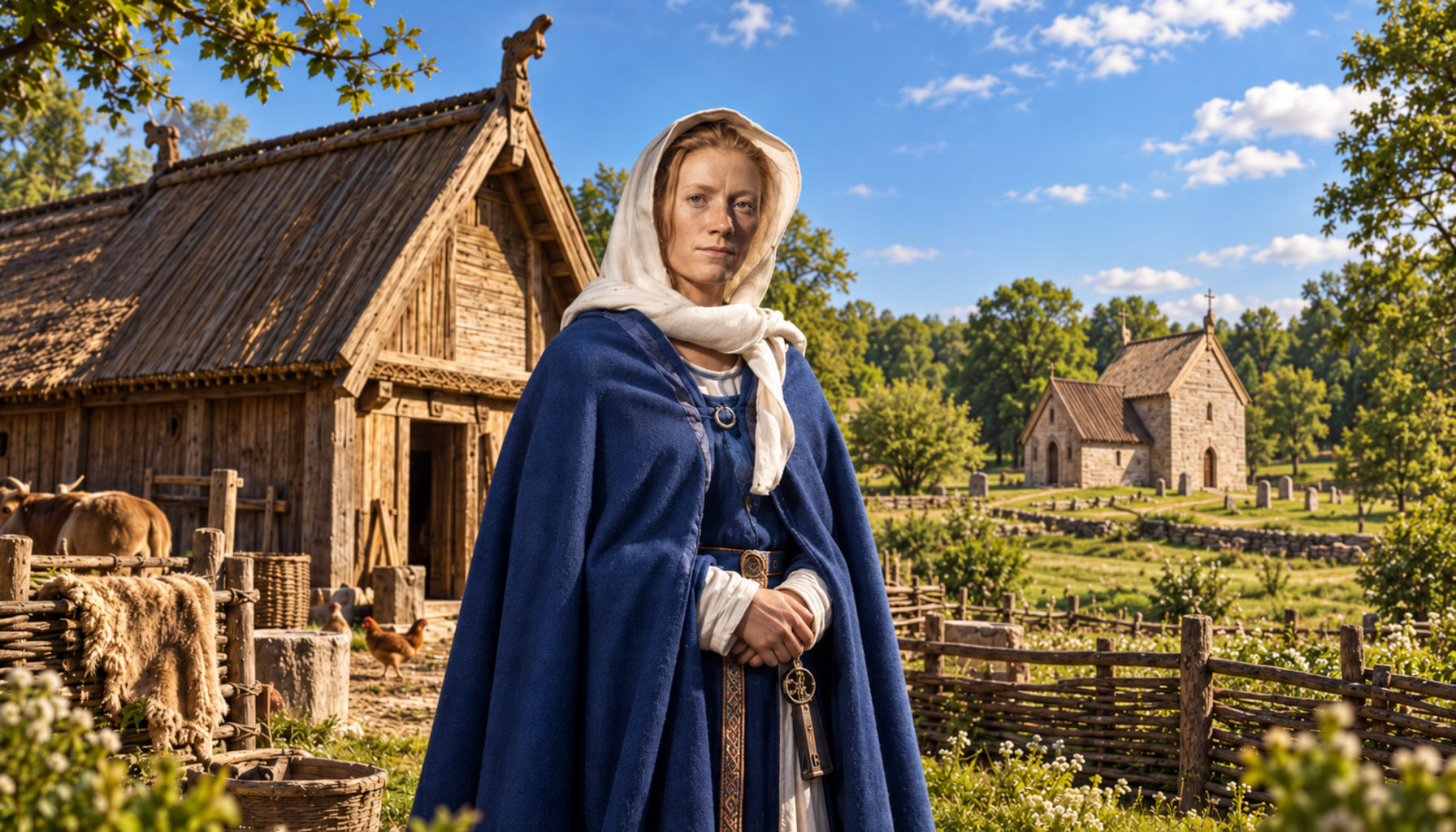
From a genetic history angle, the Grant-associated haplogroup R1b1a1b1a1a2e1 belongs to a deep and widely traveled paternal line with related or linked ancient DNA appearances across Britain and much of Europe. These do not prove direct descent from Clan Grant, of course, but they help place the lineage in a broader historical frame. Related samples include Pict-era individuals from Rosemarkie Cave on the Black Isle in Scotland such as KD001 and KD001_2 through KD001_6b, a particularly evocative northern British link; Iron Age and Celtic-era individuals from Britain including Durotriges samples WBK106 and WBK36 from Winterborne Kingston, Broxmouth in East Lothian, and sites in Kent, Yorkshire, Somerset, Cornwall, and Cambridgeshire; medieval individuals from England, Ireland, Denmark, Belgium, Germany, Portugal, and Spain; and still earlier Bronze Age and Bell Beaker examples from France, the Low Countries, Iberia, Bohemia, and Germany. Among the many related samples are Las Gobas in northern Spain, Fenstanton in Roman Cambridgeshire, elite Celtic burials at Asperg-Grafenbuehl and Ludwigsburg in Germany, Leubingen in Bronze Age Thuringia, and Rosemarkie in Pictish Scotland. In other words, this is a lineage with a long European background, one that fits well with the complicated peopling of Scotland rather than any single neat origin legend.
If you think your family may connect to Clan Grant, Strathspey, or the wider Highland world, upload your DNA to MyTrueAncestry and explore how your results compare with ancient samples linked to R1b1a1b1a1a2e1. It is a vivid way to place family history in the much bigger story of the human past.
Comments