Clan Bethune
– 3 min read


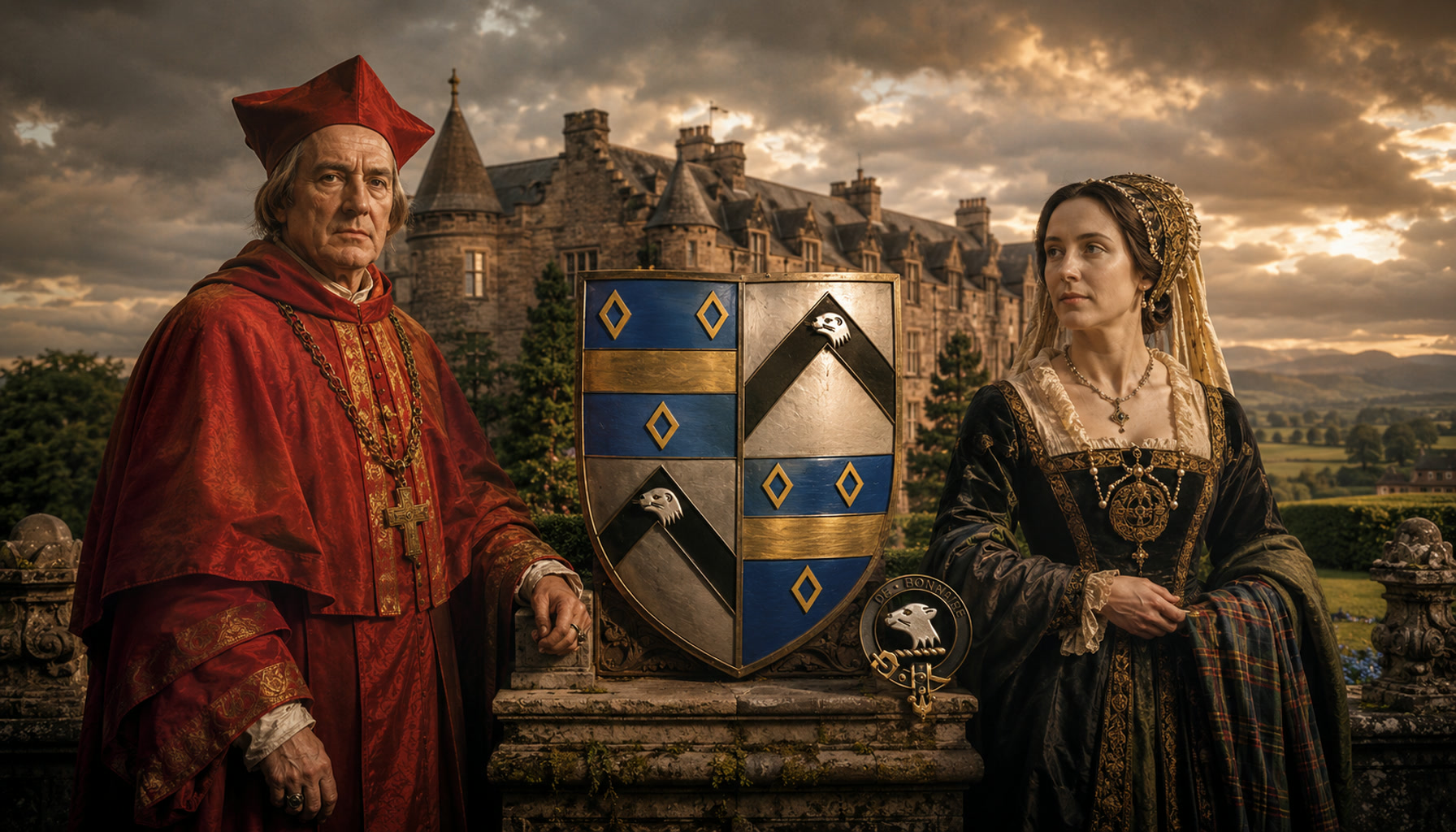
Clan Bethune was one of those families who arrived in Scotland carrying the wider medieval world with them. Of Norman origin, with roots bound up in the lands and aristocratic culture of France and Flanders, the Bethunes became thoroughly part of Scotland through feudal service, marriage, church office, and landed power. Their primary linked Y-DNA haplogroup is I1a2a1a1a2, a line that today sits interestingly beside a story of movement across northern and western Europe before the family emerged in Scotland as a recognisably noble house.
The name itself points back to Bethune in Artois, in northern France, a place that mattered in the age when noble identity was tied to land, lordship, and allegiance. Families of this kind did not simply "arrive" and stay unchanged; they adapted. In Scotland, the Bethunes became especially associated with Fife, where continental newcomers could turn feudal grants into durable local authority. Over time they entered noble, ecclesiastical, and public life, and the family came to exemplify a familiar Scottish pattern: foreign in origin, Scottish in destiny. Among the notable figures carried in that history are John Bethune of Balfour, recorded in 1473, Sir David Bethune of Creich (1450-1505), and the formidable Cardinal David Beaton (1494-1546), whose career shows just how far a family of continental extraction could rise within the political and religious life of Scotland.
If you want a place that anchors the Bethune story to the Scottish landscape, Balfour House in Fife is a good one. The site, recorded by Canmore, reflects the long occupation and evolution of a landed estate associated with the family rather than a single frozen medieval moment. What survives today belongs largely to later rebuilding and remodelling, but that is often the way with historic Scottish houses: layers upon layers, where one residence replaces or absorbs another, and the prestige of the site matters as much as the standing fabric. Balfour was a family seat tied to the Bethunes of Balfour, and the setting helps explain how a lineage of continental origin became rooted in local lordship, estate management, and regional influence. As a recorded historic site in Fife, it can still be visited in the broader sense of seeing the place and its landscape context, though access to the building itself may depend on current conditions and permissions.
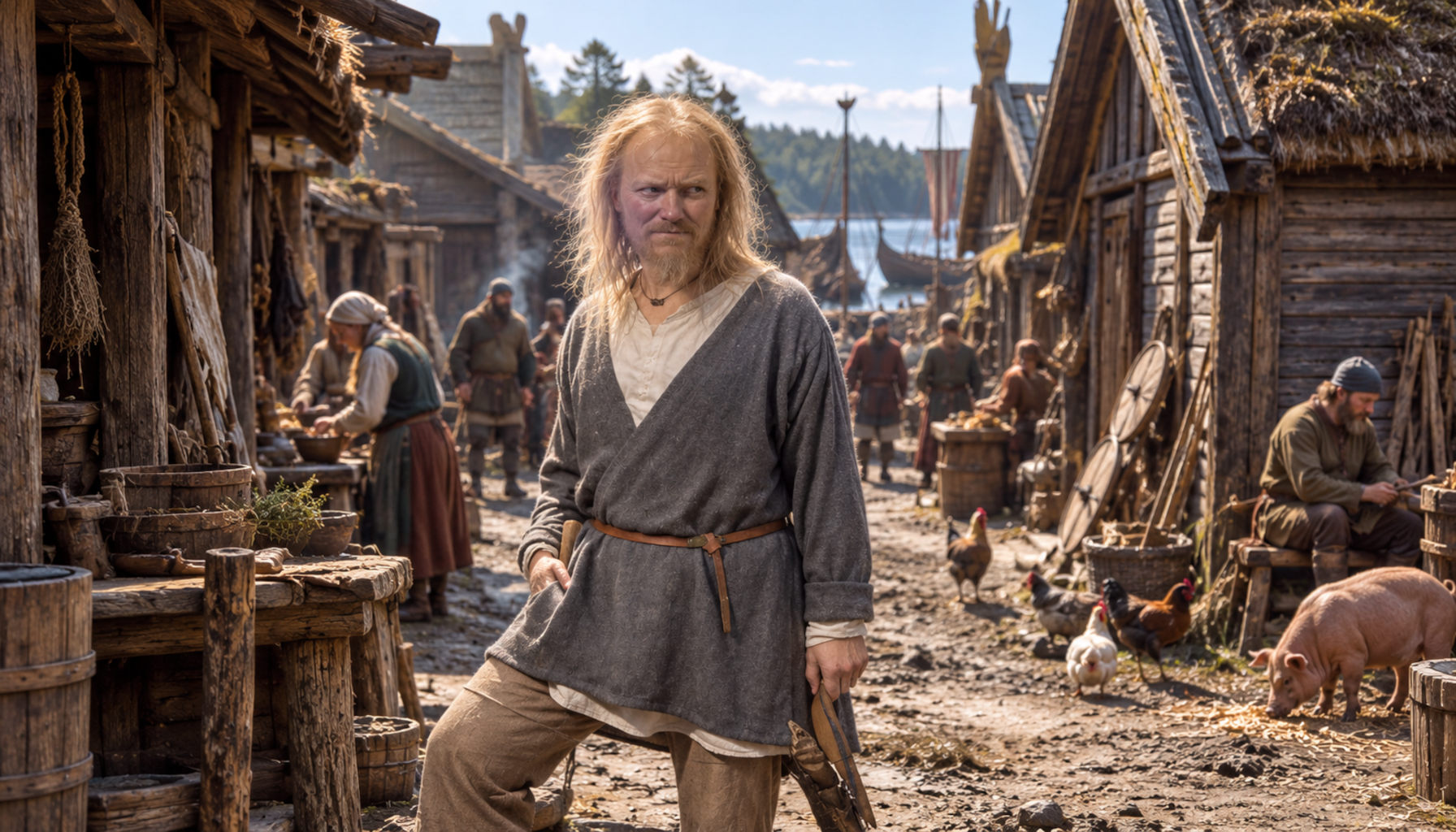
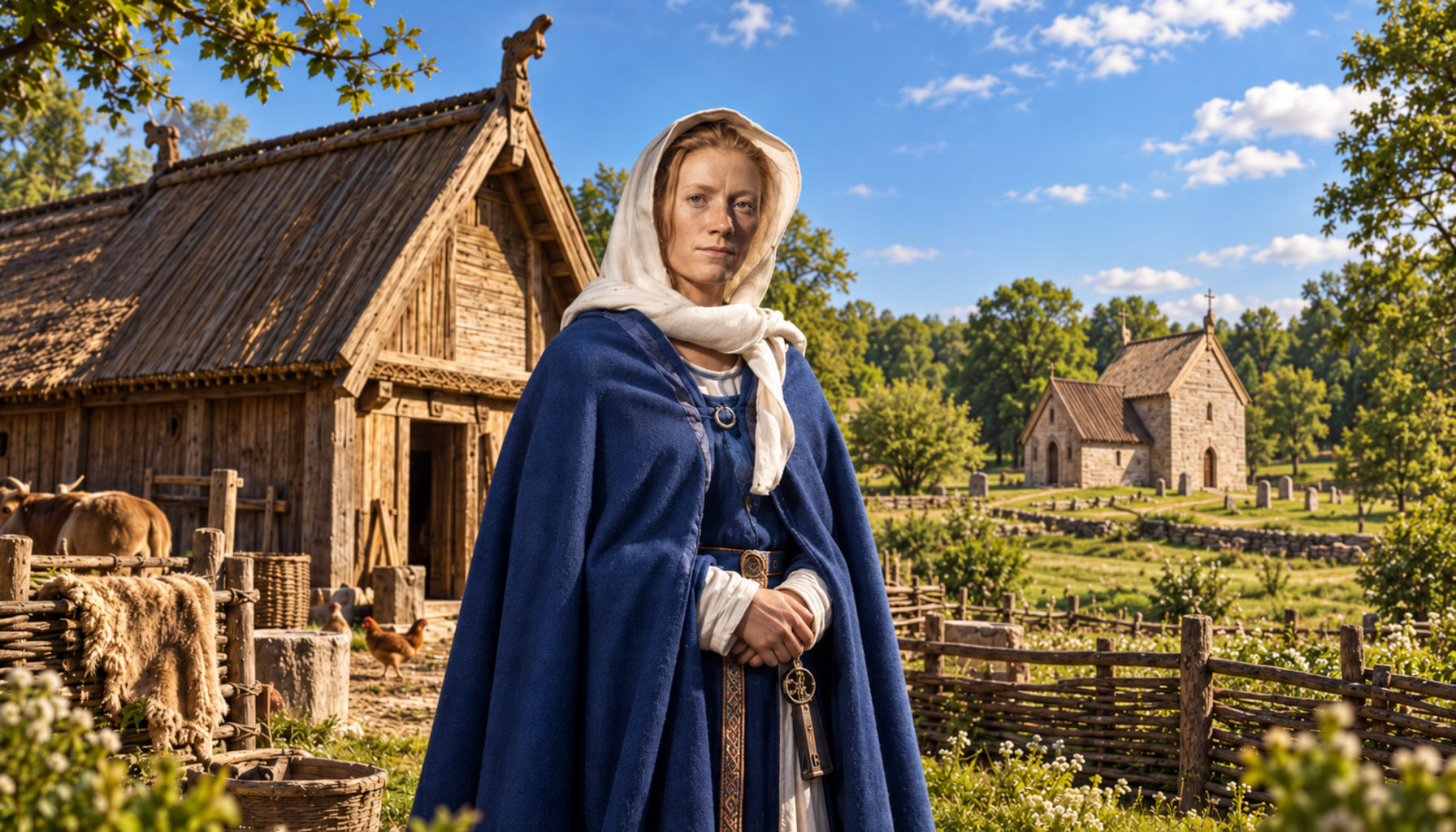
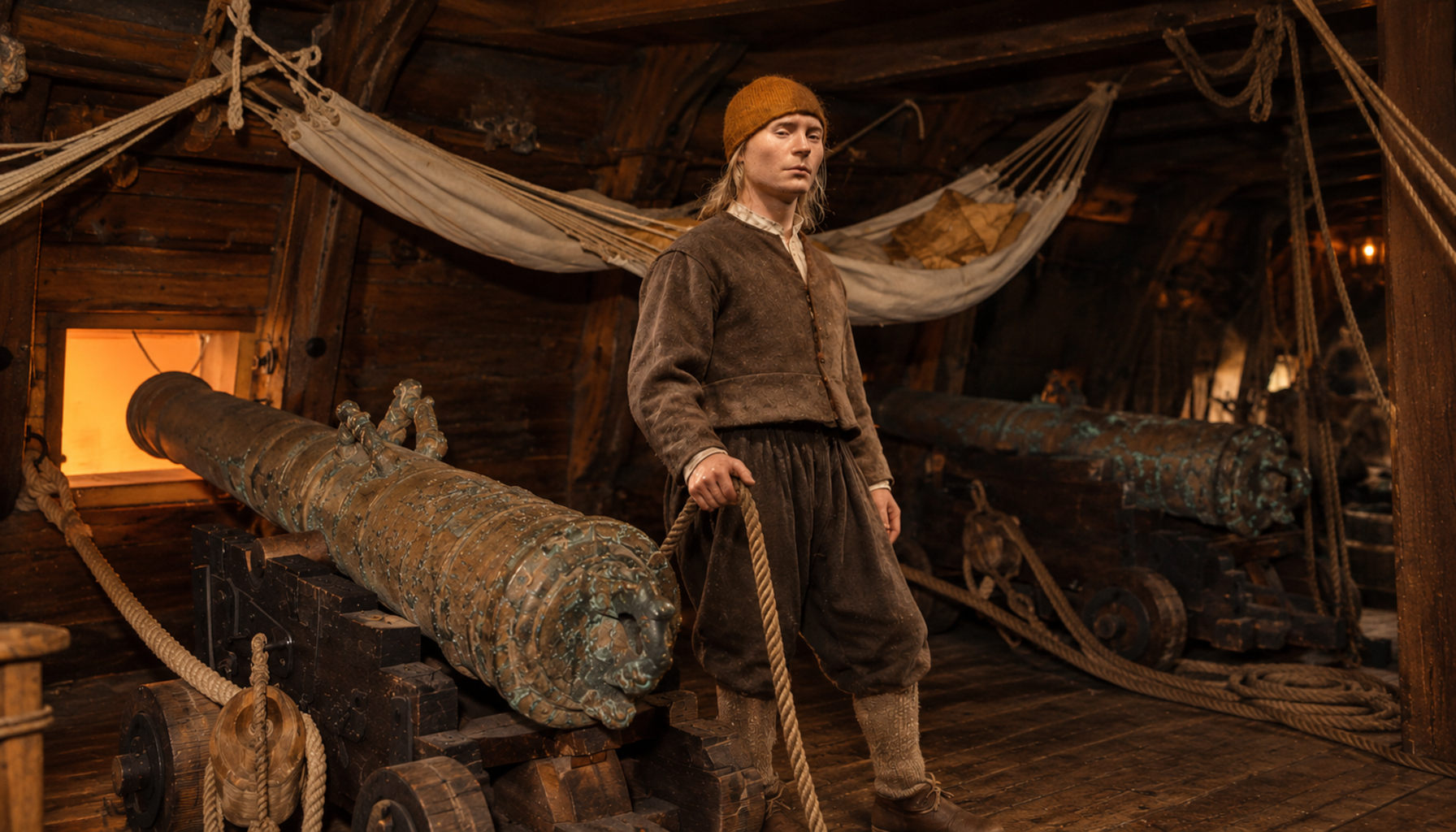
The Bethune family's primary haplogroup link, I1a2a1a1a2, also appears in a wide scatter of ancient and medieval contexts, which is exactly the sort of thing that reminds us how deep and mobile paternal lines can be. Related or linked samples include Imperial Roman Serbia at Svilos Krusevlje (R6693), Gothic Period Serbia at Timacum Kuline Ravna Village (I15549) and Timacum Slog Necropolis (I15545), Longobard Period Pannonia at Savaria Szeleste Barbaricum in Hungary (SZL028), Medieval Belgium at Sint-Truiden Groenmarkt (ST2889), a Thuringii-associated sample from Obermoellern in Germany (OBM005), Nordic and Danii-linked samples from Denmark including Praesto Endegaarde (CGG107416), Kalundborg Simonsborg (CGG106721), Vester Egesborg Vordingborg (CGG107507), and earlier Danish finds such as Strandlunden II Gerlev (CGG106515) and Trundholm Mose (CGG106734). The same broader line also turns up in Viking Age Sweden at Gorla, Stockholm (gor164) and Oland (VK337, VK357), Anglo-Saxon Sedgeford in Norfolk (SED014), Migration Period Scitarjevo in Croatia (R3660), Gothic Kecskemet-Mindszenti in Hungary (A181016), and even Post Medieval Finland at Tavastia Paelkaene (PKN013). None of this proves direct descent from any one individual, of course, but it does place the Bethune-linked haplogroup within a long northern European and migration-era landscape that fits rather well with the family's Norman and wider continental background.
The Bethunes are a fine example of how a family can begin in the feudal world of northern France and Flanders, take root in Fife, and become unmistakably Scottish without losing memory of older European origins. If your own family story includes Bethune, Beaton, Fife roots, Norman connections, or the haplogroup I1a2a1a1a2, you may have more to uncover. Upload your DNA to MyTrueAncestry and see whether you match the family story or any of these related ancient DNA samples.
Comments