Clan Arbuthnott
– 3 min read


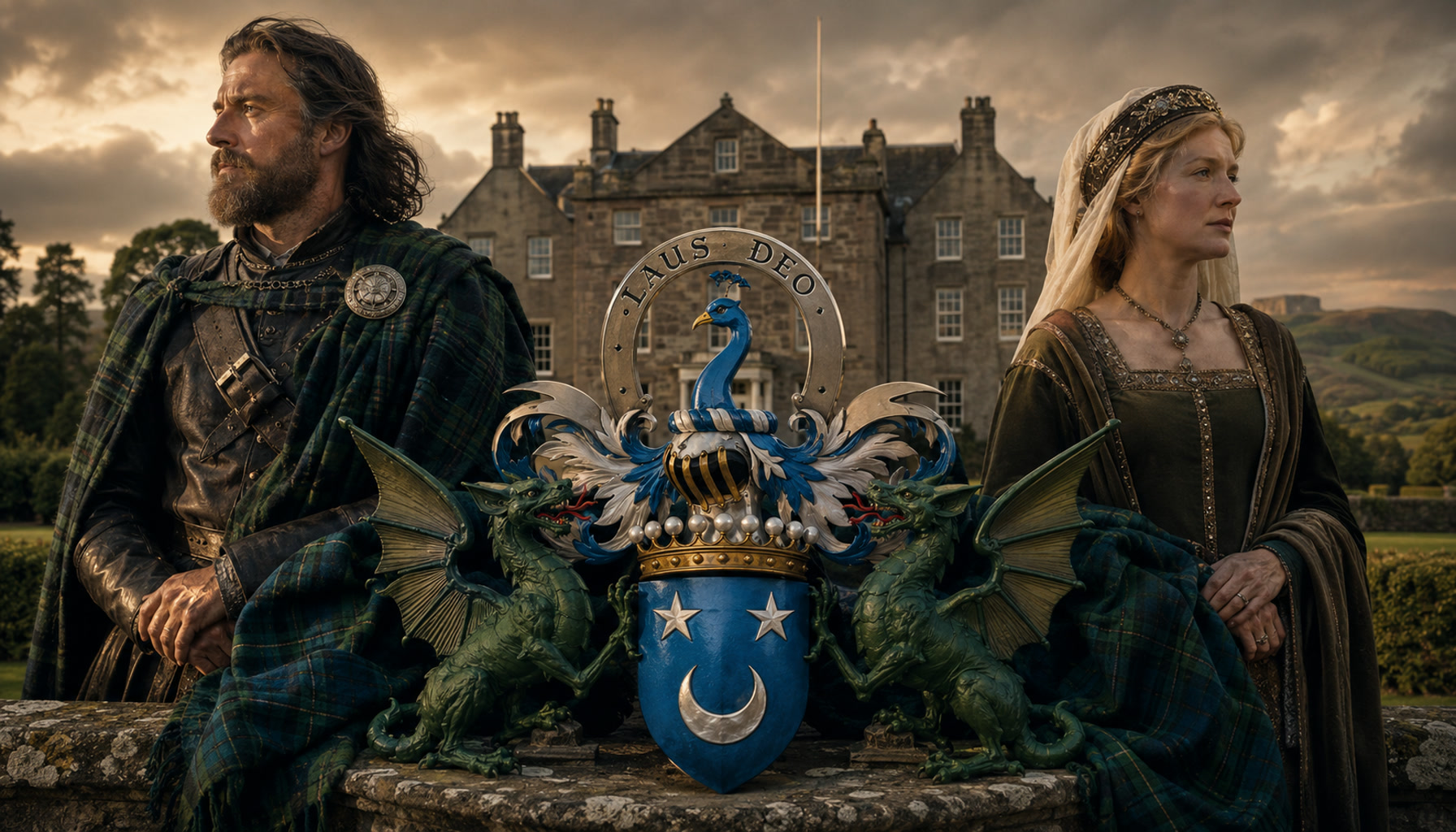
Clan Arbuthnott was one of the classic landed families of north-east Scotland, rooted for centuries in Kincardineshire and named directly from the lands of Arbuthnott themselves. That matters, because the Arbuthnotts are a particularly good example of the old Scottish territorial pattern: the family name, the estate, and local influence all grew up together, each reinforcing the other across generations. In genetic tagging terms, the primary family haplogroup associated here is R1b1a1b1a1a1c1b, a branch within the wider R1b line so often found in the story of western and northern Europe.
The family emerged from place before it emerged as a grand public label. In medieval Scotland, that was often how power worked in practice: not abstractly, but through control of land, church patronage, neighbourhood authority, and the slow accumulation of local trust and prestige. The Arbuthnotts held on to their ancestral base with striking continuity, and that continuity helps explain why their heraldry, lordship, and identity remained so durable. Their motto, Laus Deo, or praise be to God, belongs firmly to the moral and devotional language of Scottish armorial tradition. Over time the family also supplied figures who moved beyond the estate into wider British life, including John Arbuthnot (1667-1735), the physician, wit, and man of letters, and Charles Arbuthnot (1767-1850), the politician and diplomat.
The great location anchor of the family is Arbuthnott House, near the old kirk and the historic lands from which the family took its name. The present house is largely an 18th-century laird's mansion, developed around an earlier estate core, and it sits in that very Scottish way as both residence and statement: not merely a home, but the visible centre of a long territorial lineage. Sources on the house note its connection to the Viscounts of Arbuthnott and to the wider estate landscape, with gardens and surroundings that preserve the sense of a family seat shaped over generations rather than conjured up in one architectural gesture. Just as important is its setting beside the older ecclesiastical and local historic fabric, which reminds us that Scottish landed identity was never only about the house itself, but about church, tenants, fields, roads, memory, and jurisdiction. Arbuthnott House has also been known as a heritage destination and, with estate visits and grounds access associated with it in recent times, it is reasonable to say that it can still be visited in some form, subject of course to current opening arrangements.
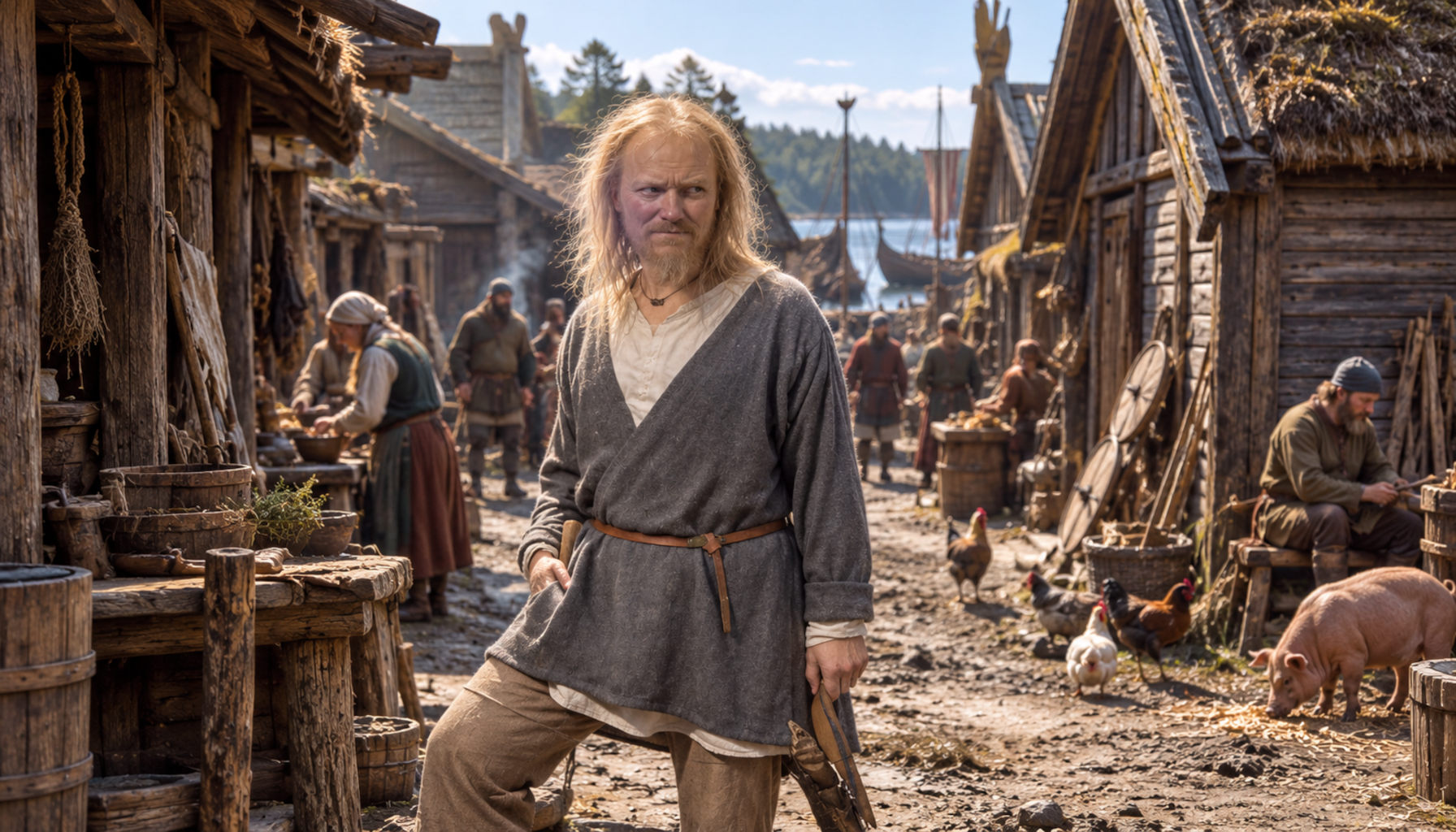
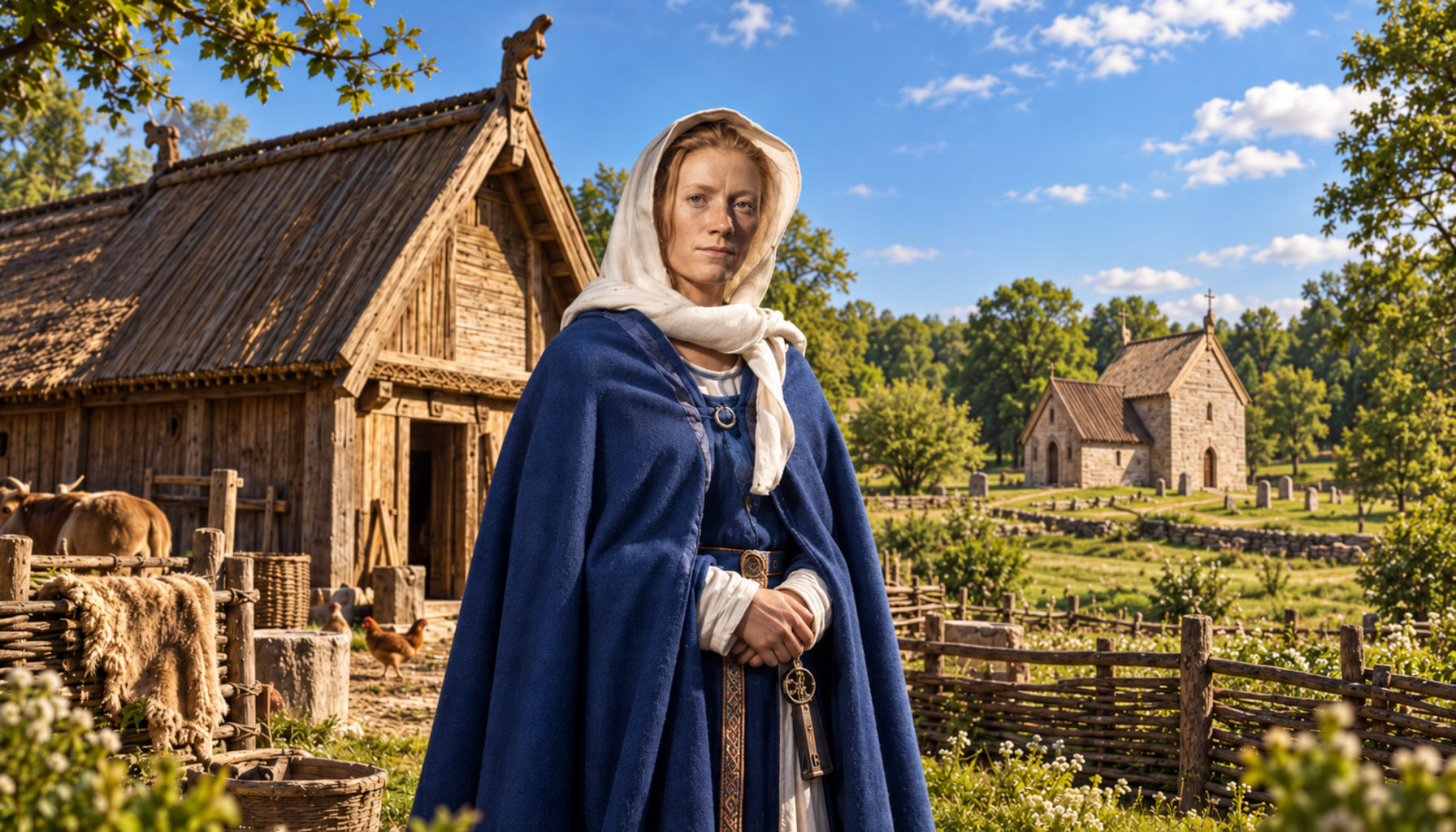
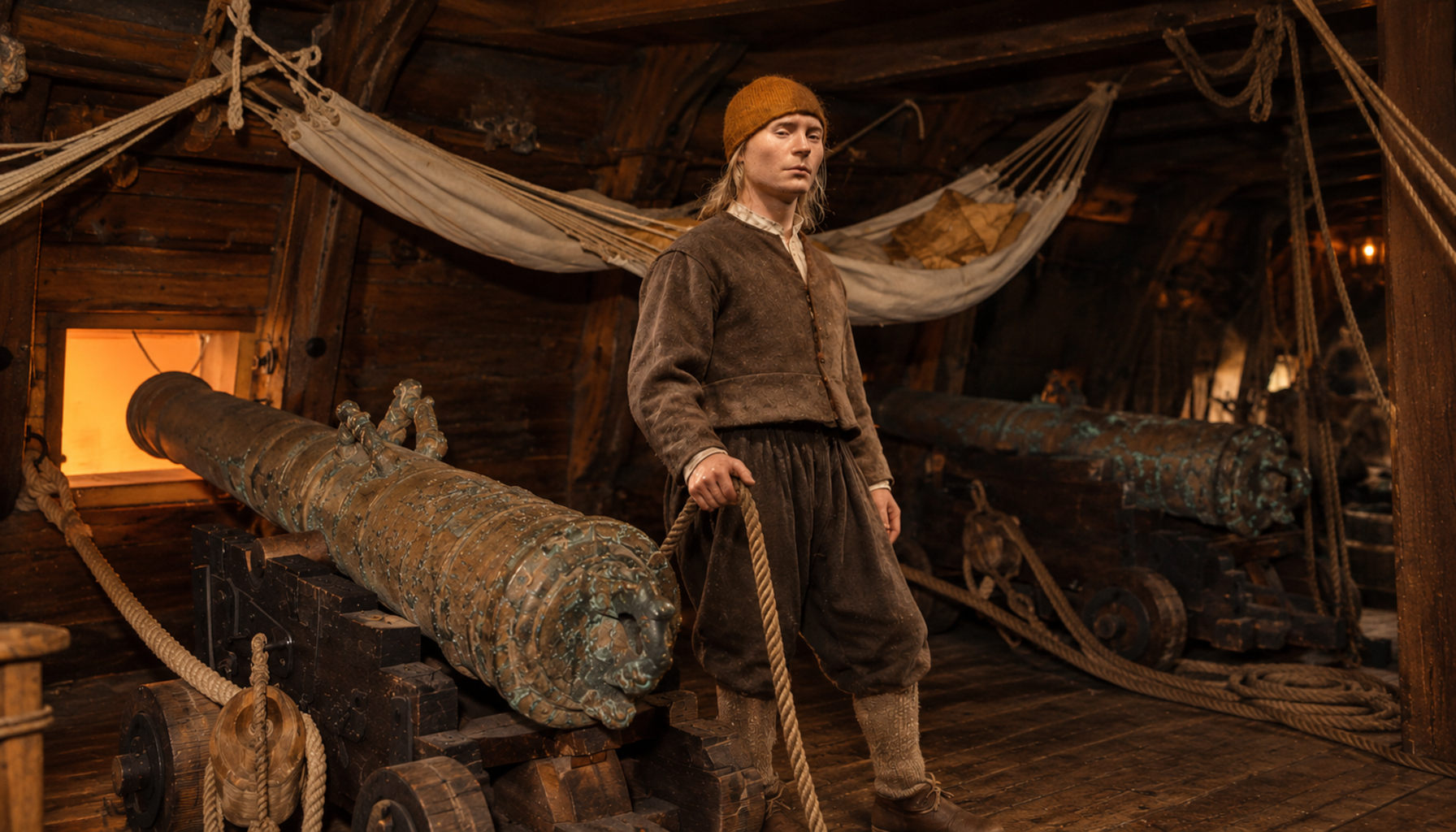
From an ancient-DNA perspective, the Arbuthnott haplogroup tag R1b1a1b1a1a1c1b links the family not to one proven single ancestor in the records, but to a much broader web of related paternal lines found across time and space in Europe. Among related or linked samples are Gallo-Celtic Switzerland Pont de Cornaux-Les-Sauges (3430), Bronze Age Unetice Thuringia Leubingen Sommerda Germany (LEU007), Late Neolithic Vlaardingen/CordedWare Netherlands Mienakker (I12902), Battleaxe Sweden L Beddinge 56 (RISE98), Celtic Iron Age Austria Hallstatt (CGG101214), Belgic Suessiones Iron Age France Bucy-le-Long (CGG022456, CGG022463, CGG022431, CGG022425, CGG022438), Saxon England North Yorkshire West Heslerton Vale of Pickering (I11583), Early Anglo Saxon Cemetery West Heslerton Yorkshire (I20644, I20671, I20677, I20652, I11584), Early Anglo Saxon Period Buckland Dover England (BUK064, BUK070, BUK060, BUK012, BUK007), Viking Age Sigtuna Sweden (urm160, urm160x), Danii Tribe Denmark Sjaelland Kalundborg Simonsborg (CGG106724), Roman-period Germanic Warrior Mursa Croatia Third Century Crisis (OSIJ003), Imperial Roman Viminacium Serbia Pecine Necropolis (I15527), Medieval Belgium Sint-Truiden Onze-Lieve-Vrouwekerk (ST0024, ST1232, ST0323, ST0786), Carolingian Belgium Sint-Truiden Groenmarkt (ST2969), Norman Invasion Medieval Lincolnshire Lincoln Castle (S3044), Lombard Warrior Elite Collegno Northern Italy (COL_069, COL_069x), Lombard Era Collegno Northern Italy (COL_069b), and Ferenc Bathory Hungarian Knight Pericei (PER03-1). The point is not direct descent from any one of these individuals, which the evidence does not support, but that the same deeper paternal branch appears again and again in Celtic, Germanic, Roman frontier, medieval, and early modern contexts across Europe. It is a reminder that a Scottish clan story, however local it feels on the ground, sits inside a much older continental human story.
If you are exploring Arbuthnott heritage, this is exactly where documentary family history and ancient DNA become so intriguing together. A clan like this is about place, continuity, and remembered identity, but DNA can add another layer by showing whether your own results connect with the Arbuthnott profile or with related ancient samples from Iron Age, Roman, Saxon, Viking, and medieval Europe. Upload your DNA to MyTrueAncestry and see whether you match the family or any of these linked ancient individuals.
Comments