Ancient Streptococcus pyogenes Genome from a Pre‑Columbian Bolivian Mummy Reveals Early American Lineage

– 7 min read


Ancient Pathogen Genomics in the Pre-Columbian Andes
The story begins with a single haunting relic from the Bolivian highlands: a naturally mummified human head, once belonging to an 18-25 year old man, now curated in the National Museum of Archaeology (MUNARQ) in La Paz. From one of his teeth, researchers have extracted not only his own genetic story, but also the genome of a dangerous human pathogen - Streptococcus pyogenes - centuries before European contact.
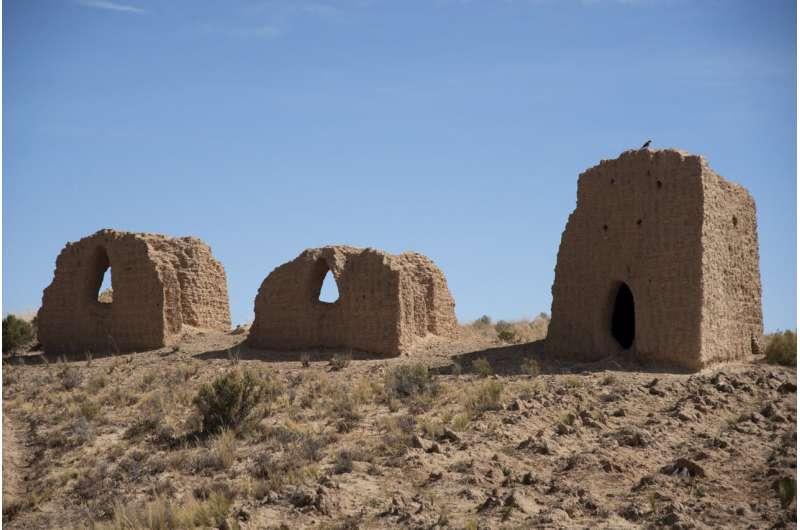
The individual, designated sample 2730, comes from a funerary tradition distinctive to the Bolivian Altiplano: the chullpas, stone funerary towers that punctuate the high plateau. During the Late Intermediate Period (about AD 1100-1450), the dead were often wrapped as funerary bundles and placed within these towers, where the cold, dry air of high altitude acted as a natural preservative.
Examination of this man's remains reveals an Andean life written into his bones and teeth. His skull shows intentional cranial modification - reshaping of the head in infancy - a cultural practice seen across the Andes to signal identity and status. Dental chipping and signs of infection around the first molars speak of everyday wear and chronic tooth problems. A fracture running along the base of the skull, and damaged cervical vertebrae, suggest that his head was deliberately separated from the body after death, perhaps as part of a ritual or later disturbance of the burial.
Radiocarbon dating places him between AD 1283 and 1383, deep in the Late Intermediate Period. This was a time of regional polities, shifting alliances, and growing social complexity in the highlands, before the rise of the Inca Empire. Stable isotope analysis of his tooth collagen shows a diet dominated by maize, with very little meat or marine protein - the signature of a settled agricultural community living largely from their fields.
The tooth served as a sealed chamber, protecting traces of the blood-borne microbes that once circulated in his body. By carefully sawing through the crown and drilling into the pulp chamber - the soft, vascular core of the tooth - the team recovered ancient DNA from both the young man and the microscopic passengers he carried in life.
The man's mitochondrial DNA shows a B2 lineage, typical of ancient Native American populations, firmly rooting him within pre-Columbian Andean ancestry. But the striking discovery lay in the non-human DNA: amidst an unusual community of bacteria, the researchers detected a substantial signal from Streptococcus pyogenes, the same species that causes modern strep throat, scarlet fever, and severe invasive infections.
Until now, this pathogen had never been securely identified in ancient human remains. The reconstruction of a near-complete bacterial genome from a single pre-Columbian tooth represents both a technical feat and a historical revelation, pushing back the confirmed presence of this pathogen in the Americas by several centuries.
The mummy's home terrain - the Bolivian Altiplano - is not just a dramatic backdrop but part of the story. High, dry, and cold, it is an environment that preserves both bodies and DNA with remarkable fidelity. At the same time, the archaeological record shows that by the Late Intermediate Period, this stark plateau supported dense, maize-farming communities linked by exchange, conflict, and ritual.
These are exactly the conditions in which respiratory infections flourish: people living close together, indoors for much of the cold season, with nutrition heavily dependent on a single staple crop. The isotopic evidence for a maize-rich, low-protein diet hints at limited dietary diversity and possible nutritional stress - factors that can weaken immune defenses and make populations more vulnerable to fast-spreading infections.
The young man's community would have faced the perfect storm for pathogen transmission: crowded domestic spaces during the harsh highland winters, shared water sources, seasonal gatherings for ritual and trade, and the physiological stress of life at extreme altitude. In such settings, a throat-specialist S. pyogenes strain could have caused recurring seasonal waves of disease.
By rebuilding the genome of the Streptococcus pyogenes strain preserved in the tooth, the researchers can ask a surprising question: what sort of disease might this bacterium have caused 700 years ago in the Andes? The genetic "typing" of the strain - based on parts of a key surface protein known as the M protein and the surrounding gene neighborhood - shows that it belongs to a group of lineages most strongly associated with throat infections rather than skin disease.
In contemporary clinical data, these throat-specialist lineages make up a large share of pharyngitis cases but only a small fraction of skin infections. Moreover, the structure of genetic regions involved in forming hair-like pili that help the bacterium attach to tissues matches patterns today linked particularly with infections of the throat.
One can imagine, then, this young man in the chill dry air of the Altiplano, perhaps in the cool season: sore throat, fever, feeling unwell - the familiar symptoms of "strep throat" that many children know today. Whether this infection contributed directly to his death remains unknown, but the genome leaves no doubt that this pathogen was circulating among Indigenous Andean communities long before European contact.
The ancient S. pyogenes strain carries a formidable roster of virulence genes, many shared with today's most aggressive forms. These include genes for protective capsules that hide the bacterium from immune responses, surface proteins that help it adhere to throat tissues, toxins that damage host cells, and sophisticated systems for sensing and responding to the human body's defenses.
However, one particular absence is striking: the prophages - viral elements that integrate into bacterial genomes - do not carry the classic scarlet-fever toxins such as SpeA, SpeC, or SSA. These toxins, in modern strains, are typically borne on such viral elements and are closely associated with scarlet fever and streptococcal toxic shock syndrome.
The young man from the chullpa therefore carried a strain already well equipped to cause serious throat infections and even invasive disease, but apparently not yet endowed with the particular viral cargo that makes some modern outbreaks of scarlet fever so dramatic. This suggests that while the ancient strain could certainly cause significant illness, it may have been less likely to trigger the explosive, toxin-driven syndromes seen in later historical epidemics.
The genome also reveals two complete prophage sequences - dormant viruses lodged within the bacterial chromosome. These elements show classic modular architecture: genes for integration, DNA replication, viral particle formation, and host cell lysis. One prophage carries a virulence-associated protein previously linked to pathogenesis in other human pathogens, suggesting these viral stowaways could subtly influence disease severity.
Perhaps most unsettling, the ancient genome contains genes that in modern strains confer resistance to antibiotics such as macrolides and tetracyclines. These resistance factors were intact in the 13th-14th century strain, long before any antibiotics existed. Their presence underscores that resistance genes are ancient tools, honed in countless microbial battles in soil and water, and later recruited in the struggle against modern drugs.
When placed into a family tree of modern Streptococcus genomes, the Bolivian strain sits at the very base of present-day diversity - an early offshoot that split from other known lineages roughly 10,000 years ago. Using the ancient specimen as a chronological anchor, molecular dating suggests that the common ancestor of all current S. pyogenes strains lived approximately 22,000 years ago.
This timeline overlaps with major transitions in human history: the spread of agriculture, growth of permanent settlements, and rising population densities across the globe. The estimated burst of S. pyogenes diversity in recent millennia aligns with the emergence of farming communities, urban centers, and complex societies - exactly the conditions that favor respiratory pathogen transmission.
In the Andes specifically, this period witnessed the rise of sophisticated agricultural systems, monumental architecture, and powerful states. The young farmer whose tooth preserved this ancient genome lived in a world already shaped by centuries of agricultural intensification and increasingly dense communities - ideal conditions for a throat pathogen to establish itself and spread.
By screening existing ancient DNA datasets, researchers detected genetic traces of S. pyogenes in human remains from Europe and Africa up to 4,000 years old, and related species in African museum specimens. While these older cases usually lack sufficient DNA for complete genome reconstruction, their presence hints at a long, complex global history of streptococcal infections spanning continents and millennia.
The study effectively transforms Andean burial towers and museum collections into archives of ancient disease. It suggests that countless other individuals may be quietly preserving genetic traces of the fevers, coughs, and sore throats that shaped human lives long before modern medicine. The mummified head from MUNARQ thus becomes more than an isolated specimen - it represents a gateway to understanding the hidden burden of infectious disease in pre-Columbian societies.
This single tooth, carefully drilled in a modern laboratory, opens a window on the everyday but often invisible burden of infection in the ancient Andes. The combination of maize-heavy nutrition, high-altitude stress, crowded living conditions, and a genetically sophisticated throat pathogen paints a picture of communities facing recurring waves of respiratory illness.
The young man from the stone towers of the Altiplano carried within his body a microbial story that spans thousands of years - from the deep evolutionary origins of a dangerous pathogen to its presence in Indigenous American communities, centuries before it would encounter European populations. His preserved remains remind us that the history of human disease extends far beyond written records, embedded instead in the very teeth and bones of those who lived, suffered, and died with these invisible companions.
Through advanced genomic techniques applied to museum specimens, we can now trace the evolutionary threads that connect ancient Andean farmers to modern hospital patients, revealing that some of humanity's most persistent microbial adversaries have been with us far longer than previously imagined. The stone towers of the Bolivian highlands, originally built to house the dead, now serve as unexpected laboratories for understanding the deep history of human health and disease.
Original source: https://phys.org/news/2026-04-bolivian-mummy-rewrites-scarlet-fever.html





Comments