The Silfverskiold Family

– 3 min read


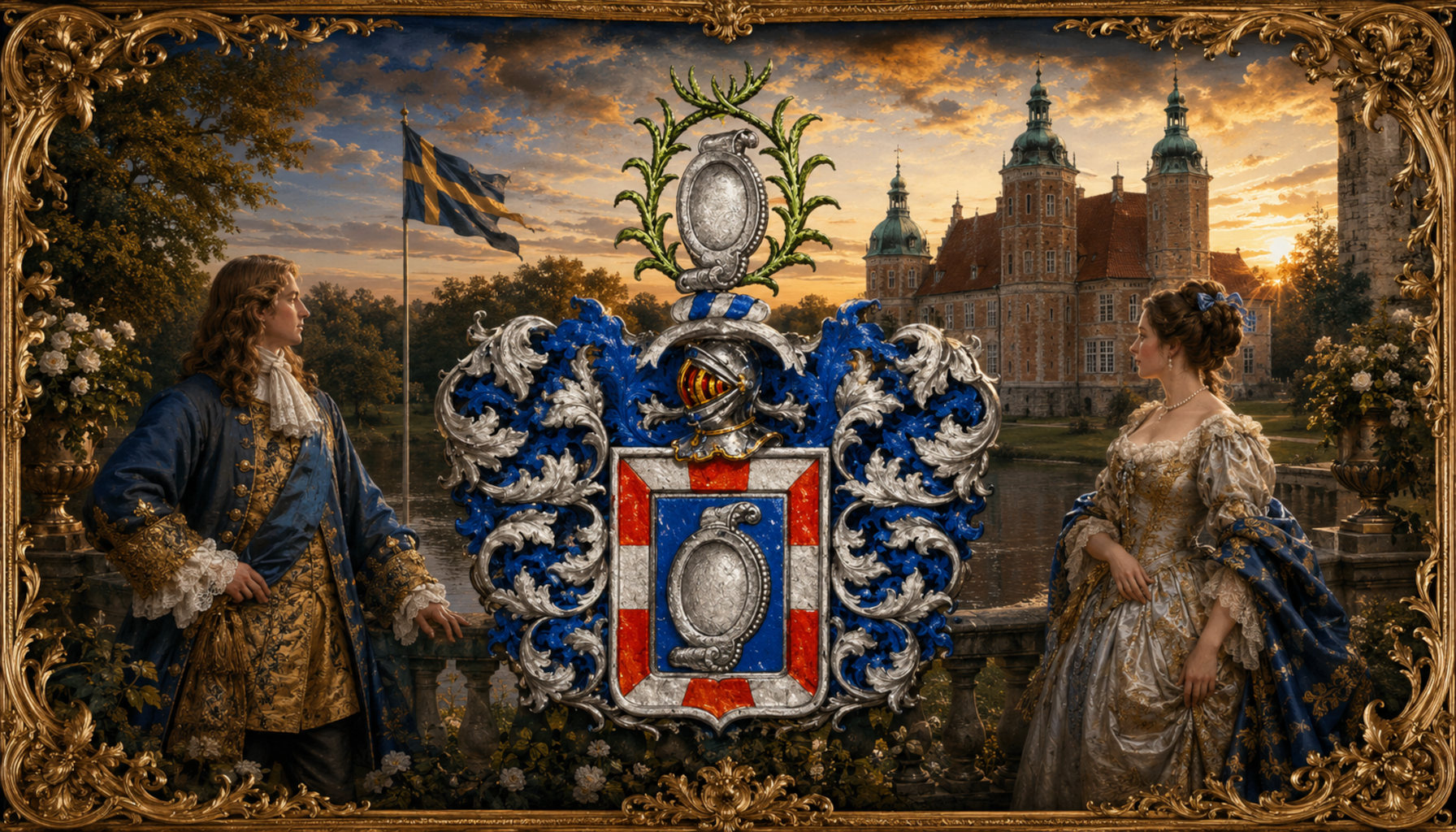
The founder, Niklas Andersson Hylten (1635-1702), was born at Olmestads parsonage in Jonkoping County, which already tells us something important about the family's social world. This was a Sweden where the clergy, universities, and crown service formed one of the great ladders of advancement. Hylten studied at Uppsala, became a master of philosophy, travelled in Germany, Holland, and England, and then returned to make a serious career in law and government. He served as professor of law at Lund University, university secretary, and adviser during the peace negotiations at Lund in 1679. From there, the Silfverskiold family expanded into the higher ranks of the Swedish state, producing governors, judges, presidents, officers, chamber officials, and administrators. Later figures such as Nils Silfverskiold, vice president of Gota Court of Appeal and governor of Kristianstad County, and Arvid Silfverschiold in the baronial branch, show how thoroughly the family entered the governing fabric of southern Sweden.
Just as revealing are the women of the family, who helped weave Silfverskiold into a wider world of noble, clerical, and learned houses across the kingdom. Figures such as Ida Catharina, Anna Christina, Abela Juliana, and Ulrika Eleonora linked the family through marriage to other established lineages, reinforcing that very Swedish blend of estate culture, official service, and scholarly prestige. This is what makes the Silfverskiold story so interesting: the family rose not simply by landholding or war, but by the authority of books, courts, offices, and the crown, before translating that success into hereditary status and estate-based influence.
Explore the Lagerbielke Family
The family's most important location anchor is Ossjo in Kristianstad County, in the old borderland world of Skane, a region whose history is never quite tidy. This was territory shaped by the long Danish-Swedish struggle, and after the seventeenth-century transfer of Skane to Sweden, the crown had every reason to rely on capable officials, jurists, and educated noble families to consolidate authority. In that setting, an estate such as Ossjo was not merely a country residence. It was a statement of belonging in the newly integrated south, a local seat of influence tied to administration, law, kinship, and land. The Silfverskiold connection to Ossjo places them squarely in that post-war, state-building landscape, where noble houses helped bind region to kingdom. If you are exploring southern Sweden today, the wider historical setting of Ossjo can still be appreciated on the ground, and the area remains visitable as part of the lived heritage landscape of old Skane, even if access to particular private estate properties may vary.
Read more about the De la Gardie Family
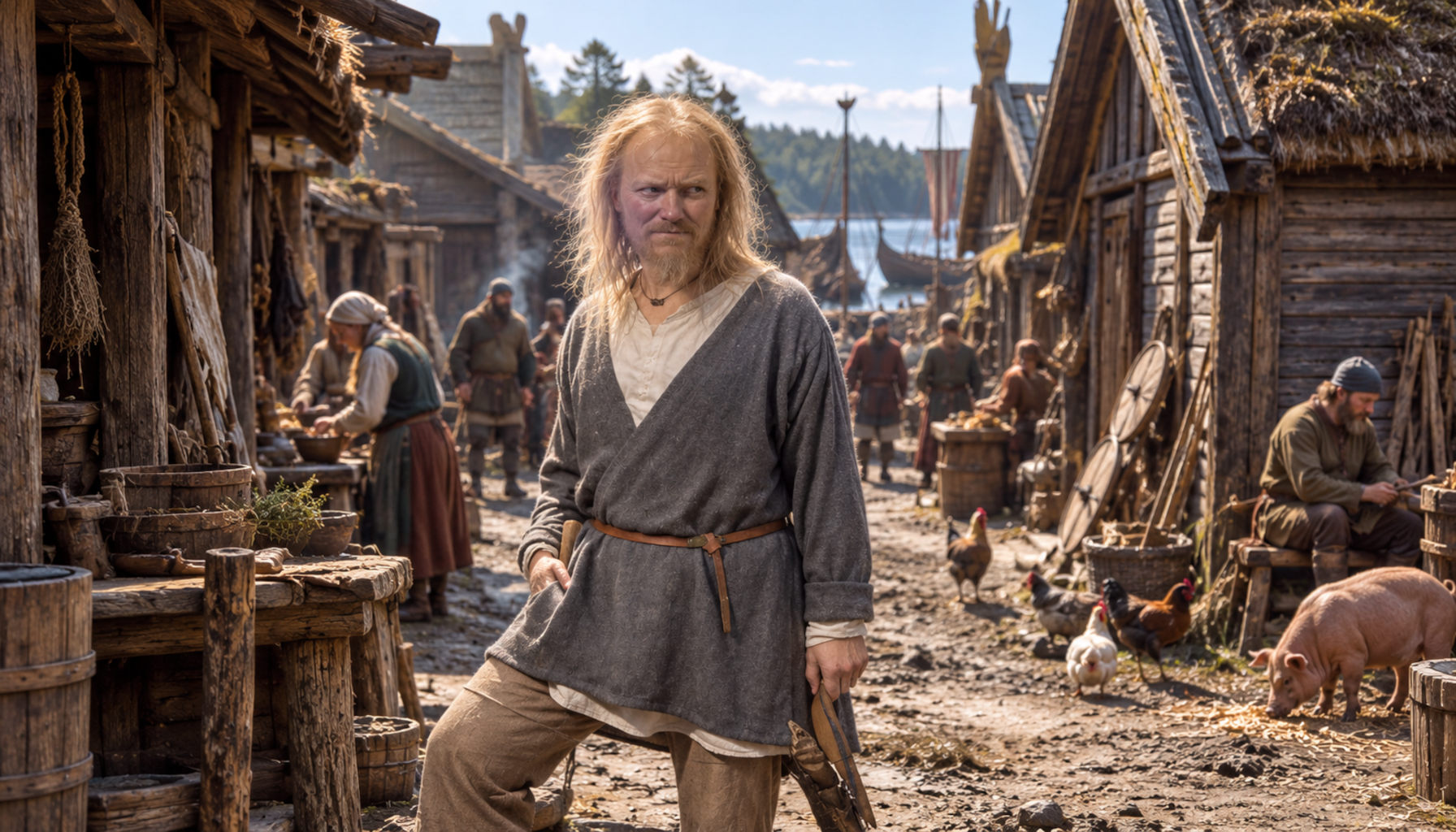
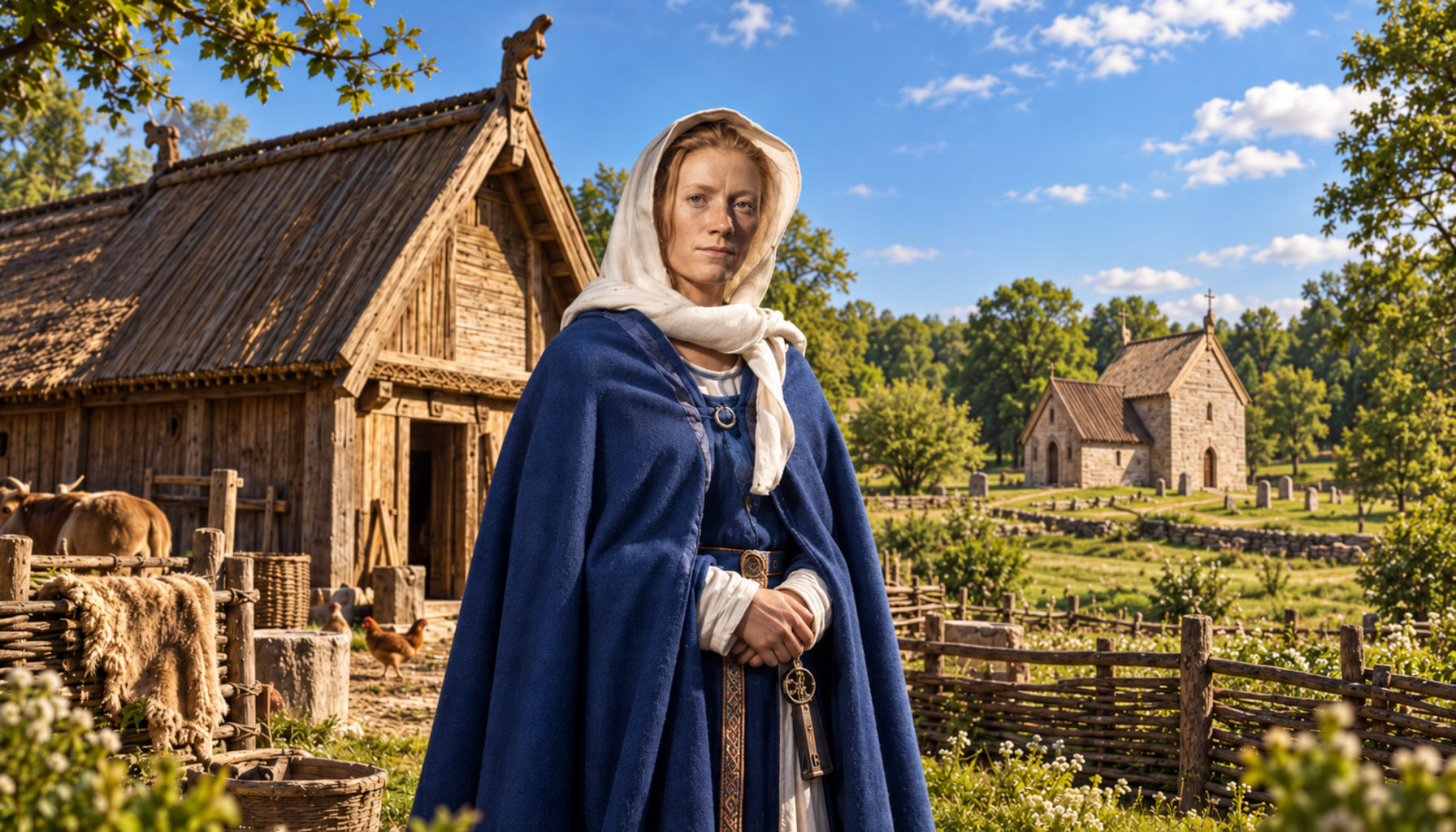
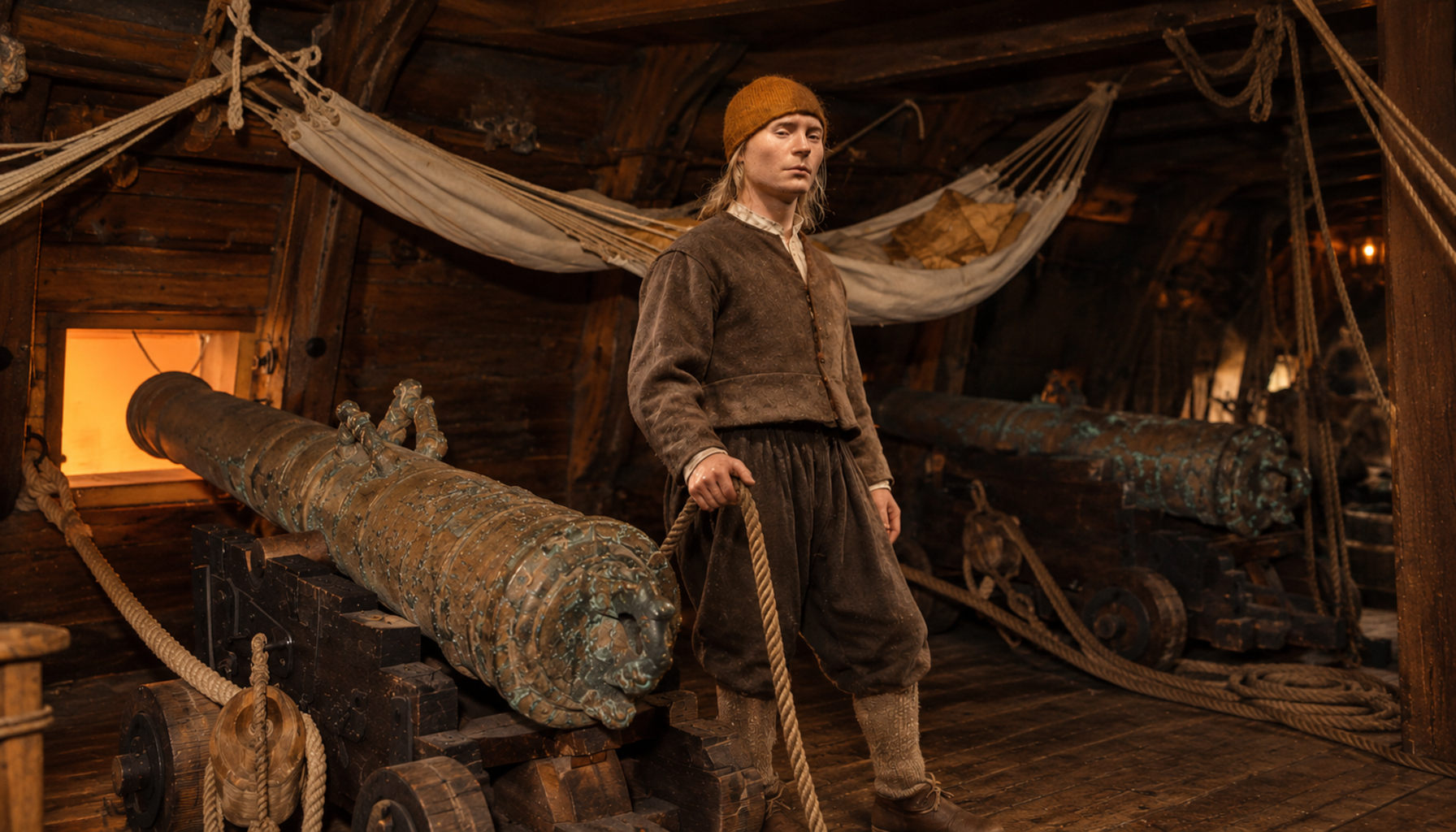
The Silfverskiold family's primary haplogroup tag, R1a1a1b1a3a1a2e2a, also appears in a wider web of related ancient DNA samples from Scandinavia and the North Atlantic world. These include Medieval Vasterhus, Sweden (mbv281), Post Viking Era St Clemen, Zealand, Denmark (KPN002), Viking Age Skara Varnhem, Sweden (VK35), Medieval Sandoy Church in the Faroe Islands (VK244), Vendel Age Salme II-U from Saaremaa (VK551), and a Viking Gaelic mixed context from Iceland (GTE-A1). None of this proves direct descent from any one excavated individual, and it would be quite wrong to pretend otherwise. But it does place the Silfverskiold paternal signature in a recognisably northern European historical zone, one spanning Sweden, Denmark, the Baltic, the Faroes, and Iceland - exactly the kind of interconnected world that archaeology and genetics keep revealing beneath the later noble pedigrees.
If the Silfverskiold family story catches your imagination, it is because it sits at the meeting point of paper pedigree and deep ancestry: a noble line born from scholarship, law, and service, yet linked by haplogroup to much older Scandinavian genetic histories. You can upload your DNA to MyTrueAncestry and see whether you match the Silfverskiold family profile or any of the related ancient DNA samples from Sweden, Denmark, the Faroes, Iceland, and the Baltic world.
Comments