The Newton Family
– 3 min read


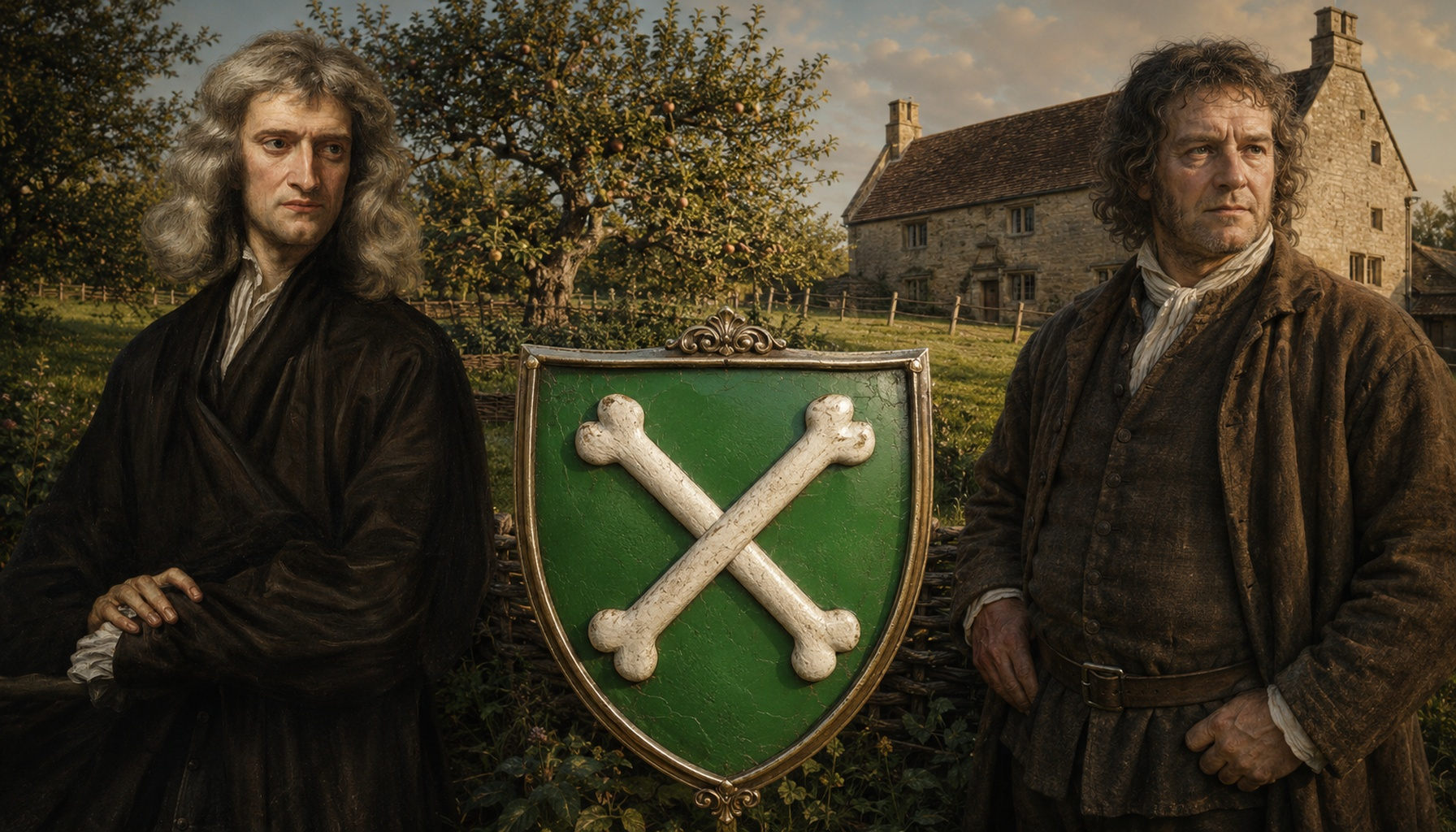
The Newton family belongs to that very English pattern of the family-house: rooted in place, known in county society, and remembered not for a crown but for continuity. The name itself is locational, growing out of one of the many Newtown or Newton places that appeared in medieval England, usually meaning a "new settlement" or "new farm." Over time, families bearing the surname became attached to land, parish life, local office, military duty, and the careful husbandry of reputation. In that sense, the House of Newton is less a glittering dynasty than a durable social fact: a surname tied to property, service, memory, and inherited standing across generations. Its primary linked Y-DNA haplogroup here is R1a1a1b1a3a1a9.
That matters because English family history is often built not from trumpet blasts but from accumulation: a manor acquired, a marriage well made, a commission held, a church endowed, a seat maintained. The Newtons fit that world. Among the better-known figures associated with the family are Sir John Newton, 1st Baronet of Barrs Court, created a baronet in 1660, and the much more famous Sir Isaac Newton, who died in 1727, the great natural philosopher whose name long ago escaped the family tree and entered the language of science itself. Not every Newton was a statesman or genius, of course, but that is rather the point. Families like this endured because they were woven into local England: visible, responsible, and remembered.
Barrs Court is the Newton family's great location anchor, and like so many English houses it tells its story through architecture, ownership, and survival. It stands at Warmley in South Gloucestershire, east of Bristol, and was long associated with the Newton baronets. The house took shape in the sixteenth century and was later altered, so what one sees is not a frozen medieval relic but a building that has lived through Tudor foundations, later remodelling, and the changing fortunes of landed society. That is precisely what makes such houses interesting: they are not fairy-tale castles but working seats of gentry life, half domestic, half public theatre. Barrs Court helped express the Newtons' local importance, giving the family a fixed point in the landscape from which their name, authority, and memory could radiate. The site has survived in altered form, and Barrs Court remains a real place that can still be visited from the outside as part of the historic local landscape, with the surrounding area of Warmley and South Gloucestershire offering a strong sense of its setting.
Read more about the House of Croft
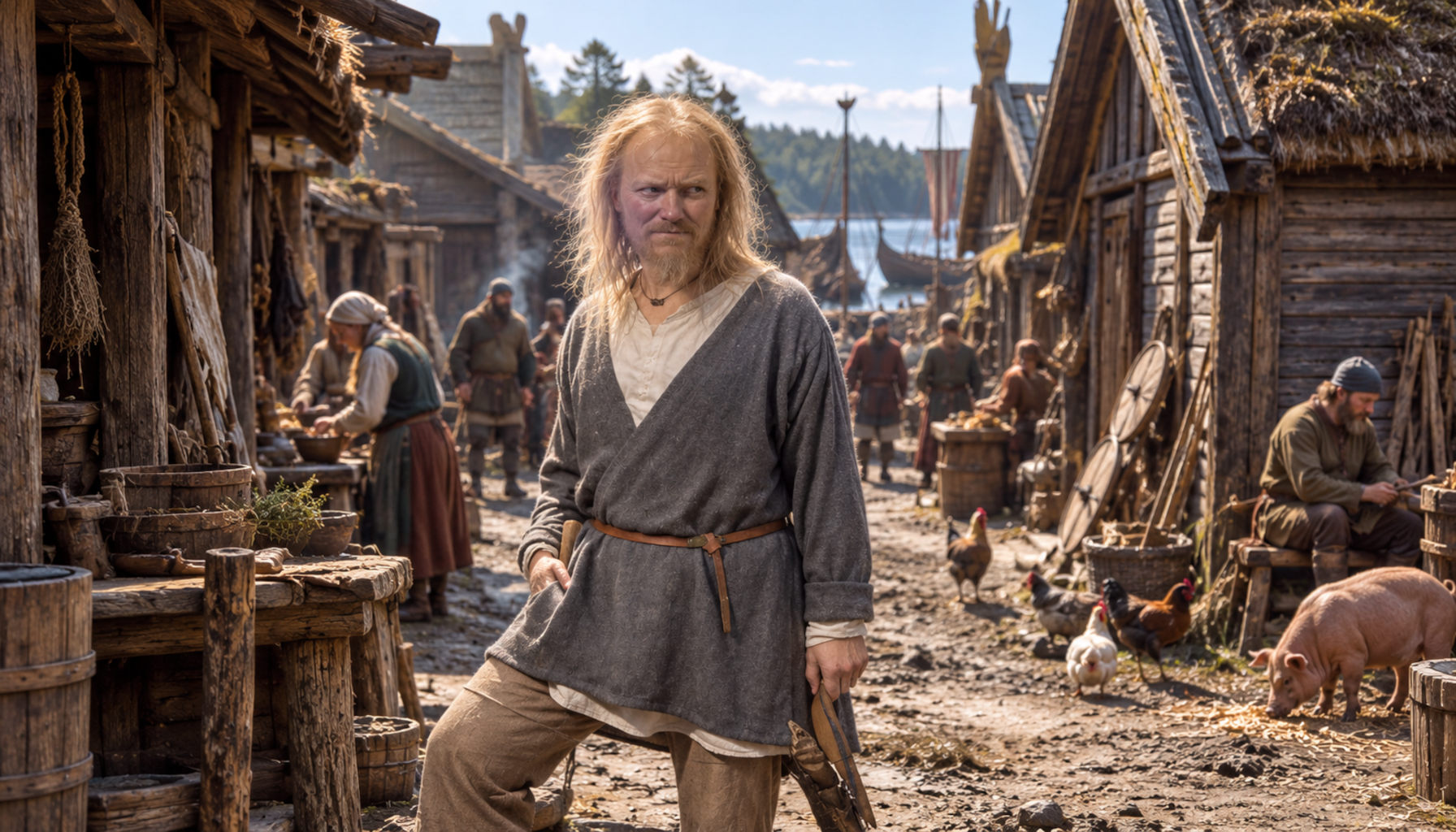
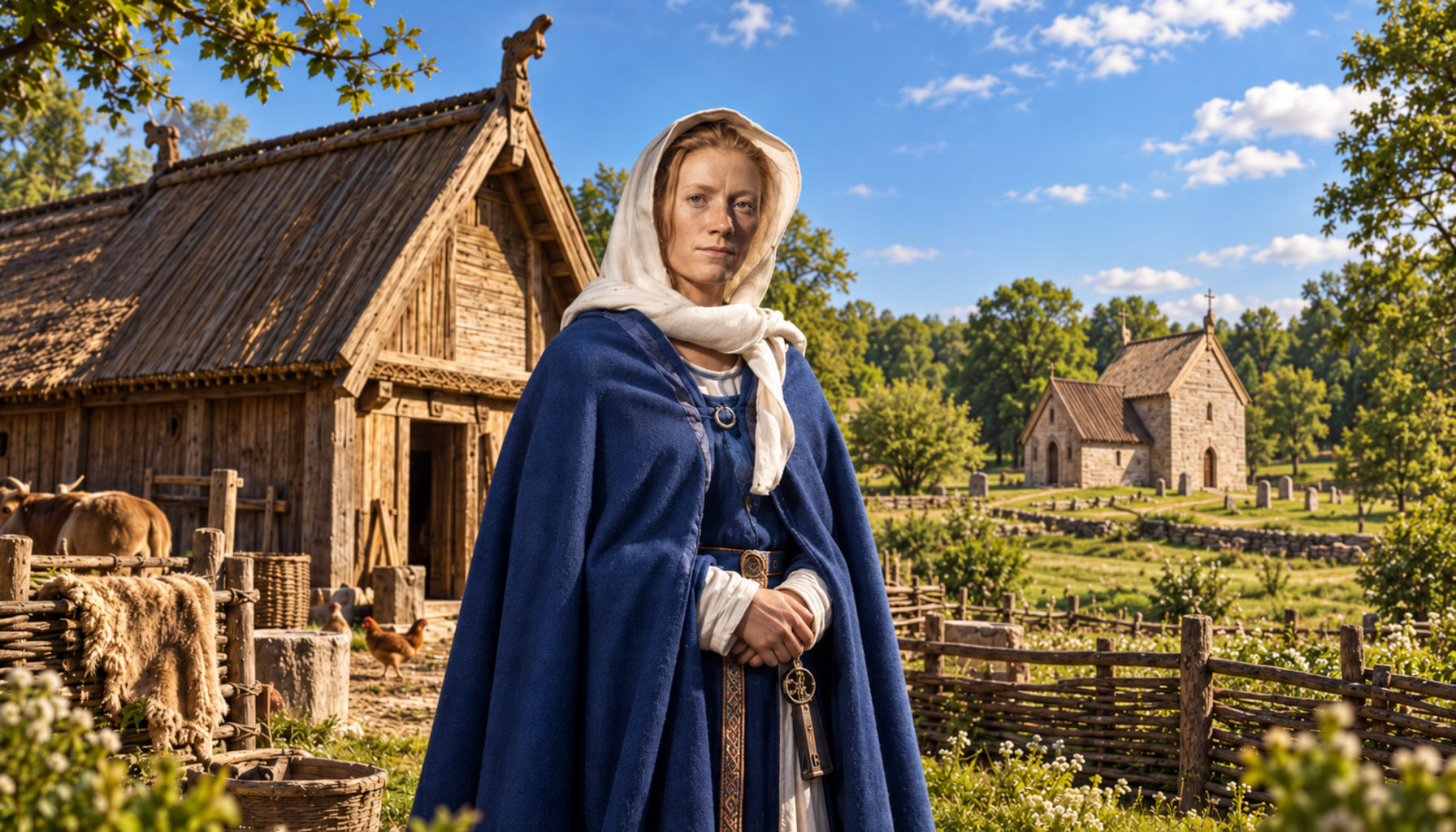
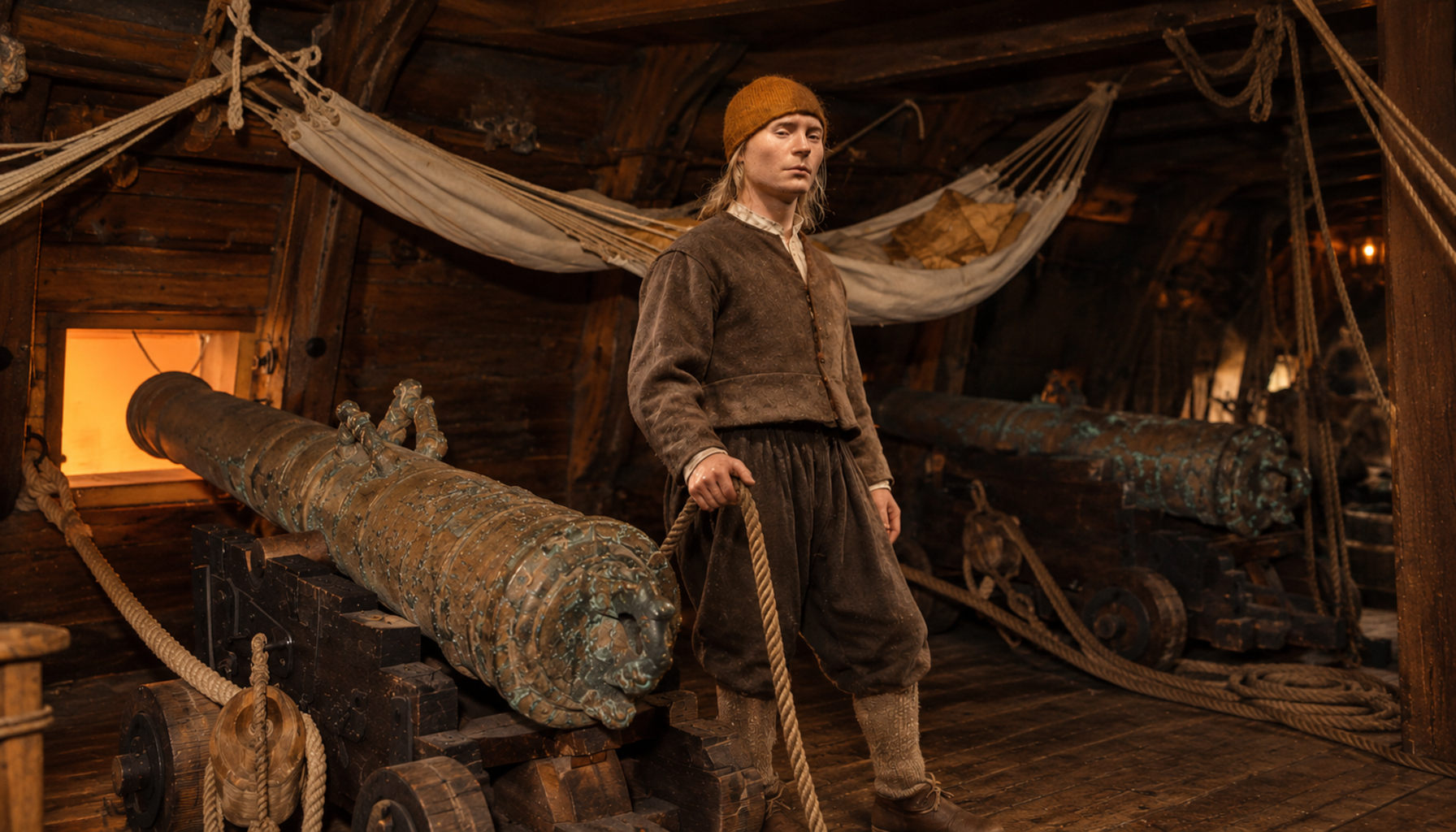
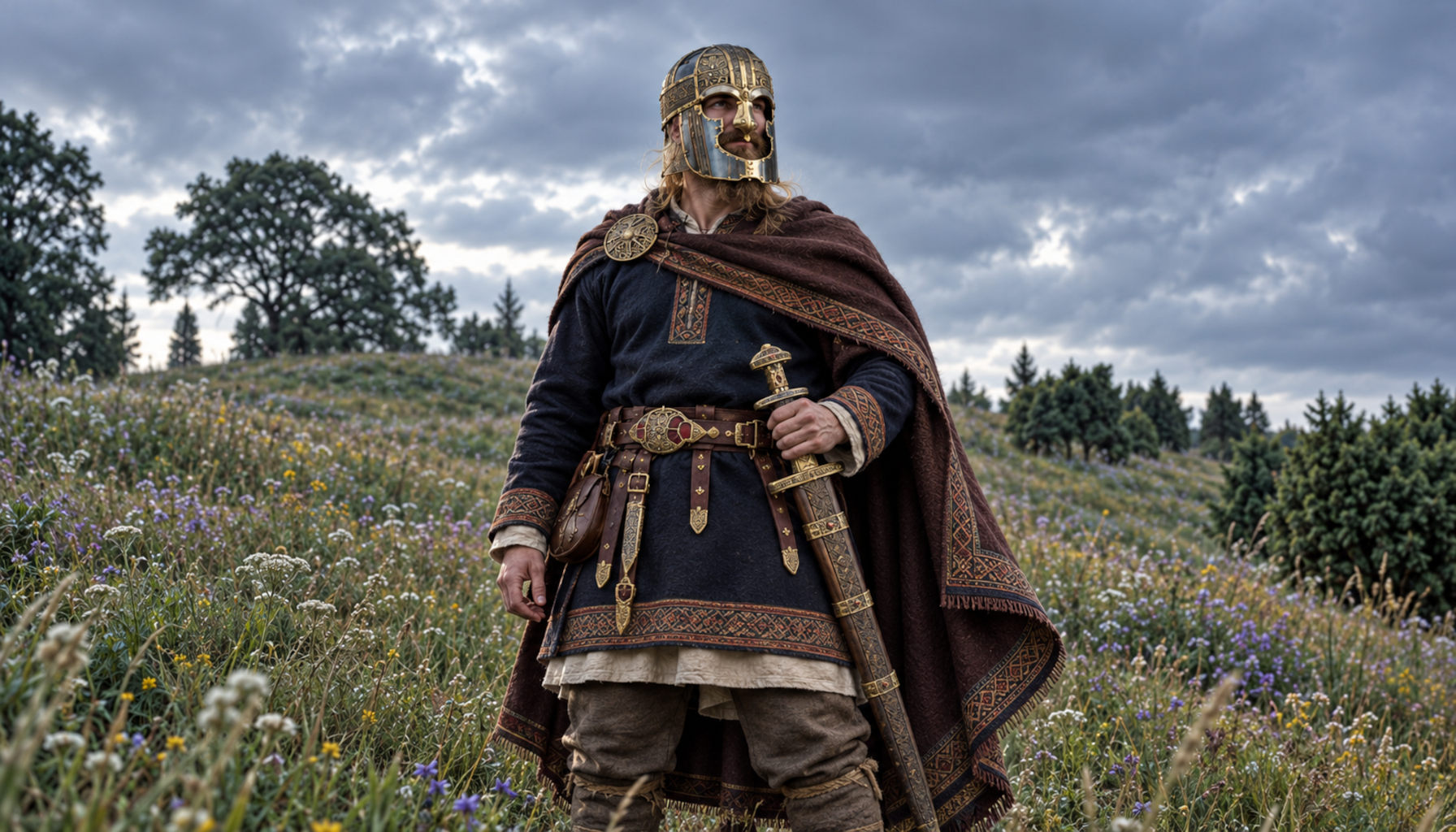
On the DNA side, the Newton family's primary linked haplogroup is R1a1a1b1a3a1a9, a branch with a wide and rather fascinating ancient footprint across northern, central, and eastern Europe. Related or linked ancient samples include Early Medieval Slovakia Bratislava I4803, Medieval Vasterhus Sweden mbv281, Historic St. Mary City Chapel Field Cemetery Maryland I15285, Gothic Tribe Poland Maslomecz Wielbark PL067, Danii Tribe Sjaelland Roskilde Iron Age Denmark CGG105327, Viking Age Halogaland Holm CGG107030, Stora Kronan Shipwreck Battle of Oland Sweden kro012, Anglo-Saxon Sedgeford England Norfolk SED006, Post Viking Era Denmark St Clemen Zealand Denmark KPN002, Early Medieval Polhill Kent England POH006, Viking Age Skara Varnhem Sweden VK35 and VK397, Medieval Age Faroe Islands Sandoy Church VK244, Viking Age Oland Sweden VK344, Iron Age Islandbridge Dublin Ireland VK546, Vendel Age Saaremaa Salme II-U VK551, Viking Invader Ridgeway Hill England VK264, Viking Norse Iceland NNM-A1, and Viking Gaelic Mix Iceland GTE-A1. These do not prove direct descent from any one ancient individual, and it would be bad history to pretend otherwise. What they do suggest is a broader paternal landscape in which this lineage appears among early medieval, Scandinavian, Anglo-Saxon, Viking, and migration-age contexts that formed part of the deeper story of the North Sea and Baltic worlds, worlds that also fed into English history.
Read more about Anglo-Saxon DNA
If the Newton story appeals to you, it may be because it feels recognisably human: a family made durable by place, service, and memory, with a genetic signature linked to a wider archaeological world. Upload your DNA to MyTrueAncestry to see whether you match the Newton family or any of these related ancient DNA samples, and to explore how your own story may connect to English local history, medieval communities, and the deeper past.
Comments