The Montagu Family
– 3 min read


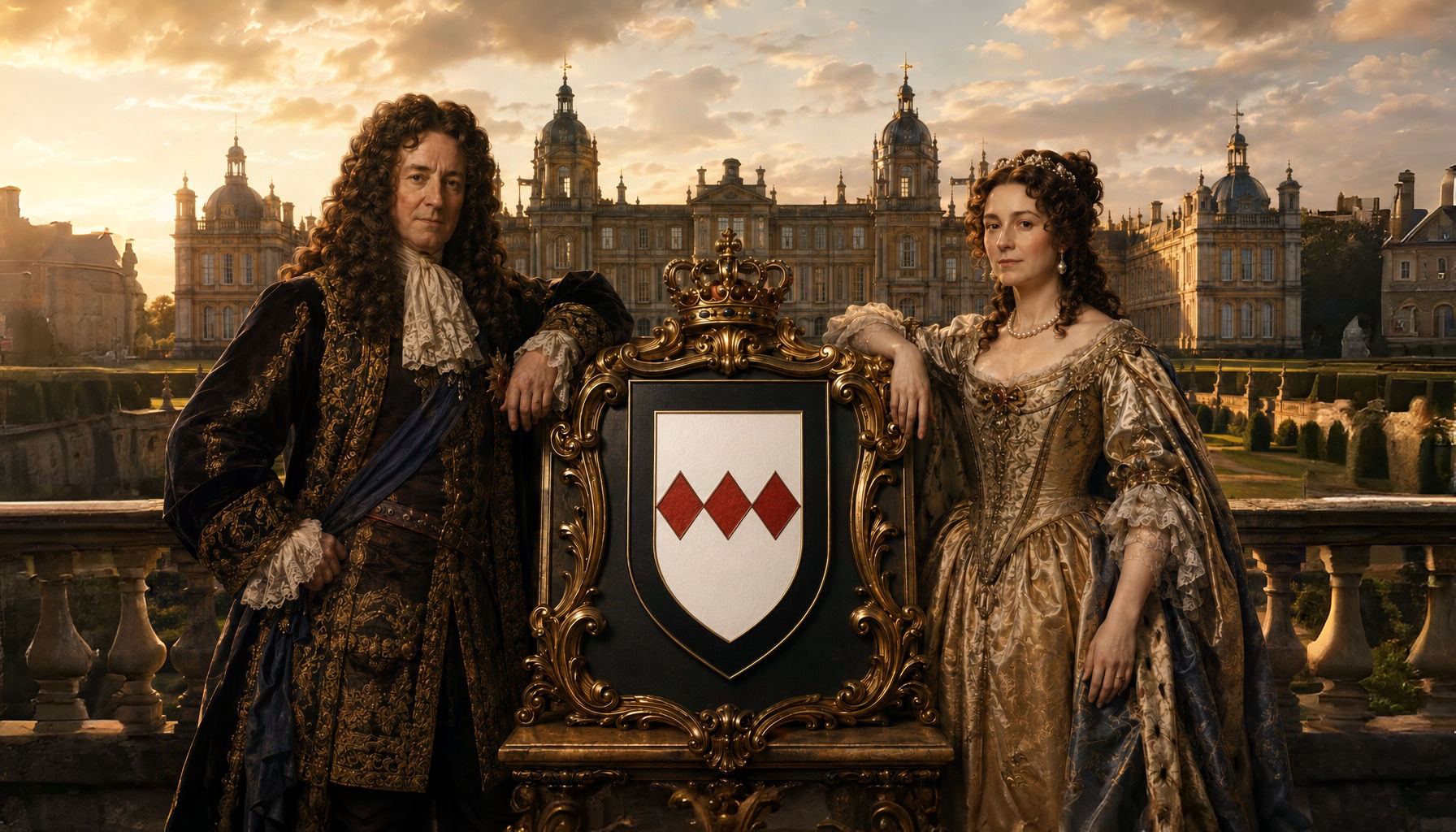
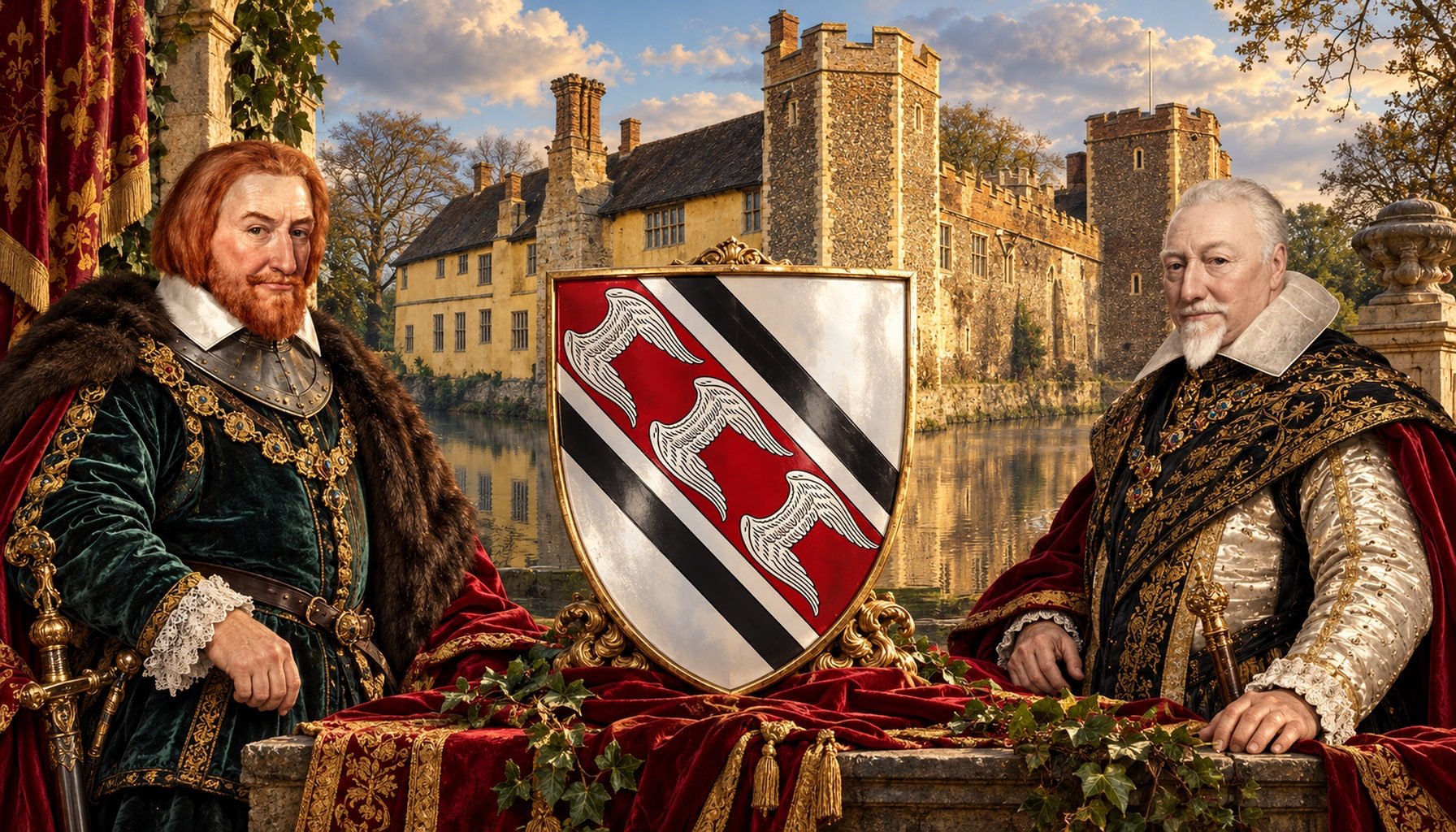
The Montagu family, also found in older records as Montacute or Mountague, was one of those great Anglo-Norman houses that became thoroughly woven into the fabric of English noble life. Their story begins with the Norman world that followed the Conquest, when men, names, lands, and loyalties were being rearranged across England with extraordinary speed. The surname points back to a place-name origin, generally linked to Montaigu or Montacute, meaning a pointed or steep hill, and that matters because Norman identity was so often rooted in land before it was rooted in anything as modern as a fixed surname. In later centuries the Montagus became associated with major estates, royal service, heraldic distinction, and the steady, often strategic rise that turned warrior aristocracy into entrenched peerage power. In DNA terms, the primary family haplogroup associated here is R1b1a1b1a1a2a, a lineage well represented across western Europe and entirely at home in the deep paternal story behind many later noble houses of Britain and the Continent.
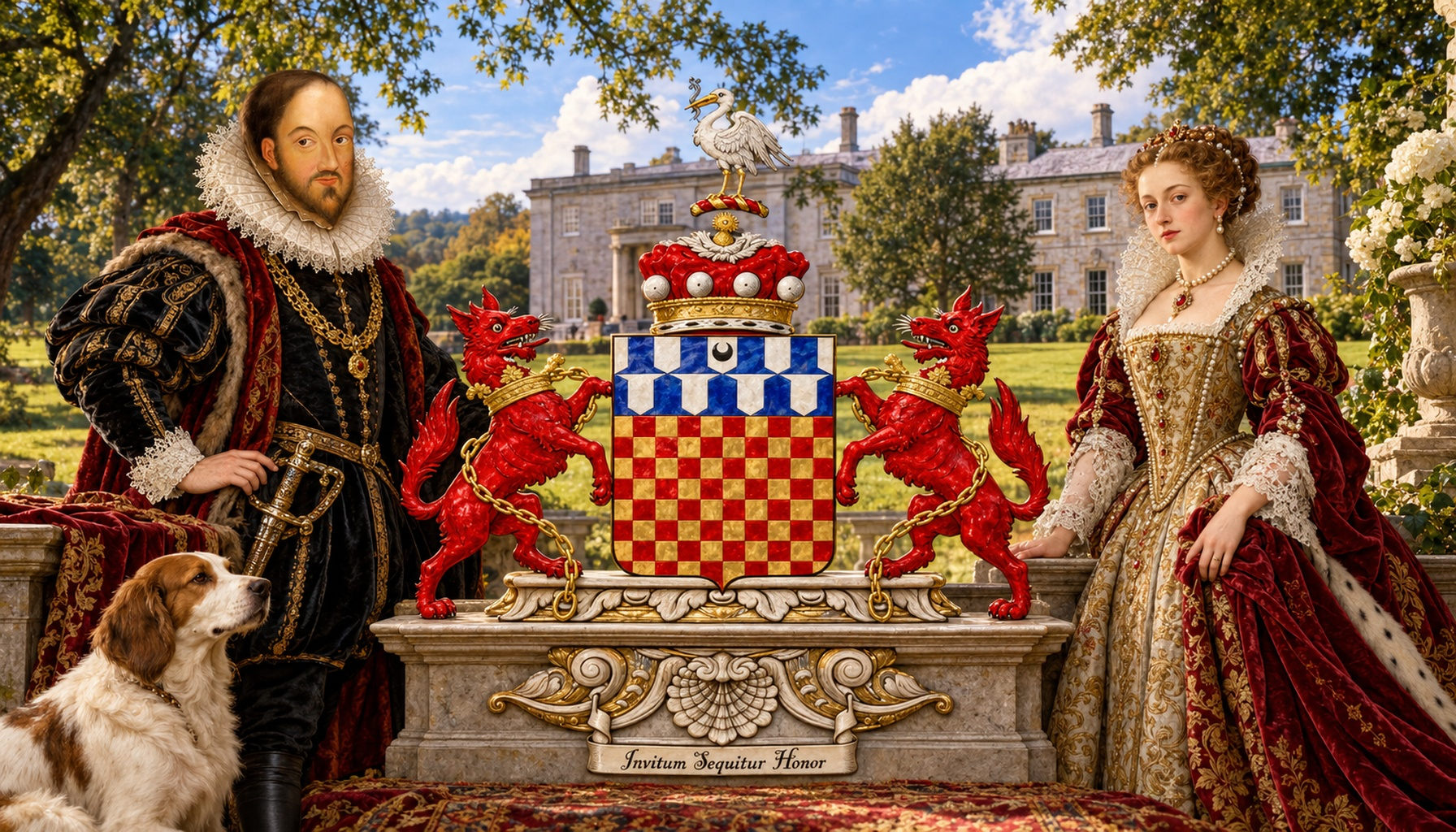
What makes the Montagus interesting is not simply that they were noble, but the way they illustrate the long Anglo-Norman transformation into an English aristocratic dynasty. This was a family of estate builders, office holders, courtiers, soldiers, and political operators. Their influence came not from a single heroic moment but from the durable mechanics of power: inheritance, marriage alliance, crown service, parliamentary presence, and well-placed landholding. Figures such as Robert Mountague of Boveney (1505-1575) and Sir Edward Montagu of Boughton Hall (1530-1602) belong to that later Tudor and early Stuart world where lineage was no longer only about battlefield reputation, but about legal title, household prestige, patronage, and architectural display. By then, the Montagu name had become one of those unmistakable signs that we are in the world of serious English gentry and aristocratic ambition.
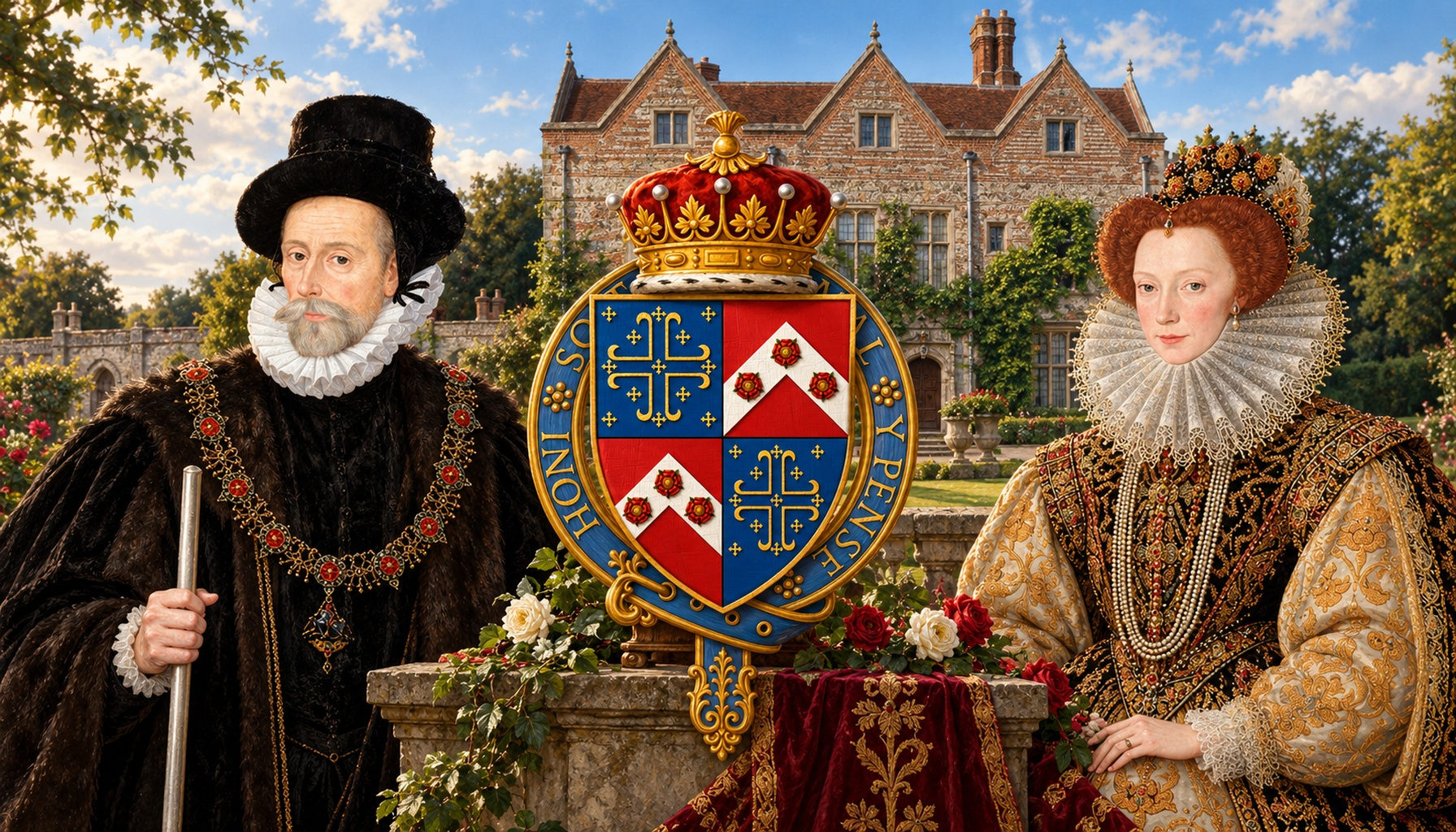
If there is a single place that anchors the Montagu story in brick, stone, and landscape, it is Boughton House in Northamptonshire. Built on the site of an earlier manor, and developed especially from the late seventeenth century onward, Boughton became the great seat of the Dukes of Montagu and later of the Buccleuch and Queensberry connection through inheritance. It is one of those houses that rather unfairly makes other country houses look as if they have not tried hard enough. Long, formal, and palatial, with major French influence in its design and gardens, Boughton House is often called the "English Versailles," though that nickname should not distract from its very English political meaning: this was architecture as dynasty, rank, cultivation, and permanence. Inside and out, it reflects the period when aristocratic families announced their status not merely through titles and pedigrees, but through controlled landscapes, collections, ceremonial rooms, and the ability to shape whole local worlds around an estate centre. Happily, Boughton House can still be visited on selected open days and events, so this is not just a lost chapter in a book but a surviving landscape where the Montagu story can still be encountered in the flesh.
Read more about the House of Seymour
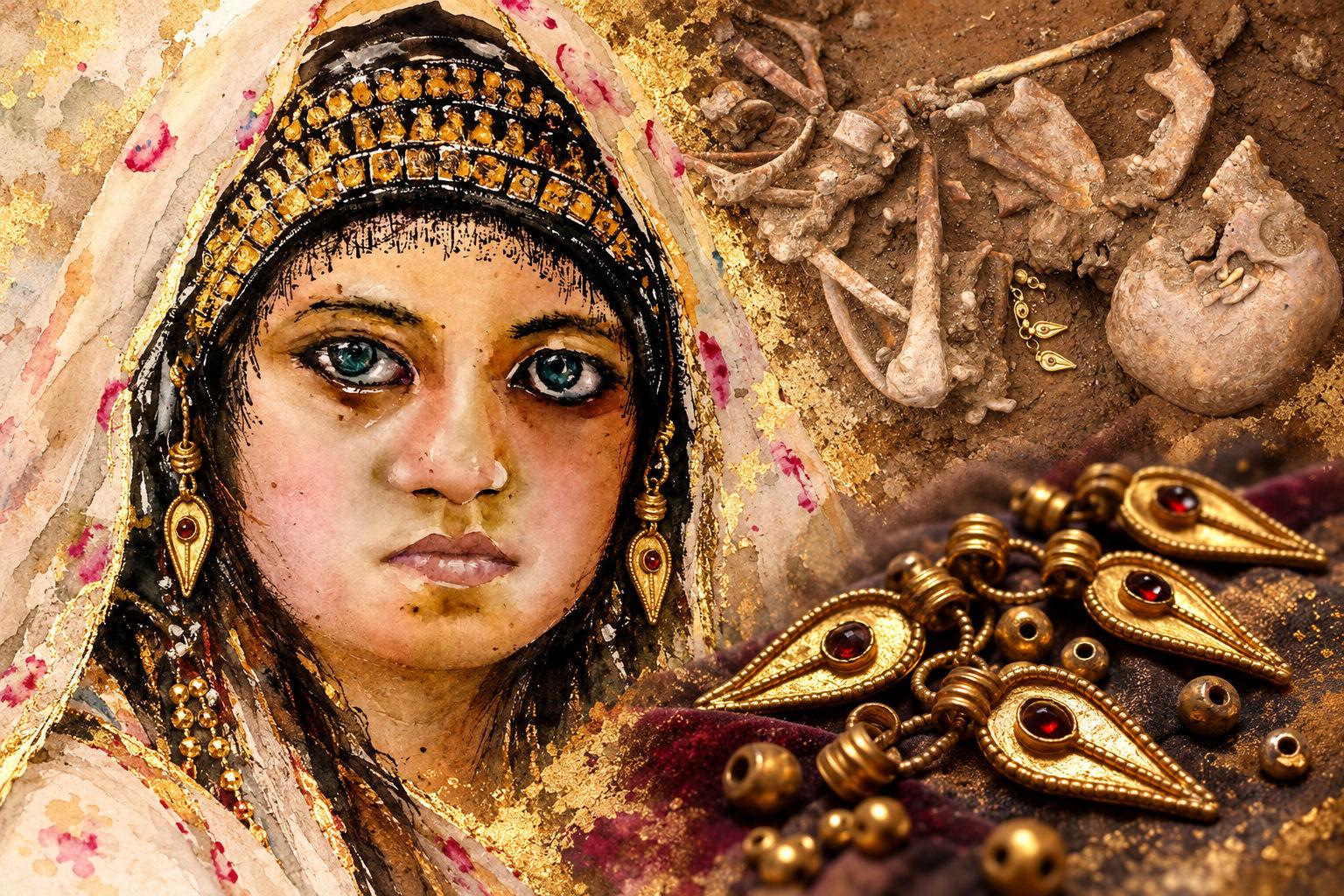
From a DNA perspective, the Montagu-associated haplogroup R1b1a1b1a1a2a belongs to a vast and historically important western European paternal network, and while we should not claim direct descent from ancient individuals without specific evidence, we can point to a rich field of related or linked ancient DNA samples that help set the lineage in context. Among them are medieval and Dark Age males from northern Spain at Las Gobas such as ldo066, ldo037, ldo046, ldo048, ldo062, and ldo040; elite Celtic burials from Germany including Magdalenenberg MBG013, Asperg-Grafenbuehl APG001 and APG003, Ludwigsburg Roemerhuegel LWB001 and related samples, and Hochdorf HOC001; Roman era and later British-linked finds such as NWC009 from Eddington, FEN008 from Fenstanton, ARB003 from the Arbury wooden coffin burial, DUX003 from Duxford, and a run of Durotriges samples from Duropolis at Winterborne Kingston including WBK103, WBK106, WBK17, WBK36, WBK192, WBK10, WBK105, and WBK23. Together these do not prove a Montagu family tree reaching neatly back into prehistory, of course not, but they do place the family's headline haplogroup within a long arc running through Bronze Age, Iron Age, Roman, medieval, and early modern western Europe. That is precisely the fascination of archaeogenetics: not a fairy tale of one straight bloodline, but a deep, complicated human backdrop behind later noble surnames.
Explore the House of de Warenne
If the Montagu family catches your imagination, the next step is wonderfully simple: test the story against your own DNA. Upload your results to MyTrueAncestry and see whether you show links to the Montagu-associated haplogroup R1b1a1b1a1a2a or to related ancient samples from Roman Britain, Celtic Europe, medieval England, and Iberia. It is one thing to read about nobles, estates, and heraldry; it is quite another to discover whether your own deeper ancestry echoes some part of that same historical world.
Comments