The Manners Family
– 3 min read


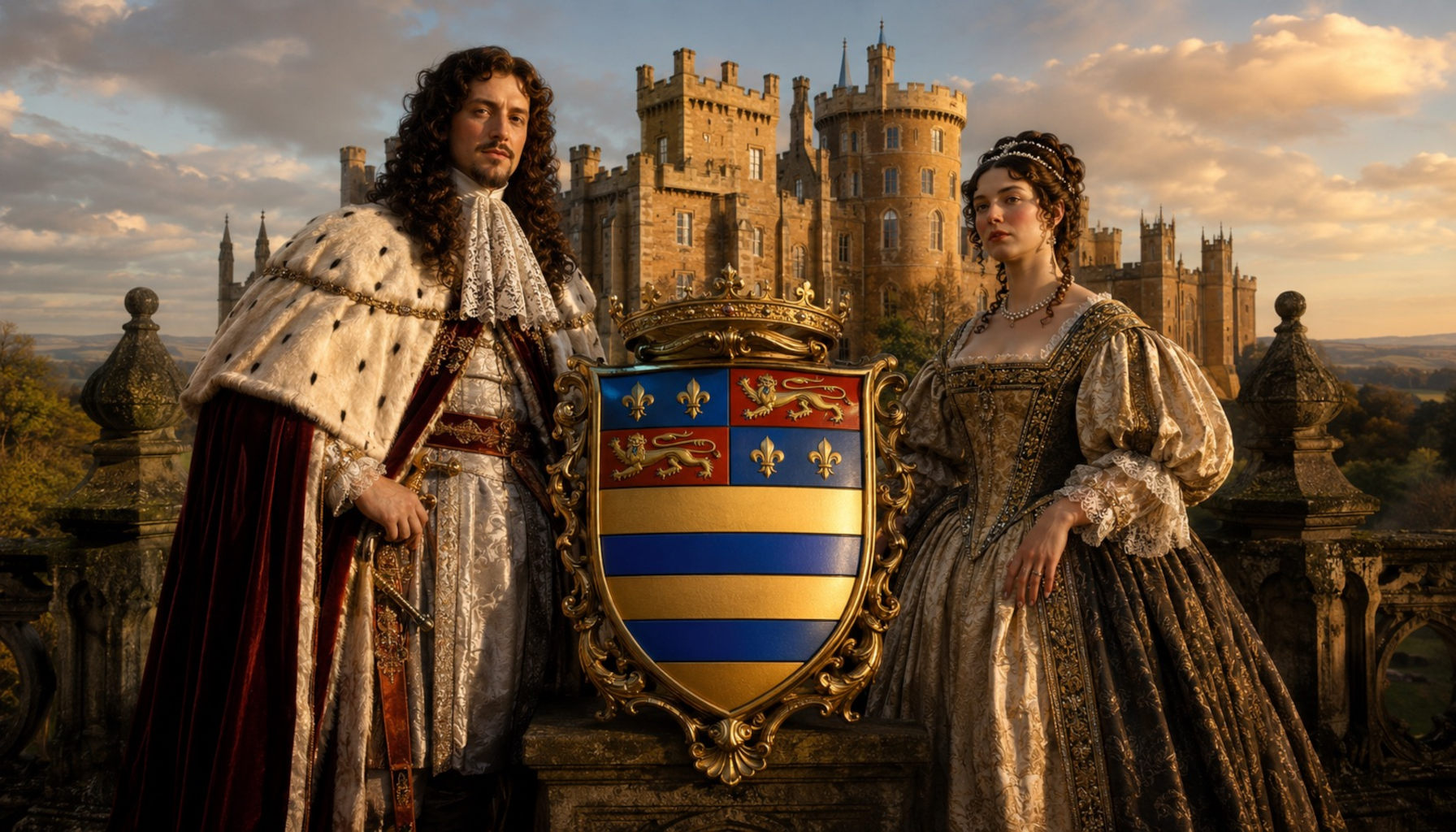
The Manners family was one of the great noble houses of England, best known as the line of the Earls and later Dukes of Rutland, with their primary Y-DNA association here tagged to haplogroup I1a2b3a1b1a2. Their rise belongs to that long English story in which a family does not simply appear fully formed in coronets and velvet, but builds itself over generations through landholding, royal service, marriage, military duty, inheritance, and a careful presence at court. By the later Middle Ages and into the Tudor and Stuart worlds, the Manners had become deeply woven into the aristocratic fabric of the realm.
In origin, the family emerged within the feudal and knightly society of medieval England, and its fortunes became especially tied to the Midlands, where landed power could be translated into local authority and national influence. This was a world of castles, sheriffs, retinues, heraldry, estate books, and family strategy, and the Manners proved adept at all of it. Figures such as Sir Robert Manners (1447-1495) show the family in the age when noble service, regional standing, and dynastic alliance mattered enormously, while John Manners, Eighth Earl of Rutland (1604-1679), stands in that later, more politically charged England of Stuart monarchy, civil conflict, and restored aristocratic identity. The family's history is not just about rank, but about continuity: how a noble house preserved itself across very different centuries.
Read more about The Howard Family
If there is one place that anchors the Manners story, it is Belvoir Castle in Leicestershire, dramatically set on a hill overlooking the Vale of Belvoir. The site has a long history going back to a Norman castle founded after the Conquest, though what visitors see today is largely the great Regency rebuilding carried out in the early 19th century after a devastating fire. It is one of those houses that seems determined to perform aristocracy at full volume: towers, battlements, sweeping views, ceremonial rooms, and that unmistakable sense that architecture itself has been recruited into the service of family memory. For the Manners family, Belvoir was not merely a residence. It was a statement of inheritance, status, regional command, and historical depth, the visible proof that the Rutlands belonged among the highest ranks of the English peerage. Belvoir Castle is still open to visitors for tours and events, so it remains a living gateway into the world the Manners built around themselves.
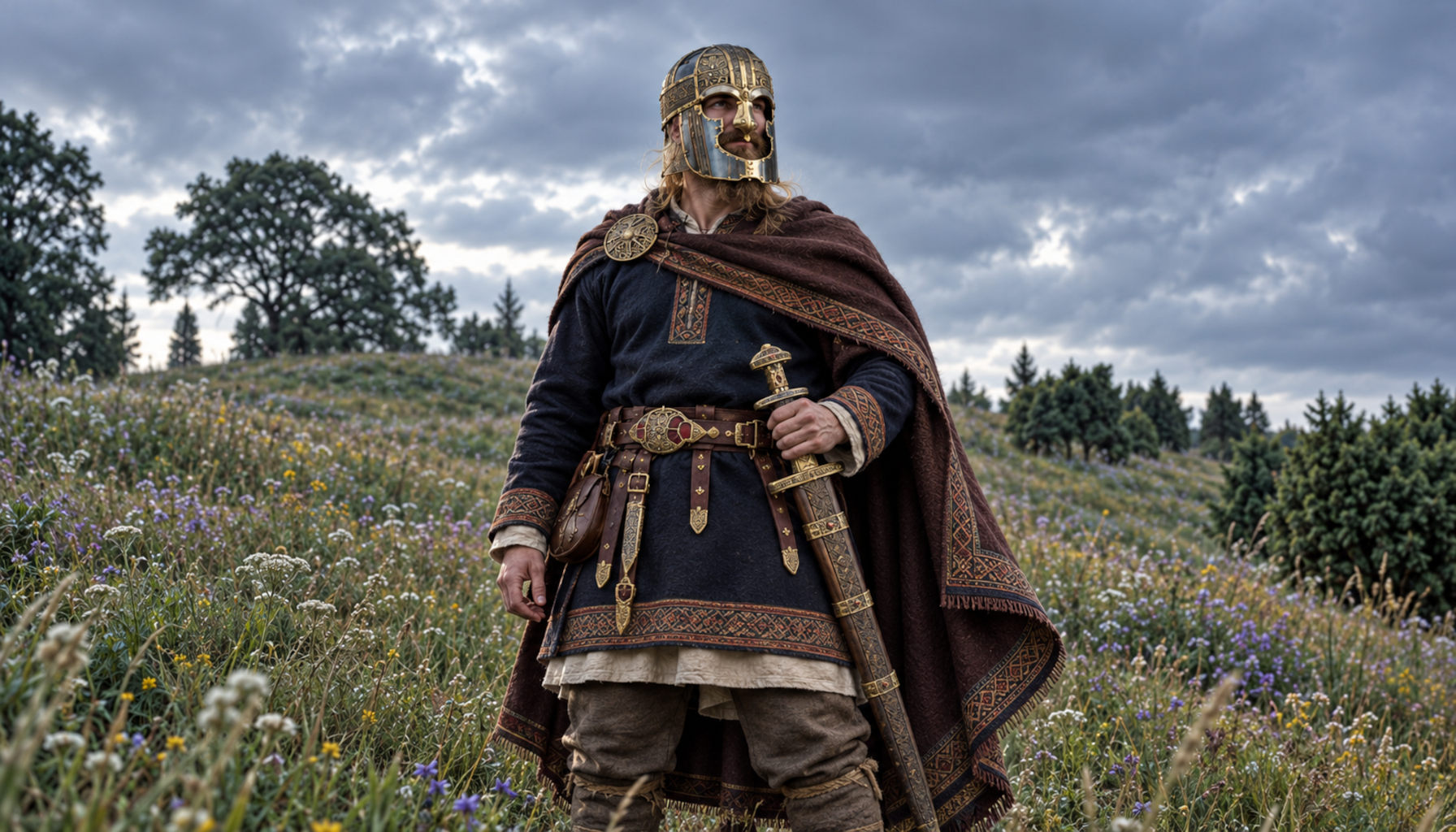
From a DNA perspective, the Manners family is here tagged with haplogroup I1a2b3a1b1a2, and while that does not by itself prove direct descent from any excavated ancient individual, it does place the family within a wider paternal story visible in ancient DNA. Related or linked samples associated with this branch include GOX287 from the Gallic Triboci context at Goxwiller in the Grand Est region of France; I20638 from post-Roman North Yorkshire in the Vale of Pickering; CGG106702 from Neolithic Karlstrup in Denmark; several Early Anglo-Saxon cemetery samples from West Heslerton, Yorkshire, namely I20639, I20646, I20661, and I20656; and I20637 from the post-Roman era at Worth Matravers in Dorset. Taken together, these linked finds hint at a very broad northwestern European backdrop, stretching from prehistoric Scandinavia to Iron Age and post-Roman western Europe, and into the early medieval English world that shaped many later noble lineages. They are not the Manners family in any direct documentary sense, but they do give a deeper time dimension to the haplogroup associated with the family.
Explore Ancient DNA in Post-Roman Britain
The Manners family story brings together noble ambition, medieval knighthood, Tudor advancement, Stuart politics, heraldic identity, and the enduring presence of Belvoir Castle in the English landscape. If you have tested your DNA, you can upload it to MyTrueAncestry and see whether you match the Manners family profile or any of the related ancient DNA samples linked with haplogroup I1a2b3a1b1a2.
Comments