The House of Yarborough

– 3 min read


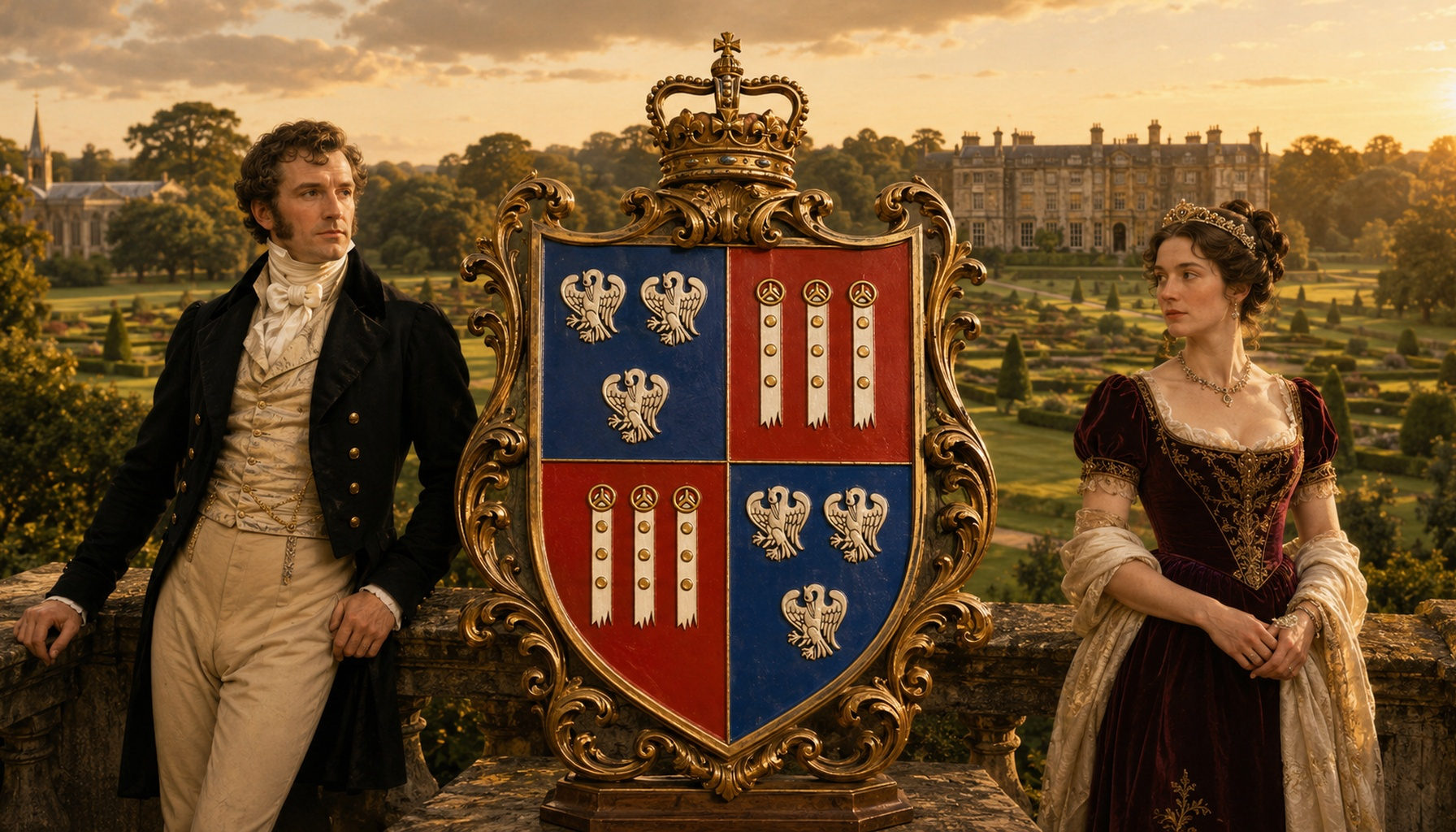
The House of Yarborough was an English noble and landed family rooted above all in Lincolnshire, shaped by the long world of county society, estate management, public office, and carefully maintained family continuity. Its story belongs to that very English pattern in which local power mattered enormously: land was not simply property, but identity; marriage was strategy as much as sentiment; heraldry preserved memory; and service in Parliament, court, and county government helped turn a landed house into an aristocratic one. The primary haplogroup linked with the family here is R1b1a1b1a1a2a1a1, a paternal line found widely across western Europe and very much at home in the deeper population history behind Britain and its landed elite.
The Yarborough name is bound up with the later Anderson-Pelham line, and with the rise of a family that moved from the gentry world into the peerage while keeping a strong regional anchor in north Lincolnshire. This was not a family that appeared out of nowhere in a blaze of medieval romance; rather, it developed through the steady mechanisms that built many durable English houses: estate accumulation, advantageous inheritance, social alliances, political respectability, and the cultivation of place. In historical terms, the House of Yarborough represents continuity more than drama, though it had its notable figures, including Charles Anderson-Pelham, 1st Earl of Yarborough (1749-1823), whose elevation marked the family's full arrival among the titled aristocracy.
Read more about House of Pelham
The great location anchor of the family is Brocklesby Hall, near Immingham in Lincolnshire, and it is exactly the sort of place that explains what an English house really was: not just a building, but the centre of an estate, a political base, a social theatre, and a statement of lineage in the landscape. The present Brocklesby Hall is an 18th-century country house, remodelled in a grand neoclassical manner, replacing an earlier house on the estate. The wider Brocklesby park is especially famous for its designed landscape and for the Brocklesby Mausoleum, which adds that unmistakable aristocratic note of memory written into the land itself. In other words, this is not merely a family seat but a worked-up piece of historic geography, where architecture, parkland, rank, and ancestry all meet. The estate remains associated with the Yarborough family, and Brocklesby Park is known as a historic place that can still be visited in some form through estate events and access arrangements, so it is reasonable to say that visitors may still encounter this landscape today, even if the hall itself is not generally an open-every-day museum house.
Explore the House of Willoughby
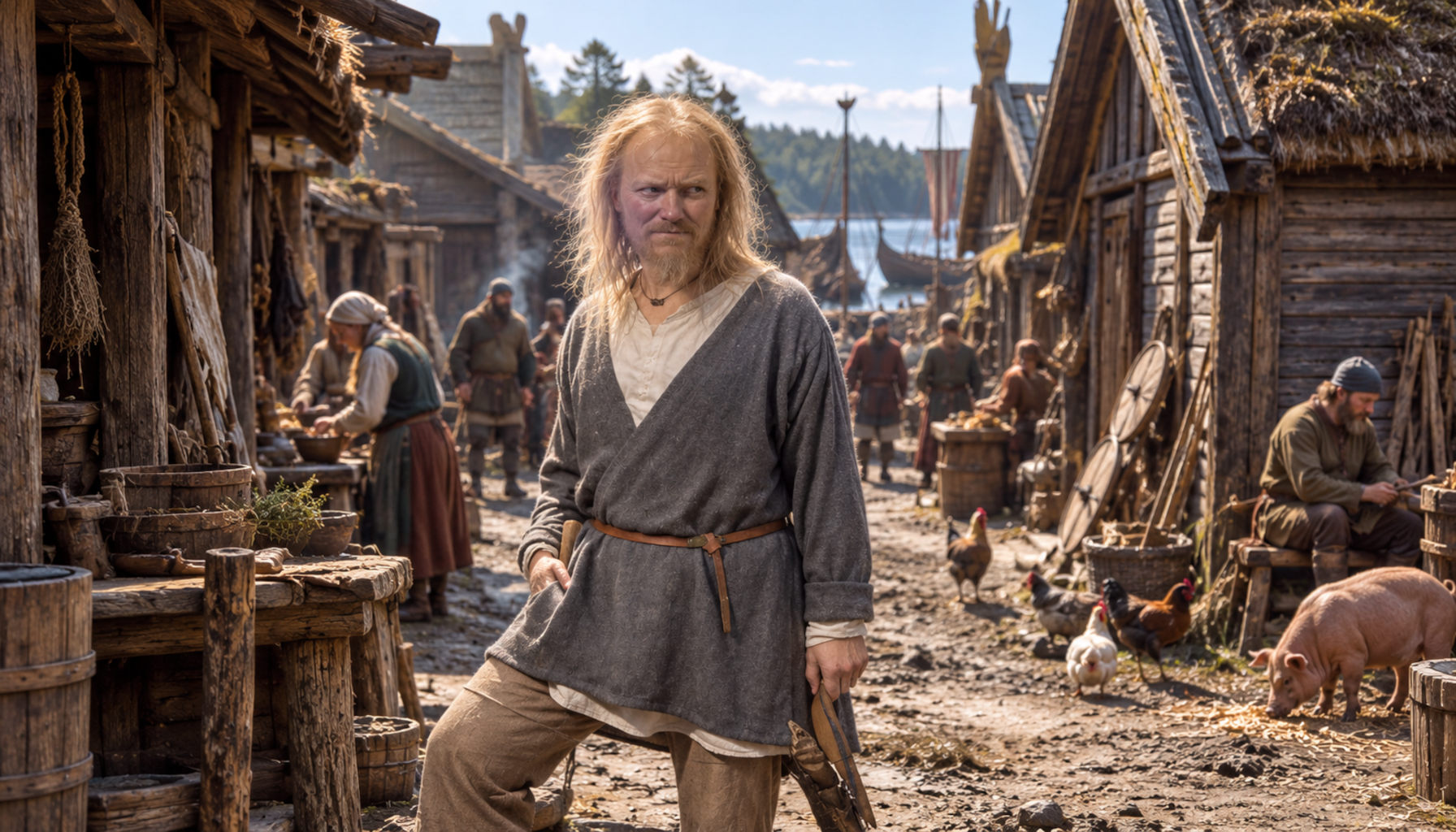
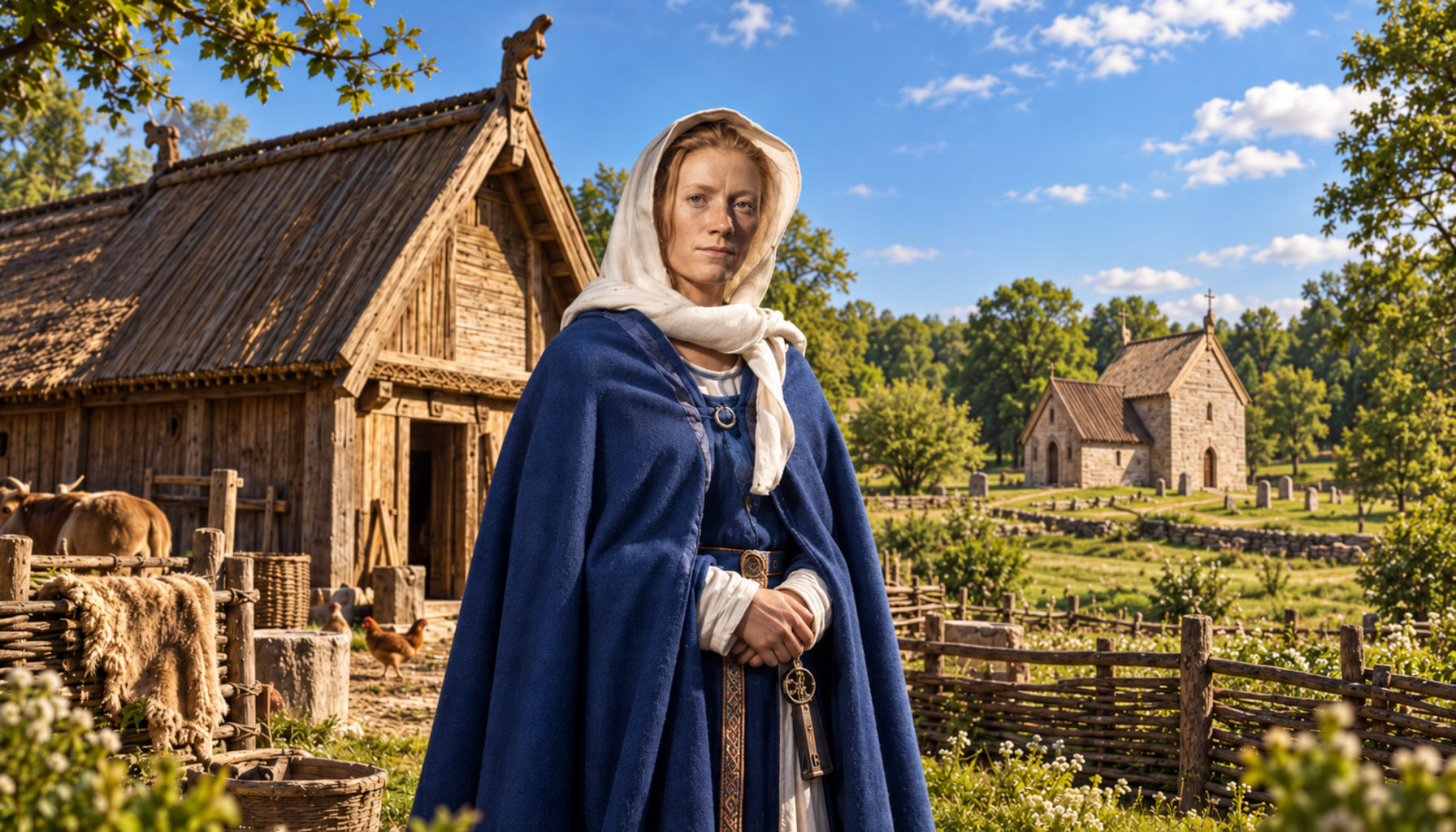
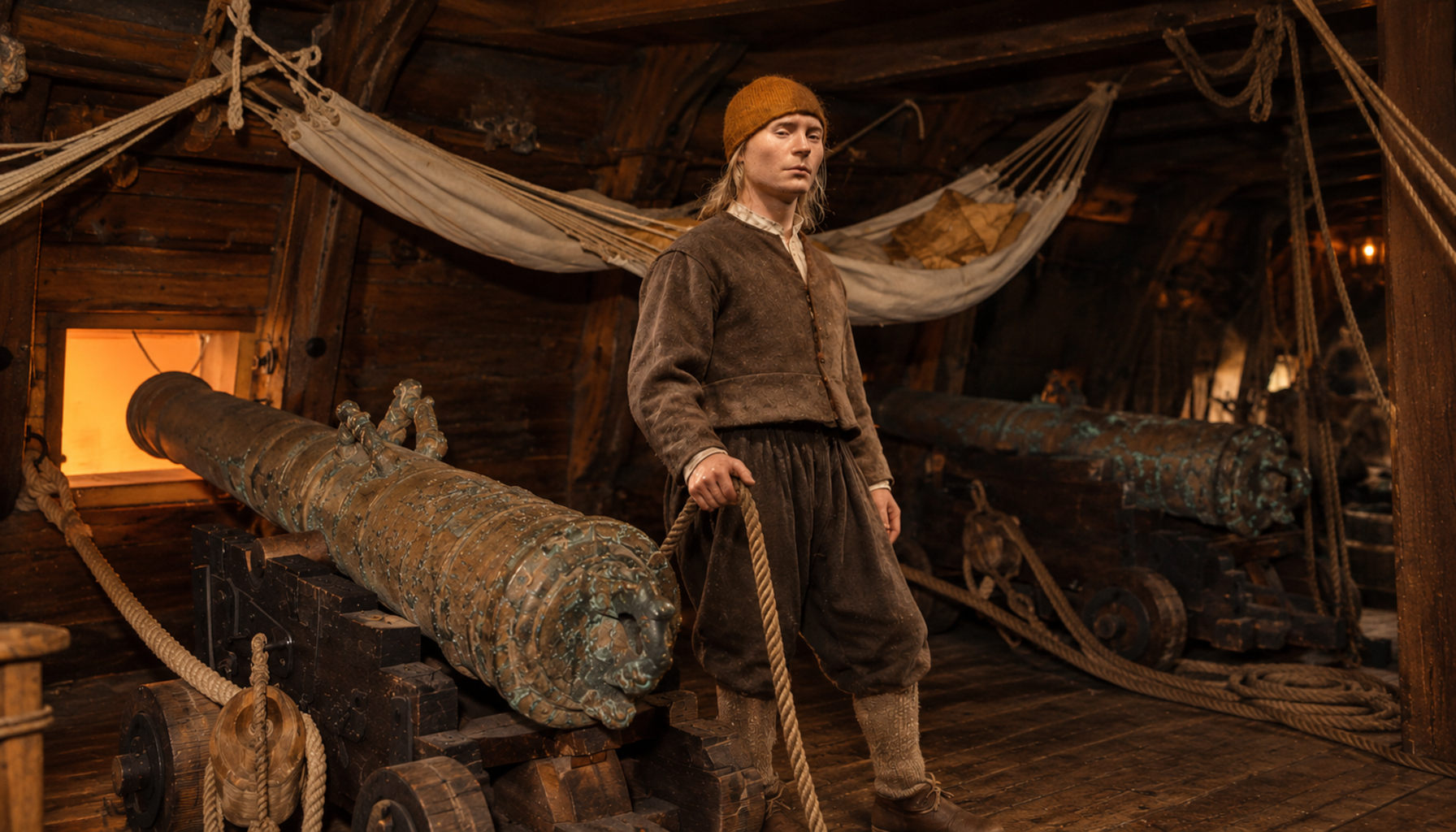
From a DNA perspective, the Yarborough-linked haplogroup R1b1a1b1a1a2a1a1 connects the family, in a broad paternal sense, to a long and fascinating spread of ancient and historic individuals across Europe and beyond. These are not claims of direct descent, but related or linked comparisons that show where this line appears in the archaeological record. Among them are Medieval England Cherry Hinton (ATP_PSN_950), Anglo-Saxon Sedgeford in Norfolk (SED018, SED020, SED021), Bronze Age Melton Quarry in the East Riding of Yorkshire (I7629), Celtic Briton samples from Derbyshire, Somerset, Yorkshire, and Cornwall such as I12771, I11143, I14327, I16450, I12413, and I20630, and Bronze Age Constantine Island, Cornwall (I16454). Beyond Britain, the same broader paternal signature appears in samples from Medieval Northern Spain Las Gobas (ldo049), Merovingian-period Eltville in Germany (EV8), Belgic and Gallic contexts in France, Post-Viking Age Hedeby (SWG006), Viking Age Ribe (VK329), Early Bronze Age Prague Jinonice (I14185), and Bronze and Iron Age Iberian sites including multiple Almoloya Pliego individuals such as ALM036, ALM039, ALM050, ALM052, ALM058, ALM063, ALM064, ALM070, and ALM081. There are even later and wider occurrences, from St. Mary's City Chapel Field Cemetery in colonial Maryland (I35260) to a soldier of Napoleon's Grande Armee at Vilnius (YYY095A). What this gives us is not a tidy family tree, but a vivid reminder that a modern English noble house sits atop an immensely old and mobile European paternal story.
Read more about the House of Seymour
If you are exploring the House of Yarborough, the most exciting next step is to test your own connection. Upload your DNA to MyTrueAncestry and see whether you match the Yarborough family profile or any of the related ancient DNA samples linked with haplogroup R1b1a1b1a1a2a1a1. It is a wonderful way to place family history into the much bigger human story: from Lincolnshire estates and noble houses back through Anglo-Saxon England, Iron Age Britain, and deep European prehistory.

Comments