The House of Moltke
– 3 min read


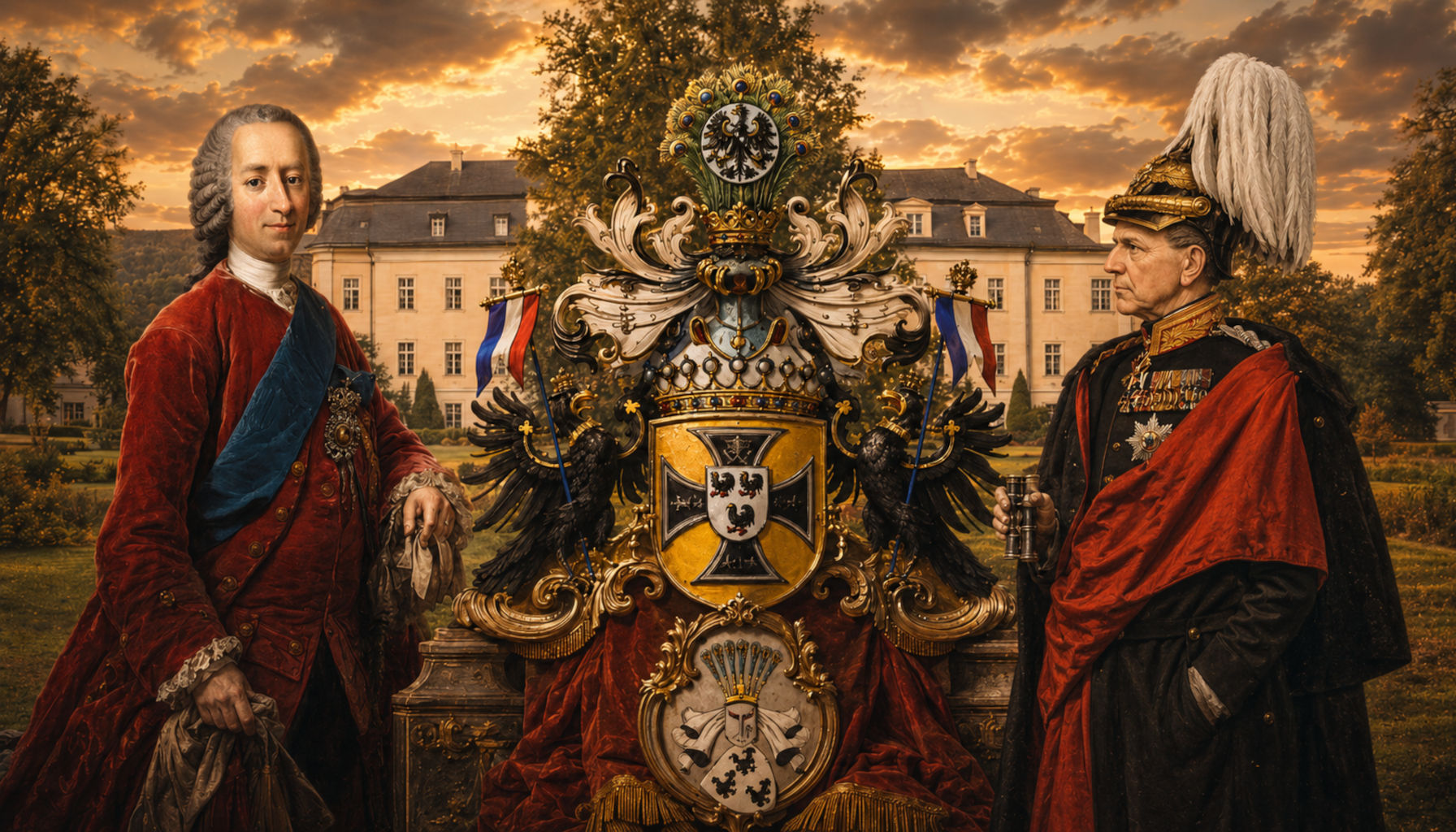
The House of Moltke was one of the great old noble families of northern Europe, a lineage rooted in Mecklenburg and later spread across Germany, Denmark, Prussia, and Poland. Its medieval trail reaches back to Fridericus Meltiko, recorded in 1250, a knight from a world of frontier lordship, local castles, and feudal service on the Baltic edge of the Holy Roman Empire. The family is associated here with the primary haplogroup R1a1a1b1a1a1c1, a paternal line found in a wide swathe of central, eastern, and northern European historical contexts. Haplogroups do not tell the whole family story, of course, but they do offer a fascinating deep-time thread running beneath the written record.
What makes the Moltkes so interesting is not simply that they were noble, because Europe was full of nobles, but that they remained politically and historically relevant for centuries. They moved from medieval knightly status into the upper world of estates, royal courts, diplomacy, and military command. The Danish branch became especially powerful through Adam Gottlob Moltke, the close associate and favorite of King Frederick V, while other branches served the Prussian and German states with formidable seriousness. The family produced Helmuth Karl Bernhard von Moltke (1800-1891), the famous Moltke the Elder, mastermind of Prussia's victories in the age of German unification, and Helmuth Johannes Ludwig von Moltke (1848-1916), Moltke the Younger, who stood at the top of the German military world in the First World War. Later still, the family name became tied to moral resistance through Helmuth James von Moltke and the Kreisau Circle, giving the dynasty an altogether different and rather moving place in European memory.
Explore the Noble House von Weltzien
One of the great location anchors of the family story is Schloss Kreisau, today Krzyzowa in southwestern Poland, in Lower Silesia. The estate became associated with the Moltke family in the nineteenth century and later achieved extraordinary historical importance in the twentieth. Architecturally, it was not merely a single grand building floating in isolation, but part of a wider landed complex with manor structures, farm buildings, parkland, and the social world of a large aristocratic estate. Most famously, Kreisau became the meeting place of the anti-Nazi Kreisau Circle around Helmuth James von Moltke, where aristocrats, intellectuals, churchmen, and reformers discussed what a different Germany might look like after dictatorship. That gives the place a rare double life: first as a noble residence, then as a site of conscience. The estate survives and functions today as an international meeting and memorial center, so yes, it can still be visited, which makes it one of those places where family history and European history are uncomfortably, powerfully close together.
Read more about the Royal House of Hohenzollern
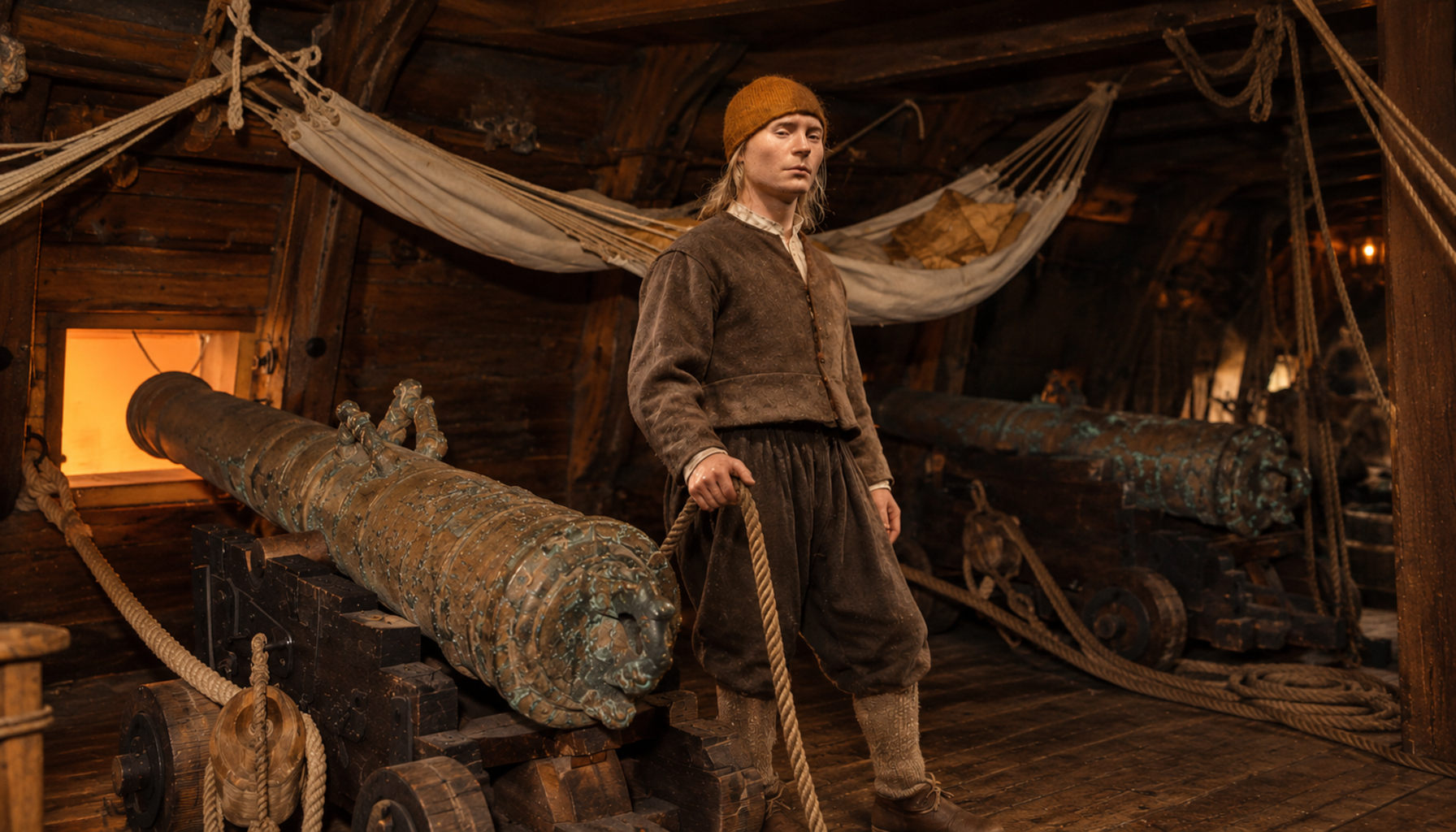
From a genetic history point of view, the Moltke-linked haplogroup R1a1a1b1a1a1c1 sits within a broad and very interesting north-central-east European pattern. Ancient and medieval samples linked or related to this branch appear in places that feel entirely appropriate for the family's long historical geography: Late Roman Aquae Calidae in Bulgaria (I41193), medieval Poland including Early Kingdom of Poland and Piast dynasty contexts such as PCA0166, PCA0328, PCA0386, PCA0387, PCA0203, PCA0572, PCA0574, PCA0573, PCA0663, PCA0222, PCA0205, and PCA0197, medieval Denmark at Zeeland Ahlgade Holbaek (CGG101825), and medieval Germany among western Slav settler burials at Steuden (SDN019, SDN017, SDN018) and Krakauer Berg Peissen (KRA001, KRA003, KRA009). Related examples also turn up in Viking Age and Scandinavian contexts such as Sigtuna (kls001, kls001a), Skara Varnhem (VK309), Galgedil on Funen (VK139), Gotland Kopparsvik (VK452), Gotland Frojel (VK438), Staraya Ladoga (VK408), Cedynia (VK212), and the Stora Kronan shipwreck sample kro002, alongside deeper precedents including Bronze Age Poland Brodzica Trzciniec (poz554) and other central European finds. None of this proves direct descent from any specific ancient individual, and it should not be read that way. What it does show is that the Moltke paternal signature belongs to an old and well-attested historical network stretching through the Baltic, Slavic, German, and Scandinavian worlds in which the family itself later rose to prominence.
Explore the Piast rulers and DNA
If the House of Moltke catches your imagination, from Fridericus Meltiko in the thirteenth century to generals, statesmen, and resisters at Kreisau, the next step is to test your own place in that much longer story. Upload your DNA to MyTrueAncestry and see whether you match the family profile or any of the related ancient DNA samples from medieval Germany, Poland, Denmark, and the wider Baltic world.
Comments