The Noble House von Weltzien

– 2 min read


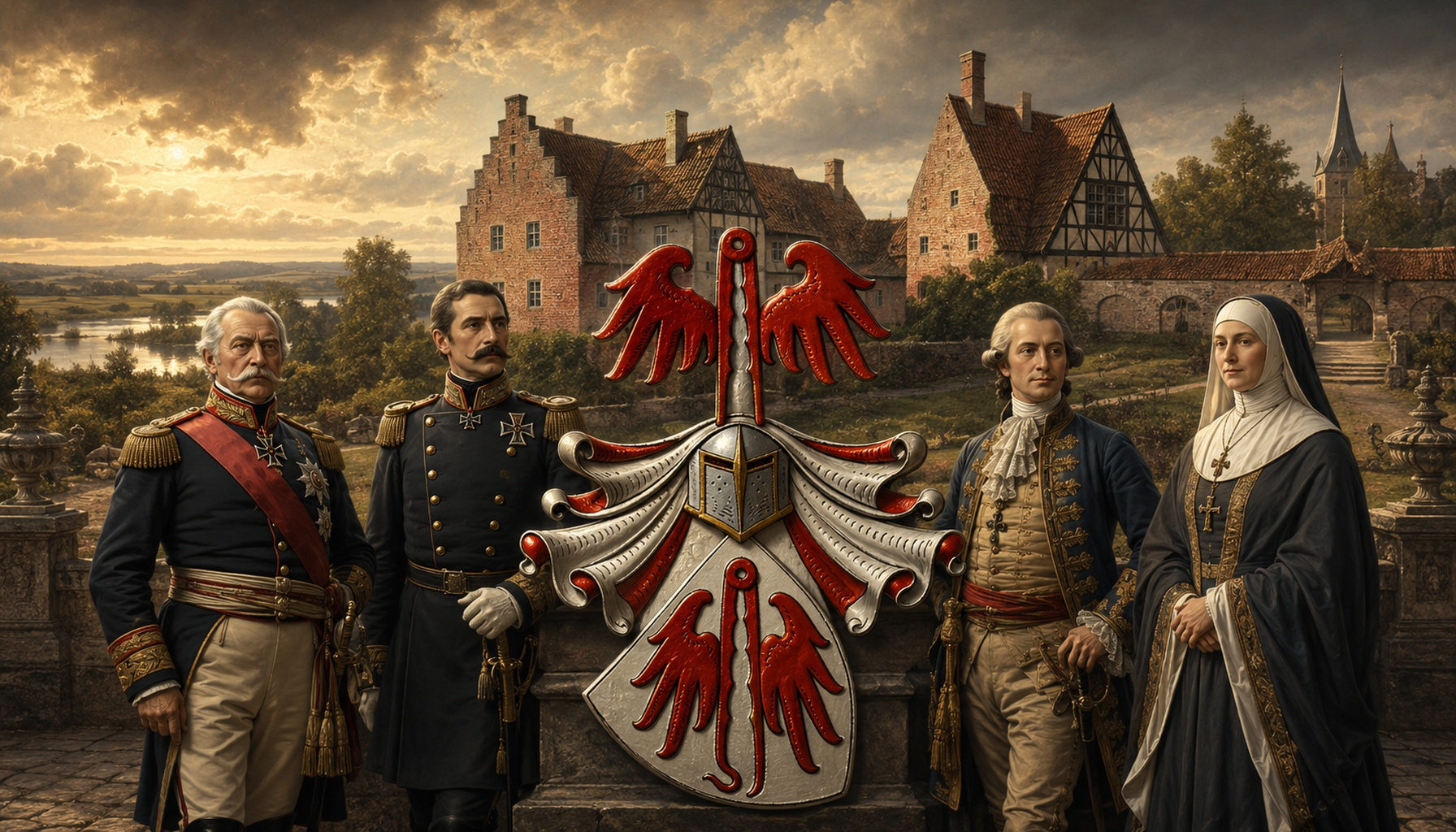
The von Weltzien family was a German noble house rooted in the world of regional aristocratic service, landed identity, and heraldic memory, most closely associated with northern Germany and especially Mecklenburg. As with many old German noble families, the name points not to kingship or princely sovereignty, but to something just as historically revealing: a durable place within the landed nobility of the Holy Roman Empire and later German states. The particle von signals noble or territorial association, and the family belongs to that long tradition of estate holders, military men, administrators, and kinship networks that helped shape local power across the German lands. In genetic tagging terms, the primary family haplogroup linked here is I2a1b1a2b1a2a1a1a.
The background of the house is best understood in that wider German noble pattern. Families like von Weltzien preserved their standing through service, marriage alliances, local influence, and continuity of lineage rather than through royal grandeur. Their identity would have been reinforced by coats of arms, remembered ancestry, and attachment to estates and regional institutions. Among the named figures connected with the family are Mathias Weltzien, recorded in the years 1243 to 1249, a reminder of the house's medieval depth, and Heinrich Wilhelm von Weltzien, who lived from 1759 to 1827, showing that the family remained visible across very different political eras. Taken together, the House von Weltzien represents a classic example of German noble continuity: regional in origin, aristocratic in culture, and enduring in historical memory.
A key location anchor for understanding the von Weltzien setting is Kloster Dobbertin in Mecklenburg, one of those places where landscape, religion, noble society, and estate culture all come together. Originally founded in the Middle Ages as a Benedictine monastery and later transformed into a Protestant convent for noblewomen after the Reformation, Kloster Dobbertin became deeply woven into the social fabric of Mecklenburg's aristocratic world. It sits by Dobbertiner See in a striking lake landscape and developed over centuries into a major institutional center tied to noble family networks, property, and regional identity. That matters for a house like von Weltzien because German noble life was never just about a surname on parchment; it was about these real places where status, patronage, faith, and memory were anchored. Kloster Dobbertin is still standing and can be visited today, which makes it an especially vivid stop for anyone trying to picture the world in which families like the von Weltziens lived and maintained their heritage.
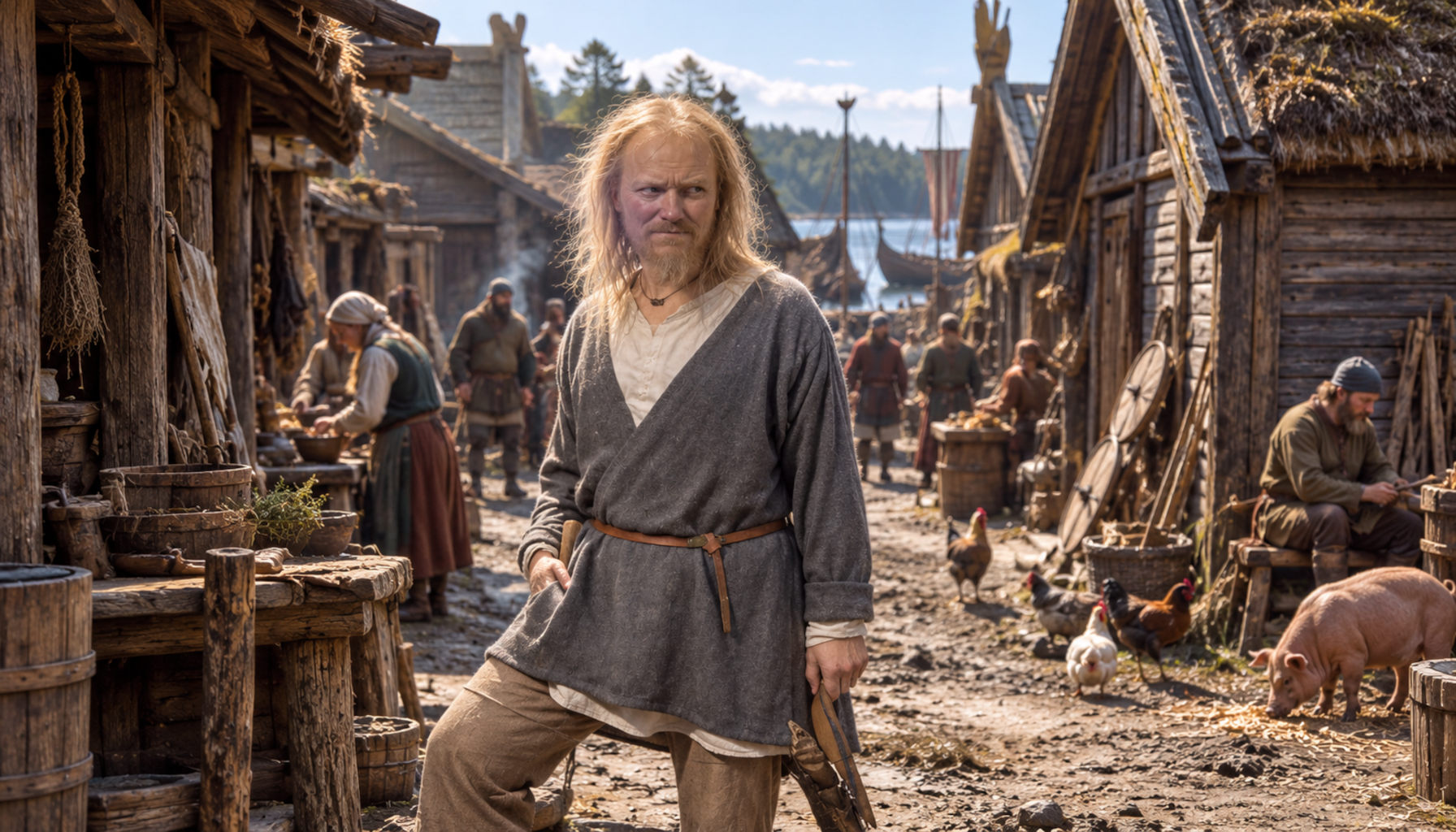
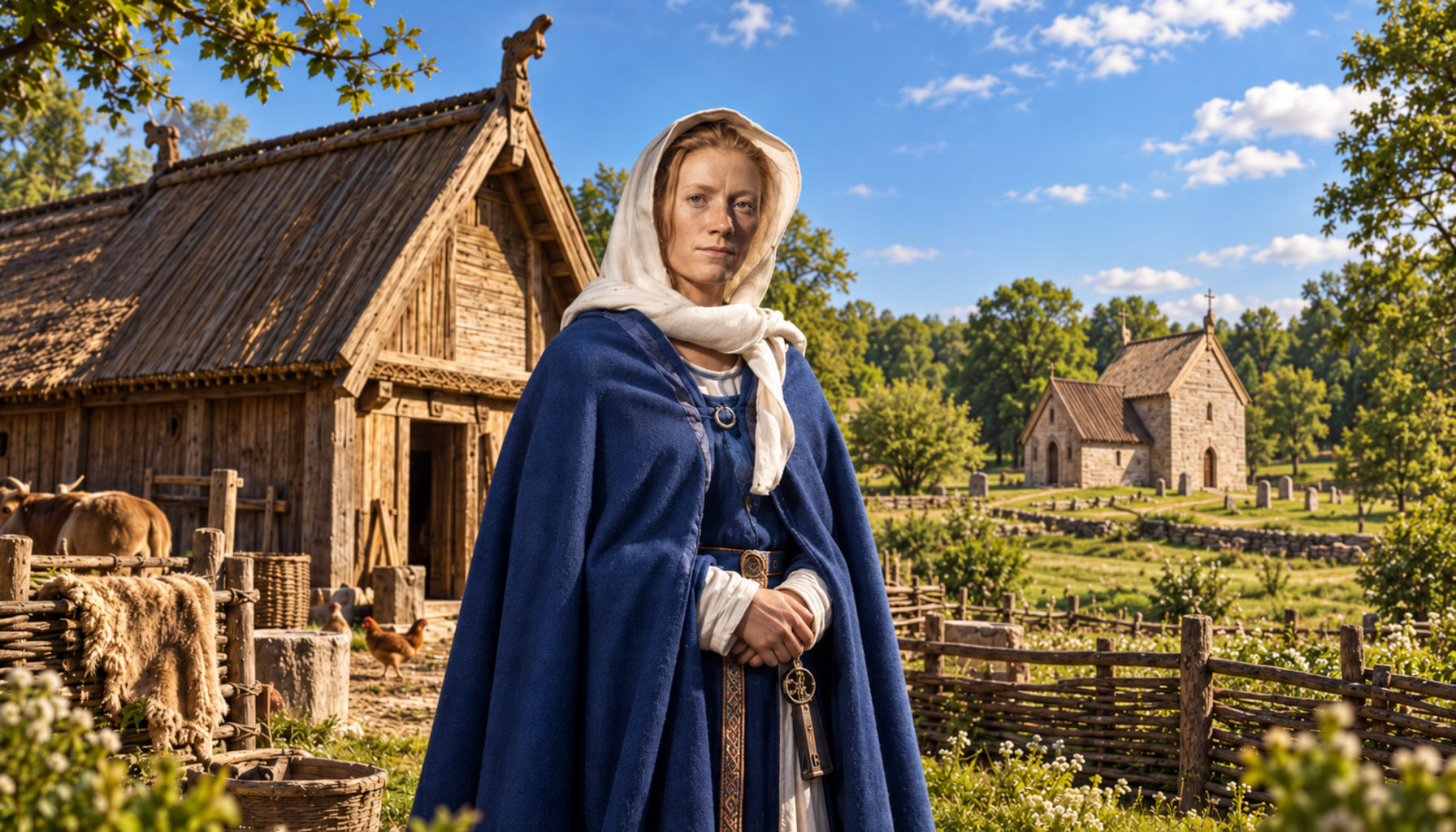
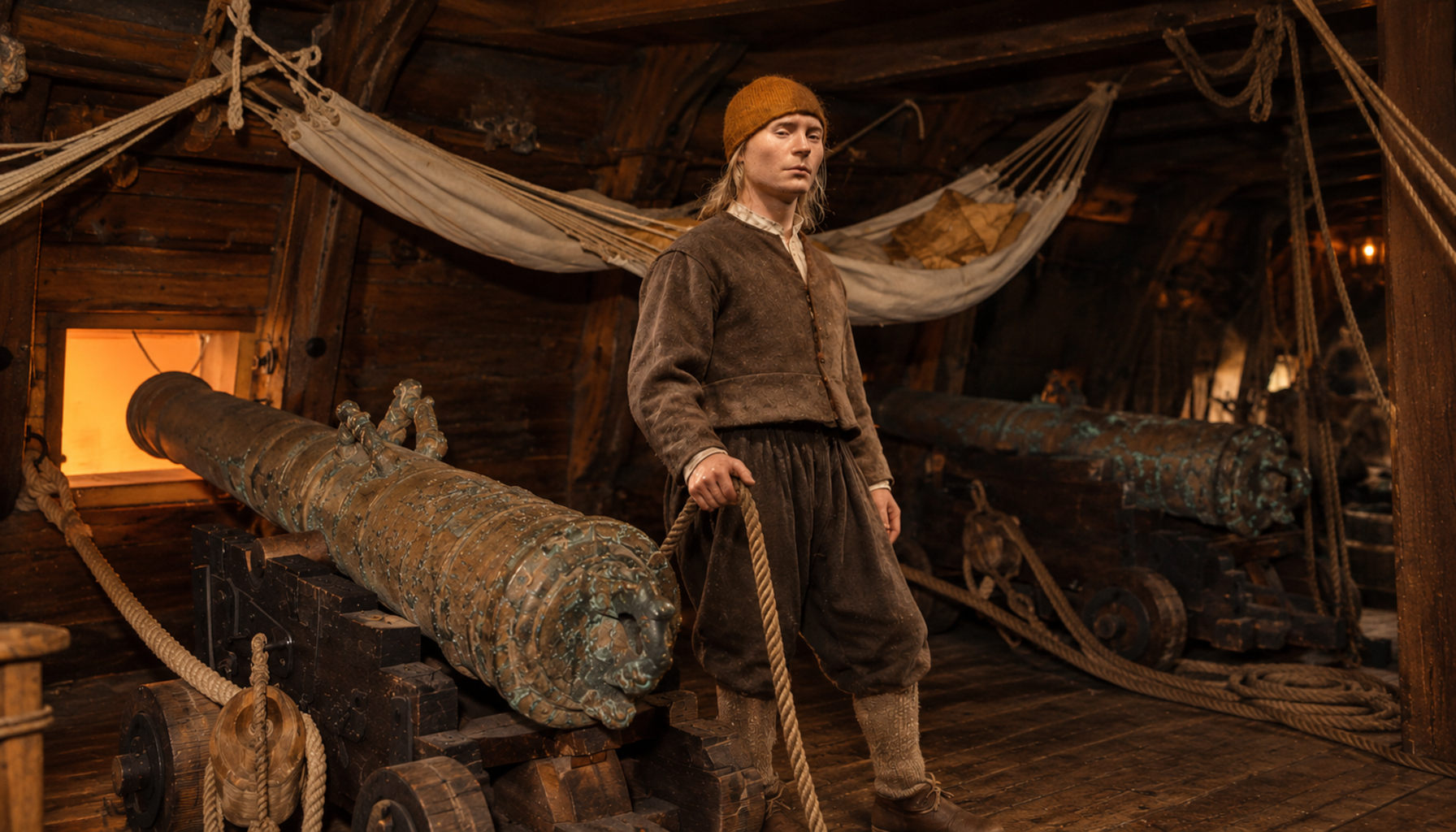
From an ancient-DNA perspective, the haplogroup tag I2a1b1a2b1a2a1a1a connects the family story to a much older European genetic landscape. Related or linked samples include Merovingian Period Frankish Moemlingen, Germany, sample Mln13; Jute Early Roman Era Denmark, Jutland Bog War Alken Enge, samples CGG019201 and CGG019212; Danii tribe Denmark, Forevejlegard, sample CGG107532; and Viking Age Oland, Sweden, sample VK348. These individuals do not prove direct descent from the von Weltzien family, and it would be wrong to claim that. What they do offer is a broader historical frame: this lineage appears in populations connected with Germanic-speaking northern Europe across the Roman, Migration, and Viking-era worlds. In other words, the haplogroup sits comfortably inside the same broad northern European zone from which later German noble families emerged.
If the story of the House von Weltzien sparks your curiosity, you can take the next step by uploading your DNA to MyTrueAncestry. It is a fascinating way to compare your results with ancient samples, explore linked populations, and place family history inside the much longer human story.


Comments