The House of Liles

– 3 min read



The House of Liles was not a royal dynasty in the grand, trumpet-blowing sense, but one of those durable western European family houses that mattered enormously on the ground: rooted in place, remembered through surname continuity, and carried forward by service, marriage, landholding, and local reputation. In that sense the Liles story fits an English and possibly Anglo-French pattern very well, with the name appearing in forms such as Lisle or de Lisle and reflecting the medieval habit of tying identity to locality, community, and movement across the Channel world. The primary haplogroup linked here is I1a1b1d, a paternal line found across parts of northern and western Europe.
What makes a family like Liles interesting is precisely that it represents continuity rather than spectacle. These were the kinds of houses that survived political change because they adapted. They served regionally, kept their name in circulation, and anchored family memory in estates, records, and alliances. A named historical figure associated with this tradition is Warin de Lisle, recorded in 1377, a reminder that by the later Middle Ages the family name was already part of the documentary landscape of England. Whether understood through English settlement history or through French-inflected medieval naming, the House of Liles belongs to that long story of local families whose importance was measured not by crowns, but by endurance.
Read more about the House of Hastings
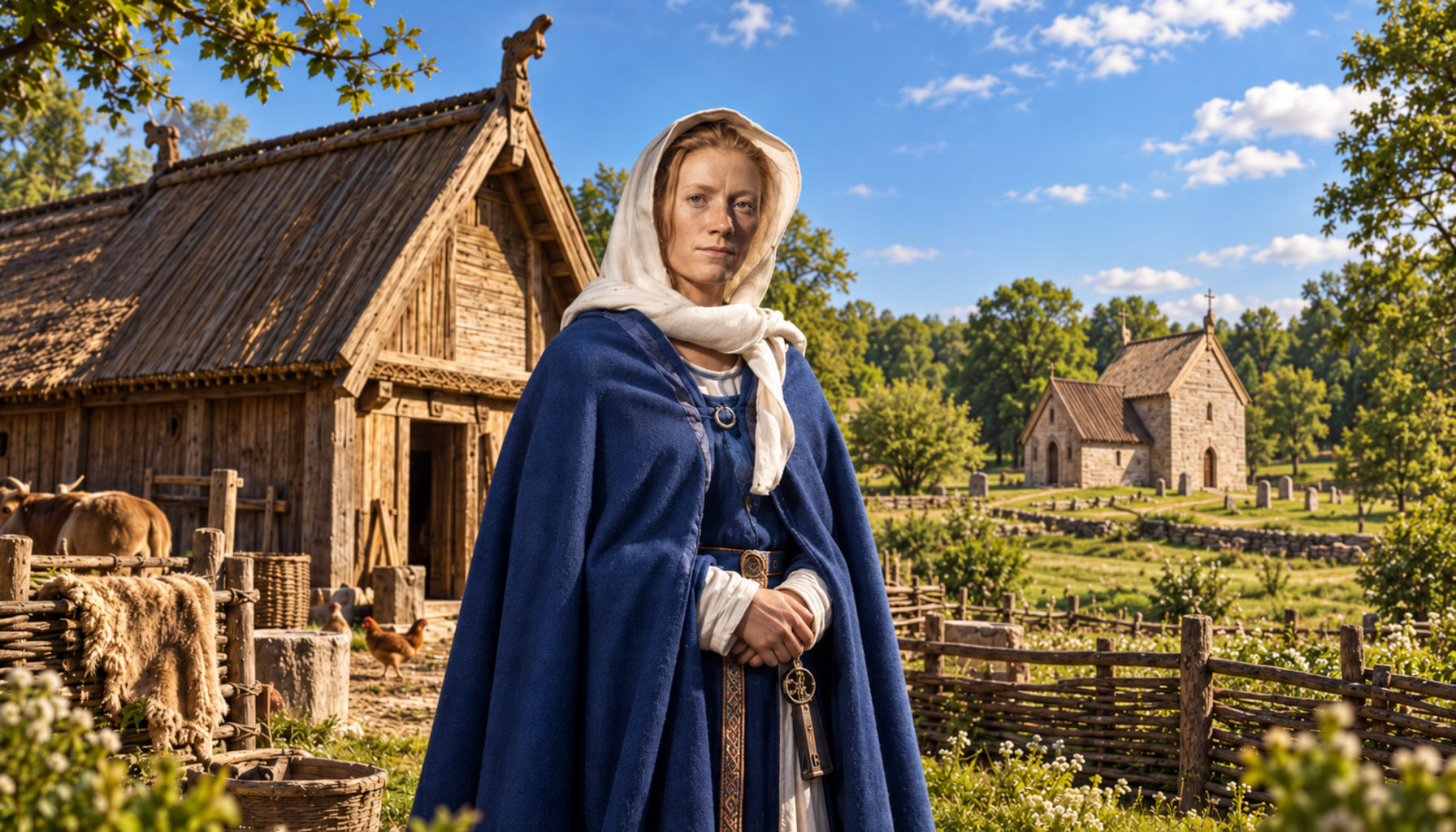
A strong location anchor for the family story is Shirburn Castle in Oxfordshire, a splendid moated country house with medieval origins that was later reshaped into a fortified residence of striking symmetry and presence. Built in the 14th century, it began as a licensed fortified manor and over time developed into one of those places where architecture itself seems to preserve social memory: battlements, towers, gatehouse, and a setting that still speaks of status tied to land rather than princely display. Shirburn sits in a village landscape that captures the world of regional houses perfectly, where authority was local, hereditary identity was tangible, and memory clung to stone. The castle has long been associated with major landed families and remains a notable historic site; public access has varied over time, so it is best treated as a place that may be visited or viewed depending on current arrangements rather than assumed to be freely open at all times.
Explore the Noble House of De Vere
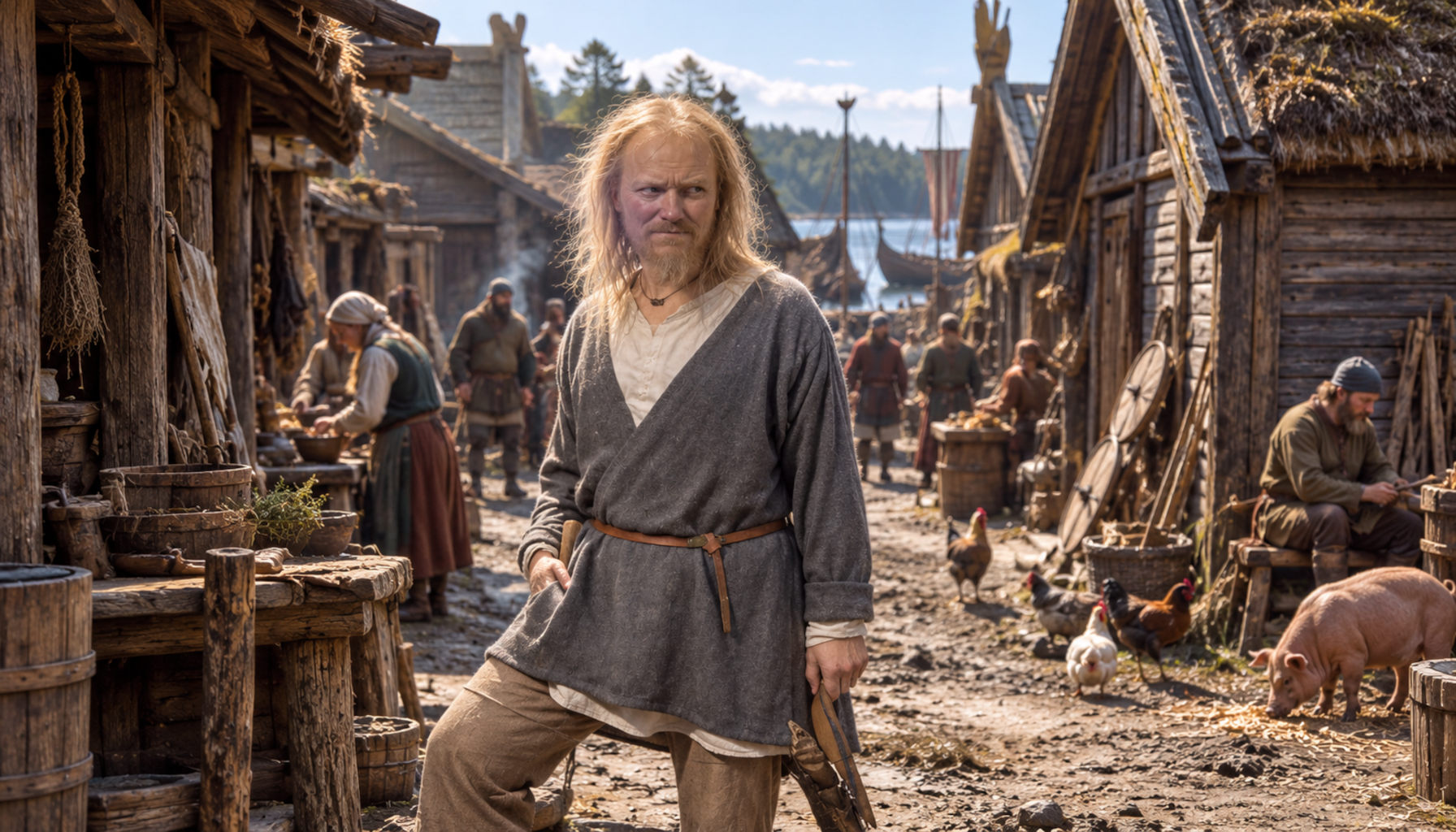
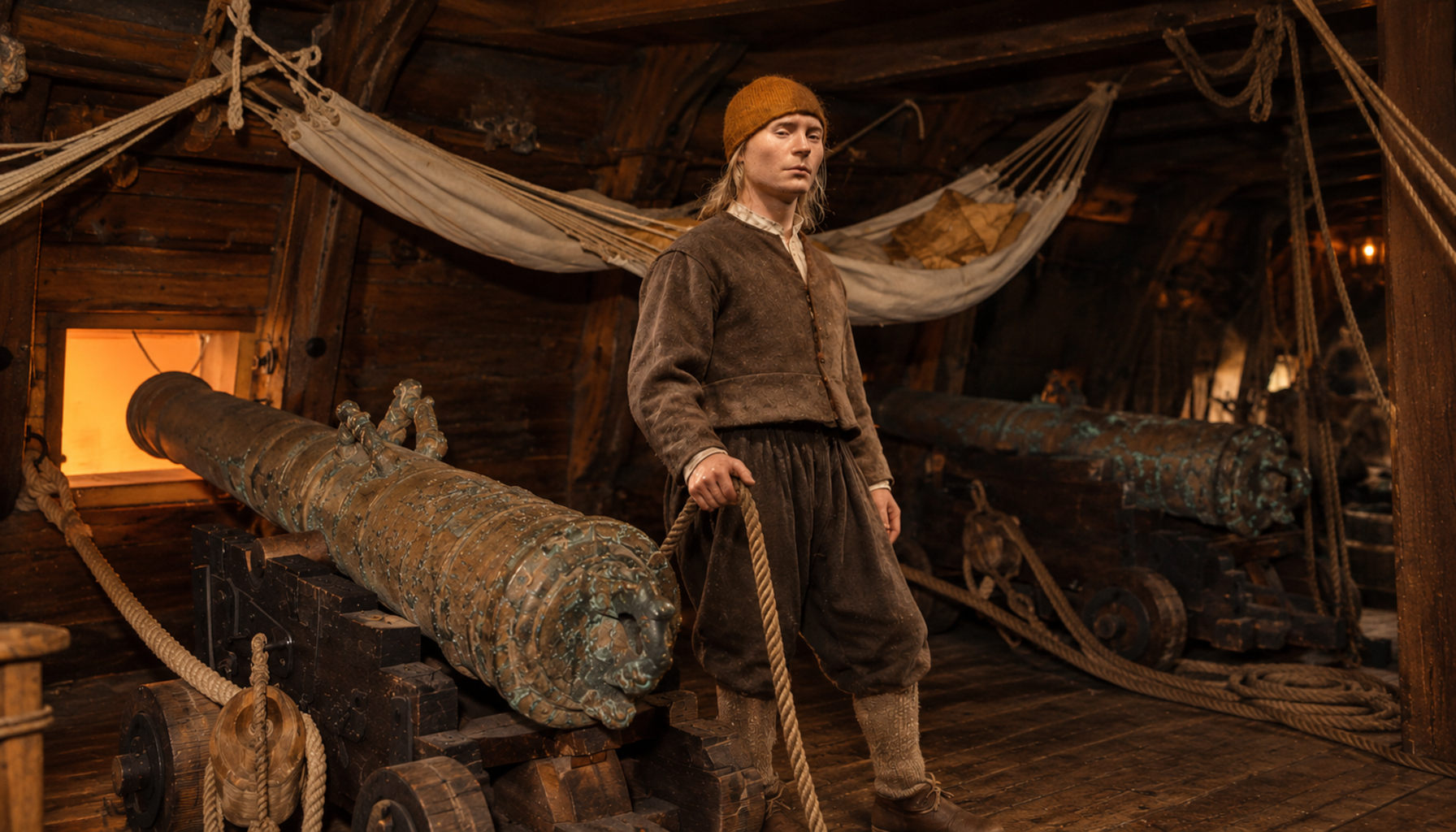
On the DNA side, the Liles primary family haplogroup is tagged as I1a1b1d, and that opens an intriguing wider window onto the deep past of northwestern Europe. Important thing first: these ancient individuals are not evidence of direct descent from the Liles family unless proven by documented genealogy and targeted testing. They are better understood as related or linked examples from the broader paternal landscape in which a family like Liles may sit. Among I1a1b1d-linked samples are Migration Period Hungary Rakoczifalva RKF183, Longobard Period Pannonia Savaria Szeleste Barbaricum Hungary SZL026, Merovingian Bavaria Altheim Germany Alh_236 and Alh_141, Medieval Jutland Denmark Vor Frue Kirkegard Aalborg CGG100498, Kingdom of Dumnonia Britain Cornwall Widemouth Bay I16383, Kingdom of Mercia England Wolverton Buckinghamshire I16509, Early Medieval Croatia Velim-Velistak VEM057, Danii Tribe Denmark Northwest Sjaelland Asnaes CGG107443, Viking Age Trelleborg CGG106823, Iron Age Netherlands Valkenburg Marktveld CGG107762, Neolithic Sweden Albacksbacken Maglarp CGG105926, Dark Ages Italy Torino Lavazza To_Lav_T2US16, Post Roman Pannonia Balatonszemes Bal_111, Bal_111m and Bal_111x, Pre-Vendel Age Oland Sandby Borg snb013, Viking Age Sweden Uppland Alsike als007, Stora Kronan shipwreck kro016, Saxon Lower Saxony DUN005, Carolingian Drantum DRU011, Viking Age Funen VK315, Viking Age Skara Varnhem VK404, and Vendel Age Saaremaa Salme I VK507. Taken together, they sketch a world of movement around the North Sea, the Baltic, early medieval England, and the post-Roman Continent: exactly the kind of historic backdrop in which enduring regional surnames later emerged.
If the House of Liles speaks to your own family history, the next step is wonderfully simple: test the story against both records and deep ancestry. Upload your DNA to MyTrueAncestry and see whether you match the House of Liles, or any of the related I1a1b1d-linked ancient samples from Britain, Scandinavia, and the early medieval Continent. That is where family memory meets archaeology, and where surnames begin to sit inside a much older human map.


Comments