The House of Irgen Gioro

– 2 min read


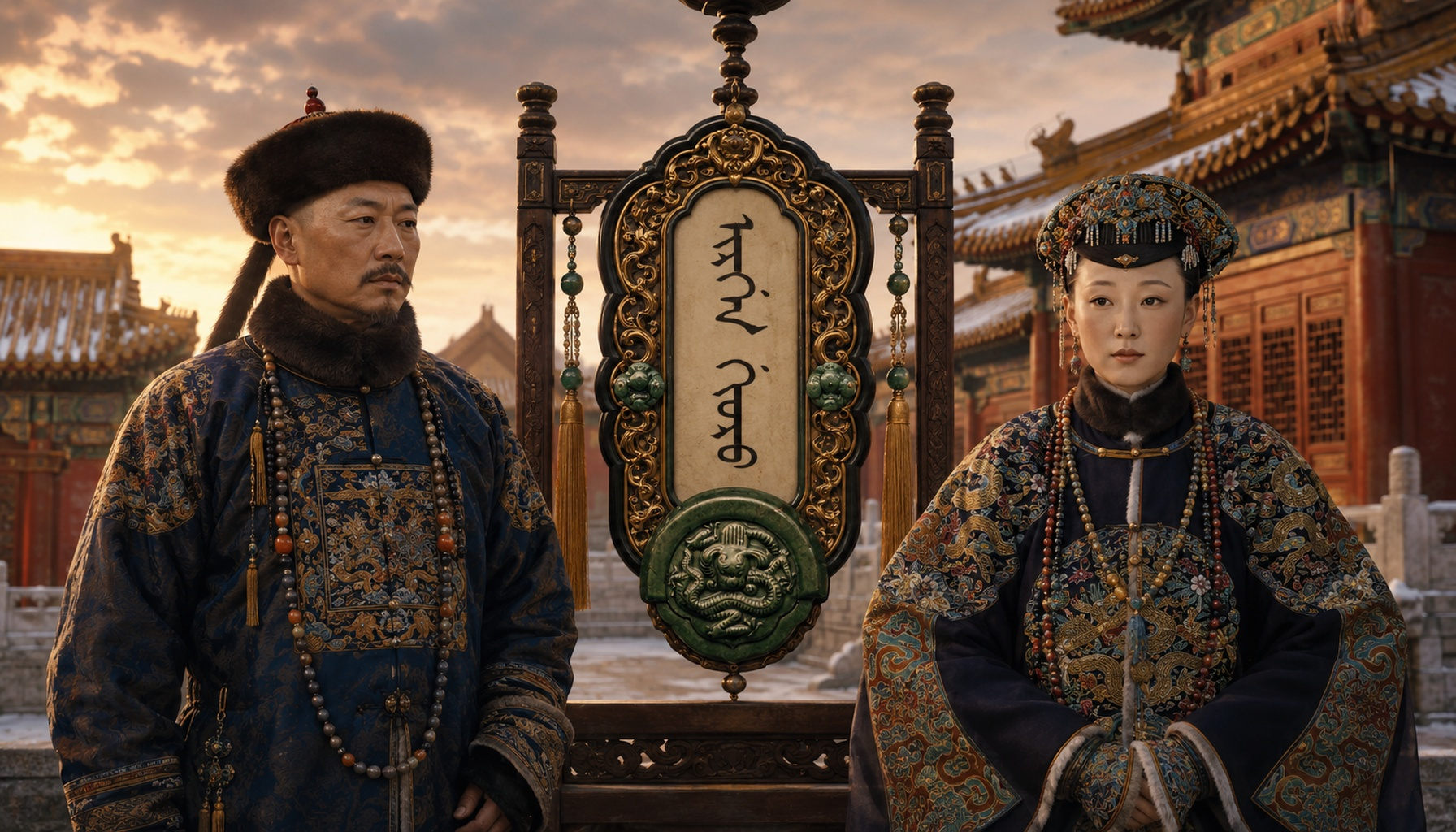
The House of Irgen Gioro was a branch of the wider Gioro world of Manchu aristocratic society, tied to the banner system, Qing court life, and the web of noble kinship that helped hold the dynasty together. Their story belongs to the history of northeastern Asia and the Qing empire, where family standing depended not simply on owning land, but on recognized descent, banner identity, imperial service, and remembered lineage. In genetic tagging terms, the primary family haplogroup linked here is O1b2a1a2a1, with related haplogroups considered in the broader East Asian context.
Historically, families like the Irgen Gioro emerged from the Manchu clan structures that took shape in and around Manchuria before and during the rise of the Qing. This was a world of military organization, household registration, and service to the throne, in which noble branches could gain or preserve standing through office, marriage, and court connection. The Gioro name itself carried prestige, and Irgen Gioro fits that recognizable Manchu noble pattern: clan status, banner service, political utility, and continuity through imperial memory. One should be careful here, though. Noble houses often gathered later traditions around themselves, and the mention of figures such as Emperor Huizong of Song reflects the pull of prestige across Chinese historical memory rather than a simple, tidy family tree.
Read more about the Imperial House of Aisin Gioro
Kaifeng is a splendid historical anchor because it sits at the heart of so many Chinese dynastic stories. Located in eastern Henan on the North China Plain, along the southern bank of the Yellow River system and shaped by the Grand Canal world, it was one of the great capitals of imperial China. Most famously, it served as the capital of the Northern Song, making it one of the largest and most sophisticated cities on earth in the 11th century. It was a place of markets, river traffic, administration, religion, scholarship, and repeated reinvention after flooding, warfare, and dynastic change. That is what makes Kaifeng so evocative: not a frozen relic, but a city layered with centuries of survival and repair. It can still be visited today, and modern Kaifeng preserves important historic sites and a strong sense of its imperial past, even if the city you walk through now is the latest chapter in a much older urban story.
Explore 6,000 Years of Genomic History in the Middle Yellow River
From an ancient DNA point of view, O1b2a1a2a1 is best treated as a lineage tag that helps place the Irgen Gioro story in a wider East Asian genetic landscape rather than as proof of one direct dynastic line. Related or linked samples help give that landscape more texture. One example sometimes cited in this broader haplogroup sphere is the Tokugawa Shogunate era Okinawa, Japan sample NAG036. That does not mean the House of Irgen Gioro descends from, or is descended by, that individual. It means only that ancient and historical samples carrying related paternal markers can illuminate the wider movement, diversity, and regional spread of lineages connected to O1b2a1a2a1 across East Asia.
See East Asian paternal history through ancient Y chromosomes
If the House of Irgen Gioro speaks to your own family story, this is exactly where DNA, history, and old imperial identities become most interesting. Upload your DNA to MyTrueAncestry and see whether you match the family, or related ancient DNA samples linked to the wider O1b2a1a2a1 world.



Comments