The House of Grimason
– 3 min read


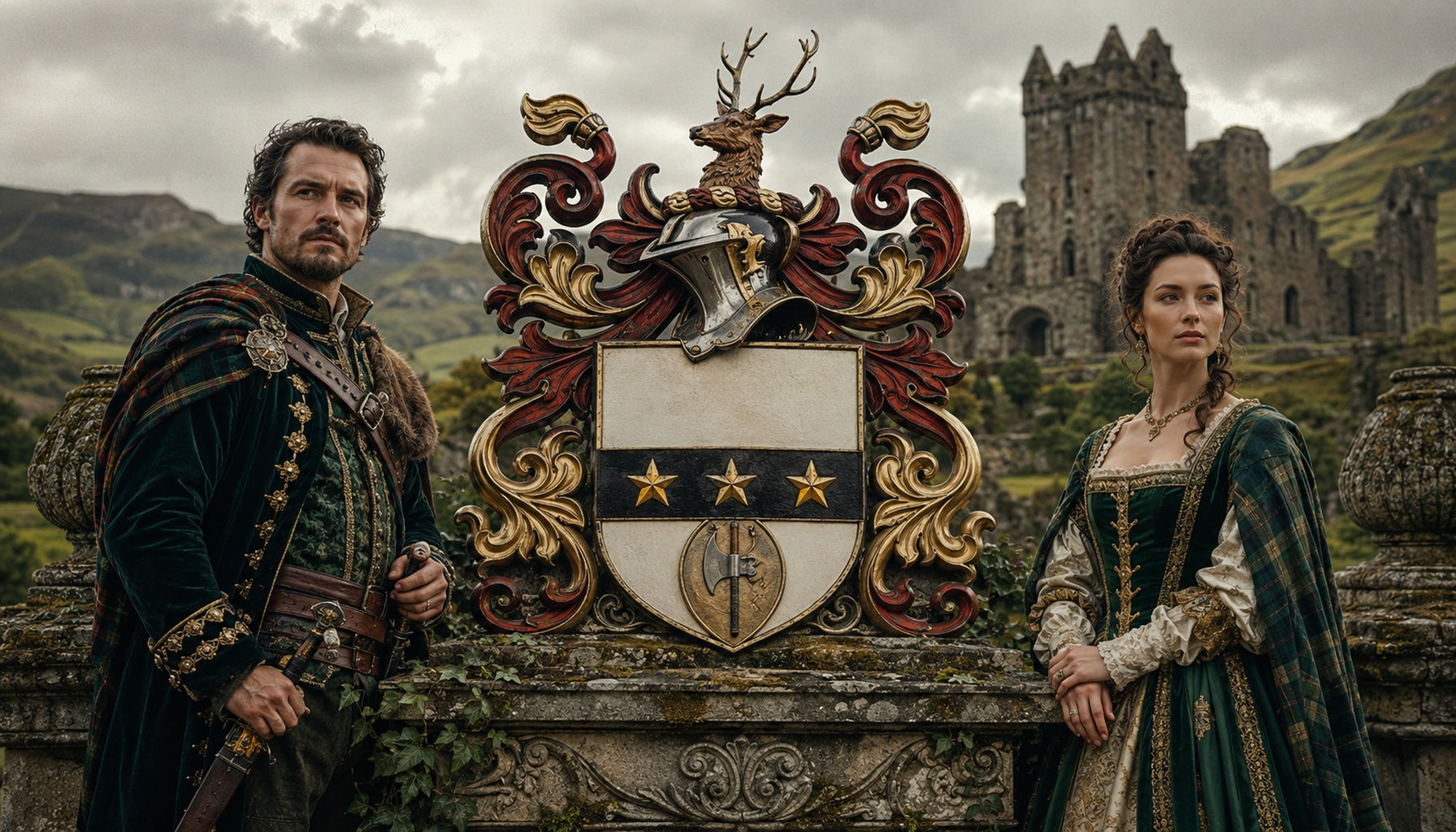
The House of Grimason represents a British and Irish family house rooted in surname heritage, local memory, and the long continuity of kin across the landscapes of the British Isles. Rather than a princely line set apart from ordinary history, this is the kind of family story that grew through parish life, local obligation, land, office, migration, and the patient handing on of a name from one generation to the next. In that sense, Grimason belongs to a very familiar and very important pattern in British and Irish history: families whose identity endured because they remained legible to their communities. The primary family haplogroup linked here is I2a1b1a2b1a2b.
The surname is associated above all with England, and especially with the Hertfordshire world in which the Grimston name became firmly established, though the wider family-house identity also fits the broader British and Irish pattern of movement, service, and regional continuity. Historically, this was a world shaped by Tudor consolidation, Stuart politics, parish administration, and county influence. The family produced notable figures such as Sir Harbottle Grimston, 2nd Baronet (1603-1685), a major parliamentary statesman of the seventeenth century, and Sir Samuel Grimston, 3rd Baronet (1644-1700), who carried that family standing into the next generation. What matters here is not fantasy nobility, but continuity: the preservation of a surname and a remembered house through centuries of British history.
Read more about the House of Grey
The great location anchor for the family is Gorhambury House near St Albans in Hertfordshire, one of those English estates where the layers of history are almost absurdly rich. The present house, a later country mansion set within a large historic park, stands on an estate associated first with the great Elizabethan statesman Sir Nicholas Bacon, whose earlier Gorhambury House survives as romantic ruins nearby. The estate passed into the Grimston family and became one of the central places through which their identity was expressed in stone, landscape, and memory. It sits in a region dense with history: ancient Verulamium, medieval St Albans, early modern politics, and the whole county world of service, office, and landed continuity. In other words, Gorhambury is not just a handsome house; it is a setting in which English family history, politics, architecture, and ancestry all meet. The wider estate and the ruins of Old Gorhambury are known heritage attractions, so it is reasonable to say that the site can still be visited.
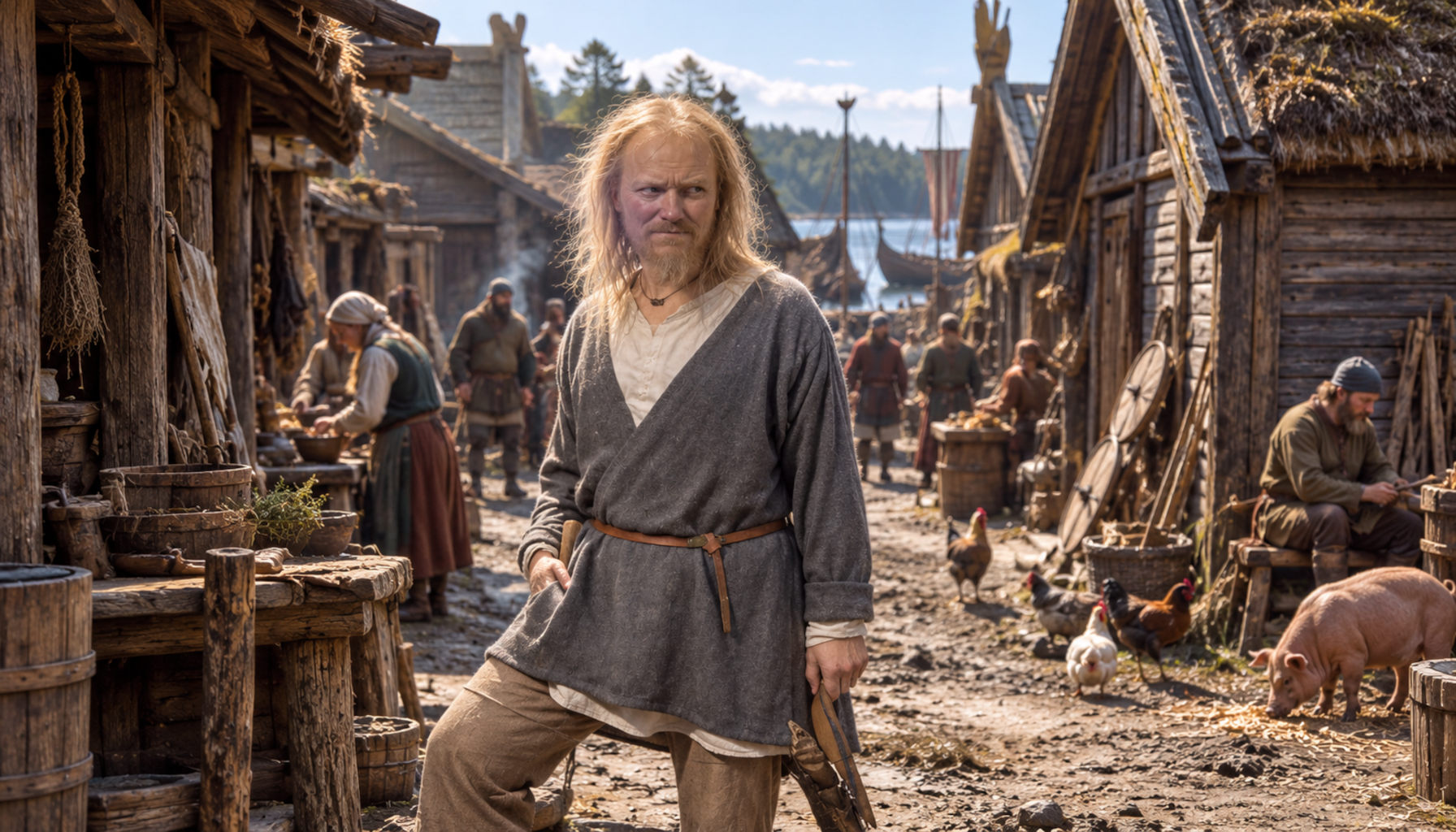
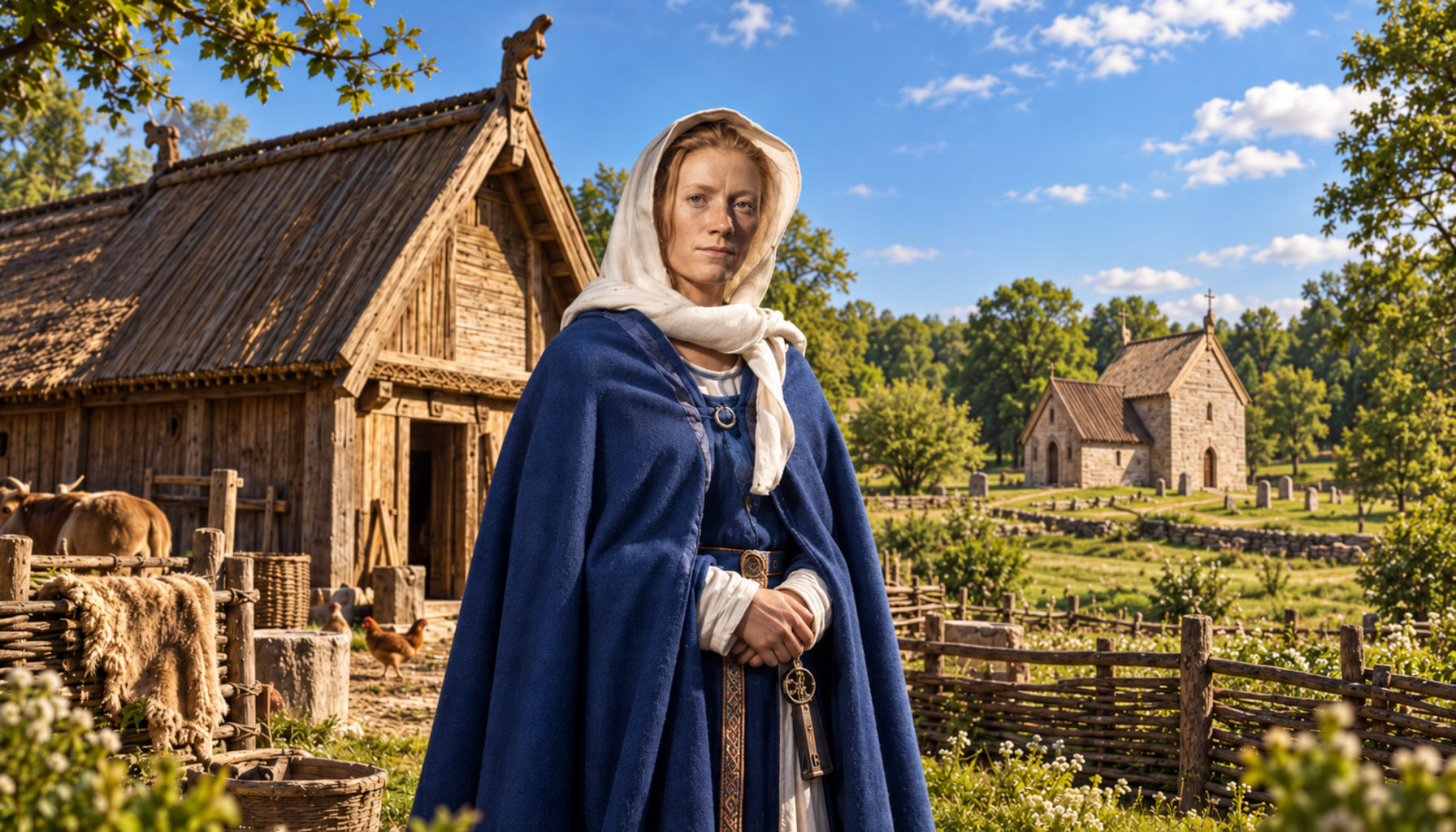
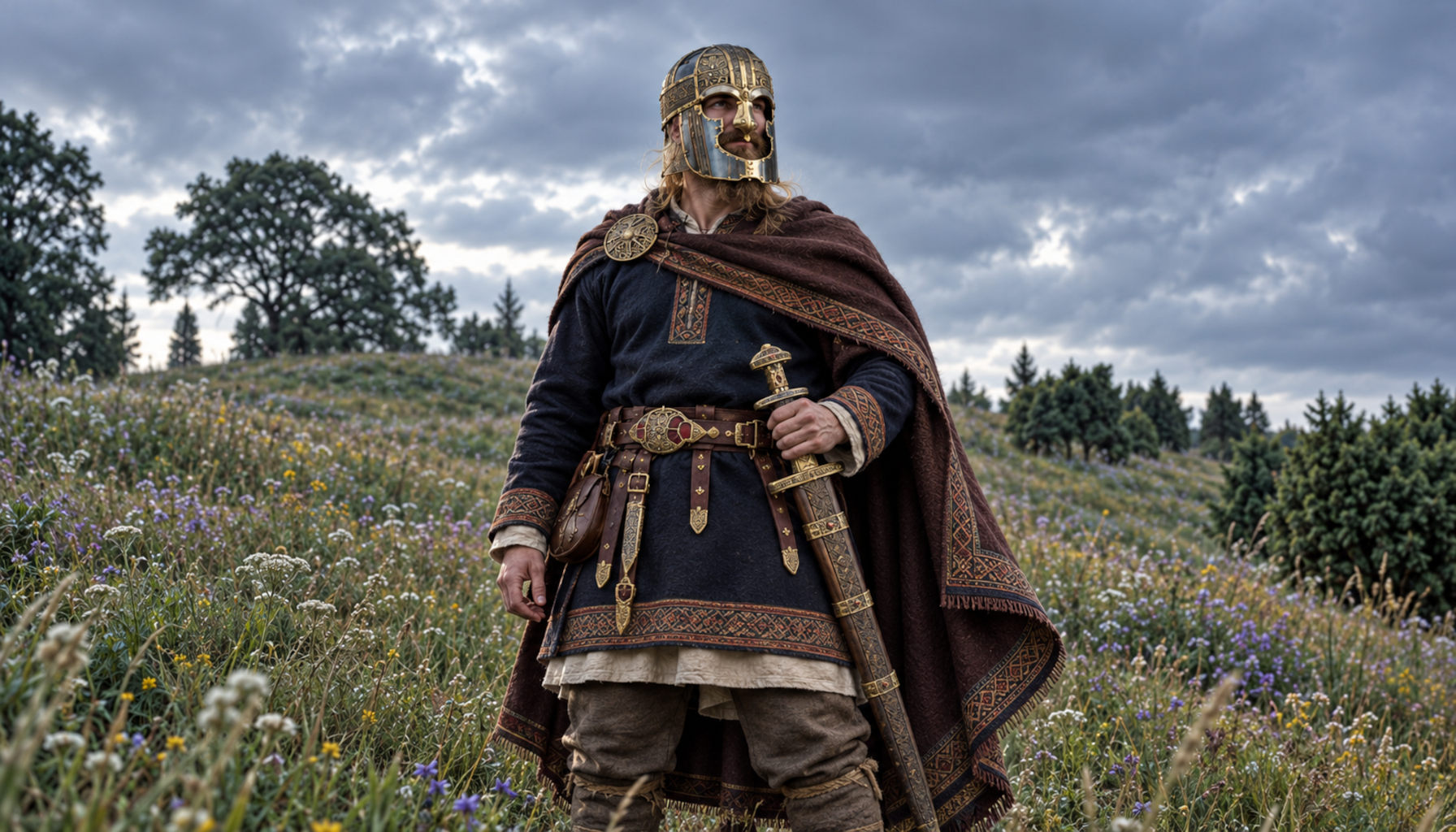
From a DNA perspective, the primary family haplogroup I2a1b1a2b1a2b has a particularly interesting ancient backdrop. Related or linked samples carrying this branch or close connections to it appear across a broad swathe of northern and northwestern European history: Migration Period Germany at Bruecken in Saxony-Anhalt (BRC029x), Medieval Belgium at Sint-Truiden Onze-Lieve-Vrouwekerk (ST0552), the Danii tribe in Denmark at Sjaelland Koge (CGG107415), Jutland contexts such as Alken Enge and Bulbjerg (CGG019202, VK582, CGG107480), Iron Age eastern Sjaelland at Varpelev (CGG107412), Viking Age Denmark at Borre Enge (CGG017609), Pre-Vendel Age Oland at Sandby Borg in Sweden (snb010), Early Anglo-Saxon Buckland Dover (BUK037), Anglo-Saxon Sedgeford in Norfolk (SED017), early medieval Suffolk at Lakenheath (LAK004), Post-Viking Age Hedeby (SWG010), Merovingian Alt-Inden in North Rhine-Westphalia (IND006), Gothic-era burials from Kecskemet-Mindszenti in Hungary (A181014 and A181019), and the Lombard sample from Szolad (SZ3). These do not prove direct descent from any named ancient individual, of course, but they do place the Grimason haplogroup within a recognisably northern European and early medieval historical world tied to migration, settlement, and the making of the populations that later shaped Britain and Ireland.
Explore Anglo-Saxon DNA history
If you carry the Grimason surname, have Grimston or related family roots, or simply want to see how your own ancestry connects with the deeper story of Britain, Ireland, and northern Europe, upload your DNA to MyTrueAncestry. You may discover links to the House of Grimason, to the haplogroup I2a1b1a2b1a2b, or to related ancient DNA samples from Anglo-Saxon, Viking Age, and medieval contexts.
Comments