The House of De La Pole
– 3 min read



The House of De La Pole was one of the great success stories, and cautionary tales, of late medieval England. Rooted above all in Suffolk, the family rose from wealthy merchants into the highest circles of royal power, eventually becoming earls and dukes. Their story is wonderfully English in its mixture of wool, war, marriage, office, ambition, and danger. In genetic tagging terms, the primary family haplogroup associated here is R1b1a1b1a1a2b1a, a branch within the broad R1b line so common across much of western Europe.
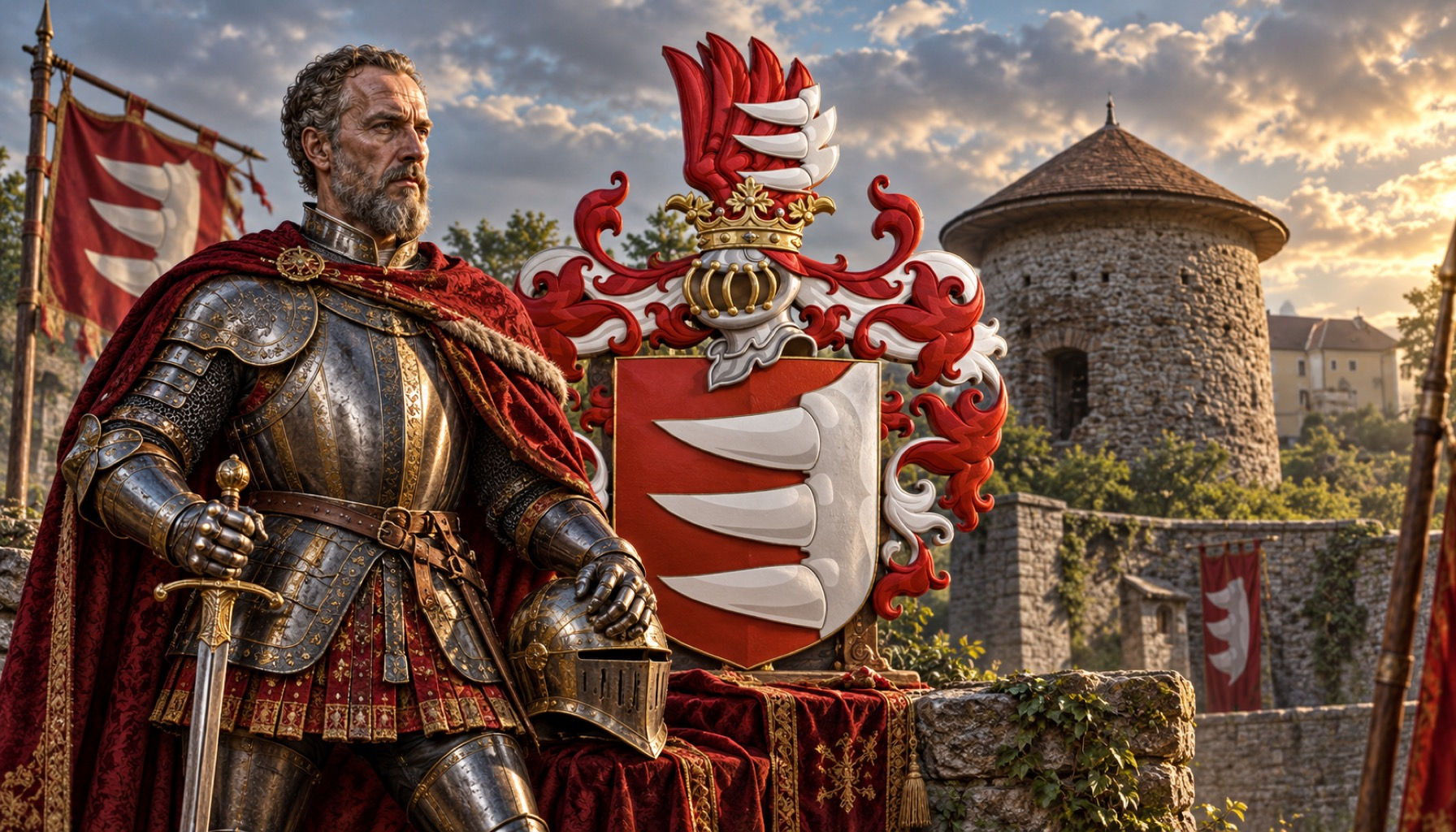
The family name itself points to an urban and commercial beginning, linked with Hull, where the early de la Poles made their fortune in trade and finance in the 13th and 14th centuries. This mattered enormously in historical context. Medieval England was not a frozen world in which nobles had always been noble. Men with money, ships, royal contracts, and a talent for serving the crown could climb very high indeed. William de la Pole (1290-1366) is the key early figure here, a merchant and royal financier whose success helped establish the family as major players in the kingdom. From there, the de la Poles became deeply involved in royal service and court politics, and by the 15th century they stood among the most powerful aristocratic houses in England. Yet, as so often in the Wars of the Roses world, proximity to the crown brought not safety but peril. Their titles, heraldry, estates, and marriage alliances preserved family identity, even as shifting dynasties made that identity politically explosive.
Read more about the House of Clifford
If you want one place that captures the de la Pole presence on the landscape, it is Wingfield Castle in Suffolk. Built in the 14th century and strongly associated with Michael de la Pole, the 1st Earl of Suffolk, it is one of those sites that makes noble ambition visible in brick and gatehouse form. Wingfield Castle was not merely a residence but a statement: a fortified manor in the rich and politically important countryside of East Anglia, a region shaped by lordship, church patronage, and the profits of the medieval cloth economy. The castle is especially notable for its impressive gatehouse and for the way it reflects the transition from military fortress to aristocratic display residence. In other words, it belongs to that very late medieval world in which great families still built defensively, but also built to be seen. Happily, the site does still survive, and it can be visited on limited open days and by arrangement, which gives modern visitors a rare chance to stand in a place closely tied to the de la Pole rise.
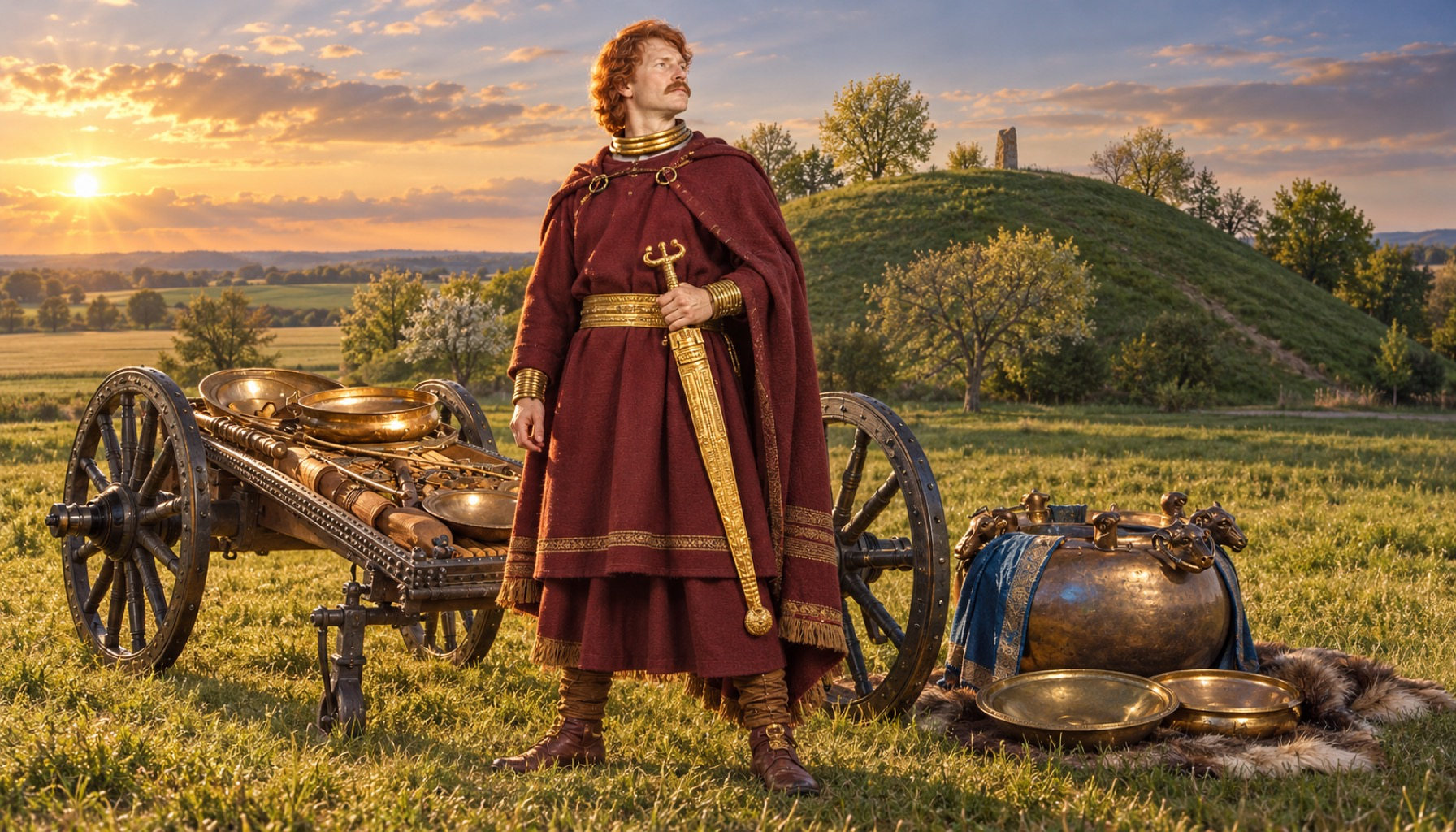
The haplogroup tag R1b1a1b1a1a2b1a places the de la Pole line within a much wider paternal landscape stretching across western and central Europe over a very long period. That does not mean direct descent can be claimed from any excavated individual, only that there are related or linked ancient DNA examples carrying the same broader paternal signal. Among them are medieval and Dark Ages samples from northern Spain at Las Gobas such as ldo066, ldo037, ldo048, and ldo062; Iron Age and Celtic era individuals from Britain including Durotriges samples WBK36 and WBK13 from Winterborne Kingston, Celtic Lakenheath in Suffolk LAK003, and late medieval England Clopton Cambridgeshire ATP_PSN_1217; Gallo-Celtic samples from Pont de Cornaux-Les-Sauges in Switzerland including 3434x, 3434, and 3439; and elite or high-status burials from central Europe such as Asperg-Grafenbuehl APG001 and APG003, Ludwigsburg Roemerhuegel LWB001, and multiple Unetice Bronze Age males from Leubingen in Thuringia including LEU024, LEU025, LEU055, LEU056, LEU051, and LEU060. Taken together, these linked samples suggest a paternal lineage with deep roots in the Bell Beaker, Bronze Age, Celtic, Roman, and medieval worlds of Europe, which is exactly the kind of long, tangled background one might expect behind a later English noble house.
Read more about the Noble House of De Vere
The de la Poles are a reminder that noble power in England was made as much as inherited. They began in commerce, mastered royal service, acquired land and titles, and then found themselves entangled in the lethal politics of kingship. If you are exploring this family through genealogy or DNA, that combination of local roots, social ascent, and deep European connections makes them especially fascinating. Upload your DNA to MyTrueAncestry and see whether you match the House of De La Pole or any of the related ancient DNA samples linked to haplogroup R1b1a1b1a1a2b1a.



Comments